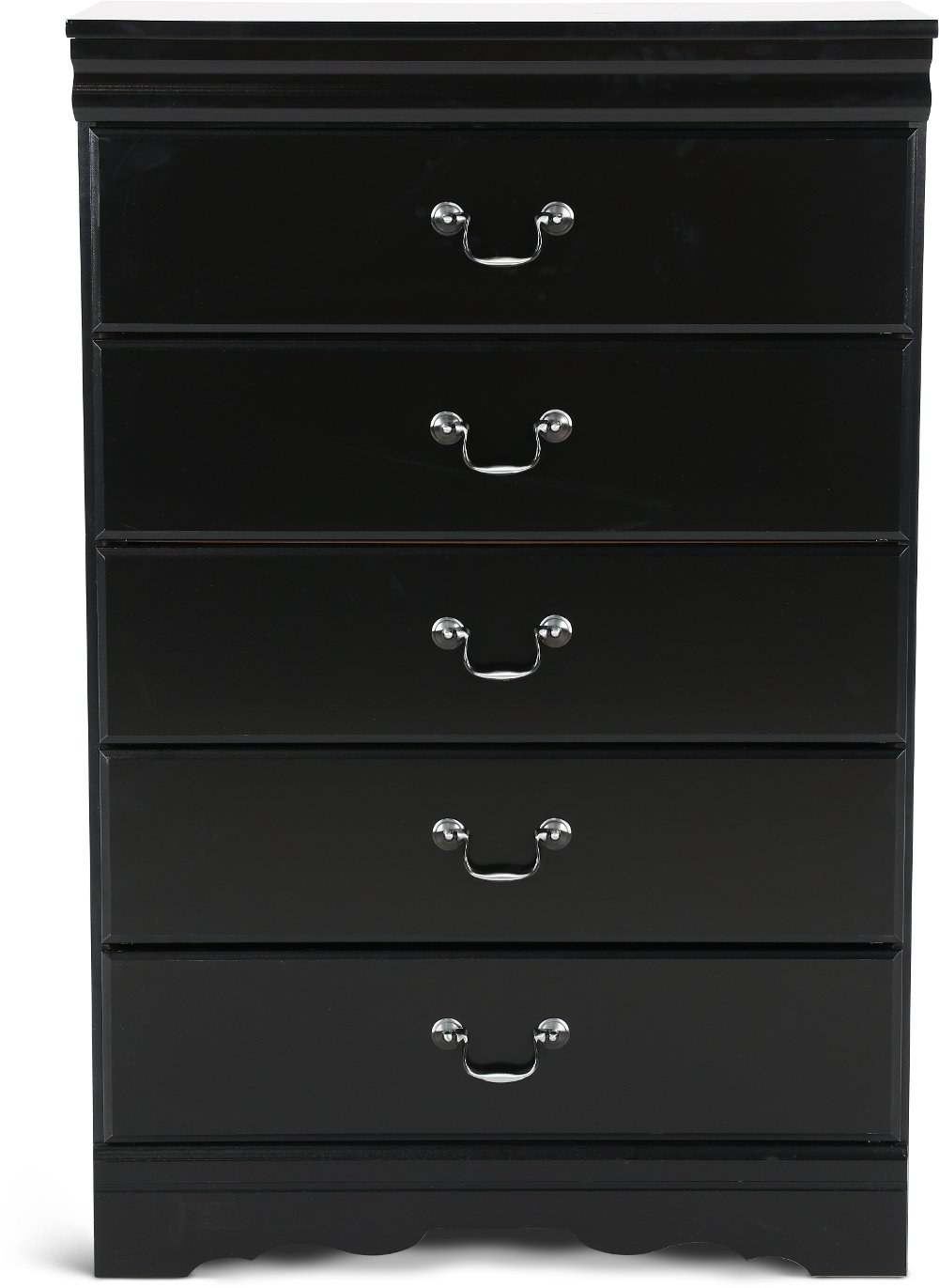
Full-extension drawer slides allow a drawer to travel approximately its full depth, making items at the back accessible while the drawer remains supported by its rails. That extra reach is useful in furniture where a deep drawer can otherwise hide everyday essentials. A dresser drawer opens far enough to reveal the last row of folded shirts, a desk drawer puts supplies within reach, and a dining room storage drawer makes it easier to retrieve serving utensils without shifting everything in front of them. Compared with partial-extension slides, which leave part of the drawer inside the furniture when open, full-extension slides offer a clearer view of the contents and more usable access to the storage space. The term describes how far a drawer opens, not how it closes or how much weight it can carry. Full-extension drawer slides may have standard closing action, soft-close operation, or a self-closing feature, depending on their design. Soft-close mechanisms slow the drawer during the final portion of travel, helping reduce slamming, while self-closing mechanisms draw it shut near the end of its movement. These features can overlap, but they aren't interchangeable terms. Mounting style also affects the look and construction of the drawer. Side-mount slides attach to the drawer sides and the cabinet interior, often using metal rails with ball bearings for smooth movement. Undermount slides sit beneath the drawer box and remain largely concealed when the drawer opens, allowing the woodwork to take center stage. Many undermount designs include soft-close operation, though that feature should be confirmed rather than assumed. For furniture used throughout the day, the combination of accessible storage, controlled movement, and a comfortable pull can make a noticeable difference. A drawer that brings its contents into view supports a simpler routine, whether you're finding a charging cable, putting away folded laundry, or setting the table.
Fit and construction matter as much as extension length. When evaluating full-extension drawer slides as hardware, the relevant measurements include the slide length, usable cabinet depth, drawer-box dimensions, and the clearance required by the mounting system. Many conventional side-mount slides require about one-half inch of space on each side of the drawer, but the manufacturer's specifications determine the correct spacing for a particular design. Undermount slides have different requirements and may depend on specific drawer dimensions, bottom recesses, notches, or attachment points. Matching only the length doesn't guarantee a proper fit, especially when replacing existing hardware. A full-extension slide also isn't automatically interchangeable with a partial-extension slide or a different mounting style. In finished furniture, these details work together as part of the drawer system, so the quality of the drawer box, alignment of the rails, and strength of the surrounding frame all contribute to how the drawer performs. Load capacity deserves similar attention. Many household slide sets carry ratings around 100 pounds per pair, while some heavy-duty designs support 200 pounds or more under specified conditions. Those figures aren't universal, and a slide rating alone doesn't establish the weight limit of an assembled dresser, desk, or cabinet. Follow the furniture manufacturer's guidance, including any limits for individual drawers. Evenly distributed clothing places different demands on a drawer than a concentrated stack of cookware or tools. Materials also help explain durability. Steel is common in full-extension slide construction because it provides strength in a relatively slim profile, and protective finishes such as zinc plating help resist corrosion. Stainless steel may be used where greater corrosion resistance is needed, but material choice should match the intended environment. Ball bearings, rail construction, mounting hardware, and accurate alignment influence smoothness over time. The dependable combination is a slide system suited to the load, securely mounted within furniture built to support it.
The right drawer features depend on what you plan to store and how you use the room. In a bedroom, full-extension dresser drawers help keep folded clothing visible, especially when organizers divide socks, sleepwear, and accessories into separate sections. In a home office, full-extension desk drawers make it easier to reach notebooks and small supplies; drawers intended for files also need dimensions and supports suited to the file format. In dining room furniture, accessible drawers can keep napkins and serving pieces organized without burying less frequently used utensils at the back. Craft supplies and hobby materials benefit from the same visibility, although heavy or unusually shaped contents call for attention to the drawer's intended use and weight limit. Interior organizers should fit without interfering with the closing mechanism or projecting above the drawer sides. Room layout matters, too: a drawer that extends its full depth needs enough open space in front of the furniture for comfortable access. Consider nearby chairs, doorways, and other furnishings rather than judging storage capacity by the drawer alone. Full extension improves reach, but it doesn't replace safe furniture use. Follow assembly and anchoring instructions, avoid using an open drawer as a step, and keep children from climbing on drawers. Routine care helps preserve smooth operation without requiring much effort. Wipe accessible surfaces with a soft cloth, keep loose debris away from the rails, and address sticking or uneven movement instead of forcing the drawer. Cleaning products and lubricants should follow the manufacturer's recommendations, since some slide systems use factory-applied lubrication or closing components that need specific care. When a drawer begins to drag, an overloaded compartment, shifted contents, or loose hardware may be worth checking. For related drawer movement and support options, explore Drawer Glides. Well-matched drawer features help furniture serve your daily routine, bringing the things you use into view while keeping your space comfortably organized.
Read More