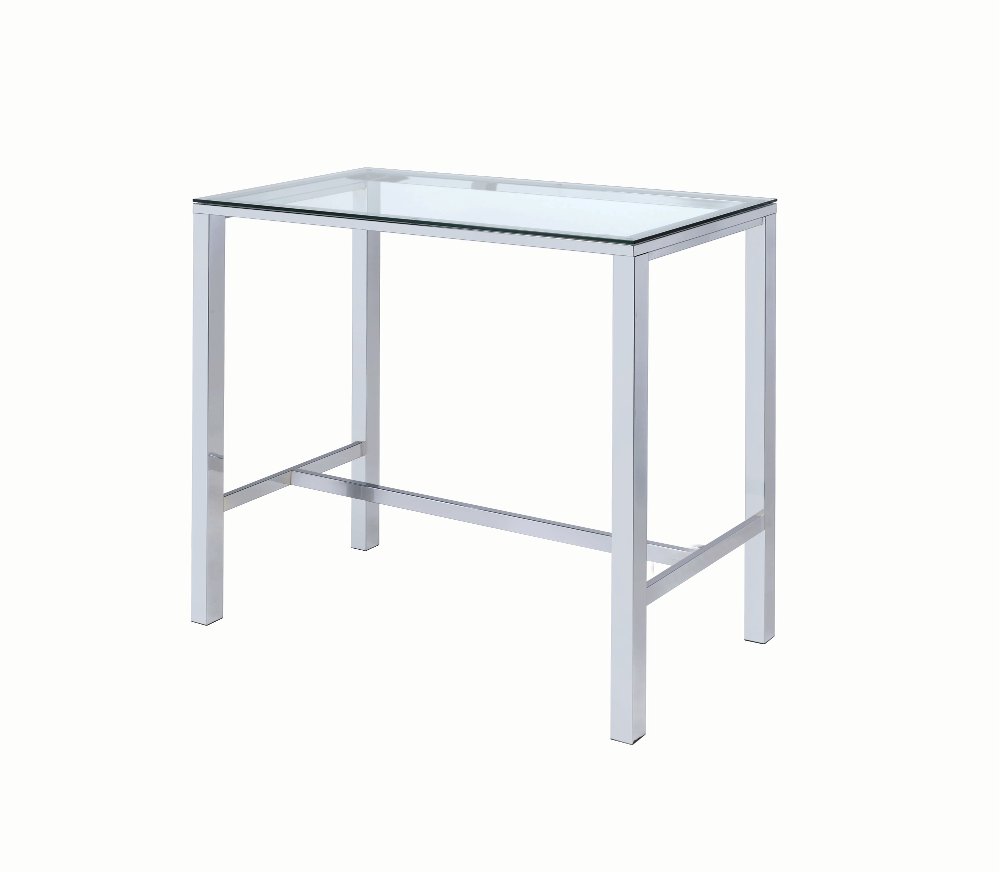
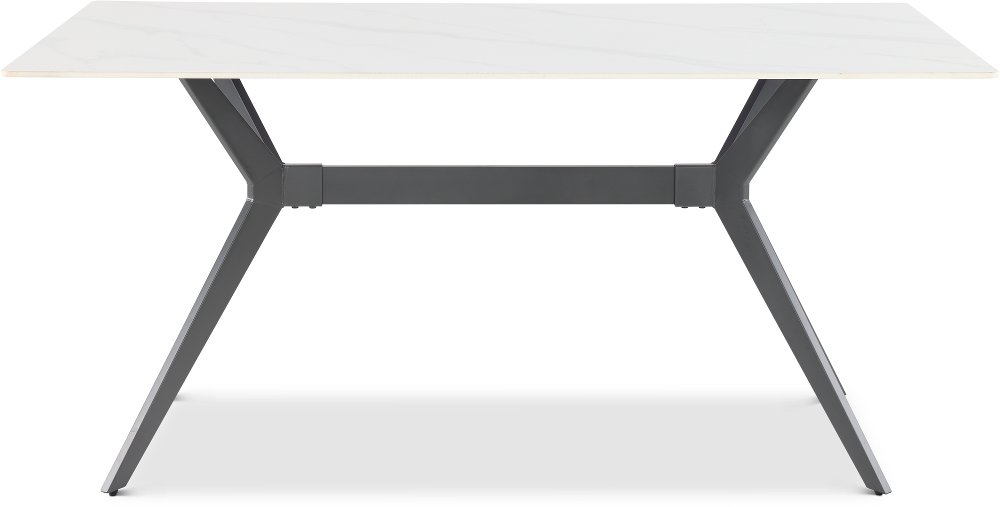
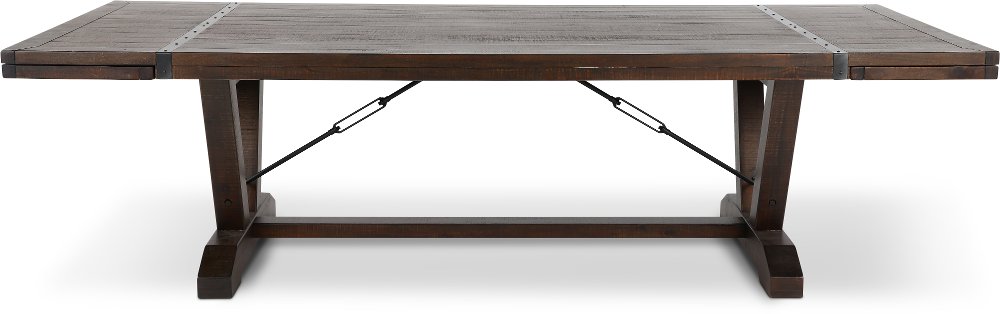
Metal leg tables bring a dependable foundation and a distinctive look to dining rooms, living rooms, home offices, bedrooms, and more. Their bases may use steel, iron, or aluminum, while the tabletop can be made from wood, glass, stone, or another durable surface. That combination gives you plenty of room to match your everyday habits and your home’s personality. A solid metal frame can support the lively rhythm of family meals, homework, game nights, and weekend gatherings, while a slimmer base creates a lighter appearance in a smaller room. Metal legs also pair naturally with a wide range of decorating styles. Matte black can complement industrial, modern, farmhouse, and transitional spaces; brushed metal can add a clean, contemporary finish; and warm metallic tones can bring a more traditional or collected feel. Shape matters, too. X-frame and trapezoid legs provide a broad, sturdy stance that suits substantial dining tops and heavier materials. Hairpin legs have a slender, mid-century-inspired profile that works well for accent tables, desks, and lighter tabletops. Square or rectangular tubing offers a crisp, minimalist outline, while round or tapered posts create a quieter, classic appearance. As you compare tables, consider the furniture already in the room, the amount of visual space you want beneath the tabletop, and how the base will fit around chairs or nearby seating. The best table is one that looks at home and supports the way you move through your day.
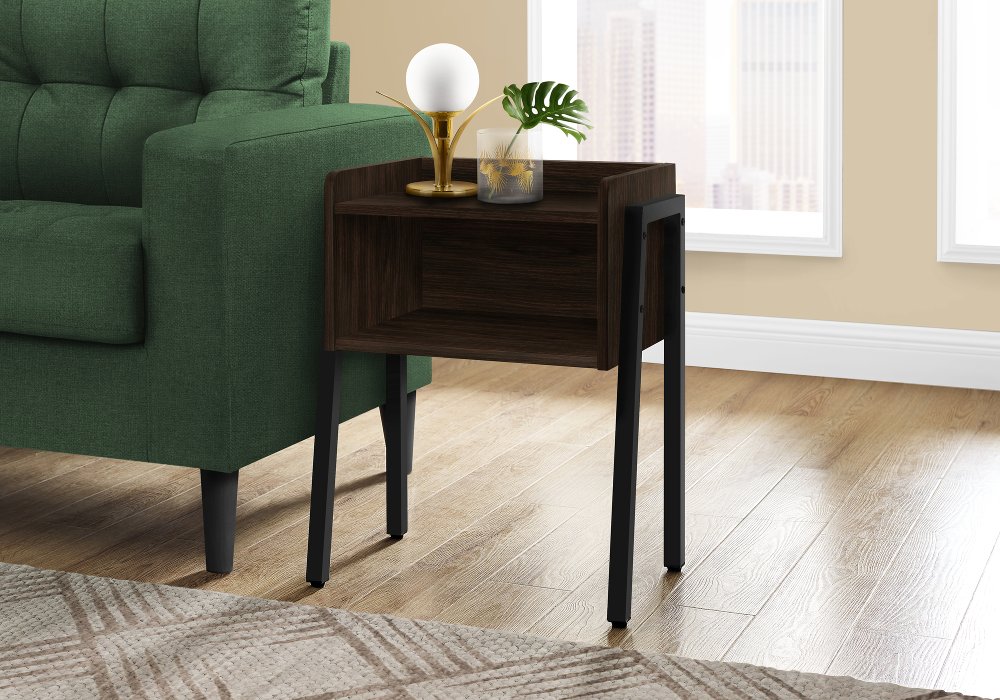
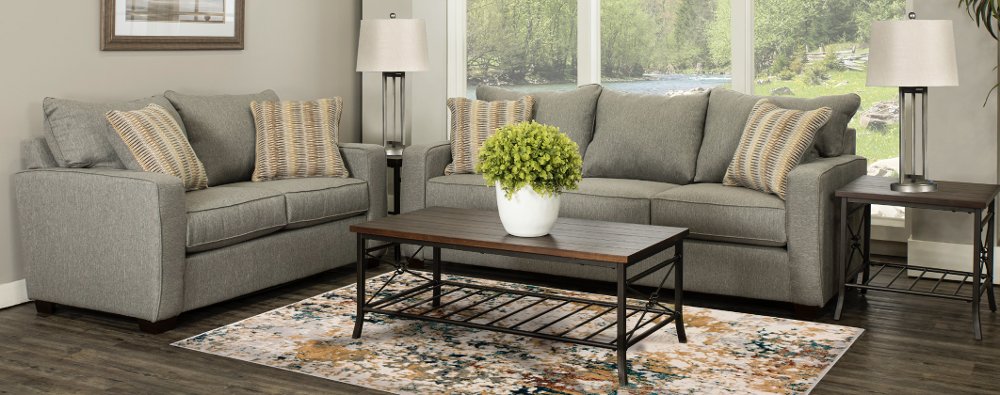
Size and height are some of the most practical details to review before bringing home a metal leg table. A standard dining table is typically about 30 inches high, giving most adults comfortable room for dining chairs and everyday activities. If you’re planning a custom tabletop or replacing a base, subtract the thickness of the tabletop from the desired finished height to estimate the appropriate leg height. For example, a 1-inch tabletop generally calls for legs close to 29 inches when the goal is a 30-inch dining table. Coffee tables are usually lower, often around 16 to 18 inches high, so they sit comfortably beside sofas without blocking the view across the room. A desk should leave enough clearance for your legs and chair, especially if you’ll spend several hours working, studying, or managing household tasks there. Measure the available floor area as well as the table itself, and leave enough space for chairs to pull out comfortably. A table that fits the room on paper can feel crowded once people sit down, open a laptop, or serve a meal. Think about the tabletop’s shape and edge clearance, too. Rectangular tables often make efficient use of long rooms, round tables encourage easy conversation, and square tables can create a balanced arrangement in a compact dining nook. For living rooms, a metal leg coffee table can anchor a seating group, while a coordinating accent table keeps a lamp, book, or cup within easy reach. If you’re furnishing a guest room, apartment, dorm, or first home, a smaller metal leg table can be a practical and thoughtful gift because it adds useful surface space without requiring a complicated installation or a major room redesign. When you’re looking for a compact option beside a chair or sofa, explore Metal Leg End Tables for another way to carry this durable style throughout your home.
Care and construction details help a metal leg table stay attractive through busy seasons and changing routines. Look for a frame with a finish suited to the way you plan to use it. Powder-coated metal is a popular choice for indoor furniture because the baked-on finish creates a smooth, durable surface and helps protect the frame from everyday wear. Steel and iron can provide a substantial, grounded feel, while aluminum is lighter and can be easier to move when you’re rearranging a room. Check that the legs meet the tabletop securely and that the base sits evenly on the floor. Leveling feet, rubber glides, or felt pads can help protect hardwood, laminate, tile, and other hard flooring from scratches while also reducing small shifts when someone leans against the table. Felt works well for furniture that stays in place, while rubber glides can offer a firmer grip. Wipe metal surfaces with a soft, slightly damp cloth and dry them afterward, especially after spills. Avoid harsh cleaners that could dull or weaken the finish, and follow the care instructions for the tabletop, since wood, glass, and stone each have different needs. Indoor metal furniture should stay in a dry, protected environment; if a table will be placed in a humid area or used outdoors, confirm that its materials and finish are designed for those conditions. During the cooler months, a sturdy dining table can become the center of shared meals, crafts, puzzles, and warm conversations, while a compact coffee or end table gives seasonal reading, lamps, and serving pieces a comfortable home. With the right proportions, a stable base, and care that fits your materials, metal leg tables can provide reliable function and lasting style as your space changes around them.
Read More