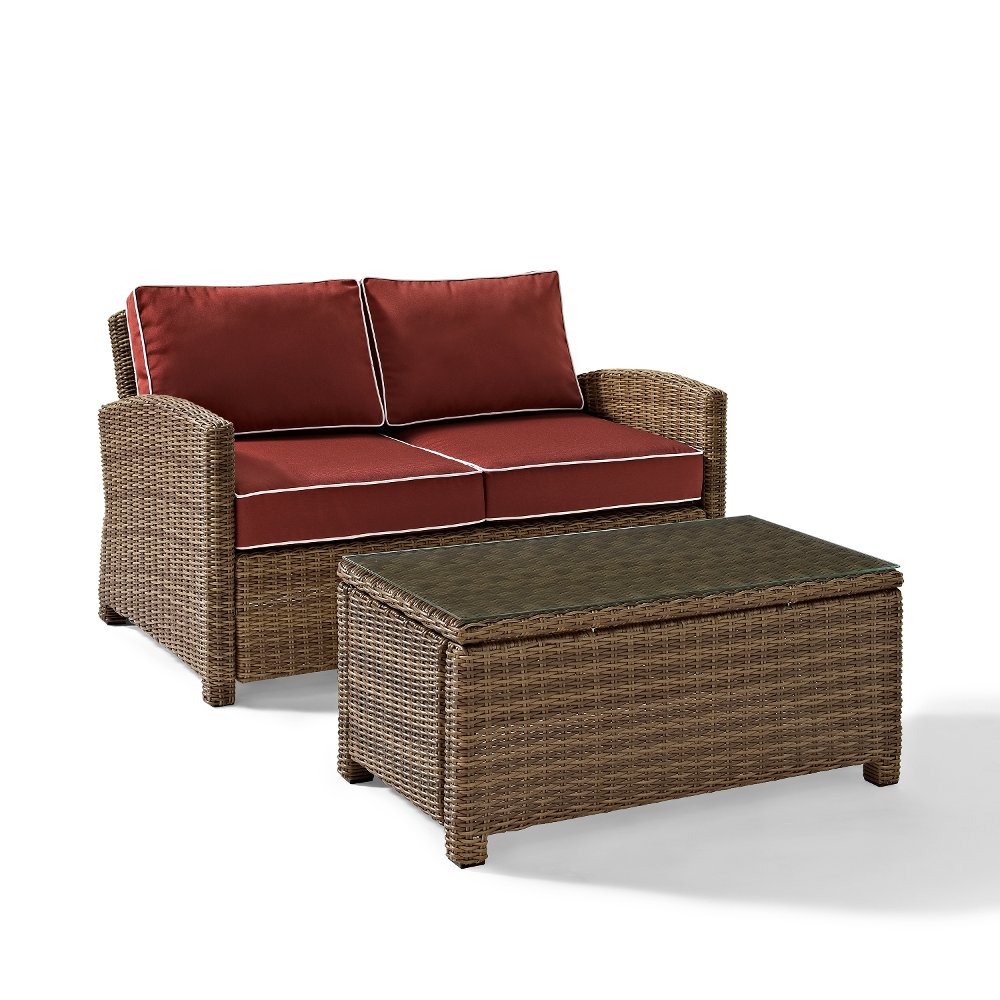
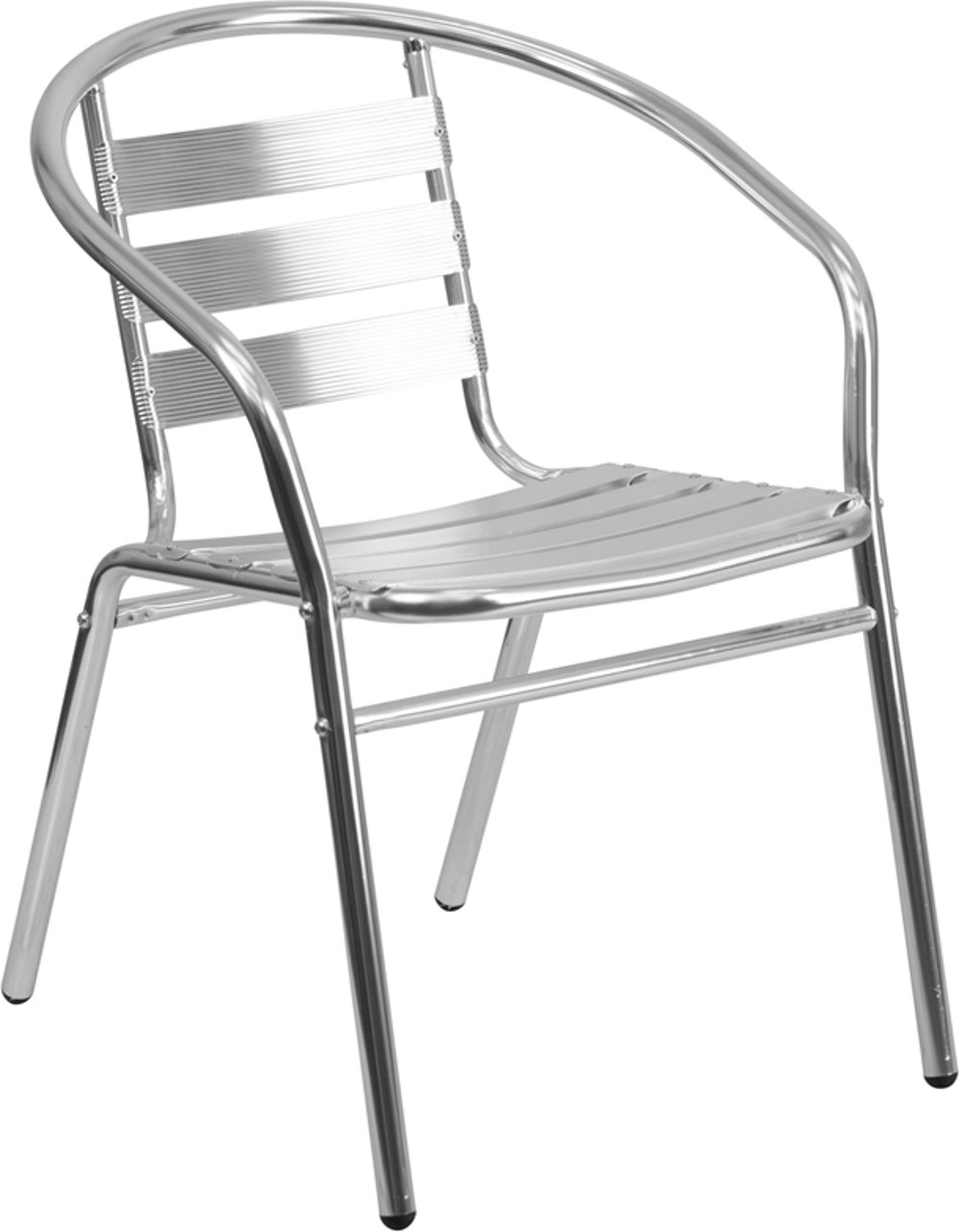
Outdoor steel furniture gives patios, porches, and backyard gathering spaces a sturdy foundation for everyday living. Its appeal comes from the balance of strength and flexibility in design: steel can form slim, clean-lined frames, curved arms, open latticework, or broad surfaces that suit a more substantial look. That range makes it easy to picture against brick, wood siding, concrete, or a garden border without asking the rest of your space to change. A dark finish can create a crisp outline against pale pavers, while a lighter neutral can soften a shaded porch. Beyond appearance, steel’s strength allows many frames to offer dependable support with relatively slender profiles, helping a compact outdoor area feel less crowded. Weight varies with the thickness and construction of the frame, so steel furniture isn’t automatically heavy, but substantial designs can feel reassuringly planted during ordinary use. No outdoor furniture is windproof, and exposed spaces still call for sensible storage or securing arrangements when severe weather approaches. For daily comfort, think about how you actually spend time outside. Upright seating makes sense for meals, board games, or a laptop session in the fresh air; deeper seats and gently angled backs invite a slower pace with a book or conversation. Arms can offer a comfortable place to rest your elbows and may help when sitting down or standing up, provided the seat height and frame feel right for you. Bare metal can become hot in direct sunlight and cold during cooler weather, so shade and properly fitted outdoor cushions can make a meaningful difference. For households that use the patio as an extension of the kitchen or living room, outdoor steel furniture offers a practical starting point for a space that feels settled, useful, and welcoming rather than simply decorated.
The right fit has as much to do with movement as it does with measurements. A dining arrangement may fit within the edges of a patio yet still feel tight once everyone pulls out a chair. Leave room for that movement, along with a clear path to the back door, steps, and any frequently used storage. On a narrow balcony, frame depth and arm width can matter just as much as the seat itself. Measuring the usable floor area and marking furniture footprints with removable tape can help you picture the layout before committing to a size. Pay attention to the height relationship between seats and tables, too: generous chair arms need clearance beneath a tabletop, and a low lounge seat works best with a surface you can reach comfortably. If your outdoor area serves several purposes, lighter steel frames or designs intended to stack or fold may simplify rearranging, though those features depend on the construction. Families sharing snacks outside may appreciate smooth, easy-to-wipe surfaces, while anyone settling in for a long evening will likely put more emphasis on back support and cushion comfort. Openwork seats and tabletops can let some rain pass through, but they may need additional attention around joints and decorative details during cleaning. Solid surfaces provide a more continuous place for dishes and drinks, although standing water should still be removed. On decks and finished patios, suitable feet or protective glides can help reduce scraping; check them periodically, especially if furniture moves often. Bringing together complementary Outdoor Furniture Pieces can create a cohesive setting without requiring every frame or finish to match. Repeating a color, a rounded shape, or a cushion texture often does enough to connect the space. The goal is a layout where setting down a mug, joining a conversation, and carrying dinner outside all feel easy.
Durability starts with understanding what steel needs outdoors. Standard steel can rust when moisture reaches exposed metal, so a protective finish plays an important role in how well furniture holds up. Powder coating creates a protective surface and comes in a range of colors and textures, but it doesn’t make steel immune to scratches, chips, or corrosion. Galvanized steel has a zinc coating that helps resist rust, while stainless steel uses a different alloy composition to improve corrosion resistance; performance still varies by grade, environment, and care. Rather than relying on the word “metal” alone, look at the stated frame material, finish, intended placement, and maintenance directions. Sheltered porches generally present different challenges than open patios, and salt air, pool chemicals, frequent rain, or persistent humidity can make upkeep especially important. Routine care usually begins with a soft cloth, mild soap, and water, followed by drying, but the manufacturer’s instructions should always lead. Harsh cleaners and abrasive tools can damage protective surfaces. Check joints, fasteners, feet, and places where frames rub together, since small finish problems are easier to address before they spread. Use only a recommended touch-up method for damaged coatings, and tighten hardware as directed rather than forcing it. Cushions need separate attention: outdoor fabric may resist moisture and fading, but that doesn’t necessarily mean the cushion beneath it can stay wet without consequences. Let cushions dry thoroughly and store them in a dry, ventilated place when they won’t be used for an extended period. As temperatures drop and damp weather becomes more frequent, clean and dry the furniture before covering or storing it. A properly fitted, breathable cover can help protect surfaces while allowing ventilation; a cover placed over wet furniture can trap moisture instead. Keep drainage openings clear and follow any instructions for winter storage, particularly where freezing conditions are common. With thoughtful placement and steady care, steel patio furniture can support the small routines that make outdoor space valuable, from a quiet afternoon break to an unhurried meal with people you’re glad to have around.
Read More