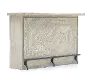
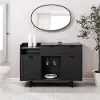
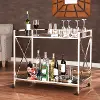
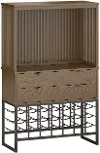
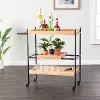
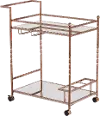
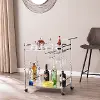
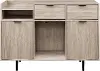
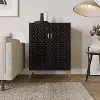
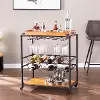
Results for: Contemporary Bar & Wine Cabinets
RC Willey Contemporary Furniture Cabinets Bar & Wine Cabinets
#myrcwilleyhome
See how real customers are transforming their spaces with RC Willey. Get inspired, share your style, and create a space that's Your Home. Your Way.
Explore NowRaise the Bar
There's a moment in every entertainer's life when a few bottles on the kitchen counter just won't cut it anymore. You want something that holds the glassware, organizes the spirits, and actually looks good doing it. That's where a contemporary wine and bar cabinet comes in.
Contemporary bar cabinets look great and work hard. Clean lines, sleek hardware, rich wood tones, smart storage — one piece that pulls double duty as furniture and function. Whether you're setting up a home bar, adding character to your dining room, or just need a better way to store your wine, a contemporary cabinet turns a practical need into a real style moment.
RC Willey carries a range of contemporary wine and bar cabinets built for real homes and real entertaining. Explore the full contemporary collection and find the piece that fits your space.
The Look of Contemporary Bar and Wine Cabinets
Contemporary design doesn't follow one rigid formula. It reflects what's current, what works, and what fits the way people actually live. In bar and wine cabinets, that translates into a few defining traits:
Clean shapes. No carved panels or heavy molding. Contemporary bar cabinets tend toward flat fronts, straight lines, and a look that feels intentional without being fussy.
Mixed materials. Wood meets metal. Glass meets matte finishes. Mirrored backs pair with dark wood frames. The mix gives contemporary pieces a layered, polished look — even when the design is simple.
Hardware that earns its place. Matte black pulls, brushed gold handles, brushed nickel hinges — hardware in contemporary bar furniture is chosen to complement the piece. It's often the detail that defines the whole look.
Smart interiors. What's inside counts just as much as what's outside. Most contemporary wine and bar cabinets include bottle storage, stemware holders, adjustable shelves, and sometimes built-in lighting that turns the inside into a display.
Finishes that work anywhere. Walnut, white oak, dark espresso, matte black — contemporary finishes are designed to fit a range of rooms. They work alongside transitional, modern, and casual styles without fighting for attention.
Wine Cabinets vs. Bar Cabinets — What's the Difference?
The terms often get used interchangeably, but they serve slightly different purposes. Here's a simple breakdown:
| Feature | Wine Cabinet | Bar Cabinet |
|---|---|---|
| Primary Focus | Wine bottle storage and preservation | Spirits, mixers, and bar tools |
| Bottle Storage | Dedicated wine racks (horizontal or grid) | Adjustable shelves for various bottle sizes |
| Glassware | Stemware holders common | Stemware holders often included |
| Work Surface | Sometimes, not always | Often - a prep area for mixing |
| Door Style | Glass front or solid | Solid doors, glass panels, or open shelving |
| Best For | Wine collectors and casual wine lovers | Home entertainers and cocktail enthusiasts |
The good news: many contemporary designs do both. A well-designed contemporary wine and bar cabinet can hold your wine collection, store spirits, display glassware, and give you a surface to work from — all in one piece. That's part of the appeal.
What to Look for When You Shop
Contemporary style sets the stage. But before you pick a cabinet, it helps to think through the practical side.
- How much do you need to store? A casual wine lover with a dozen bottles needs something very different from a serious home entertainer stocking a full bar. Think about your bottle count, glassware, and bar tools now — and leave a little room to grow. A cabinet that's too small gets frustrating fast.
- Where will it live? Most contemporary bar and wine cabinets work well in a dining room, living room, or dedicated home bar area. What matters is that the spot is easy to get to without being in the middle of foot traffic. Measure the wall space and account for door swing — most cabinets need at least 18 to 24 inches of clearance in front to open comfortably.
- Open storage, closed storage, or both? Open shelving puts your collection on display and keeps things easy to grab. But it also means dust and light can reach your bottles. Closed doors protect glassware and wine from light exposure, which matters for quality storage. Many contemporary cabinets split the difference — open display areas on top, closed storage below. That balance works well for most homes.
- What finish fits your room? Think about your flooring, wall color, and nearby furniture before committing. Warm walnut and medium wood tones work well in rooms with warm walls and natural textures. Dark espresso or matte black adds contrast. Lighter finishes in white or gray feel fresh and open. When in doubt, pull from something already in the room — a shared wood tone or metal color is the easiest way to make a new piece feel like it belongs.
Take A Moment Before You Decide
Even a straightforward purchase like a bar cabinet can come with a few hesitations. Here's what shoppers usually want to know:
- Does a contemporary bar cabinet work in a smaller space? It does — with the right size. Contemporary design works well in smaller rooms because the clean lines and slim profiles take up less visual weight than bulkier traditional pieces. Look for cabinets in the 30 to 40-inch range, or tall armoire-style wine cabinets that use vertical space instead of floor space. A well-chosen compact piece makes a bigger impact than a large one crammed into a tight spot.
- Will a bar cabinet look out of place if my home has a different style? Probably not. Contemporary bar cabinets are some of the most flexible pieces of furniture you can buy. Their neutral finishes and clean lines work across a range of interiors. A walnut-finished contemporary cabinet, for example, fits naturally into transitional, casual, or even slightly traditional rooms — especially when the hardware echoes other metal tones in the space. The key is picking a finish that has something in common with what's already there.
- Do I need a wine cabinet if I already have a wine rack? Not necessarily — but there's a real advantage to upgrading. Open wine racks leave bottles exposed to light, heat swings, and dust. A closed cabinet protects your collection and keeps glassware dust-free. It also gives you a surface to work from and a cleaner overall look. If you entertain often or are building a real collection, the switch is worth it.
- Can a bar cabinet double as a sideboard or buffet? Often, yes. Many contemporary bar cabinets have the right size to work as a buffet in a dining room — with counter space for serving and closed storage below. The top surface is great for trays, decanters, or seasonal décor when the bar isn't in use. Most bar cabinets sit between 36 and 48 inches tall, which works well as both a serving surface and a display spot.
- How much should I expect to spend? It depends on size, materials, and features. Entry-level options start in the mid-hundreds and work well for casual use. Mid-range cabinets — usually engineered wood with quality hardware and organized interiors — are the sweet spot for most homes. Higher-end pieces with solid wood, built-in lighting, or locking doors run higher. Think of it as a furniture investment. A quality bar cabinet lasts for years and anchors your entertaining setup throughout.
Styling Your Contemporary Bar Cabinet
Buying the right piece is the first step. Styling it well is what makes it look intentional. A few simple tips:
Start with a tray. A tray on top of the cabinet anchors the whole setup and keeps things from looking scattered. Place your most-used items — a decanter, a couple of bottles, a cocktail tool or two — on the tray and leave the rest inside.
Let the lighting do some work. If your cabinet has built-in interior lighting, use it. If it doesn't, consider adding a small LED strip inside or a table lamp on top. Warm lighting turns a functional cabinet into an atmosphere piece, especially in the evening.
Edit what's on display. Contemporary design is about restraint. Three well-chosen bottles and a couple of crystal glasses look more intentional than a shelf crowded with random items. Rotate in seasonal or special-occasion pieces and keep everyday essentials stored behind closed doors.
Pull in one or two accessories. A small piece of art, a simple plant, a sculptural object on top — these turn a bar cabinet from a storage piece into a room feature. Keep it minimal. One or two items on the surface is usually enough.
Contemporary Bar Cabinet Styles at a Glance
| Style | Key Look | Best Finish | Best Room |
|---|---|---|---|
| Sleek Minimalist | Flat-front doors, simple hardware, no frills | Matte black, white, light oak | Living room, open-plan spaces |
| Warm Contemporary | Wood grain visible, mixed metal accents | Walnut, medium brown, brushed gold | Dining room, transitional interiors |
| Glass-Front Display | Tempered glass panels, stemware visible | Dark espresso, black, gray | Dining room, home bar area |
| Mixed Material | Wood frame with metal or mirrored accents | Two-tone, dark base with light top | Statement corner, entertaining room |
Frequently Asked Questions
- What's the difference between a wine cabinet and a bar cabinet? A wine cabinet is built primarily around bottle storage — dedicated wine racks, stemware holders, and sometimes temperature control. A bar cabinet is designed for a broader range of beverages, with flexible shelving for various bottle sizes and often a work surface for mixing. Many contemporary options do both, combining wine storage with general bar organization in a single piece.
- How big should a bar cabinet be? It depends on your collection and your space. For a casual setup with a dozen bottles and a few glasses, a cabinet in the 30 to 42-inch range is usually plenty. For a more serious home bar with a larger selection of spirits and full glassware sets, look for wider or taller options with more interior shelving. Always measure the intended wall space before buying — and don't forget door clearance in front.
- Can I put a bar cabinet in the living room? Absolutely — and it's one of the most popular placements. A contemporary bar cabinet works well in a living room corner, along a feature wall, or adjacent to a dining area in an open-plan space. Choose a finish that complements your existing furniture and keep the top styled simply so it feels like a designed element rather than an afterthought.
- Do contemporary bar cabinets come with wine racks? Many do, but not all. Check the interior layout before buying. Some contemporary bar cabinets feature built-in horizontal bottle slots or grid-style wine racks alongside adjustable shelving. Others are designed primarily for spirit bottles and glassware, without dedicated wine storage. If wine is your priority, make sure the cabinet specifies wine rack storage in the product details.
- What's the best way to protect wine stored in a cabinet? The two biggest factors are light and temperature. Closed-door cabinets protect wine better than open racks by blocking direct light exposure. For serious wine storage, a cabinet with a built-in cooling unit is the best option — it maintains a consistent temperature regardless of the room. For casual storage of wines you plan to drink within a few months, a well-placed closed cabinet away from direct sunlight and heat sources is usually enough.
Find Your Perfect Bar Cabinet at RC Willey
A contemporary wine and bar cabinet does something a cluttered countertop or a basic wine rack never will — it makes your entertaining space feel finished. It says the drinks are ready, the glasses are clean, and you actually planned for people to show up.
RC Willey's contemporary collection includes wine and bar cabinets in a range of sizes, finishes, and storage layouts, so you can find the right fit for your room and your routine. Explore the full contemporary collection and find the piece that makes your space worth gathering in.