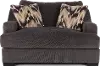
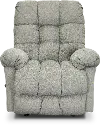
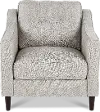
Results for: Contemporary Chairs
#myrcwilleyhome
See how real customers are transforming their spaces with RC Willey. Get inspired, share your style, and create a space that's Your Home. Your Way.
Explore NowContemporary Chairs — The Seats That Pull a Room Together
A chair is one of the most visible pieces of furniture in any room, which makes it one of the highest-leverage design decisions you can make without touching the walls or the floor. Contemporary chairs in particular tend to do double work: they contribute real seating function while carrying enough visual interest on their own that a single well-chosen piece can shift the entire personality of a room. Whether you're looking for an accent chair that makes a corner worth noticing or dining chairs that finally match the style of the table they're paired with, the contemporary category covers the most versatile range of silhouettes, materials, and finishes in furniture today.
RC Willey's contemporary chair collection covers both accent chairs for living rooms and bedrooms and dining chairs for kitchen tables and dining rooms, all built around the clean lines, mixed materials, and purposeful forms that define contemporary style in 2026.
What Makes a Chair "Contemporary"
The word "contemporary" in furniture describes a moving target — strictly speaking, it means what's current now rather than a fixed historical style — which is exactly why it's the most versatile design category available. In practice, contemporary chairs in 2026 share a recognizable set of qualities that distinguish them from traditional, mid-century, and purely modern alternatives.
Contemporary chairs favor clean profiles without ornamental carving or turned detailing, but they often incorporate organic curves that soften what would otherwise read as purely geometric. Mixed material construction — a wood frame paired with a metal base, or an upholstered seat on a wooden shell — is more common in the contemporary category than in traditional or purely modern styles. Fabric choices lean toward tactile, textured options: boucle, chenille, velvet, and performance weaves are the dominant upholstery directions in 2026, all of which add visual warmth without compromising the chair's overall clean character. Leg finishes in natural walnut, light oak, and matte black metal appear more frequently than polished chrome or ornate carved wood, keeping the structural elements visually grounded without drawing attention away from the overall silhouette.
Exploring the Contemporary Chair Collection
RC Willey's contemporary chair collection divides naturally into two categories that serve different rooms and different functions, though many pieces work well in both.
Contemporary Accent Chairs
Contemporary accent chairs are designed to be seen as well as used, which changes the design calculus compared to everyday seating. The goal is a chair that reads as a deliberate design choice from across the room — something that contributes to the space visually even when nobody is sitting in it. In a living room, a well-chosen accent chair fills the fourth corner of a seating arrangement, adds a second texture to a sofa-centered space, or anchors a reading nook that would otherwise feel empty. In a bedroom, an accent chair by the window or at the foot of the bed transforms functional furniture into a room that feels designed rather than furnished.
The silhouettes most associated with contemporary accent chairs in 2026 are barrel chairs with curved, wraparound backs that enclose the sitter; swivel chairs on pedestal bases that add movement and flexibility to a fixed seating arrangement; slim-profile armchairs on tapered walnut or matte black legs that take up a minimal footprint; and sculptural lounge chairs with low, wide seats and organic form that read as statement pieces even in a fully furnished room.
Contemporary Dining Chairs
Contemporary dining chairs face a different set of requirements than accent chairs. They're pulled in and pushed out multiple times a day, sat in for longer stretches than most accent seating, and they have to work as a group rather than as individual pieces. The contemporary direction in dining chairs emphasizes comfort-forward shapes — contoured backrests, seat depths in the 17 to 19-inch range, and upholstered options in performance fabrics that handle the wear of everyday use — combined with the clean silhouettes and mixed material construction the style is known for.
The trend toward mixing dining chair styles rather than buying a fully matched set has gained significant traction in 2026. Pairing two accent chairs at the table's head positions with four matched side chairs along the sides is the most common approach, using the head chairs to add visual interest and a sense of intention without disrupting the table's overall cohesion. All-wood contemporary dining chairs in natural oak or walnut remain a strong choice for households prioritizing durability and minimal maintenance, while upholstered contemporary dining chairs in performance fabric or faux leather add comfort for longer meals without requiring significant upkeep.
What Makes Each Style and Material Work
Choosing the right chair style and material depends heavily on the room, the use, and what's already in the space. The guide below covers the contemporary chair directions most shoppers are deciding between.
| Chair Style | Best Room/Use | Key Material | What It Adds |
|---|---|---|---|
| Barrel Accent Chair | Living room, bedroom reading corner | Boucle, chenille, velvet | Encloses the sitter, adds visual warmth and presence |
| Swivel Accent Chair | Living room, office | Performance fabric, leather | Movement and flexibility without additional floor furniture |
| Slim Armchair on Tapered Legs | Living room, bedroom, entryway | Fabric, velvet | Minimal footprint, strong contemporary silhouette |
| All-Wood Contemporary Dining Chair | Dining room, kitchen | Solid oak, walnut, rubberwood | Durability, easy cleaning, works in any humidity |
| Upholstered Dining Chair | Dining room, kitchen table | Performance fabric, faux leather | Comfort for longer meals, adds texture to the table setting |
| Mixed Head/Side Dining Chairs | Dining room | Varies by pairing | Visual interest and a curated, intentional look |
Sizing Contemporary Chairs for Their Role
Sizing affects comfort and daily function more than most shoppers weight it before buying, and the right dimensions vary depending on whether the chair is an accent piece or a dining chair.
For accent chairs, the most common oversight is choosing a chair that looks proportionate in a photo but sits too low or too narrow for comfortable, regular use. Most adults sit most comfortably in a chair with a seat height between 17 and 19 inches and a seat depth between 18 and 22 inches — deeper for lounging, shallower for an upright sitting position. A barrel or lounge chair with a low, wide seat suits a relaxed reading or TV-watching position well, while a slimmer, more upright armchair suits a reading nook or a spot where the chair will be used for work or conversation rather than lounging.
For contemporary dining chairs, the critical measurement is the relationship between the chair's seat height and the table's height. Most dining tables run 28 to 30 inches tall, and the chair's seat should sit 10 to 12 inches below the table's surface — which means a seat height in the 17 to 19 inch range suits most standard dining tables. Chairs with arms need one additional clearance check: the arm height should clear the table's underside when the chair is pushed in, or the arms will prevent the chair from sitting flush at the table.
| Measurement | Standard Range | Why It Matters |
|---|---|---|
| Accent Chair Seat Height | 17 to 19 inches | Comfortable for most adults to sit and stand easily |
| Accent Chair Seat Depth | 18 to 22 inches | Deeper for lounging, shallower for upright sitting |
| Dining Chair Seat Height | 17 to 19 inches | Needs 10 to 12” clearance below a standard 28-30" table |
| Dining Chair Arm Height | Must clear table underside | Prevents arms from blocking the chair from sitting flush |
| Width Per Dining Chair | 20 to 24 inches | Allows comfortable elbow room without crowding at the table |
Reasons to Choose Contemporary Chairs
Contemporary chairs earn their place in a room through a combination of visual impact and practical performance that more traditional or purely minimalist alternatives often don't balance as well.
- The style is the most versatile in furniture: Contemporary chairs work alongside transitional, mid-century, Scandinavian, and even some traditional furniture better than most narrowly defined style categories
- Tactile fabrics add warmth without requiring other design changes: A boucle barrel chair or a chenille accent chair contributes warmth and texture to a room that doesn't have other soft elements, without requiring a repaint or additional furniture
- Mixed material construction extends a chair's longevity: A wood-and-metal construction or a solid wood frame with a performance-fabric seat tends to hold up better than single-material alternatives under regular daily use
- Performance fabrics have closed the gap with premium textiles: Stain-resistant, wipe-clean performance fabrics in boucle and velvet textures now closely match the visual character of their natural counterparts, making them a practical choice for households with kids or pets that previously had to sacrifice aesthetic quality for durability
- The mix-and-match approach is both trendy and practical: Using accent chairs at the head of a dining table allows seating to evolve gradually rather than requiring a full replacement when tastes change
A Few Things to Consider First
Several practical details are worth confirming before you finalize a contemporary chair purchase.
- Boucle and chenille perform differently in high-traffic dining settings: Both fabrics are visually appropriate for contemporary dining chairs, but boucle's looped weave can be harder to clean of fine food particles compared to a tighter chenille weave — performance versions of both are available and worth seeking out for daily use
- Low seat heights look great in photos but demand attention: Barrel chairs and lounge chairs with very low seat heights, under 16 inches, require more physical effort to sit down and stand up from — worth testing in person rather than ordering sight unseen
- Swivel bases add floor clearance requirements: A swivel accent chair needs a clear radius around the base equal to its seat's width for the rotation to function without catching on a rug edge or nearby furniture
- Arm height on dining chairs is the most commonly overlooked specification: Confirming arm clearance against your specific table's apron height before ordering saves a frustrating situation where armchairs don't tuck under the table properly
- Chair weight affects daily use more than most buyers anticipate: A heavy dining chair that's difficult to pull out and push in multiple times a day becomes a real friction point — lightweight metal and solid wood frames in the contemporary category tend to perform better for frequent movement than heavily upholstered frames on short legs
Frequently Asked Questions
Here are the questions shoppers ask most when exploring contemporary chairs for living rooms and dining rooms.
What's the difference between a contemporary accent chair and a modern one?
Modern furniture refers to a specific mid-20th-century design movement characterized by strict minimalism and Bauhaus-influenced forms. Contemporary simply means current — it absorbs elements of modern design alongside organic shapes, mixed materials, and tactile fabrics that strict modernism wouldn't include.
What fabric is best for contemporary dining chairs in a household with kids?
Performance fabrics — including performance boucle, performance velvet, and faux leather — are the most practical choice. They're stain-resistant, wipe-clean, and available in the same visual texture as their natural counterparts, so you don't have to sacrifice the look for durability.
Can I mix different dining chair styles around one contemporary table?
Yes, and it's one of 2026's strongest dining room trends. Pairing upholstered accent chairs at the head positions with matched side chairs along the long sides of the table is the most common approach, creating visual interest without sacrificing cohesion.
How do I know if a dining chair will fit under my table?
Check that the chair's seat height sits 10 to 12 inches below the table surface, and if the chair has arms, confirm the arm height clears the underside of the table apron. Most manufacturers list these dimensions on the product page.
What's the best contemporary accent chair for a small living room?
A slim-profile armchair on tapered legs or a barrel chair in a compact silhouette suits a smaller room well — both offer the visual impact of an accent chair without the wide footprint of a larger lounge or swivel chair. Prioritizing light-colored upholstery also helps the chair read as less dominant in a tight space.
Are boucle chairs difficult to maintain?
Standard boucle can trap crumbs and pet hair in its looped weave and requires careful spot cleaning. Performance boucle resolves most of these issues, making it a more practical choice for everyday accent or dining seating without sacrificing the fabric's visual appeal.
Find Your Perfect Contemporary Chair
Whether you're anchoring a living room corner with a statement accent chair or replacing a dining set that stopped fitting the room's direction, the right contemporary chair brings both real seating function and genuine design presence. Explore RC Willey's full contemporary chair collection and find the style, material, and size that fits every seat in your home.
Browse the full Contemporary collection, explore Contemporary furniture, or shop the full chair collection to compare accent chairs and dining chairs across every style. For a complete contemporary room setup, the contemporary entryway furniture page covers the entry pieces that complete a contemporary home from front door to dining room.