





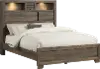
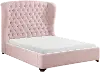
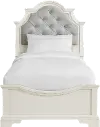


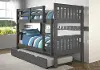
#myrcwilleyhome
See how real customers are transforming their spaces with RC Willey. Get inspired, share your style, and create a space that's Your Home. Your Way.
Explore NowFind The Perfect Twin Bed For Your Home
A twin bed is the simplest way to outfit a kid's room, a guest room, or a small apartment without giving up floor space. Whether you're shopping for a twin bed frame for a growing child or a compact bed for a home office that doubles as a guest room, RC Willey carries twin size beds in styles and storage options to fit almost any space.
Twin Bed Dimensions: What You're Actually Buying
A standard twin size bed measures 38 inches wide by 75 inches long. That's the smallest of the standard mattress sizes, and it's designed to comfortably fit one sleeper, whether that's a child, a teen, or a shorter adult.
| Size | Dimensions | Best For |
|---|---|---|
| Twin | 38" x 75" | Kids, guest rooms, small bedrooms |
| Twin XL | 38" x 80" | Taller teens, adults, dorm rooms |
| Full | 53" x 75" | Solo sleepers who want more room |
If you or the person sleeping in the bed is taller than about 5'5", a twin XL is worth a look. It keeps the same narrow width but adds 5 inches of length, so feet don't hang off the end. A twin size bed and a twin XL share the exact same width, which means bedding and headboards sized for one will usually still fit the other, only the mattress and frame length change. Twin bed dimensions stay the same across nearly every frame style, so once you know the mattress size you need, frame shopping gets a lot simpler.
Twin Bed Frame Types: Which One Fits Your Space
Not all twin bed frames are built the same way, and the right type depends on what the room needs most: storage, style, or simplicity.
- Platform frame: a low-profile frame with a slatted or solid base that supports the mattress directly, no box spring needed
- Storage frame: built with drawers along the base, useful for kids' rooms or small bedrooms without a dresser
- Metal frame: lightweight and budget-friendly, often the easiest option to move or store
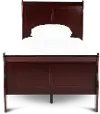
- Panel or upholstered frame: includes a headboard and footboard for a more finished, bedroom-ready look
A storage frame tends to be the most practical pick for kids' rooms, since it turns the dead space under the bed into a spot for clothes, toys, or extra bedding. If the room is tight on closet space, that storage can do a lot of the work a dresser would otherwise need to do.
Here's how the main frame types stack up against each other:
| Frame Type | Box Spring Needed? | Typical Assembly Time | Best For |
|---|---|---|---|
| Platform | No | 45-90 minutes | Modern bedrooms, memory foam mattresses |
| Storage | Sometimes | 2-4 hours | Kids' rooms, small bedrooms |
| Metal | Usually yes | 30-60 minutes | Budget setups, guest rooms |
| Panel/Upholstered | Sometimes | 1-2 hours | Bedroom-ready style, growing kids |
Platform and storage frames tend to be the most popular twin bed frame choices simply because they skip the box spring, which keeps both the bed height lower and the overall cost down.
Captain's Beds and Other Storage Configurations
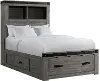
If a dresser doesn't fit the room, a captain's bed (sometimes called a bookcase bed) takes storage a step further. The entire base of the frame is a solid cabinet with multiple drawers built into one or both sides, giving it a higher drawer capacity than a standard storage frame.
A few things worth knowing about captain's beds:
- They sit slightly higher off the ground than platform-style frames, because of the solid cabinet base underneath
- Drawers typically open from the side, so measure the gap between the bed and any nearby wall or furniture before buying
- Solid wood drawer boxes and metal drawer slides hold up to daily use better than particleboard alternatives
- Deeper drawers work well for folded clothing, while shallower drawers are better suited to toys or books
This style works especially well in kids' rooms where the bed is also doing the job of a dresser.
Sizing Your Room for a Twin Size Bed
Twin beds are popular precisely because they fit where bigger beds can't. Even so, it's worth measuring before you buy.
- A twin bed fits comfortably in a room as small as 7' x 10'
- Leave at least 24 inches of walking space along at least one side of the bed
- If you're adding a dresser or nightstand, plan for an 8' x 10' room or larger
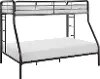
- For bunk beds, confirm mattress thickness, since most bunk setups call for a mattress 8 inches thick or less
- A bed frame typically adds a few inches beyond the mattress itself, so measure the frame's full footprint, not just the mattress size, before placing it in a tight room
When a Twin Bed Makes Sense (and When It Doesn't)
A twin bed is a great fit for a lot of situations, but it's not the right call for everyone. Here's a quick way to think through it:
- Good fit: kids transitioning out of a crib or toddler bed, guest rooms that don't need to sleep two, bunk bed setups, dorm-style rooms, or small apartments where floor space is tight
- Worth reconsidering: if two people will regularly share the bed, even temporarily, the narrow width can feel cramped fast. A full size bed gives meaningfully more shoulder room without taking up dramatically more floor space
- Worth upgrading to twin XL: taller teens who are still growing, or adults under 6'6" who want the narrow footprint of a twin without their feet hanging off the end
If you're furnishing a child's first big-kid bed, it's also worth thinking a few years ahead. A twin XL frame costs little more than a standard twin but can extend the bed's useful life well into the teenage years.
What to Look for Before You Buy
A few practical things worth checking before you commit to a twin bed:
- Weight capacity: most frames hold 800 to 1,000+ pounds combined (frame, mattress, and sleeper), but storage frames tend to rate lower than solid platform frames because the hollow base reduces structural support
- Assembly: platform frames with slats usually go together in under two hours; storage frames with multiple drawers take longer
- Mattress compatibility: confirm whether the frame needs a box spring or supports a mattress directly
- Headboard height: if the bed is going against a shared wall, a taller headboard can help muffle sound and protect the wall finish
- Growing room: if this is a child's first big-kid bed, consider whether a twin XL frame might extend its useful life a few extra years
- Drawer clearance: for storage or captain's beds, double-check there's enough room beside the bed for drawers to open fully
Frequently Asked Questions
- What size is a twin bed? A standard twin bed measures 38 inches wide by 75 inches long, making it the smallest standard mattress size.
- Is a twin bed big enough for an adult? Yes, for sleepers under about 5'5". Taller adults are usually more comfortable with a twin XL, which adds 5 inches of length.
- What's the difference between a twin and a twin XL bed frame? The width stays the same at 38 inches, but a twin XL frame is 5 inches longer to fit taller sleepers comfortably.
- Do twin bed frames need a box spring? It depends on the frame. Platform frames support the mattress directly with slats, while traditional metal frames typically require a box spring or foundation.
- What room size do I need for a twin bed? A twin bed fits in a room as small as 7' x 10', though an 8' x 10' room gives more comfortable space if you're adding a dresser or nightstand.
- Are storage bed frames a good option for kids' rooms? Yes, a storage frame with built-in drawers can replace some or all of a dresser's function, which is especially helpful in smaller bedrooms.
- Is a twin size bed the same as a single bed? Yes, "twin" and "single" are two names for the same 38-by-75-inch mattress size. "Twin" is the more common term in today's market.