Viewing 1 - 32 of 68 Results
Sort by:
View Filters
Web Exclusive
Web Exclusive
Web Exclusive
Web Exclusive
Web Exclusive
Web Exclusive
Web Exclusive
Web Exclusive
Web Exclusive
Web Exclusive
Web Exclusive
Web Exclusive
Web Exclusive
Web Exclusive
Web Exclusive
Web Exclusive
Web Exclusive
Web Exclusive
Sale
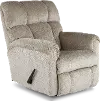
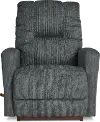
Seyler Lane Hemp Beige Rocker Recliner
0 stars (0 reviews)
$359.99
$399.99Save $40
New Arrival
Sale
Sale
New Arrival
Sale
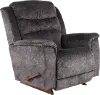
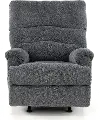
Manfort Charcoal Gray Rocker Recliner
5 stars (5 reviews)
$404.99
$449.99Save $45
Sale
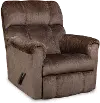
Commander Beige Rocker Recliner
0 stars (0 reviews)
$499.99
$599.99Save $100
New Arrival

#myrcwilleyhome

See how real customers are transforming their spaces with RC Willey. Get inspired, share your style, and create a space that's Your Home. Your Way.

Explore Now

Rocking Chairs — A Classic That Never Goes Out of Style

There's a reason rocking chairs have stuck around since the 1700s. The gentle back-and-forth motion is genuinely soothing, whether you're nursing a baby, reading on a quiet evening, or just unwinding after a long day. A good wooden rocking chair brings that timeless comfort into your home while still looking like a piece of furniture you'd want on display, not just something tucked in a corner.

RC Willey carries rocking chairs built for real, everyday use: solid wood construction, smooth motion, and styles that range from classic farmhouse to clean, modern lines. Whether you're furnishing a nursery, a living room, or a reading nook, there's a rocker built for the way you actually plan to use it.

Where the Rocking Chair Comes From

The rocking chair as we know it traces back to early American furniture makers, who attached curved runners to the legs of a standard chair to create that signature rocking motion. Over time, the design split into recognizable styles. The classic ladder-back rocker, with its straight, slatted backrest, became a fixture of farmhouse and colonial homes. Shaker-style rockers stripped the design down to clean, simple lines with almost no ornamentation. Windsor rockers added a curved, spindle back that's still instantly recognizable today.

What hasn't changed is the basic engineering underneath: curved wooden rockers attached to the legs, weighted and balanced so the chair tips smoothly forward and back instead of tipping over. That balance is harder to get right than it looks, which is part of why a well-built wooden rocker feels noticeably different from a cheaper one the moment you sit down.

Exploring the Rocking Chair Collection

Not every rocking chair is built for the same room or the same purpose, and RC Willey's collection reflects that range.

  • Traditional wood rockers: Classic ladder-back and spindle styles built from solid hardwood, with a straight or gently curved backrest and minimal cushioning
  • Upholstered rocking chairs: Wood frames paired with cushioned seats and backs, often in performance fabric, for extra comfort during long sitting sessions
  • Glider-rocker hybrids: Chairs that combine a rocking base with the smoother, more controlled motion typically found in gliders, popular for nurseries
  • Modern and transitional rockers: Cleaner lines, less ornamentation, and finishes that fit contemporary living rooms rather than a classic farmhouse look
Style Best For Typical Material
Ladder-back/Shaker Living rooms, farmhouse or traditional decor Solid hardwood (oak, cherry, maple)
Windsor Reading nooks, traditional or transitional spaces Solid hardwood with spindle back
Upholstered Rocker Nurseries, living rooms needing extra cushioning Wood frame with fabric or performance weave
Glider-Rocker Hybrid Nurseries, long feeding or soothing sessions Wood or metal frame, upholstered seat

What Makes a Wood Rocking Chair Worth the Investment

A solid wood rocking chair isn't just about looks. The wood species and construction quality directly affect how the chair feels and how long it lasts.

Hardwoods like oak, cherry, and maple are the most common choices for a reason. They're dense, resistant to wear, and strong enough to handle years of repeated rocking motion without loosening at the joints. Pine and other softwoods cost less but tend to show dents and wear marks sooner, especially in a high-use room. The joinery matters too : look for mortise-and-tenon or dowel construction rather than just glue and screws, since that's what keeps a rocker stable through thousands of rocking cycles.

Seat height and depth also affect comfort more than most shoppers expect. A seat that's too shallow can feel cramped during a long sitting session, while one that's too deep can leave your feet barely touching the floor. Standard rocking chair seats run between 17 and 19 inches off the ground, which works for most adult heights, but it's worth checking the specific dimensions if you're notably taller or shorter than average.

Choosing a Finish That Matches Your Room

The finish on a wood rocking chair affects more than its color. It changes how the wood feels, how it holds up over time, and how much upkeep it needs.

  • Natural oil finish: Soaks into the wood rather than sitting on top, giving a warm, matte look and a smooth, natural feel, though it benefits from re-oiling every year or two on a heavily used chair
  • Stain with a protective topcoat: Adds color while letting the wood grain show through, paired with a clear coat like polyurethane or lacquer for everyday durability
  • Painted finish: Covers the grain entirely for a clean, uniform color, ideal if you want the chair to match a specific paint palette in the room
  • Lacquer or polyurethane topcoat: Builds a hard, protective layer over stained or natural wood, standing up well to scratches and moisture with minimal maintenance
Finish Type Look Maintenance Best Fit
Natural Oil Warm, matte, shows grain Re-oil every 1 to 2 years Living rooms, low-traffic spaces
Stained + Topcoat Rich color, grain visible Wipe clean, no special products Most living rooms and bedrooms
Painted Solid, uniform color Wipe clean, avoid abrasive cleaners Nurseries, cottage or coastal styles
Lacquer/Polyurethane Glossy to satin sheen Minimal, very durable High-traffic rooms, households with kids

Styling a Rocking Chair Room by Room

Where a rocking chair goes in your home changes what you should look for almost as much as the style itself.

In a living room, a rocking chair often works best as an accent piece rather than a primary seat. A ladder-back or Windsor style in a natural or stained finish pairs well with a sofa and reads as intentional rather than out of place. Leave enough floor space around it for the rocking motion, and consider an upholstered seat cushion if it'll see regular use.

In a nursery, comfort and quiet motion matter more than classic styling. Upholstered rockers and glider-rocker hybrids are the most popular choice here, since the added cushioning and smoother motion suit long feeding and soothing sessions. A painted or lacquered finish also makes sense in a nursery, since it wipes clean easily during the messier early months.

In a reading nook or bedroom, a Windsor or Shaker-style rocker in a natural oil finish often fits best, since these spaces tend to favor a quieter, more understated look. A floor lamp and a small side table nearby round out the setup without crowding the chair's rocking clearance.

Reasons to Add a Rocking Chair to Your Home

A rocking chair earns its place in nearly any room, and the benefits go beyond nostalgia.

  • Genuinely soothing motion: The rhythmic back-and-forth movement is widely used for relaxation, and it's a go-to for nursing and soothing infants
  • Built to last: A solid hardwood rocker with quality joinery can hold up for decades, often outlasting other furniture in the room
  • Works in almost any room: Living rooms, bedrooms, nurseries, sunrooms, and reading nooks all suit a well-chosen rocker
  • Timeless style: Unlike many furniture trends, a classic wood rocking chair rarely looks dated, which makes it easier to keep for years without wanting to replace it
  • Versatile comfort: Upholstered and glider-rocker styles add cushioning and smoother motion for anyone who wants more support during longer sessions

What to Know Before You Decide

A few practical details are worth thinking through before you bring a rocking chair home.

  • Clearance space: Traditional rockers need open floor space in front of and behind the chair for the rocking motion, typically a foot or more on each side
  • Floor protection: Rocking chairs can mark hardwood or soft flooring over time, so a rug or felt floor protectors under the runners can help prevent wear
  • Weight capacity: Most quality wood rockers support 250 to 300 pounds, though it's worth confirming on heavier-duty or oversized models
  • Cushion add-ons: If the chair doesn't come upholstered, a seat cushion or rocking chair pad adds comfort without changing the chair's classic look
  • Finish-specific care: Oiled wood benefits from occasional re-oiling, while stained, painted, and lacquered finishes generally just need a soft cloth and mild soap, with no special polish or abrasive cleaners

Caring for Your Rocking Chair Over Time

A well-built wood rocking chair is meant to last for years, and a little routine care goes a long way toward keeping it that way. Dust regularly with a soft, dry cloth to keep grit from working into the finish, and clean spills promptly with a barely damp cloth rather than letting moisture sit on the wood. Avoid placing a rocker in direct sunlight for extended periods, since UV exposure can fade stains and dry out natural oil finishes faster than normal.

It's also worth checking the joints every so often, especially on a chair that gets daily use. A slight wobble usually means a joint has loosened slightly, which is normal over years of rocking motion and is typically an easy fix rather than a sign of poor construction. If the chair has a natural oil finish, plan on re-oiling it roughly once a year to keep the wood from drying out and to maintain that warm, matte look.

Frequently Asked Questions

  • What's the difference between a rocking chair and a glider? A rocking chair moves in an arc on curved runners, while a glider moves along a flat, fixed track. Rockers tend to have a more classic look, while gliders offer a smoother, quieter motion.
  • How much space does a rocking chair need? Most rockers need roughly a foot of clear space in front of and behind the chair to rock comfortably without hitting a wall or nearby furniture.
  • What wood is best for a rocking chair? Hardwoods like oak, cherry, and maple hold up best over time, since they resist the wear that comes from repeated rocking motion better than softer woods like pine.
  • Are rocking chairs good for back pain? Many people find the gentle rocking motion soothing for the lower back, and chairs with built-in lumbar support or a reclined seat angle add extra comfort for longer sitting sessions.
  • Will a rocking chair scratch my floor? It can over time, since the curved runners concentrate weight in a small area. A rug underneath or felt floor protectors on the runners helps prevent marks.
  • Can a rocking chair work in a nursery? Yes, especially upholstered rockers and glider-rocker hybrids, which add cushioning and smoother motion suited to feeding and soothing sessions.
  • How often does a wood rocking chair need maintenance? It depends on the finish. Natural oil finishes benefit from re-oiling about once a year, while stained, painted, or lacquered finishes typically just need regular dusting and occasional gentle cleaning.

See What Fits Your Space

A good rocking chair is the kind of furniture you keep for years, not just seasons. Explore RC Willey's full rocking chair collection and find the style, wood, and comfort level that fits your home.

For more seating options, browse RC Willey's full furniture selection or head straight to the chair collection to compare rockers against gliders, recliners, and accent chairs side by side.