Viewing 1 - 10 of 10 Results
View Filters
Web Exclusive
New Arrival
Sale
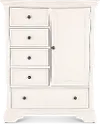
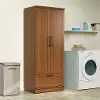
Cambridge Brown Cherry Chiffarobe
0 stars (0 reviews)
$1449.99
$1,599.99Save $150
New Arrival
Sale
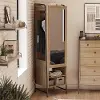
Cambridge Khaki Chiffarobe
0 stars (0 reviews)
$1449.99
$1,599.99Save $150

#myrcwilleyhome

See how real customers are transforming their spaces with RC Willey. Get inspired, share your style, and create a space that's Your Home. Your Way.

Explore Now

Armoires & Wardrobes — Storage That Doubles as Furniture

Not every home has enough closet space, and that's exactly the problem an armoire or wardrobe solves. Both are freestanding storage pieces that bring extra hanging space, shelving, or drawers into a bedroom, entryway, or living room without any construction or built-ins required. The difference between the two comes down to size, design, and how much storage variety you actually need.

RC Willey carries both styles, from clean, functional wardrobes built around simple hanging storage to larger, more decorative armoires with a mix of shelves, drawers, and hanging space. Whichever direction fits your room, the right piece can function as a closet substitute and a statement piece at the same time.

Where These Pieces Come From

The wardrobe traces back to medieval England, where it described a room or closet used to store clothing before freestanding furniture took over that job. The armoire has a different, older history: the name comes from the Latin word for a chest used to store armor, which explains why early armoires were built larger and sturdier than a typical clothing cabinet. Over the centuries, armoires evolved into ornate, decorative furniture, often hand-carved and treated as a centerpiece in a room rather than something tucked into a corner.

That history still shapes how the two are built today. Wardrobes tend to stay simple and functional, prioritizing hanging space above everything else. Armoires tend to be larger and more versatile, often combining hanging rods with shelves and drawers in one piece.

Armoire or Wardrobe? Here's the Real Difference

The terms get used interchangeably more often than they should, so it's worth being clear about what actually separates them.

Feature Wardrobe Armoire
Primary Storage Hanging rod for clothes Mix of hanging rod, shelves, and drawers
Size Generally smaller and more compact Generally larger, often a room’s focal point
Design Simple, clean lines More decorative, sometimes carved or detailed
Best For Limited space, straightforward hanging storage Versatile storage needs, multiple item types
Typical Price More budget-friendly Higher, reflecting size and added storage

The short version: if you mainly need a place to hang clothes and want something compact, a wardrobe usually fits better. If you want one piece to handle hanging clothes, folded items, and extra storage like linens or electronics, an armoire gives you more to work with. That said, the two categories overlap more than the names suggest. Plenty of pieces sold as "wardrobes" include a drawer or two, and plenty of compact "armoires" lean closer to a wardrobe's simplicity. It's worth judging any specific piece by its actual interior layout rather than relying on the label alone.

Exploring the Collection

Both armoires and wardrobes come in a range of configurations built around different storage needs.

  • Hanging wardrobes: A straightforward rod with minimal shelving, built for households that mainly need hanging storage and a simple footprint
  • Armoire with drawers and shelves: Combines a hanging section with built-in drawers and shelving, useful for households that want one piece to handle multiple types of storage
  • TV and media armoires: Designed to house a television and media equipment behind closed doors, popular for living rooms and bedrooms that want a clean look when the TV isn't in use
  • Mirrored-door styles: Wardrobes or armoires with a mirror built into one or both doors, useful in smaller rooms where a separate floor mirror isn't practical
  • Corner armoires: Angled to fit into a room's corner, making use of space that would otherwise go unused while keeping the rest of the floor plan open

Where an Armoire or Wardrobe Fits Best

These pieces aren't limited to the bedroom, even though that's where most people start their search.

In the bedroom, an armoire or wardrobe most often functions as a closet substitute, especially in older homes or apartments with limited built-in storage. A hanging wardrobe works well for households that mainly need a place for clothes, while an armoire with mixed storage suits anyone who wants one piece to also hold folded items, shoes, or accessories.

In the living room, a TV armoire offers a way to keep electronics out of sight when they're not in use, which can make a room feel calmer and less dominated by a screen. The closed-door design also helps reduce visible clutter from cords, gaming consoles, and streaming devices.

In an entryway, a smaller armoire can double as coat and shoe storage, keeping outerwear contained near the door instead of draped over furniture. In a dining room, armoires are sometimes used to store linens, extra serveware, or table leaves that aren't needed every day, functioning much like an oversized buffet with hidden storage.

What to Think About Before You Choose

A few practical factors make a real difference in which piece, and which configuration, will actually work in your space.

Door type matters more than it seems. Hinged doors are the most common option on both wardrobes and armoires, and they conceal the interior cleanly, but they need clearance to swing open. If your room is tight on space, that swing radius can be a real obstacle. Sliding doors solve this by staying flush with the piece, which makes them a better fit for smaller rooms or tight layouts, though they typically only expose one side of the interior at a time.

Storage style should match what you're storing. Shelves work best for larger, stackable items and for creating a more decorative, display-style look. Drawers handle smaller, irregularly shaped items, like folded clothing, accessories, or linens, more efficiently. A piece with a mix of both gives you the most flexibility if you're not entirely sure how your storage needs might shift over time.

Measure more than just the floor space. Beyond the footprint where the piece will sit, measure the height to make sure it clears any sloped ceilings or low doorways, and measure your hallways, stairwells, and doorframes to confirm the piece can actually make it into the room. Large armoires in particular can be tight fits through narrower entryways.

Measurement Checklist Why It Matters
Floor Space (Width and Depth) Confirms the piece fits in the intended spot with room to move around it
Ceiling Height And Door Swing Clearance Prevents a too-tall piece of a door that can’t fully open
Hallway And Doorway Width Confirms the piece can be delivered into the room
Distance To Nearest Outlet (For TV Armoires) Avoids visible cords or the need for an extension cord

Material and Construction Quality

The material an armoire or wardrobe is built from affects both its weight and its long-term durability. Solid hardwoods like mahogany, mango, and oak are the most durable options, able to handle decades of regular use, and they're typically the choice behind more decorative, carved armoire styles. Engineered wood and veneer construction costs less and still holds up well for everyday use, making it a common choice for simpler, more contemporary wardrobes.

Hardware matters too, more than it might seem at first glance. Soft-close hinges and full-extension drawer glides cost a bit more but make a noticeable difference in daily use, especially on a piece that gets opened multiple times a day. On a free-standing piece this large, it's also worth checking whether the unit comes with an anti-tip wall strap, which is a simple safety feature that anchors tall furniture to the wall to prevent tipping, particularly important in homes with young children.

Material Durability Typical Use
Solid Hardwood High, often lasts decades Decorative armoires, heirloom-quality pieces
Engineered Wood With Veneer Good for everyday use Simpler wardrobes, contemporary-styles
Painted MDF Moderate Budget-friendly wardrobes, kids’ rooms

Reasons to Add an Armoire or Wardrobe to Your Home

These pieces solve a real, common problem, and they do it without requiring any renovation.

  • Instant extra storage: Both options act as a portable closet, ideal for bedrooms with limited built-in storage or homes without enough closet space
  • No installation required: Unlike a built-in closet system, a freestanding armoire or wardrobe can be moved, rearranged, or taken with you if you relocate
  • Doubles as a statement piece: A well-chosen armoire, in particular, can serve as a focal point in a room rather than just blending into the background
  • Flexible across rooms: Beyond the bedroom, armoires work well in living rooms as media storage, entryways for coats and shoes, or even dining rooms for linens and serveware
  • Built to last: A solid wood armoire or wardrobe, properly cared for, can hold up for decades, often outlasting other furniture in the room

Good Questions Deserve Good Answers

A few more details are worth knowing before you decide.

  • Assembly: Many wardrobes and armoires arrive partially assembled, with some requiring professional assembly for larger or more detailed pieces
  • Weight and floor protection: Large wood armoires are heavy, so it's worth confirming your flooring can handle the weight and using felt pads under the legs to prevent scratching
  • Interior customization: Some models offer adjustable shelving or removable hanging rods, which adds flexibility if your storage needs change over time
  • Mirror placement: If you're choosing a mirrored-door style, consider how the mirror's position interacts with existing mirrors or windows in the room
  • Anti-tip anchoring: Tall, freestanding pieces should be secured to the wall with an anti-tip strap or bracket, especially in households with young children
  • Style longevity: A simpler, less ornate wardrobe tends to blend into more decor styles over time, while a highly decorative armoire makes more of a long-term style commitment

Frequently Asked Questions

  • What's the main difference between an armoire and a wardrobe? A wardrobe is generally smaller and focused on hanging storage, while an armoire is larger and often combines hanging space with shelves and drawers.
  • Which is better for a small bedroom? A wardrobe usually fits better in a smaller room, thanks to its more compact size and simpler footprint.
  • Can an armoire be used outside the bedroom? Yes. Armoires are commonly used in living rooms as media storage, in entryways for coats and shoes, or in dining rooms for linens and serving pieces.
  • Do these pieces require installation? No, both are freestanding and don't require the construction a built-in closet would, though some larger pieces may need assembly upon delivery.
  • What should I measure before buying? Beyond the floor space where it will sit, measure ceiling height, door swing clearance, and the width of hallways or doorways the piece needs to pass through during delivery.
  • Are sliding doors better than hinged doors? It depends on your space. Sliding doors work well in tighter rooms since they don't need swing clearance, while hinged doors give full access to both sides of the interior at once.
  • Should I secure an armoire or wardrobe to the wall? Yes, especially in homes with young children. An anti-tip strap or bracket anchors the piece to the wall and reduces the risk of tipping.
  • What's the most durable material for an armoire? Solid hardwood, such as mahogany, mango, or oak, holds up the longest, while engineered wood with veneer is a solid, more affordable option for everyday use.

Find Your Perfect Storage Piece

An armoire or wardrobe can solve a real storage shortage without any construction or built-ins. Explore RC Willey's full armoire and wardrobe collection and find the size, style, and storage configuration that fits your home.

For more storage solutions, browse RC Willey's full furniture selection or head straight to the storage and organization collection to compare armoires and wardrobes against other storage furniture side by side.