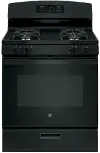
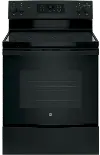
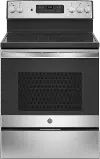
Results for: GE Ranges
#myrcwilleyhome
See how real customers are transforming their spaces with RC Willey. Get inspired, share your style, and create a space that's Your Home. Your Way.
Explore NowGE Stoves and Ranges — Trusted Cooking Performance for Every Kitchen
GE has been building kitchen appliances that American families rely on for over a century, and the GE range lineup is one of the clearest expressions of what that track record looks like in practice. Reliable burners, well-engineered ovens, a broad range of configurations and features, and a price point that covers everything from a dependable everyday gas stove to a fully-featured smart range with convection cooking and air fry — the GE stove lineup has something for practically every kitchen and every cooking style.
RC Willey carries GE ranges in both gas and electric configurations, across freestanding and slide-in designs, at prices typically ranging from $599 to $1,699. Whether you're replacing a range that's worn out or upgrading a kitchen that deserves better cooking performance, this page covers everything you need to make a confident decision. Browse all GE appliances at RC Willey and find the right range for your kitchen.
About GE Appliances
GE Appliances has been manufacturing home appliances in the United States for well over a century. The brand built its reputation on engineering reliability into products that handle the demands of daily household use — and that philosophy carries through the entire GE range lineup today. GE ranges are manufactured in Louisville, Kentucky, and the brand's service network is one of the most established in the appliance industry, which matters when you need parts, support, or service down the road.
The GE range lineup is organized into a few distinct tiers. The core GE line covers dependable, value-focused models that prioritize reliable everyday performance. GE Profile steps up with more advanced features, smarter technology, and more refined design. The Café line — a premium sub-brand — brings commercial-inspired aesthetics and precision features for households where the kitchen is a design statement as much as a cooking space. At RC Willey, you'll find GE and GE Profile ranges across both gas and electric configurations. Explore the full GE appliance lineup at RC Willey to see what's currently in stock.
What Are the Different Types of GE Stoves?
GE ranges are available in several fuel types and installation configurations. Here's what's available and how to choose between them.
GE Gas Ranges
A GE gas range uses natural gas or propane to power open-flame burners on the cooktop and a gas-heated oven below. Gas cooking gives you instant heat, precise flame control, and a cooking feel that most experienced home cooks strongly prefer — particularly for high-heat tasks like searing, stir-frying, and boiling large volumes of water quickly. Gas burners respond immediately to knob adjustments, which makes controlling delicate tasks like simmering a sauce or melting chocolate significantly more intuitive than managing the residual heat of an electric element.
GE gas ranges are available with four or five sealed burners in BTU outputs that range from a low-simmer burner designed for gentle, controlled heat to a high-output power burner rated at 15,000 to 18,000 BTUs for rapid boiling and high-heat searing. Most GE gas ranges in the mid-range and above include a convection oven with a fan-driven heating system that circulates hot air for more even baking and faster roasting.
Browse GE gas ranges at RC Willey to see available models and configurations.
GE Electric Ranges
A GE electric range uses electric heating elements — either exposed coil burners or a smooth glass-ceramic cooktop with radiant elements beneath — to heat cookware on the surface and power the oven below. Electric ranges are a practical choice for kitchens without a gas line, households that prefer the easier-to-clean surface of a smooth glass cooktop, and cooks who do more baking than stovetop cooking since electric ovens tend to produce more even, consistent oven temperatures.
GE smooth-top electric ranges are the most popular electric configuration — the flat glass-ceramic surface is easy to wipe down after cooking and gives the range a clean, contemporary look. Most mid-range and above GE electric ranges include radiant or true convection ovens, self-cleaning cycles, and in many cases an air fry mode that uses the convection fan at high heat to produce crispy results without a separate countertop appliance.
Browse GE electric ranges at RC Willey to see available models and pricing.
Freestanding vs. Slide-In GE Ranges
Beyond fuel type, GE ranges are available in freestanding and slide-in installation styles that affect both the look and the fit of the appliance in your kitchen.
Freestanding ranges have finished sides, a backguard with controls above the cooktop, and can be placed anywhere — against a wall, between cabinets, or as a standalone unit. They're the most common configuration and the easiest to install since no custom cabinet modifications are required.
Slide-in ranges are designed to sit flush between base cabinets with no side gaps, creating a built-in, custom look without the cost of a true built-in appliance. Controls are located on the front of the range rather than on a rear backguard. Slide-in models require a cut-out that matches the range dimensions and typically cost more than equivalent freestanding models.
GE Range Features Worth Knowing
Convection Cooking
Most mid-range and above GE stoves include a convection oven — a fan-driven heating system that circulates hot air throughout the oven cavity for more even heat distribution. True convection adds a third heating element near the fan for even more consistent results. Convection cooking reduces baking and roasting times by roughly 25% and produces better browning and crisping than conventional oven heat alone. For households that bake frequently or cook large meals, convection is one of the more meaningful upgrades available in the GE lineup.
Air Fry Mode
Many current GE ranges — particularly in the GE Profile line — include an air fry oven mode that uses the convection fan at high heat to replicate the results of a countertop air fryer in the full-size oven. The larger oven cavity means you can air fry a full sheet pan of food rather than a small basket's worth, which is a meaningful practical advantage for families.
Self-Cleaning Options
GE ranges offer two self-cleaning approaches. High-heat self-cleaning cycles heat the oven to approximately 900 degrees Fahrenheit, incinerating food residue to ash that can be wiped away after the cycle completes. Steam clean cycles use water and lower heat to loosen light residue for easier wiping — faster than a full self-clean cycle but less effective on heavier buildup. Both options are available across the GE lineup, with many models offering both.
Smart Connectivity
GE Profile ranges include Wi-Fi connectivity and work with the SmartHQ app, allowing remote monitoring and control, guided cooking modes, and software updates that can add new features over time. Voice control through Alexa and Google Assistant is supported on connected models. For households that have invested in a smart home ecosystem, GE Profile's connectivity integrates naturally.
Double Oven Configuration
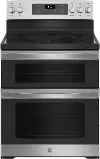
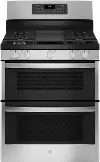
GE offers double-oven ranges — a smaller upper oven and a larger lower oven in a single freestanding footprint — that allow two dishes to cook simultaneously at different temperatures. This is a practical advantage for holiday cooking and households that regularly prepare multiple-dish meals. Double oven GE ranges are available in both gas and electric configurations.
How Much Does a GE Stove Cost?
At RC Willey, GE ranges are typically priced between $599 and $1,699, with price reflecting fuel type, configuration, feature set, and finish.
Entry-level GE freestanding gas and electric ranges in the $599 to $799 range deliver reliable everyday cooking performance with sealed burners or smooth cooktops, standard oven capacity, and basic self-cleaning. These are the right choice for shoppers who need a dependable range without paying for features they won't use regularly.
Mid-range GE ranges from $800 to $1,200 add convection cooking, more powerful burner configurations, air fry modes, and in many cases the slide-in installation style that gives kitchens a more finished look. This is where most shoppers find the best balance of performance and value.
Premium GE Profile ranges from $1,200 to $1,699 bring smart connectivity, advanced convection systems, more powerful burners, double-oven configurations, and premium finishes including stainless steel, slate, and black stainless. For households that cook frequently and want the features to match, this range delivers meaningfully better performance and cooking flexibility.
What Are Common Problems with GE Ranges?
Like any major appliance used daily, GE stoves can develop issues over time. Here are the most common ones and what typically causes them.
Burner igniter clicking continuously. On gas ranges, the igniter clicking when not in use is usually caused by moisture or food residue around the burner cap. Cleaning the burner cap and surrounding area with a dry cloth typically resolves it. If the clicking persists after cleaning, the igniter itself may need replacement.
Oven not reaching temperature or heating unevenly. This is one of the most common oven complaints across all brands, including GE. The most frequent cause is a failing bake element — the lower heating element in electric ovens — or a faulty oven igniter in gas models. A malfunctioning temperature sensor can also cause the oven to run hot or cold. In many cases the affected part is identifiable and replaceable without a full service call.
Smooth cooktop scratches or discoloration. Glass-ceramic smooth top surfaces on GE electric ranges can develop scratches from abrasive cleaners or cookware dragged across the surface, and can show discoloration from spills that aren't cleaned promptly. Using a dedicated smooth cooktop cleaner and a razor scraper for stubborn residue — rather than abrasive pads — keeps the surface in better condition longer.
Control panel errors or unresponsive buttons. Electronic control panels on GE ranges occasionally display error codes or become unresponsive. The first step is always a reset — disconnecting power at the circuit breaker for 30 seconds and restoring it clears many electronic faults. Persistent error codes should be looked up in the range's owner manual or GE's support documentation for specific guidance.
Self-clean cycle producing excessive smoke. This is normal if there's significant food residue in the oven before running a self-clean cycle. Removing large debris and wiping out loose residue before starting the cycle reduces smoke significantly. Running the range hood fan during the cycle helps manage any smoke that does occur.
How to Troubleshoot Common GE Stove Issues
Before calling for service on a GE range, a few basic checks resolve a surprising number of common complaints.
- Gas burner won't light: Check that the burner cap is seated correctly — a slightly misaligned cap is a common cause of ignition problems. Clean food debris from around the igniter with a dry toothbrush. Confirm the gas supply valve is fully open. If the igniter glows but the burner doesn't light, the igniter may need replacement.
- Electric burner not heating: For coil burner ranges, remove the burner element and reseat it firmly — loose connections are a common cause of element failure. For smooth top ranges, confirm the control is set to the correct burner and that the lock mode isn't activated. If a specific element is consistently underperforming, the element or its socket may need replacement.
- Oven not heating: For gas ovens, a failed igniter is the most common cause — you may hear the igniter attempting to light without the burner catching. For electric ovens, a failed bake element is the most frequent culprit. A visible crack or burn mark on the element confirms it needs replacement. In both cases, the affected part is typically available and replaceable by a qualified technician.
- Oven temperature inaccurate: Most GE ovens allow a temperature offset to be set through the control panel — a calibration adjustment that compensates for ovens running consistently hot or cold. Refer to the owner's manual for the specific procedure for your model. If calibration doesn't resolve significant temperature variance, the temperature sensor may need replacement.
- Power reset: For electronic issues — error codes, unresponsive controls, display problems — disconnect the range from power at the circuit breaker for 30 seconds and restore it. A full power reset clears many minor electronic faults without requiring a service call.
What Is the Life Expectancy of a GE Stove?
A well-maintained GE range typically lasts between 13 and 17 years, which aligns with the industry average for quality gas and electric ranges. Gas ranges tend to have slightly fewer mechanical components that wear out compared to electric ranges with smooth cooktops and more complex electronic control systems, which can give them a modest longevity advantage in high-use households.
The factors that most affect GE range lifespan are consistent maintenance, prompt attention to minor issues before they become larger ones, and how heavily the range is used. A range in a household that cooks multiple meals daily will see more wear than one used primarily for weekend cooking. GE's service network and parts availability are strong, which means that repairing rather than replacing a GE range that develops a specific component issue is often a practical and cost-effective choice.
How to Clean a GE Stove
Keeping a GE range clean extends its life, maintains its performance, and keeps your kitchen looking sharp. Here's how to approach cleaning across the main surface types.
- Gas cooktop: Remove burner grates and caps after the cooktop has cooled. Wash grates in warm soapy water or run them through the dishwasher if they're dishwasher-safe — check your owner's manual. Wipe burner caps with a damp cloth and allow them to dry completely before replacing. Clean the cooktop surface with a mild soap and damp cloth, working around the burner ports. Never use abrasive scrubbers on the burner ports, which can damage the igniter.
- Smooth glass-ceramic cooktop: Allow the surface to cool completely before cleaning. Apply a dedicated smooth cooktop cleaner with a soft cloth and buff in circular motions. For stubborn burnt-on residue, use a single-edge razor scraper held at a low angle to lift the residue without scratching the surface. Never use abrasive pads, steel wool, or generic spray cleaners on glass cooktops — these leave micro-scratches that accumulate over time and dull the surface.
- Oven interior: For light buildup, the steam clean cycle is the fastest option — add water to the oven floor as directed, run the cycle, and wipe out loosened residue with a damp cloth once the oven cools. For heavier buildup, the high-heat self-clean cycle is more effective — remove oven racks before running and allow several hours for the cycle to complete and the oven to cool before opening. Wipe out ash residue with a damp cloth once cooled.
- Oven racks: Most GE oven racks can be removed and cleaned in a sink with warm soapy water and a non-abrasive scrubber. For heavily soiled racks, soaking overnight in warm water with a small amount of dish soap loosens built-up grease significantly.
- Control panel and exterior: Wipe the control panel with a damp cloth and mild soap. Avoid spraying liquids directly onto the control panel — apply cleaner to the cloth first. For stainless steel exteriors, use a dedicated stainless cleaner applied in the direction of the grain to avoid streaking.
Comparing GE Gas and Electric Ranges
| Factor | GE Gas Range | GE Electric Range |
|---|---|---|
| Heat Source | Open flame – natural gas or propane | Radiant element or induction |
| Cooktop Response | Instant – adjusts immediately | Slower to heat and cool |
| Cooking Feel | Preferred by most experienced cooks | More consistent for baking |
| Cooktop Cleaning | Grates and burner caps require removal | Smooth surface – easy wipe-down |
| Installation Requirement | Gas line required | Standard 240V outlet required |
| Oven Performance | Very good – convection available | Excellent – more even heat |
| Price Range At RC Willey | $599-$1,699 | $599-$1,499 |
| Best For | Active stovetop cooking, high-heat tasks | Baking, homes without gas, easy cleanup |
What to Know Before You Decide
Does RC Willey carry GE ranges in multiple finishes? Yes. GE ranges at RC Willey are available in stainless steel, white, slate, and black stainless depending on the model and configuration. Stainless steel is the most widely available finish across the full lineup. Slate and black stainless are available primarily on GE Profile models. Confirming finish availability for your preferred model before purchasing is the best approach since not all finishes are stocked in all configurations.
Do I need a new gas line or electrical outlet for a GE range? A GE gas range requires a natural gas or propane connection with a shutoff valve within reach of the appliance location, plus a standard 120V outlet for the electronic controls and igniter. A GE electric range requires a dedicated 240V outlet — the same type used for a dryer — which is not the same as a standard household outlet. If your kitchen doesn't already have the right connection for the fuel type you're choosing, factor the cost of a licensed installation into your budget before purchase.
Can I convert a GE gas range from natural gas to propane? Many GE gas ranges include a propane conversion kit or are compatible with one purchased separately. Conversion must be performed by a qualified technician to ensure proper orifice sizing and safe operation. Confirm propane compatibility for the specific model before purchasing if this is relevant to your installation.
How long does delivery and installation take at RC Willey? RC Willey offers delivery and installation on GE ranges, including connection of the appliance and in many cases removal of your old range. Timing varies by location and availability — checking with your local RC Willey store at the time of purchase gives you the most accurate delivery window for your area.
Frequently Asked Questions
- What is the difference between GE and GE Profile ranges? GE core models prioritize reliable everyday performance at accessible price points. GE Profile adds more advanced features — true convection, smart connectivity via the SmartHQ app, air fry modes, more powerful burner configurations, and premium finishes. Profile models typically start around $900 and up and are worth the step-up for households that cook frequently and want more from their range.
- Do GE ranges come with a warranty? Yes. GE ranges typically include a one-year limited warranty covering parts and labor for defects in materials and workmanship. Extended warranty options are available at RC Willey and are worth considering for a major kitchen appliance that sees daily use.
- Are GE ranges reliable? Yes — GE consistently ranks among the more reliable appliance brands according to independent service data. The brand's service network and parts availability are strong, which means that if an issue does arise, getting it resolved is typically more straightforward than with less established brands.
- Can I use any cookware on a GE smooth top electric range? Most cookware works on smooth glass-ceramic electric ranges. Flat-bottomed pans make the best contact with the surface for efficient heating. Avoid cast iron cookware on smooth tops if it has a rough or unfinished bottom surface, which can scratch the glass. Cookware with warped or rounded bottoms heats unevenly and can cause hot spots.
- What's the difference between self-clean and steam clean on a GE oven? High-heat self-clean uses extreme heat to incinerate heavy residue to ash — effective for significant buildup but takes two to four hours. Steam clean uses water and lower heat to loosen light residue for easy wiping — faster at around 30 minutes but less effective on heavy grease or baked-on food. Most GE ranges with both options recommend steam clean for regular maintenance and high-heat self-clean for occasional deep cleaning.
- Does RC Willey carry GE double-oven ranges? Yes. GE double-oven ranges — with a smaller upper oven and a larger lower oven in a single footprint — are available at RC Willey in both gas and electric configurations. Browse GE appliances at RC Willey to see current double-oven availability.
Find Your GE Range at RC Willey
A GE stove is a kitchen investment that pays off every single day — in reliable performance, honest value, and cooking results that make the time you spend in the kitchen worth it. Whether you're drawn to the immediate control of a GE gas range or the clean surface and consistent oven heat of a GE electric range, RC Willey has the models, the finishes, and the team to help you find the right one. Browse all GE appliances at RC Willey and find your next range today.