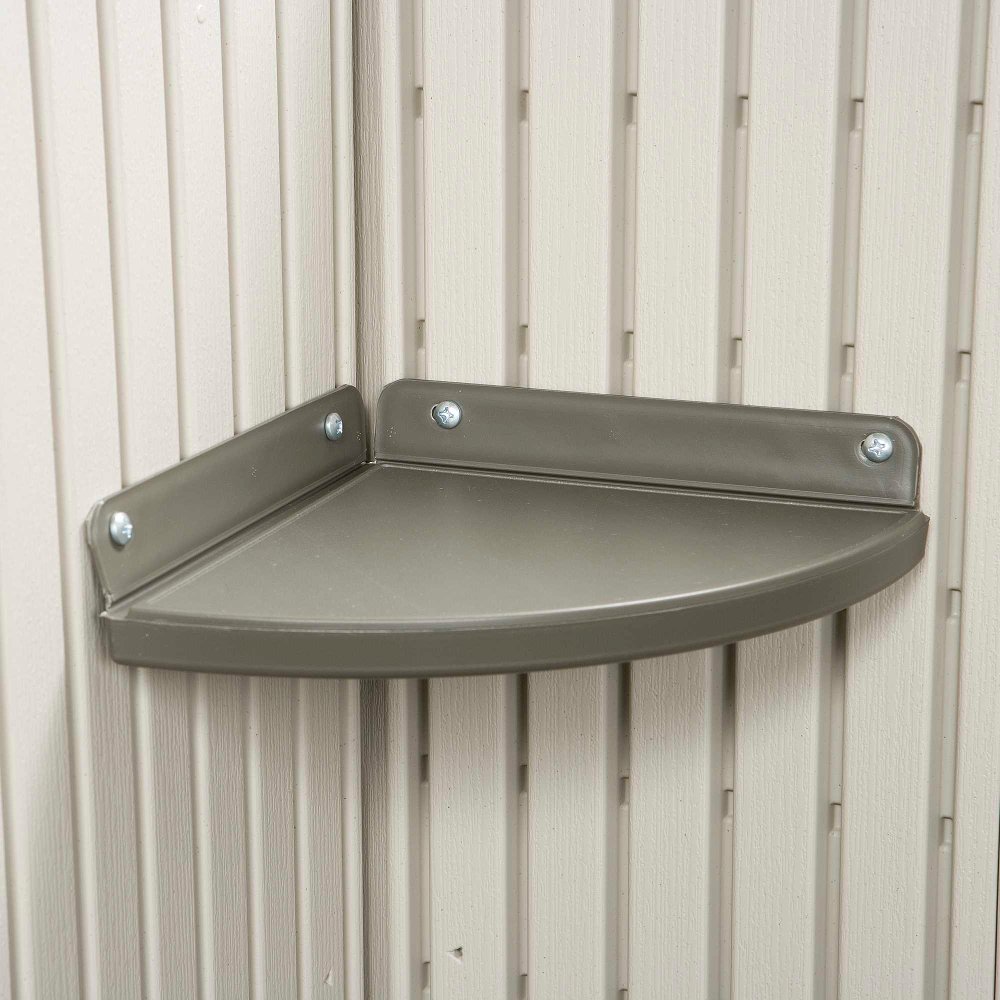
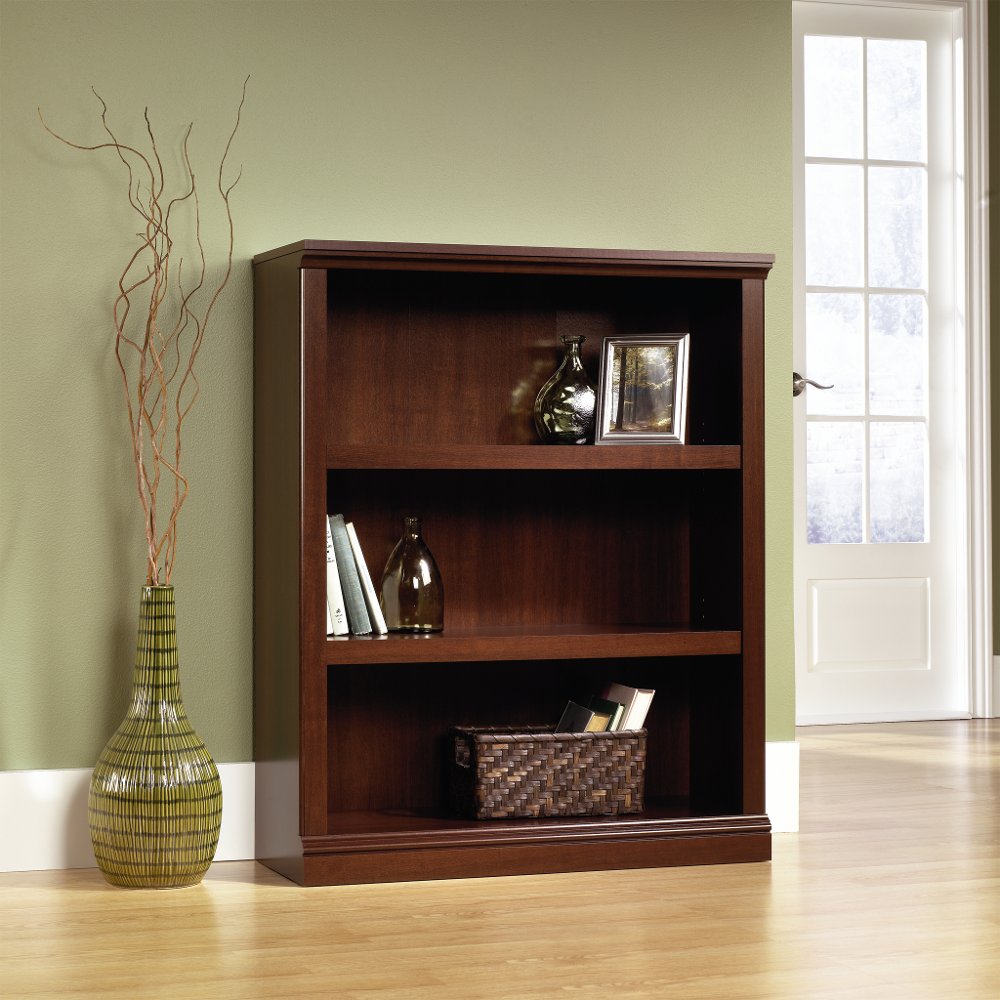
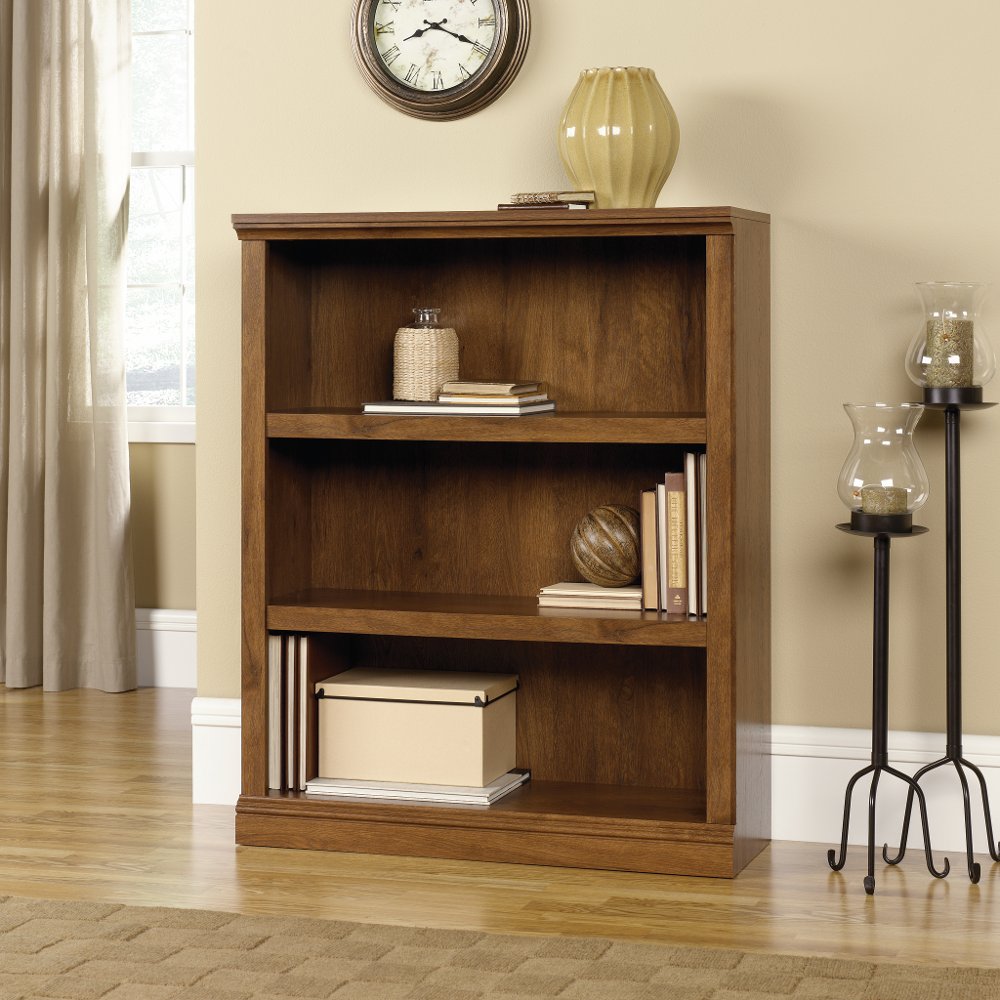
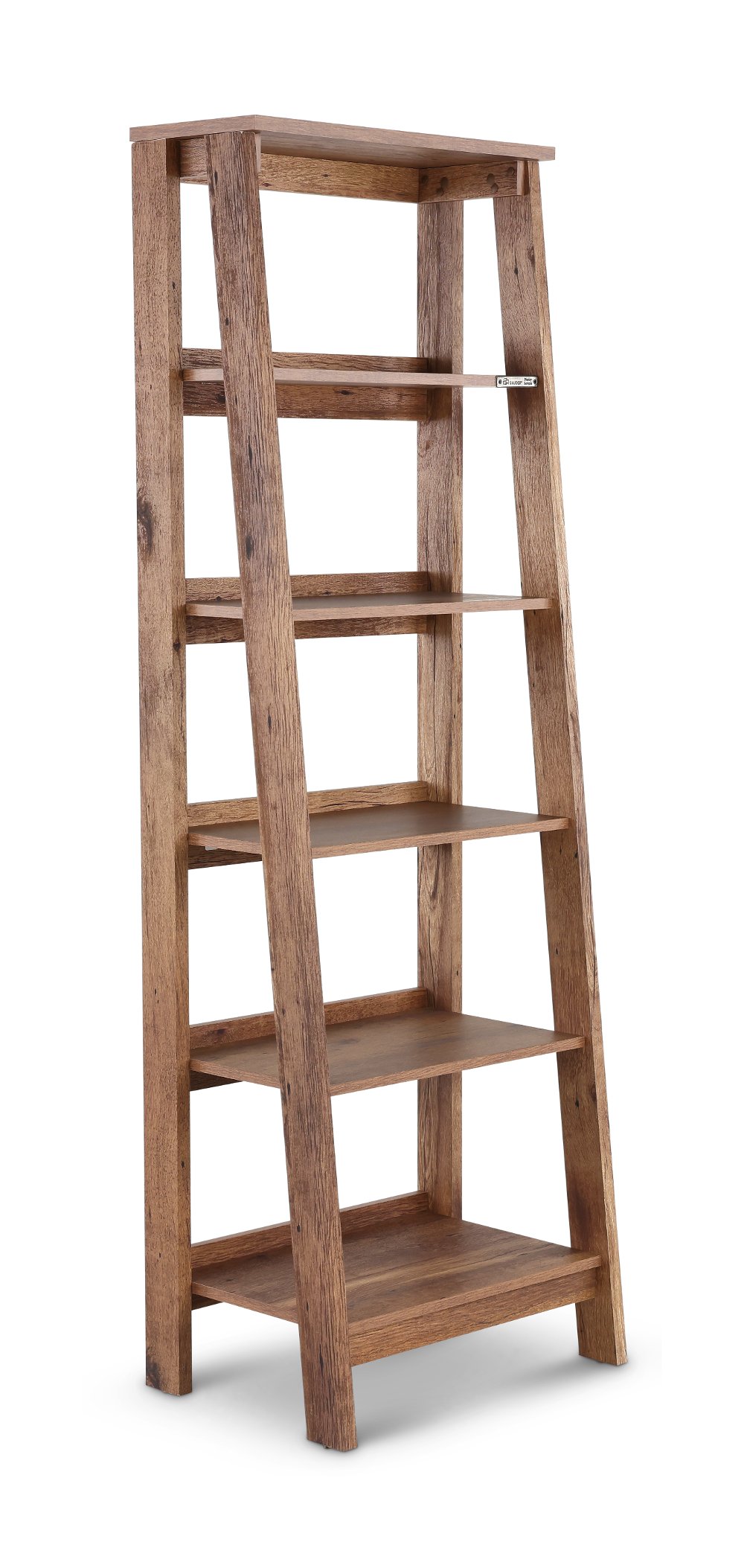
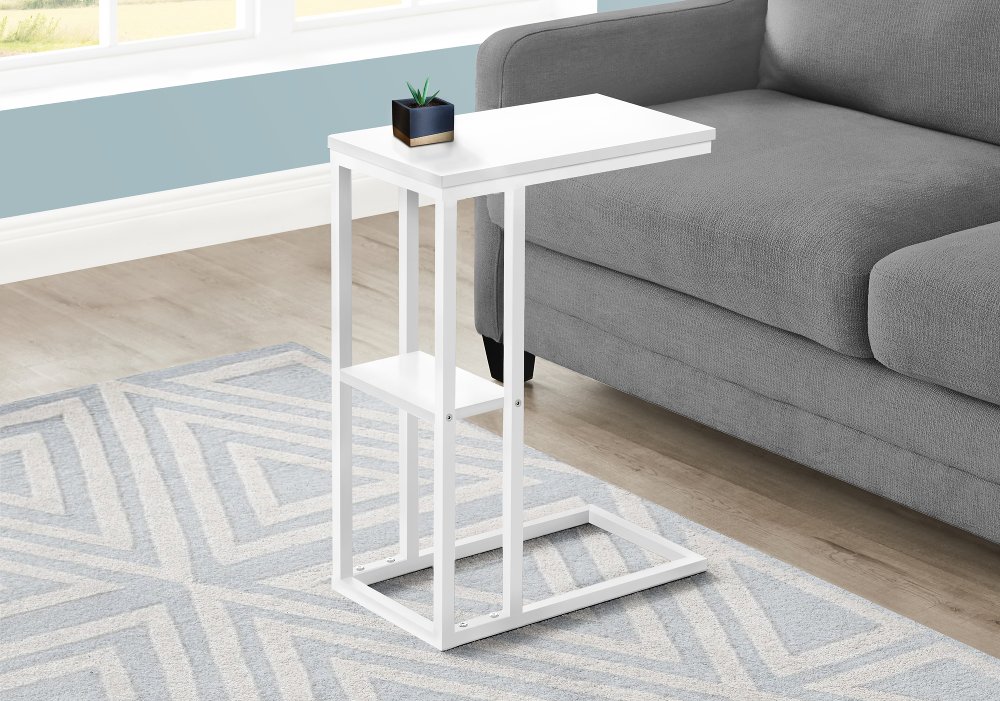
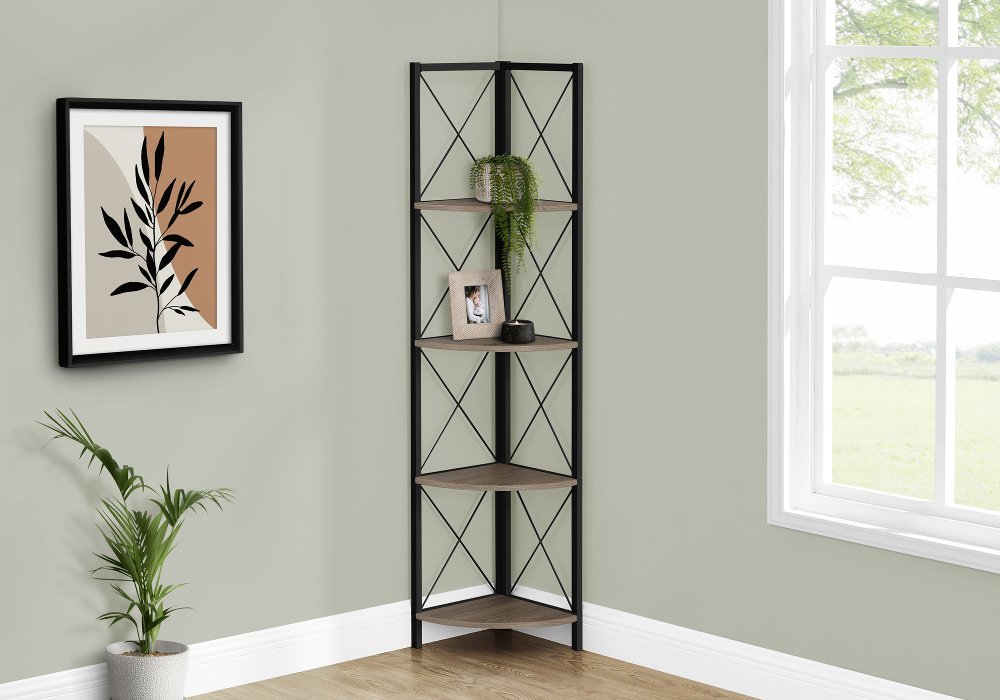
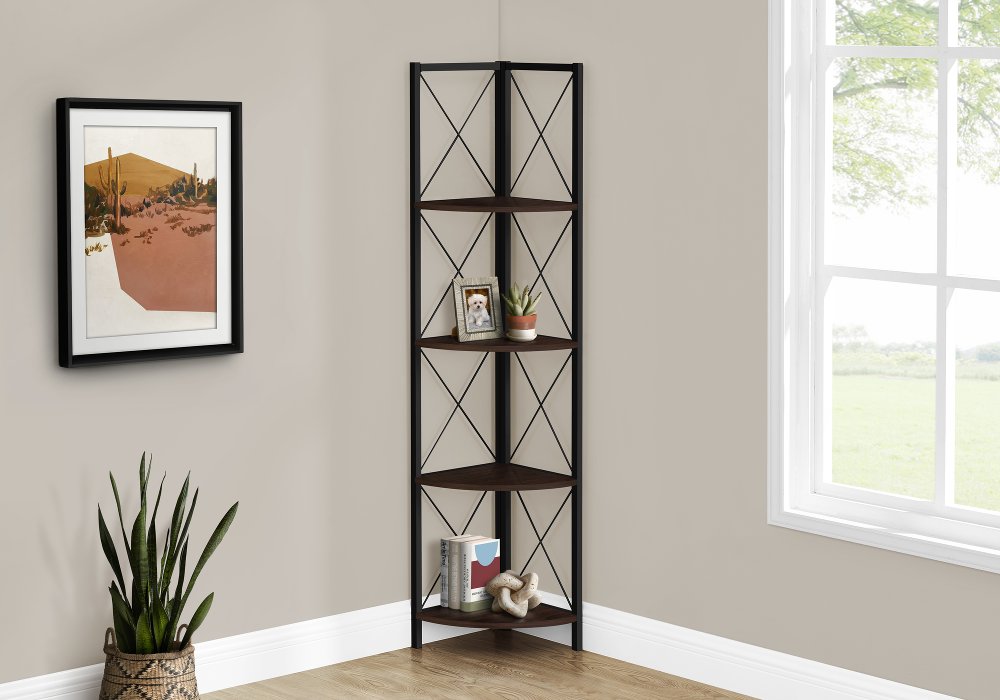
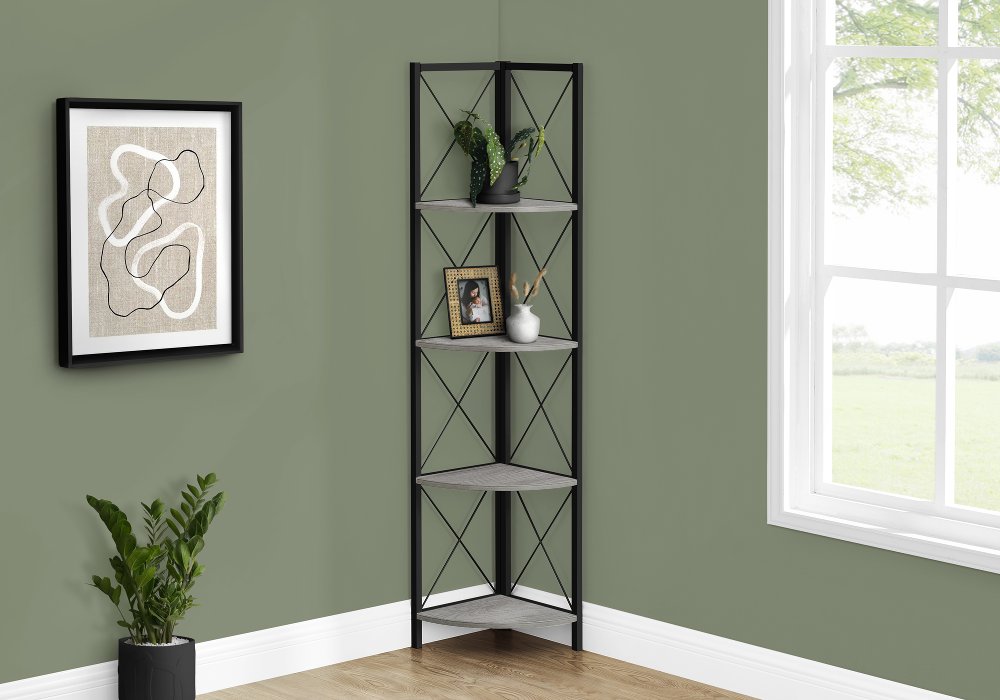
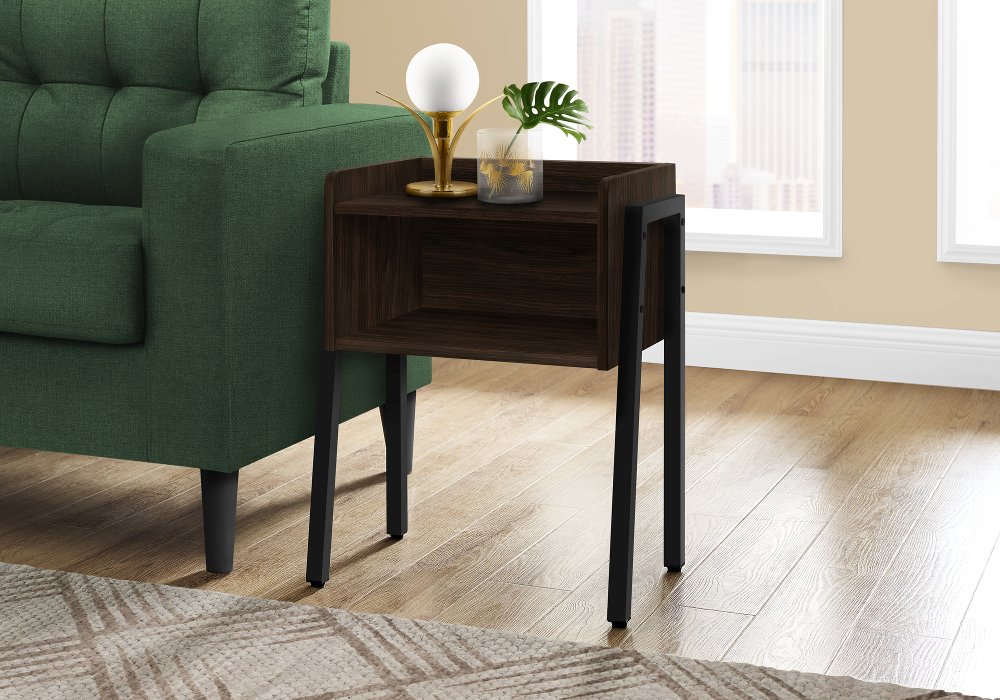
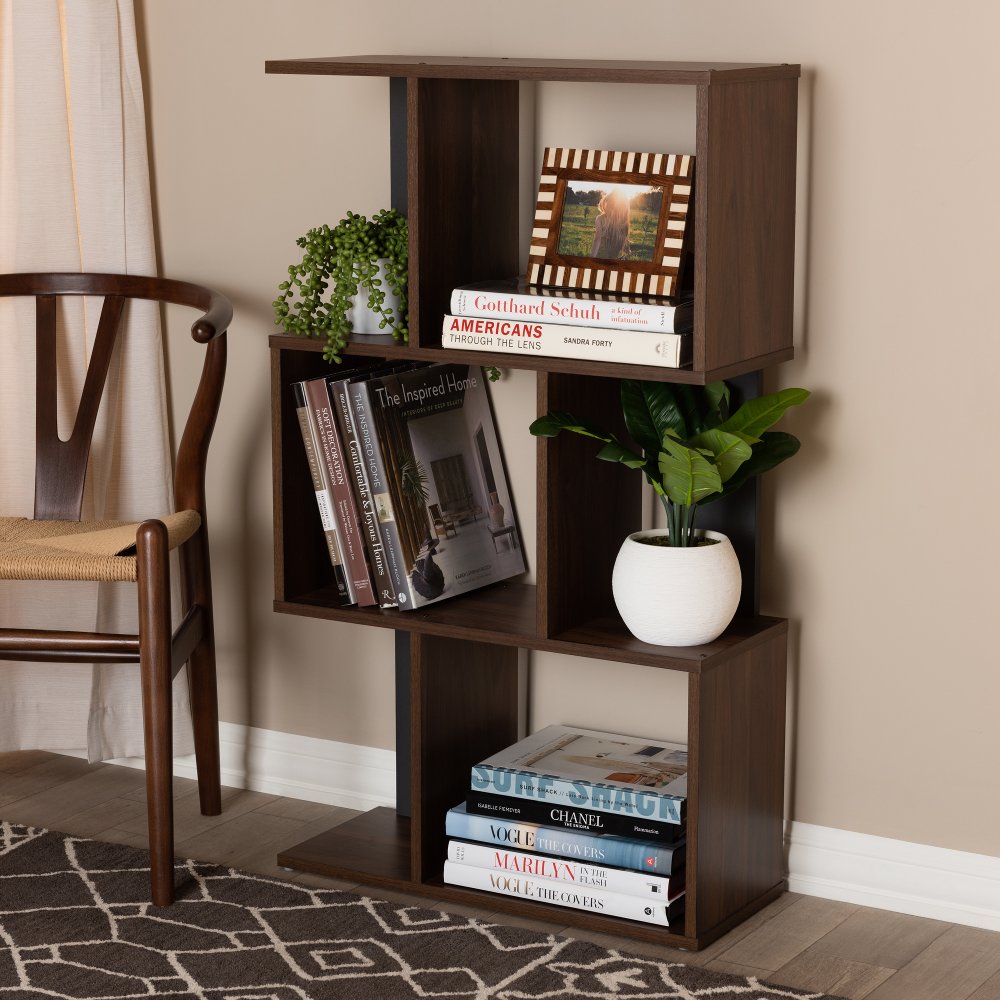
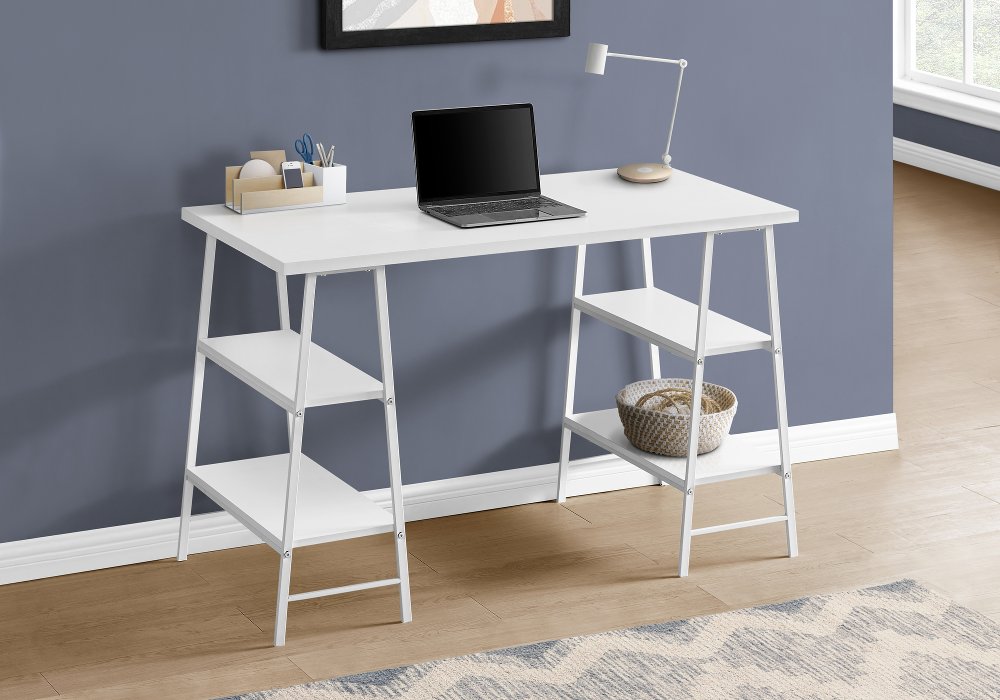
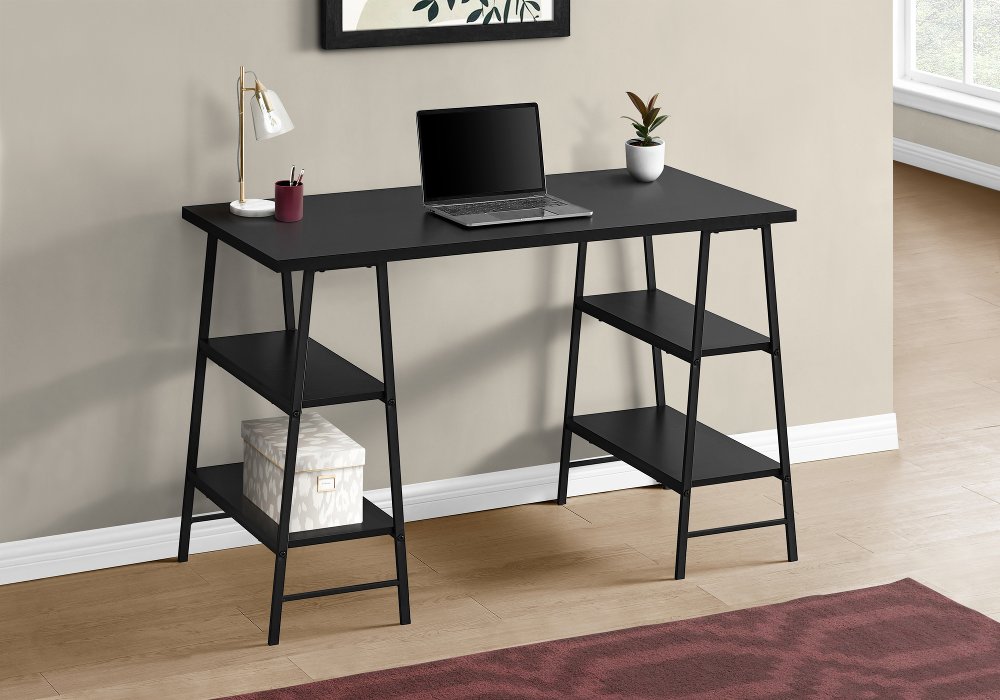
Small shelves give everyday belongings a place to land without asking you to rearrange an entire room. A few favorite books beside a reading chair, a framed photo near the entry, or a small collection of pottery above a desk can make a space feel more personal and settled. Their compact proportions work especially well in apartments, bedrooms, home offices, and those overlooked stretches of wall that feel too small for larger furniture. They’re equally useful in bigger homes, where a modest shelf can finish a corner or keep essentials close to the spot where you actually use them. Wall-mounted shelves leave the floor open, while freestanding designs give you a surface for storage and display without requiring the same kind of installation. Open shelves make it easy to see and reach what’s there, whether that’s a stack of paperbacks or a basket holding charging cords. In a bedroom, a small shelf near the bed can hold a book and glasses when there’s little room for a traditional nightstand. In a dining area, it can put favorite serving pieces on display, provided the shelf’s dimensions and weight rating suit the task. A compact unit beside a desk can separate reference books from the work surface, giving you more room to spread out. The appeal isn’t just fitting more into less space; it’s making the space you have feel easier to use. A shelf with breathing room around its contents often looks more intentional than one filled edge to edge. Mixing a few upright books with a low bowl or a meaningful keepsake adds variety without creating visual clutter. During the cooler months, that same surface can hold a seasonal photograph or a decorative accent without requiring a whole-room refresh. Small shelves offer that kind of flexibility: useful storage with enough room for your home’s personality to come through, whether your style is relaxed and layered or clean and spare.
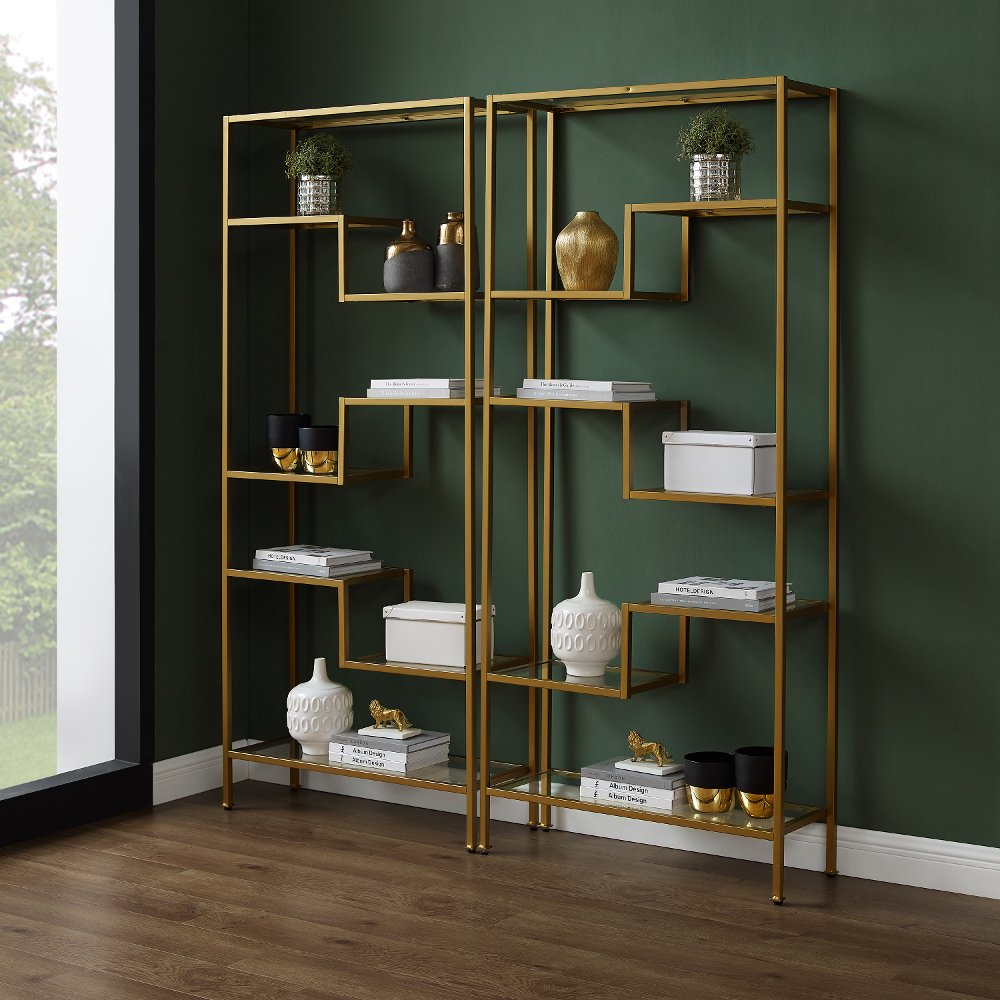
Materials and finishes help determine both the look of small shelves and how they’ll stand up to daily use. Solid wood brings natural grain and variation, with a substantial feel that suits everything from a cozy reading nook to a more traditional living room. Wood can respond to changes in humidity, so a spot away from heating vents and prolonged direct sunlight helps protect its appearance. Wood veneer offers a real wood surface over a core material, while laminate surfaces can provide a consistent finish that’s often straightforward to wipe clean according to the manufacturer’s directions. Engineered wood construction varies, making edge finishing, secure connections, and the stated weight capacity worth considering alongside appearance. Metal shelves can introduce crisp lines and a lighter visual profile, although their strength still depends on the design, joints, and mounting system rather than the material alone. Glass shelves let light pass through and can keep a compact display from feeling heavy; they also show fingerprints more readily and need care around their edges. A mix of wood and metal can balance warmth with structure, especially in rooms that already combine soft upholstery with darker hardware. Finish matters just as much as material. Pale wood tones and light painted surfaces can blend into an airy room, while dark finishes create definition against a lighter wall. An open frame allows more of the wall to remain visible, whereas a shelf with a back panel gives displayed belongings a more defined backdrop. For everyday durability, match the construction to what you plan to store. A row of hardcover books places different demands on a shelf than a few framed prints, and a plant adds the weight of its pot, soil, and water. Protective saucers help keep moisture away from the surface, but spills still need prompt attention. Routine care can stay simple: dust with a soft cloth, use only cleaners recommended for the finish, and avoid leaving damp objects directly on shelves. Those small habits help preserve the details that made the piece appealing in the first place.
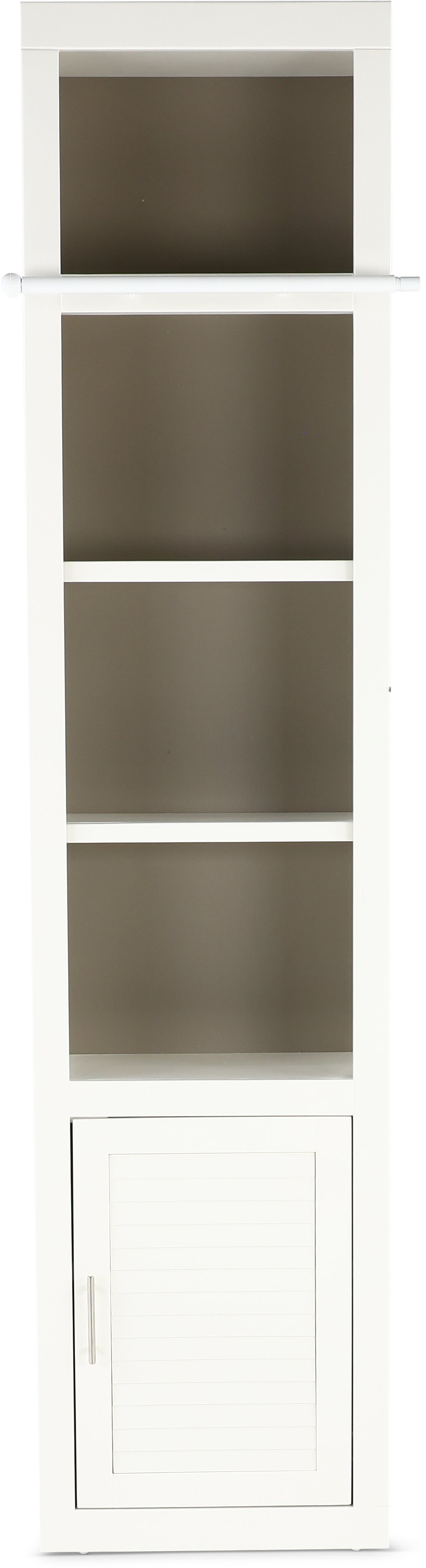
The right fit involves more than finding a shelf that slips into an empty spot. Width, depth, height, and the usable space between shelves all affect how comfortably a piece works in your home. A compact shelf may fit along a hallway wall yet project far enough to interrupt a walking path; a shallow design may keep that route clear but offer too little depth for larger books. Measuring the belongings you want to store makes those trade-offs easier to see. Allow space for door swings, nearby drawers, and access to outlets, particularly when a shelf will sit beside a desk or bed. If your main constraint is a slim stretch of floor or wall rather than overall height, narrow shelves offer another direction to consider. Small shelves can be low and compact, while a narrow design may extend upward to put more vertical space to work. Adjustable shelf spacing is helpful when your collection changes, though fixed shelves may suit a display that stays fairly consistent. For wall-mounted designs, the wall material, mounting hardware, and installation method are part of the fit, too. Follow the manufacturer’s instructions, use fasteners suited to the wall, and respect the specified load limit. Freestanding units also need a level position and any recommended anchoring, especially in homes with children or pets. Keeping heavier belongings lower helps with balance, but it doesn’t replace proper anchoring. Renters will want to check installation rules before choosing a wall-mounted option, while students and people furnishing a first apartment may appreciate pieces that can serve different purposes after a move. A small shelf can also make a thoughtful housewarming gift when you know the recipient’s space, style, and installation preferences. Its usefulness might begin with cookbooks in a breakfast nook and shift later to photos in a guest room. That versatility is what makes compact shelving a lasting addition: it can support a favorite collection, tidy a busy corner, or create a convenient landing place while leaving room for the rest of daily life.
Read More