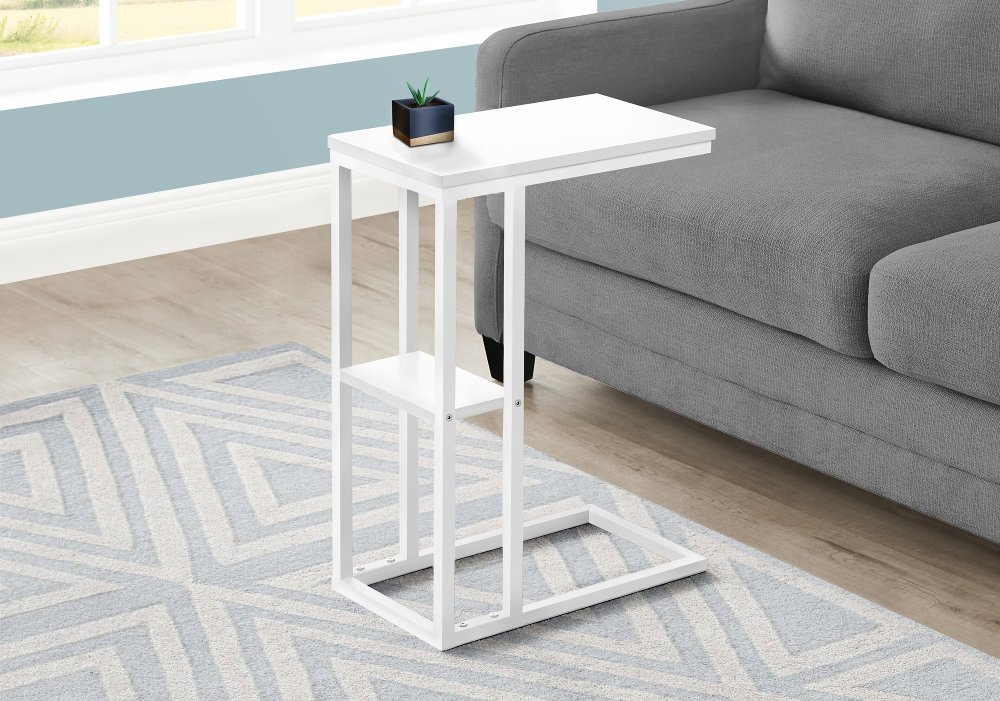
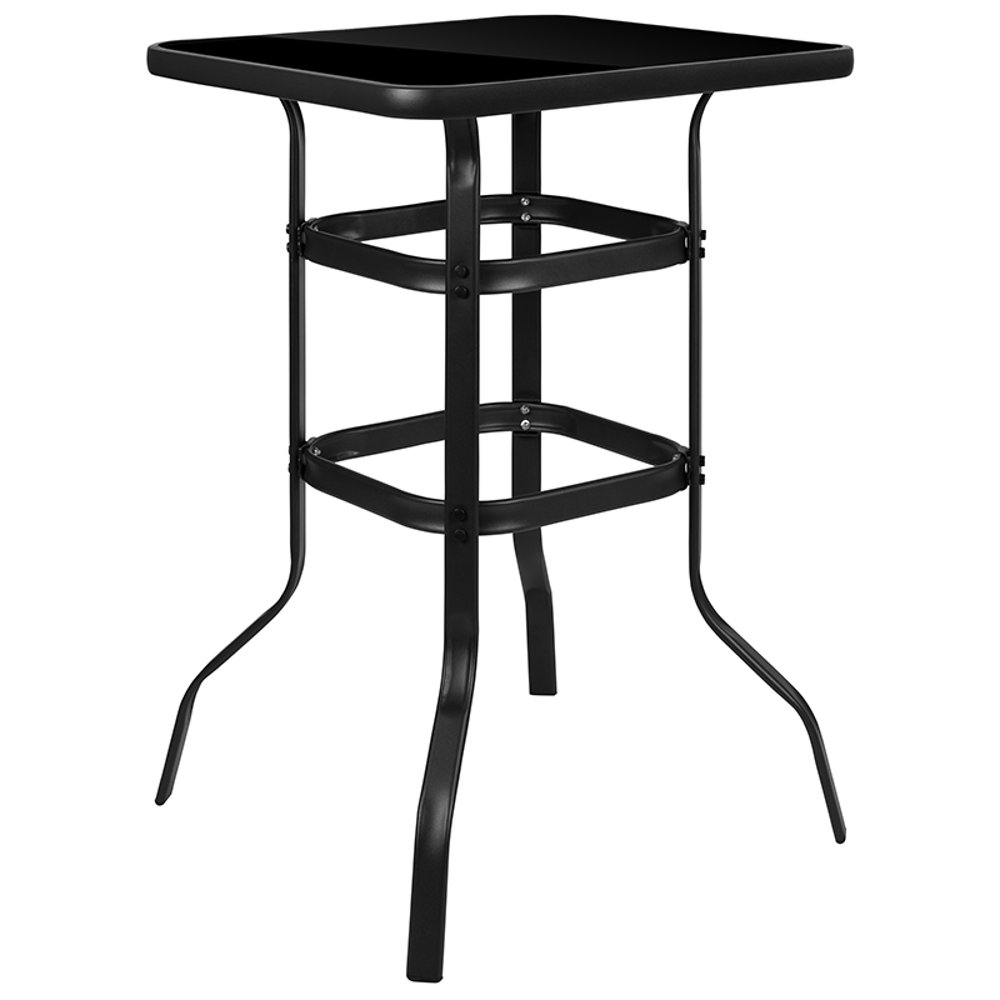
White bistro tables bring a café-style dining space into kitchens, breakfast nooks, apartments, and other areas where a full-size dining table would take up too much room. Many compact designs measure about 24 to 30 inches across, making them a practical starting point for seating two people, although usable seating depends on the tabletop, base, and chairs. A pair of coffee cups and a plate of toast need less space than two complete dinner settings, so it helps to picture the meals and everyday moments your table will hold. A white finish gives these small tables a fresh, versatile look without tying the room to one decorating style. A glossy white top with a slender pedestal can feel clean and modern, while painted wood with turned legs creates a softer, more traditional impression. Creamy whites pair comfortably with oak, woven seats, and warm textiles; brighter whites sit naturally beside chrome, black metal, and crisp upholstery. The finish also matters visually: matte surfaces tend to look understated, while polished surfaces reflect more light and draw attention to the tabletop. Round designs make an inviting spot for conversation and eliminate projecting corners, which can be helpful in a compact dining area. Square tops offer straight edges that sit neatly along a wall and work well in a defined kitchen corner. For a closer look at circular shapes, Round Bistro Tables offer another way to explore a compact dining layout. White bistro tables can serve as the main dining spot in a studio, a separate breakfast table in a larger home, or a place to share a snack near the kitchen. Their appeal comes from giving an everyday activity its own comfortable space: a seat for breakfast before work, a place to sort the mail, or a small table where two people can linger over dessert.
The material beneath a white finish makes a meaningful difference in how a bistro table feels, wears, and fits into daily life. Painted solid wood brings familiar furniture character, with joints, edges, and sometimes subtle grain adding detail beneath the color. Like other wood furniture, it benefits from prompt spill cleanup and protection from prolonged moisture and direct heat. Engineered wood with a laminate surface can provide a smooth, consistent appearance that’s convenient for everyday dining, though seams and edges still need protection from standing liquid. White metal bistro tables often have a slim profile and a casual café feel. Powder-coated steel can offer a sturdy structure, but its protective finish needs to stay intact, especially in settings where moisture is a concern. Aluminum is generally lighter and naturally corrosion-resistant, making it useful when easy repositioning matters. Resin designs can be easy to wipe clean and move, with durability depending on the material, construction, and intended use. White stone and marble tops add weight and natural variation; they also call for more attention to surface care. Marble is vulnerable to acidic spills such as lemon juice, wine, and tomato sauce, and sealing doesn’t make it acid-proof. Some white tabletops use ceramic or other manufactured surfaces, so appearance alone won’t tell you which cleaner or protective treatment is appropriate. For any material, a soft cloth, prompt attention to spills, and the manufacturer’s cleaning directions are a dependable foundation. Coasters and placemats help protect the finish, and hot dishes belong on suitable trivets rather than directly on the surface. Abrasive pads can dull or scratch some white finishes, even when they seem useful for removing a stubborn mark. If the table will sit on a patio or balcony, choose one specifically designated for outdoor use; a white color or metal frame by itself doesn’t establish outdoor suitability. Look for material and finish details that address moisture, corrosion, and sun exposure, along with any storage or covering recommendations.
A comfortable white bistro table setup depends as much on the space around the table as on the tabletop itself. Standard dining-height tables are generally about 28 to 30 inches tall, while counter-height and bar-height designs require correspondingly taller seats. The word “bistro” describes a style and scale rather than one fixed height, so check actual measurements before pairing a table with chairs or stools. Roughly 10 to 12 inches between the seat and the underside of the tabletop is a useful starting point for legroom, with aprons and support rails sometimes reducing that clearance. In a small kitchen, allow room to pull out a chair without blocking an oven, dishwasher, cabinet, or frequently used doorway. About 36 inches from the table edge to a wall or other obstruction is a common planning target, with more space helpful where people need to walk behind occupied chairs. A central pedestal can free up space around the perimeter, but its foot still needs to work with the chair legs and the way you sit. Four-legged tables create a different footprint, and closely spaced legs may limit how far chairs tuck underneath. Folding designs offer flexibility for multipurpose rooms, provided their locking mechanisms are secure during use. For frequent meals, a stable base and a top large enough for plates, glasses, and serving pieces matter more than squeezing in an extra seat. Two comfortable places usually serve a small bistro table better than four crowded ones. In shared homes, a compact table can double as a laptop spot between meals, though a shallow top may not comfortably accommodate a large monitor or a full work setup. Styling can stay simple: wood chairs soften an all-white silhouette, metal seating continues the café look, and upholstered seats add comfort for longer conversations. A low vase or small bowl leaves most of the surface useful. With the right dimensions, materials, and seating, a white bistro table creates a welcoming place to eat and connect while leaving the rest of the room easy to enjoy.
Read More