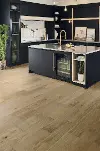
RC Willey Flooring Hardwood Flooring
Shop Engineered Hardwood at RC Willey
Schedule a free in-home engineered hardwood measure to get a personalized quote for your project.
Use your RC Willey Financing plan for easy and flexible monthly payments.
Apply Now#myrcwilleyhome
See how real customers are transforming their spaces with RC Willey. Get inspired, share your style, and create a space that's Your Home. Your Way.
Explore NowHardwood Flooring Never Goes Out of Style
There's something about hardwood floors that just feels like home. The warmth underfoot, the natural grain patterns, the way they pull a room together — it's no wonder hardwood has been the go-to flooring choice for generations. Whether you're building new, remodeling, or simply ready for an upgrade, hardwood flooring is one of the smartest investments you can make in your home.
At RC Willey, we carry a wide selection of hardwood flooring options — from classic solid hardwood to versatile engineered hardwood — in a range of species, stains, and finishes to match any style. If you're searching for hardwood flooring near you, we're here to make the process simple, enjoyable, and worth every step.
Solid Hardwood vs. Engineered Hardwood: What's the Difference?
The first decision most shoppers face is choosing between solid hardwood and engineered hardwood. Both are made from real wood, both look beautiful, and both can add lasting value to your home. But they're built differently — and that matters depending on where you're installing them and what your home needs.
Solid hardwood is exactly what it sounds like: a single, solid plank of real wood milled from top to bottom. Most solid hardwood is 3/4 inch thick and can be sanded and refinished multiple times over its lifetime — often lasting 50 to 100 years or more with proper care. It's considered the gold standard for living rooms, bedrooms, dining rooms, and any above-grade space where moisture is not a concern.
Engineered hardwood is also 100% real wood, but it's built differently. A genuine hardwood veneer sits on top of several cross-laminated layers of plywood or high-density fiberboard. This layered construction makes engineered hardwood more dimensionally stable — meaning it handles humidity and temperature changes better than solid wood. It can go places solid hardwood can't, including basements, over concrete slabs, and over radiant heating systems.
Here's a quick side-by-side comparison:
| Feature | Solid Hardwood | Engineered Hardwood |
|---|---|---|
| Construction | Single solid wood plank | Real wood veneer over plywood core |
| Refinishing | 4 to 6+ times | 1 to 3 times (depends on veneer thickness) |
| Moisture Resistance | Moderate - avoid wet areas | Better - suitable for basements and kitchens |
| Installation | Nail-down over wood subfloor | Nail, glue, or float over most subfloors |
| Lifespan | 50 to 100+ years | 20 to 40+ years |
| Best For | Living rooms, bedrooms, above-grade spaces | Kitchens, basements, radiant heat, concrete slabs |
| Typical Cost | Higher upfront | More budget-friendly options available |
Both types are excellent choices. The right one for you depends on your room, your lifestyle, and your budget.
Choosing the Right Wood Species
The species of wood you choose affects how your floors look, how they wear, and how they feel underfoot. Some woods are harder and better suited to high-traffic areas, while others are softer but bring a unique beauty to quieter spaces.
Here are the most popular hardwood flooring species and what makes each one special:
| Species | Hardness | Color Range | Best For |
|---|---|---|---|
| Oak (Red or White) | Very hard | Light tan to warm brown | Any room - most popular choice |
| Maple | Very hard | Pale, creamy tones | High-traffic areas, modern styles |
| Hickory | Extremely hard | Light to rich brown, dramatic grain | Rustic or farmhouse-style homes |
| Walnut | Medium-hard | Rich chocolate to deep brown | Bedrooms, offices, elegant spaces |
| Cherry | Medium | Light red to deep reddish-brown | Formal dining rooms, traditional styles |
Oak is by far the most popular option for good reason — it's durable, versatile, and works with nearly every design style. Hickory is the toughest of the bunch, making it a great pick for busy households with kids and pets. Walnut brings a rich, refined look that feels upscale in any space.
Why Hardwood Floors Are Worth It
- They Add Real Value to Your Home: Hardwood floors are one of the few home improvements that genuinely increase resale value. Buyers recognize and respond to the look of real wood — it's one of the most desirable features in any home on the market.
- They Last for Decades: With proper care, solid hardwood floors can last a lifetime. Engineered hardwood, while somewhat shorter-lived, still offers 20 to 40 years of beautiful performance. Unlike carpet or vinyl, hardwood doesn't need to be fully replaced when it starts to show wear — it can simply be refinished.
- They're Easy to Keep Clean: Hardwood floors don't trap dust, allergens, or pet dander the way carpet does. A regular sweep or dry mop is usually all it takes to keep them looking great. For deeper cleaning, a hardwood-safe cleaner on a damp mop does the job.
- The Style Options Are Endless: From light, airy maple to rich, dark walnut — from smooth finishes to hand-scraped textures — hardwood floors come in a huge range of looks. Whether your home is modern, farmhouse, traditional, or somewhere in between, there's a hardwood floor that fits.
- They Work with Radiant Heat (Engineered): If your home has radiant floor heating, engineered hardwood is the way to go. Its layered construction handles the heat and humidity fluctuations that come with in-floor heating systems far better than solid wood.
What You Need To Know Before You Buy
- Will hardwood scratch easily? All wood floors can scratch, but species hardness makes a big difference. Harder woods like oak, maple, and hickory stand up well to daily life. Choosing a finish with a strong protective topcoat also helps considerably. Area rugs in high-traffic zones and felt pads under furniture legs go a long way toward keeping floors looking great.
- Can I install hardwood floors over concrete? Solid hardwood typically cannot go directly over concrete because of moisture concerns. Engineered hardwood, on the other hand, can be glued or floated directly over a concrete slab — making it the right choice for basement-level rooms or homes with slab foundations.
- Are hardwood floors pet-friendly? They can be. Harder species handle pet claws better, and a quality finish adds an extra layer of protection. Keeping pets' nails trimmed and wiping up accidents quickly are the two most important habits for protecting hardwood around animals.
- How much does hardwood flooring cost? Material costs typically range from $4 to $15 per square foot, depending on the species, construction type, and grade. Installation adds to that total, but prefinished boards and engineered floating floors can reduce labor costs. RC Willey's team can help you find options that work within your budget without cutting corners on quality.
- Is hardwood flooring hard to maintain? Not at all. Regular sweeping or vacuuming with a hardwood attachment keeps daily dirt from scratching the surface. Polish the floor two to four times a year, and plan for a professional refinish every 7 to 10 years as needed. That's really the full maintenance picture.
- What rooms should I avoid putting hardwood in? Bathrooms and laundry rooms are the biggest exceptions — pooling water and constant humidity are hard on any wood floor. For kitchens and basements, engineered hardwood is a better fit than solid hardwood due to its stronger moisture resistance.
Prefinished vs. Unfinished Hardwood: Which Should You Choose?
When you're ready to buy, you'll also need to decide between prefinished and unfinished hardwood.
Prefinished hardwood comes with stain and topcoat already applied at the factory. Installation is faster, you can walk on the floor the same day it's installed, and factory finishes are often harder than anything applied on-site. The trade-off is a slight bevel at each board edge and less room to customize the final color.
Unfinished hardwood is sanded and finished after installation, which results in a perfectly smooth, seamless surface with no bevels. It also gives you more control over the exact stain color. The trade-off is a longer installation process and some downtime while the finish cures.
For most homeowners, prefinished hardwood is the more convenient and practical choice. If a truly custom look matters most to you, unfinished may be worth the extra time.
FAQs
- What is engineered hardwood flooring? It's real hardwood flooring made with a genuine wood veneer on top and a stable plywood core below. It looks like solid hardwood but handles moisture and temperature changes better, making it suitable for more areas of the home.
- Can hardwood floors be refinished? Solid hardwood can be refinished 4 to 6 times or more over its lifetime. Engineered hardwood can typically be refinished 1 to 3 times, depending on how thick the top veneer layer is.
- How do I find hardwood flooring near me? RC Willey has flooring showrooms across the western US where you can see and feel hardwood options in person before you buy. Our flooring experts are on hand to walk you through every option.
- What's the hardest wood species for high-traffic areas? Hickory is the hardest domestic species commonly used for flooring, followed closely by maple and white oak. Any of these are great choices for busy entryways, hallways, and family rooms.
- How long does hardwood flooring installation take? Most installations are completed in one to three days, depending on the size of the space and the type of flooring. Prefinished floors are ready to use immediately. Unfinished floors require additional time for sanding and finishing.
- Does hardwood flooring increase home value? Yes. Hardwood floors are consistently cited as one of the top features home buyers look for, and homes with hardwood floors tend to sell faster and at higher prices than those without.
- Is engineered hardwood better than laminate? Engineered hardwood is made from real wood and can often be refinished, while laminate is a synthetic product that cannot. Engineered hardwood also tends to feel more authentic underfoot and adds more home value than laminate.
Find Your Perfect Hardwood Floor at RC Willey
There's no substitute for seeing hardwood flooring in person. The grain, the finish, the way the light hits it — these are things a screen can only hint at. Visit your nearest RC Willey showroom to explore our full selection of solid and engineered hardwood flooring, get expert advice, and find the floor that's right for your home.