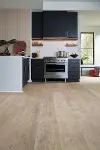
RC Willey Flooring Laminate Flooring
Shop Laminate Flooring at RC Willey
Schedule a free in-home engineered hardwood measure to get a personalized quote for your project.
Use your RC Willey Financing plan for easy and flexible monthly payments.
Apply Now#myrcwilleyhome
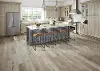
See how real customers are transforming their spaces with RC Willey. Get inspired, share your style, and create a space that's Your Home. Your Way.
Explore NowLaminate Flooring — Beautiful, Durable, and Built for Real Life
Laminate flooring has come a long way from its early reputation as a budget alternative to hardwood. Today's laminate is a sophisticated, high-performing floor covering that delivers the warmth and character of real wood — and in some cases stone or tile — at a fraction of the price. With scratch-resistant wear layers, realistic wood-grain embossing, click-lock installation systems, and a growing category of waterproof laminate flooring built for kitchens, basements, and busy households, laminate has become one of the most practical flooring choices available for modern homes.
RC Willey carries a broad selection of laminate flooring from trusted brands — in the colors, styles, and constructions that work for the way you actually live. Browse laminate flooring at RC Willey and find the right floor for your space.
What Is Laminate Flooring?
Laminate is a multi-layer synthetic flooring product engineered to replicate the appearance of natural wood, stone, or tile. It's built from four distinct layers that work together to deliver a surface that's attractive, durable, and easy to maintain.
The wear layer sits on top and is the first line of defense against scratches, scuffs, staining, and fading. Its thickness and hardness — measured using the AC rating system — determine how well the floor holds up in different traffic conditions. Beneath it, the design layer is a high-resolution photographic image of real wood grain, stone, or tile, printed with enough detail that quality laminate is genuinely difficult to distinguish from the real thing. The core layer — typically high-density fiberboard, or HDF — provides structural stability and, in waterproof laminate options, includes moisture-resistant treatments or sealed compositions that protect against spills and humidity. Finally, the backing layer balances the plank and adds a measure of moisture resistance from below.
The result is a floor that installs easily using a floating click-lock system — no nails, no glue — and delivers real performance in a wide range of rooms and conditions.
What Are the Different Styles of Laminate Flooring?
Style is one of the strongest reasons laminate has grown so popular. The category now covers a remarkably wide design range — from classically styled wood looks to contemporary stone visuals — with surface finishes and plank dimensions that give each collection a distinct character.
Wood-Look Laminate
Wood-look laminate is by far the most popular style category and covers everything from light Scandinavian oak and warm honey maple to rich espresso walnut and weathered gray barn wood. The most realistic wood-look laminate uses a technique called registered embossing — where the surface texture aligns precisely with the printed grain beneath it — so the floor feels as convincing underfoot as it looks.
Within wood-look laminate, planks are available in narrow traditional widths and wider modern formats. Wide-plank laminate — typically five inches or more — has grown significantly in popularity because it showcases the wood-grain design more dramatically and makes rooms feel more open and expansive.
Hand-Scraped and Distressed Laminate
Hand-scraped and distressed finishes add deliberate texture and character variation to the plank surface, mimicking the look of reclaimed wood or antique hardwood floors. These styles work well in farmhouse, rustic, and transitional interiors and have the practical benefit of hiding minor scratches and wear more effectively than smooth-finish options.
Stone and Tile-Look Laminate
Stone and tile-look laminate uses the same photographic printing technology to replicate the appearance of slate, travertine, marble, and ceramic tile. These styles are a strong choice for entryways, mudrooms, and kitchens where a tile aesthetic fits the design scheme but the warmth and comfort of a floating floor installation is preferred.
High-Gloss Laminate
High-gloss laminate delivers a polished, lacquered look with maximum light reflectivity. It reads cleanly in modern and contemporary interiors and pairs well with minimalist furniture and neutral color palettes. High-gloss surfaces do show smudges and fine scratches more readily than matte or satin finishes, so they tend to work best in lower-traffic areas or households without pets.
Textured and Embossed Laminate
Beyond hand-scraped styles, many laminate collections feature subtly embossed surface textures that add depth and tactile quality without the dramatic variation of distressing. Wire-brushed and lightly textured finishes fall into this category and have become popular in transitional and contemporary design schemes.
What Colors of Laminate Flooring Are Available?
Laminate flooring is available in one of the widest color ranges of any flooring category — from the lightest white oak and bleached ash tones to the deepest ebony and walnut stains, with everything in between.
Light and natural tones — whitewashed oak, pale ash, honey maple, and light birch — make rooms feel larger and brighter and pair naturally with Scandinavian, coastal, and contemporary design aesthetics. They also do a better job of concealing dust and lighter debris between cleanings.
Medium and warm tones — amber oak, golden hickory, classic cherry, and warm walnut — are the most versatile in the category and complement a wide range of wall colors, cabinetry finishes, and furniture styles. These tones have been a consistent best-seller across laminate collections for good reason.
Dark and rich tones — espresso, dark walnut, mahogany, and ebony — add depth, drama, and a sense of intimacy to a room. They pair well with lighter walls and furniture and create a strong visual foundation. The tradeoff is that darker floors tend to show dust, pet hair, and fine scratches more readily than lighter options.
Gray tones — from cool light gray to deep charcoal — have grown consistently in popularity across the past decade and remain one of the strongest trend directions in laminate. Gray laminate reads as contemporary and versatile, pairing well with both warm and cool-toned interiors.
A useful rule of thumb: lighter floors open a room up visually, while darker floors bring it in. If you're working with a smaller space and want it to feel more expansive, a light or natural tone is the smarter starting point.
Waterproof Laminate Flooring — What's Changed and Why It Matters
Traditional laminate and water were a poor combination. Standard HDF cores absorb moisture readily, and spills left too long would swell the planks, buckle the joints, and cause damage that couldn't be undone. That reputation persisted long after the technology began to change — and today's waterproof laminate flooring is a genuinely different product.
Modern waterproof laminate uses a combination of sealed core construction, wax-coated edges, and precision click-lock systems to prevent water from reaching the core material at all. Technologies like Mohawk's HydroSeal and Pergo's WetProtect are engineered to keep water on the surface — where it can be wiped up — rather than allowing it to migrate through seams and edges. Many products in this category carry spill protection ratings of 24 to 72 hours, meaning a standing puddle won't damage the floor if it's cleaned up within that window.
The practical result: waterproof laminate flooring is now a credible option for kitchens, mudrooms, basements, and laundry rooms — spaces where standard laminate was always a risk. If moisture resistance is a priority for your installation, look specifically for products labeled waterproof rather than water-resistant, which offers a more limited protection window.
Understanding AC Ratings
The AC rating system — developed by the North American Laminate Flooring Association — measures how well a laminate floor resists wear, impact, staining, and other stresses. It's the clearest way to match a product's durability to your specific situation.
| AC Rating | Traffic Level | Best Application |
|---|---|---|
| AC1 | Light residential | Bedrooms, closets |
| AC2 | General residential | Living rooms, dining rooms |
| AC3 | Heavy residential | All residential areas, light commercial |
| AC4 | General commercial | High-traffic homes, offices retail |
| AC5 | Heavy commercial | Extremely high-traffic spaces |
For most homes, AC3 is the practical minimum for main living areas. Households with pets, young children, or high foot traffic benefit from AC4 rated products — and the difference in cost is typically modest relative to the improvement in durability.
What Are the Pros and Cons of Laminate Flooring?
Laminate is one of the most balanced flooring options available, but it's not right for every situation. Here's an honest look at both sides.
The pros are strong. Laminate delivers the look of hardwood, stone, or tile at a significantly lower cost — both in material and installation. It's scratch-resistant and holds up well in active households with kids and pets. It doesn't require waxing, polishing, or refinishing — regular sweeping and occasional damp mopping is all the maintenance it needs. The click-lock installation system makes it one of the more DIY-friendly flooring options available. And with modern waterproof options, it can now go in rooms where it previously couldn't.
The limitations are worth knowing. Laminate cannot be refinished or sanded down the way solid hardwood can — a damaged plank needs to be replaced rather than repaired. Standard (non-waterproof) laminate is still sensitive to prolonged moisture exposure and isn't appropriate for wet areas without the right product specification. Some laminate can sound hollow underfoot if installed without adequate underlayment — a quality pad makes a noticeable difference. And while high-end laminate is increasingly convincing, it won't fully replicate the feel of authentic hardwood for shoppers who prioritize that tactile quality.
What Is the Downside to Laminate Flooring?
The most common limitation shoppers encounter with laminate comes down to three things. First, it can't be refinished — once the wear layer is compromised, the plank needs replacement. Second, standard laminate is moisture-sensitive, which is why matching the right product specification to the right room matters. Third, laminate adds height to the floor, which can create transition challenges at doorways and between rooms with different flooring types. These are manageable considerations rather than dealbreakers, but they're worth factoring into your decision before you buy.
How Long Does Laminate Flooring Last?
Quality laminate flooring typically lasts between 15 and 30 years, depending on the AC rating, installation quality, subfloor conditions, and how well it's maintained. Higher-rated products installed over a properly prepared subfloor with quality underlayment tend to reach the upper end of that range. Entry-level laminate in high-traffic areas without adequate care may fall shorter. Most reputable brands back their products with residential warranties of 15 to 30 years — sometimes lifetime — which is a useful indicator of manufacturer confidence in the product's longevity.
What Flooring Is Better — Laminate or Vinyl?
This is one of the most common questions shoppers face, and the honest answer is that it depends on what you're prioritizing.
Vinyl plank flooring — particularly luxury vinyl plank, or LVP — is typically 100% waterproof throughout the entire product, making it the better choice for bathrooms and rooms with consistent moisture exposure. Laminate, even waterproof versions, has more nuance in moisture protection.
Laminate, on the other hand, tends to offer more realistic wood-look visuals at comparable price points, better scratch resistance in many cases, and a more solid, hardwood-like feel underfoot. For rooms where moisture isn't a primary concern, many shoppers prefer laminate for its aesthetic quality and durability.
| Factor | Laminate | Luxury Vinyl Plank |
|---|---|---|
| Waterproof | Waterproof options available | 100% waterproof throughout |
| Wood-Look Realism | Excellent, especially premium options | Very good |
| Scratch Resistance | Excellent - aluminum oxide wear layer | Very good |
| Feel Underfoot | Solid, hardwood-like | Slightly softer, more flexible |
| Best For Wet Areas | Waterproof laminate for limited moisture | Better for consistent moisture |
| Cost | Comparable | Comparable |
| Refinishing | Cannot be refinished | Cannot be refinished |
The right choice depends on your room, your lifestyle, and your aesthetic priorities. If waterproofing is the top concern, vinyl is the safer specification. If visual realism and scratch resistance matter most, laminate holds its own at every price point.
How Do You Maintain Laminate Flooring?
Laminate is one of the lowest-maintenance floor coverings available. Daily care is straightforward — sweep or vacuum regularly to remove grit and debris that can scratch the wear layer over time. Use a soft-bristle attachment rather than a beater bar, which can damage the surface.
For deeper cleaning, a lightly damp microfiber mop with a pH-neutral laminate cleaner is all that's needed. Avoid soaking the floor with excess water, especially on non-waterproof products. Steer clear of steam mops, which can force moisture into seams and cause swelling. Don't use oil-based soaps, wax, or polish — these leave residue that dulls the finish. Place felt pads under furniture legs to prevent scratching, and use mats at entryways to reduce the amount of grit tracked onto the floor from outside.
Questions Worth Asking — Answered
- Can laminate flooring be installed over existing flooring? In most cases, yes. Laminate's floating installation system allows it to go over existing hard floors like tile, vinyl, and even some hardwood, provided the existing surface is clean, level, and structurally sound. Check the manufacturer's installation guidelines before proceeding — subfloor height and transition considerations both matter.
- Do I need underlayment under laminate flooring? Most laminate products require underlayment, and many come with it pre-attached to the plank. A quality underlayment reduces hollow sound underfoot, provides a moisture barrier from below, and improves comfort. For installations over concrete, moisture-barrier underlayment is especially important.
- Is laminate flooring a good choice for homes with pets? Yes — laminate is one of the better flooring choices for pet households. Its scratch-resistant wear layer handles claws well at AC3 and above, it doesn't trap pet dander the way carpet does, and waterproof options handle the occasional accident without lasting damage. Darker tones do show pet hair more readily — lighter or mid-tone options are easier to maintain in that regard.
- Can laminate flooring be installed in a basement? Yes, with the right product. Waterproof or water-resistant laminate with a moisture-barrier underlayment is the appropriate specification for basement installations where humidity and occasional moisture are a concern. Standard laminate is not recommended in below-grade spaces.
- What thickness of laminate is best for a residential installation? For most homes, 10mm to 12mm is the recommended range. Thicker planks feel more solid underfoot, better bridge minor subfloor imperfections, and typically provide better sound dampening than thinner options. 8mm is a workable minimum for bedrooms and lower-traffic spaces.
Find Your Laminate Flooring at RC Willey
Laminate flooring gives you the warmth and character of hardwood, the durability to handle real family life, and the ease of maintenance that makes it practical for years to come. Whether you're looking for waterproof laminate for a kitchen remodel or a wide-plank wood-look floor for a living room refresh, RC Willey has the selection to get you there. Explore laminate flooring at RC Willey and find the right floor for every room in your home.