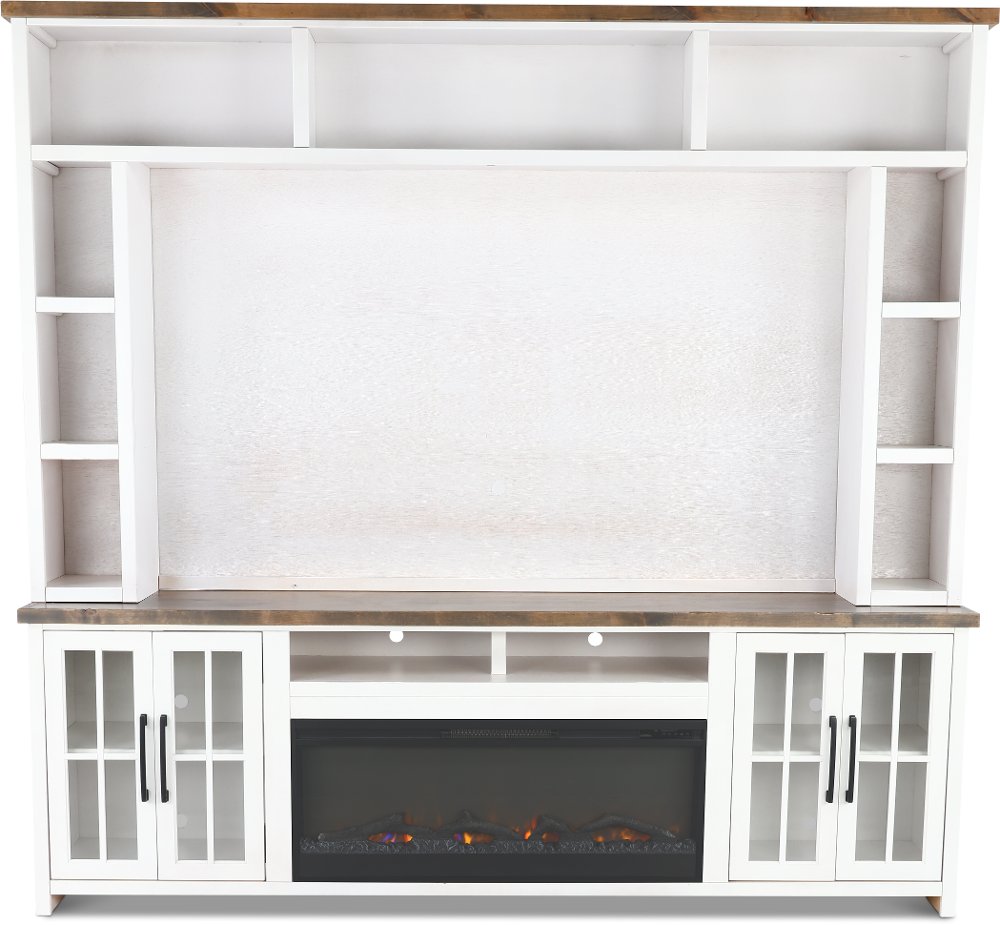
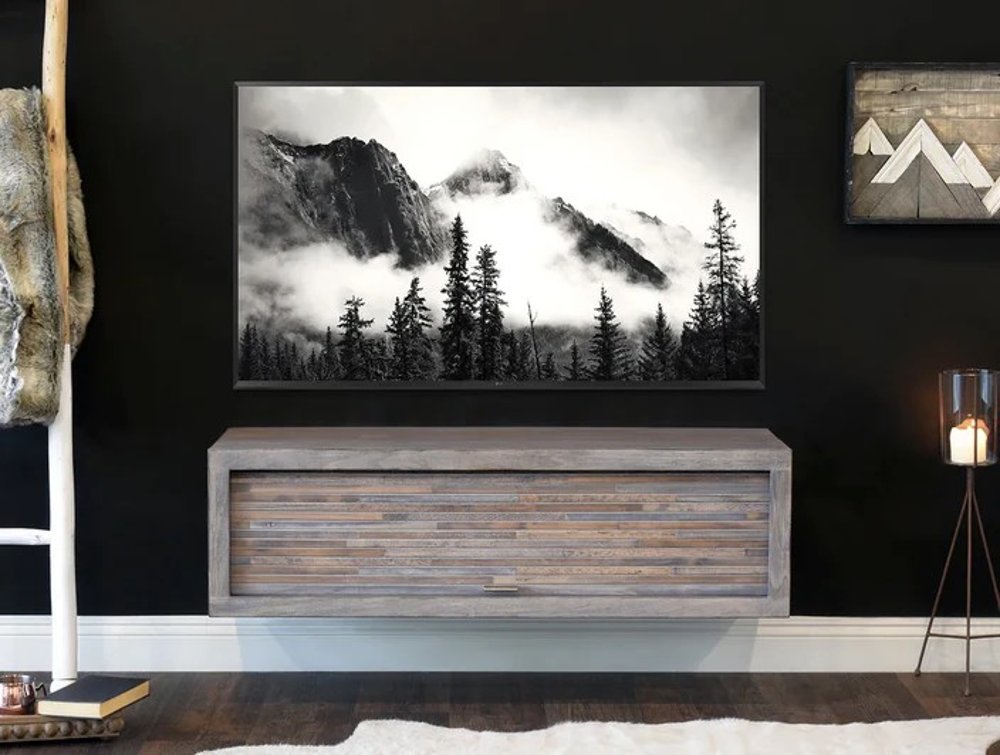
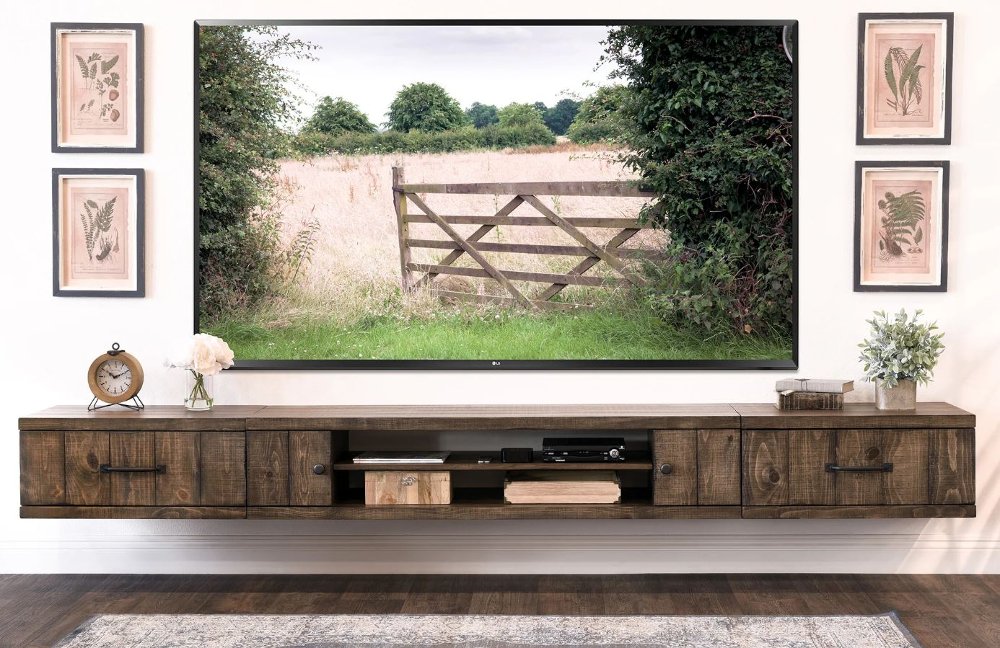
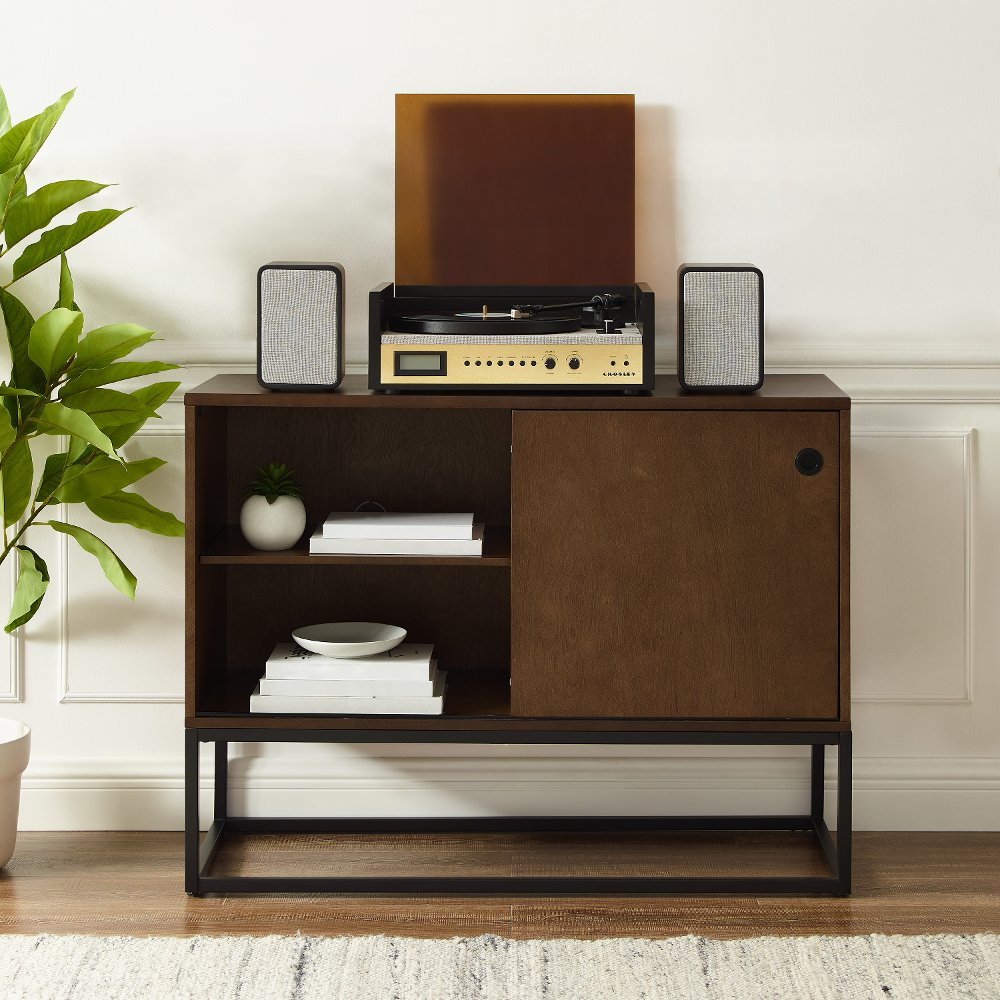
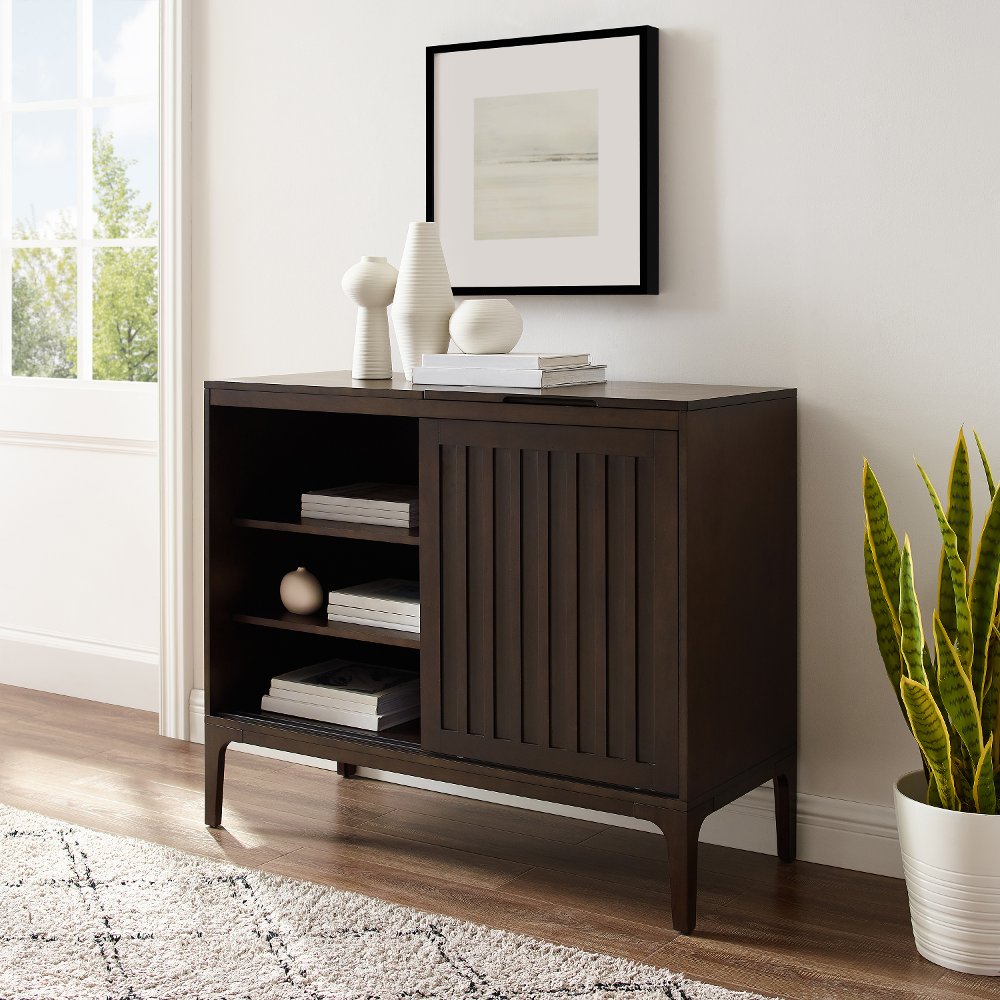
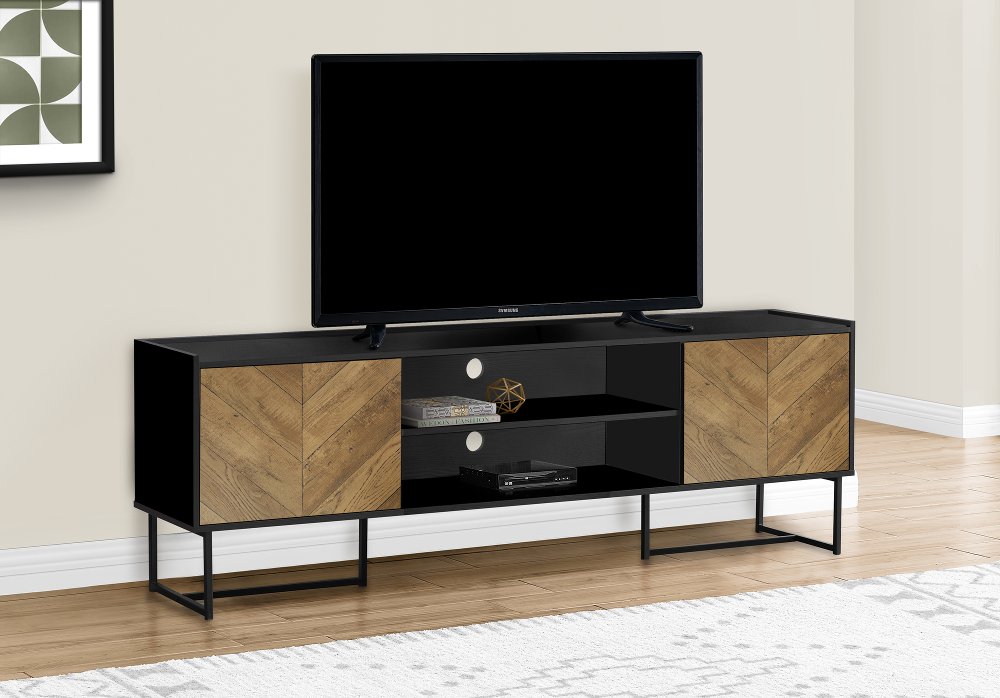
Adjustable entertainment centers give your TV, media equipment, and everyday living room essentials a home that can adapt to your space. Depending on the design, that flexibility may come from an expanding console base, separate storage towers, movable shelves, or an integrated TV mount with adjustable positioning. Each feature serves a different purpose: an expanding base changes the furniture’s overall width, modular components let you arrange storage around a screen, and adjustable shelves make room for equipment of different heights. Not every entertainment center offers all three, so the most useful choice is the one that adjusts where you need it to. A household with gaming systems may benefit most from roomy, repositionable shelves, while someone furnishing a wide living room wall may prefer a console flanked by separate piers. In a smaller apartment, a compact configuration can keep the TV area organized without crowding the path between the sofa and doorway. Some designs accommodate corner placement, though the furniture’s shape and required clearances still need to suit the room. Open shelving keeps frequently used accessories within reach and leaves space for a few books or framed photos. Cabinets and drawers tuck away controllers, charging cables, and other small essentials that can quickly collect around a screen. A combination of open and closed storage often works well for a shared family room, balancing easy access with a calmer appearance. If a coordinated arrangement suits your space, entertainment center pieces can help you consider how consoles, side towers, and other components might work together, provided their dimensions and assembly requirements are compatible. For movie nights, casual television viewing, or a dedicated gaming area, the goal is straightforward: enough support for the screen, practical space for the equipment, and storage that fits the way you actually spend time at home. Adjustable furniture is especially helpful when those needs change, but its flexibility should always stay within the manufacturer’s approved configurations.
Fit starts with the furniture’s measurements and your television’s actual dimensions, not just its advertised screen size. TV sizes describe the screen’s diagonal measurement; the full width, height, weight, and placement of the feet determine whether a television can sit safely on a console. The supporting surface should accommodate the entire TV base without overhang and meet the stated weight requirements. For an expanding entertainment center, compare both the minimum and maximum widths with your available wall space, and confirm which sections are intended to support a television or heavy equipment. An extended side section may have a different load limit from the main cabinet. Measure the space at floor level, accounting for baseboards, outlets, and nearby doorways, then leave enough room for cabinet doors and drawers to open comfortably. In a modular wall arrangement, check the opening between towers and beneath any bridge against the TV’s full dimensions and required clearances. Adjustable shelves deserve the same attention. Shelf depth needs to accommodate a receiver or gaming console along with its plugs and the space cables need to bend naturally. Follow each device manufacturer’s ventilation requirements rather than filling every inch of a compartment; a tightly packed cabinet can restrict airflow even when the equipment technically fits. Cable openings are most helpful when they remain accessible in the configuration you plan to use, especially if the console expands or the side components move. A soundbar also needs a clear position where it won’t block the screen or interfere with the TV’s remote sensor. For entertainment centers with an integrated mount, verify the television’s mounting pattern, weight, and compatibility with the bracket, along with the mount’s permitted height or swivel adjustments. Picture the screen from your usual seat before settling on a position. Comfortable viewing depends on the relationship between the sofa and screen, not simply on how high the mount can go. These checks make the difference between storage that looks spacious and a setup that works smoothly once every device is connected.
Materials and construction shape how an adjustable entertainment center looks, feels, and holds up to everyday use. Solid wood brings natural grain variation and character, while wood veneer provides a real-wood surface over a supporting core. Engineered wood can offer a consistent surface for painted finishes, laminates, or veneers, and metal frames can add a clean-lined contrast. Glass shelves or doors create a lighter appearance, though fingerprints and dust may be more noticeable on those surfaces. No material alone guarantees durability; sturdy joints, suitable hardware, well-supported shelves, and careful assembly matter just as much. With adjustable designs, pay particular attention to how shelf pins seat, how expanding sections stay supported, and how components lock or fasten into position. A shelf holding a few paperbacks has different demands from one supporting a substantial receiver, so respect the load rating for each surface. Finish choice can also make daily upkeep easier. Wood tones add warmth, painted finishes can blend with nearby cabinetry, and darker surfaces may make dust more visible. A soft cloth and the manufacturer’s recommended cleaning method are usually the best starting point; avoid soaking surfaces, and wipe up spills promptly, especially around seams and edges. Use cleaning products suited to each material rather than applying one cleaner across wood, metal, and glass. Keep vents and cable openings clear of dust, and check accessible hardware periodically as directed. Before changing shelf positions or adjusting the unit’s width, remove the television and stored equipment as needed and follow the assembly instructions. Secure furniture and televisions against tip-over according to their manufacturers’ guidance, particularly in homes with children or pets, and keep tempting toys off high shelves. The best adjustable TV storage feels settled even though it offers room for change. It gives controllers an easy-to-reach drawer, leaves breathing room around electronics, and lets favorite decorative pieces share the wall without competing with the screen. That balance makes an entertainment center a useful part of the room, whether you’re furnishing a first apartment or bringing better organization to a busy household.
Read More