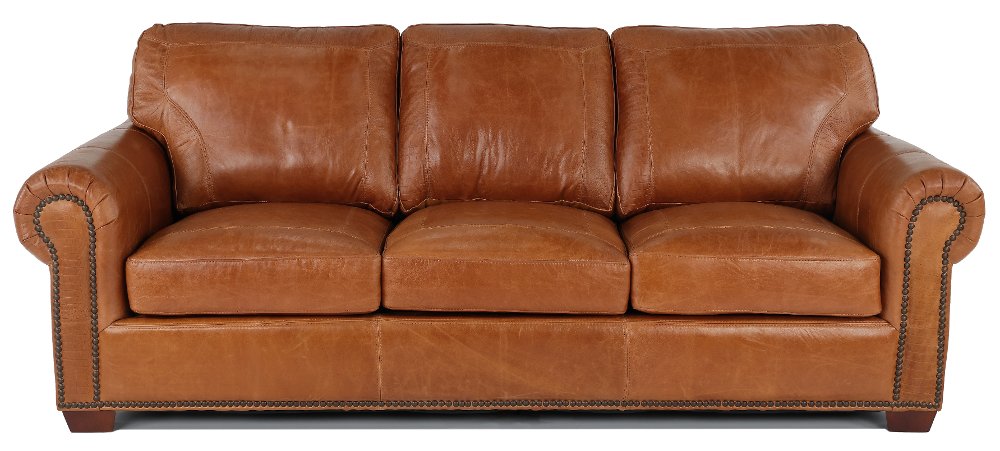
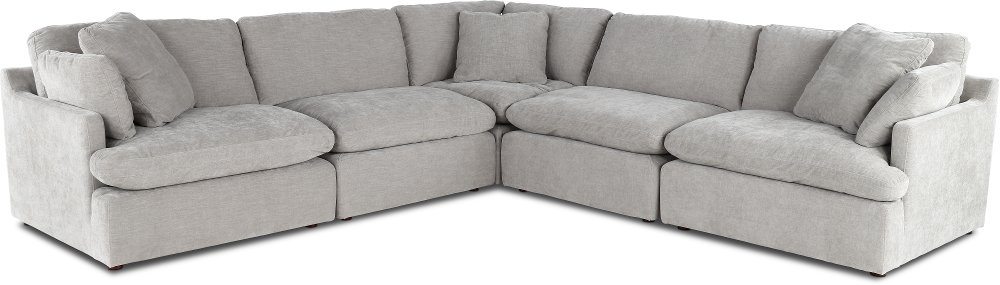
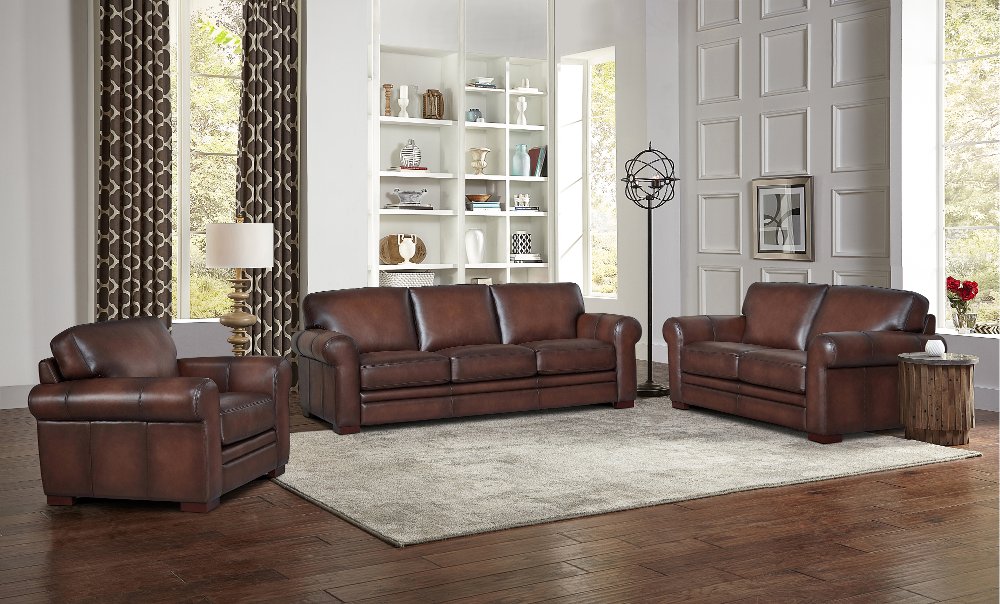
Comfortable leather sofa sets bring coordinated seating, a distinctive texture, and room to relax into the spaces where everyday life happens. A set typically combines a sofa with a loveseat, chair, or other complementary seating, making it easier to create a living room that feels pulled together without making every piece identical. Comfort comes from the whole design—not just soft upholstery. Seat depth, cushion firmness, back height, arm placement, and the support beneath the cushions all affect how a sofa feels after more than a few minutes. Deep seats suit people who like to tuck their legs underneath them or stretch out with a book, while shallower seats can make it easier to sit upright with feet resting on the floor. Taller backs offer more support for lounging, and padded arms provide a comfortable place to rest an elbow during a conversation. Plush cushions can feel inviting, but a firmer seat may be a better match for someone who prefers steady support or finds low, sink-in seating difficult to get out of. Foam density and firmness aren’t the same thing: Density describes how much material the foam contains, while firmness describes how much resistance it offers when compressed. Cushion fill, suspension, and frame construction work together to shape both the initial feel and long-term performance. Leather reclining sofa sets add adjustable positions for watching a movie or taking a break, while stationary designs keep the room’s arrangement simple. A coordinating ottoman offers another way to put feet up without committing to a reclining seat. For households with different comfort preferences, a sofa and separate chair can give each person a place that fits their routine. The most comfortable arrangement leaves enough room for everyone to settle in naturally, whether that means two people sharing the sofa, guests gathering for conversation, or a family spreading out for an evening together. Matching upholstery creates a cohesive look, while different seat sizes help the room serve more than one purpose.
Leather upholstery has its own character, and understanding the material helps set realistic expectations for appearance, care, and durability. Full-grain leather retains the hide’s natural grain surface, including variations that give each piece an individual look. Top-grain leather has had its surface refined to varying degrees and is widely used in upholstered furniture. Neither label alone tells the whole story; the finish, thickness, construction, and care requirements also matter. Aniline leather generally shows more of the hide’s natural markings and can develop a rich patina with use, but its limited surface protection makes it more sensitive to spills and staining. Semi-aniline leather typically includes a light protective finish, offering a balance between natural character and added protection. Pigmented leather has a more uniform surface coating that can make routine cleanup easier, depending on the manufacturer’s specifications. Leather-match upholstery pairs genuine leather in designated areas, often the seats, arms, and backs that touch the body, with a different material elsewhere. The exact placement varies, so upholstery descriptions are worth reading closely. Faux leather and bonded leather are different materials from full-grain or top-grain leather and shouldn’t be assumed to wear or require care in the same way. Natural leather may show wrinkles, grain changes, and subtle color differences; those features aren’t necessarily defects. A smooth, tailored leather sofa set can anchor a contemporary space, while rounded arms and more visible stitching lend themselves to a traditional room. Brown and cognac tones pair easily with wood furniture and textured rugs, black creates a defined silhouette, and lighter neutrals can make a large seating arrangement feel less visually heavy. Beyond color, the scale of the arms and backs matters. Slim profiles preserve more usable seating within a smaller footprint, while generously padded designs create a fuller look. Leather can be durable with appropriate use and care, but it isn’t scratchproof. Pet claws, sharp clothing hardware, and repeated friction can leave marks, even on well-made upholstery.
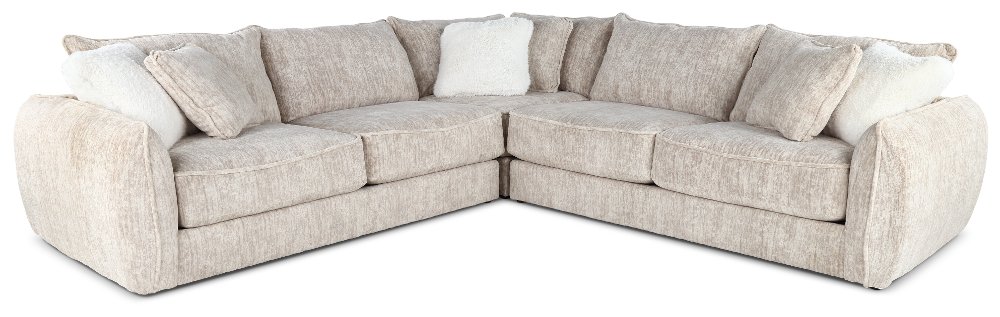
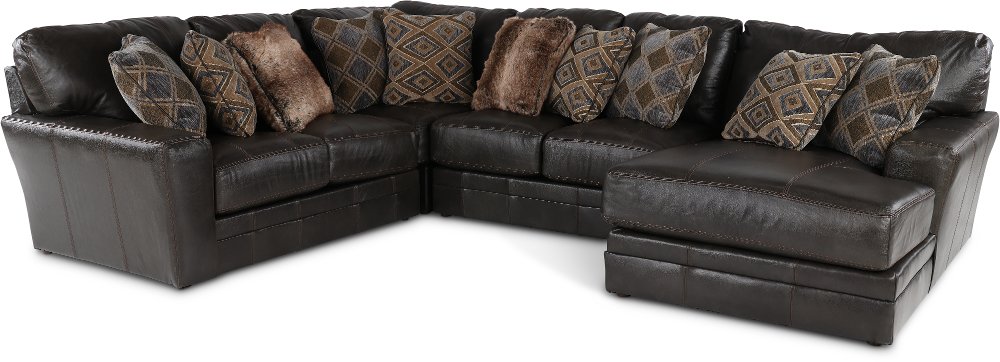
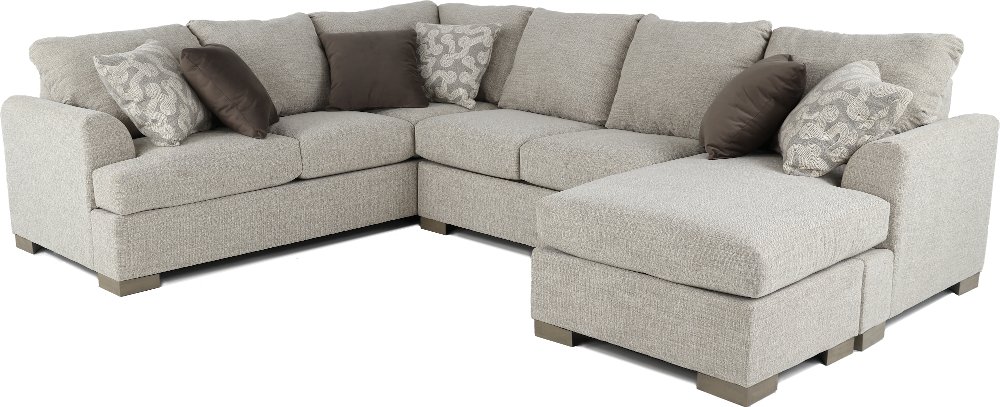
A comfortable leather living room set works best when its proportions support the room rather than crowd it. A sofa-and-loveseat arrangement can define a conversation area, while a sofa with coordinating chairs offers more flexibility around doorways, windows, and a fireplace. Larger sectional-style arrangements create connected seating for households that like to gather in one place, though separate pieces can be easier to reposition when the room serves several purposes. Measuring the furniture footprint is only part of the fit. Door openings, hallway turns, stairways, and elevators also affect whether each piece can reach its intended spot. Reclining furniture needs the clearance specified for its mechanism, and extended footrests should leave a usable path through the room. In a shared living space, a child heading toward the kitchen or a guest walking past the coffee table shouldn’t have to squeeze between occupied seats. Seat height also deserves attention, particularly for shorter adults, taller family members, or anyone who benefits from easier sitting and standing. A leather sofa set can suit a first apartment, a busy family room, or a quieter sitting area, provided the upholstery and layout match how the space gets used. For additional upholstery choices and coordinated seating arrangements, explore Comfortable Living Room Sets. Keeping leather furniture looking its best starts with the care instructions for its specific finish. Regular dusting with a soft cloth and gentle vacuuming around seams help remove grit before it rubs against the surface. Blot spills promptly instead of scrubbing, and use only cleaning or conditioning products approved for that upholstery. Household solvents, abrasive cleaners, and unapproved treatments can damage the finish. Direct sunlight may fade leather over time, and nearby heating vents or fireplaces can contribute to drying, so placement matters as much as cleanup. Removable cushions may benefit from rotation if the manufacturer recommends it, while attached cushions need their own care approach. With thoughtful proportions, supportive construction, and realistic care expectations, a leather sofa set becomes more than coordinated furniture: It gives daily routines a comfortable place to land.
Read More