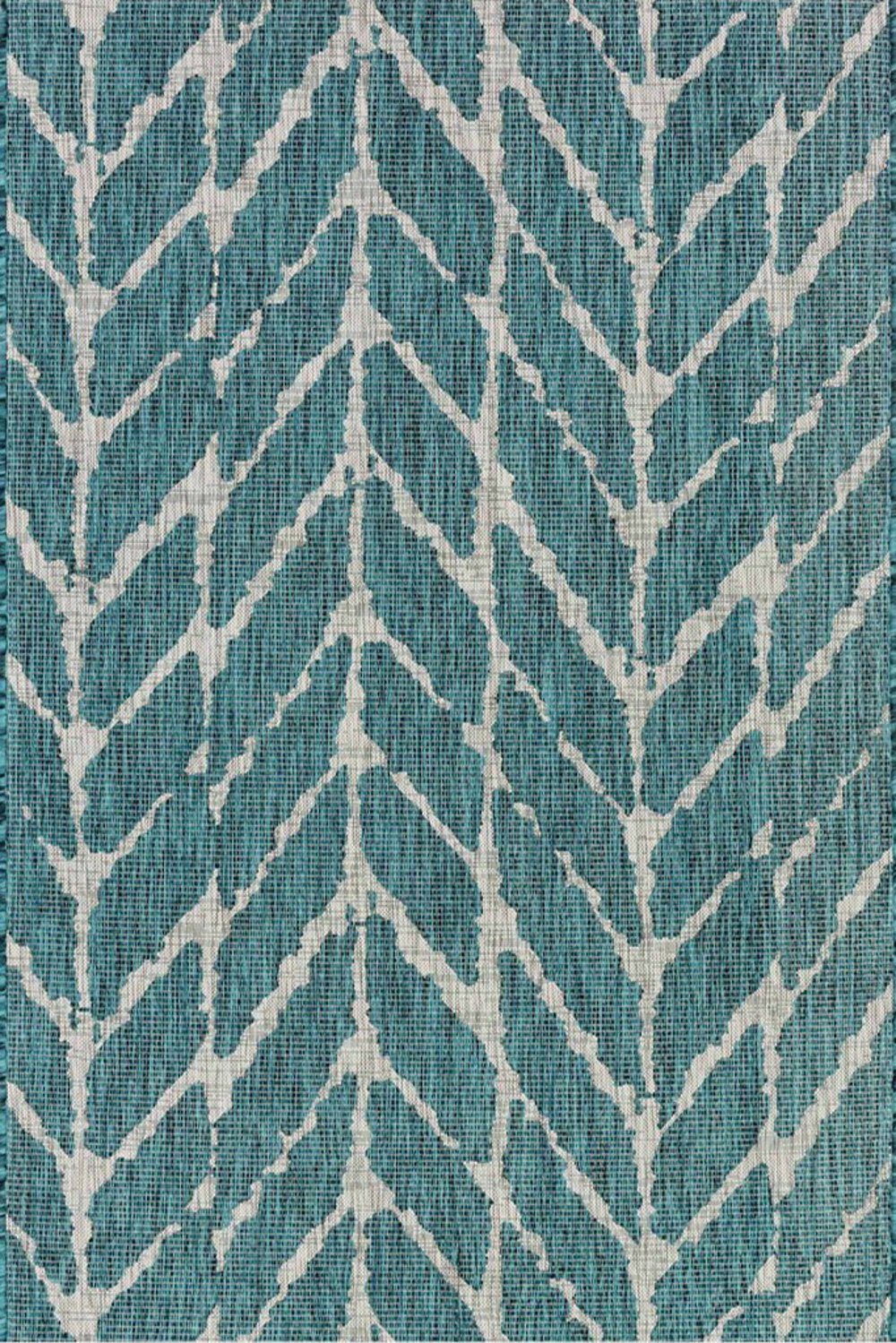
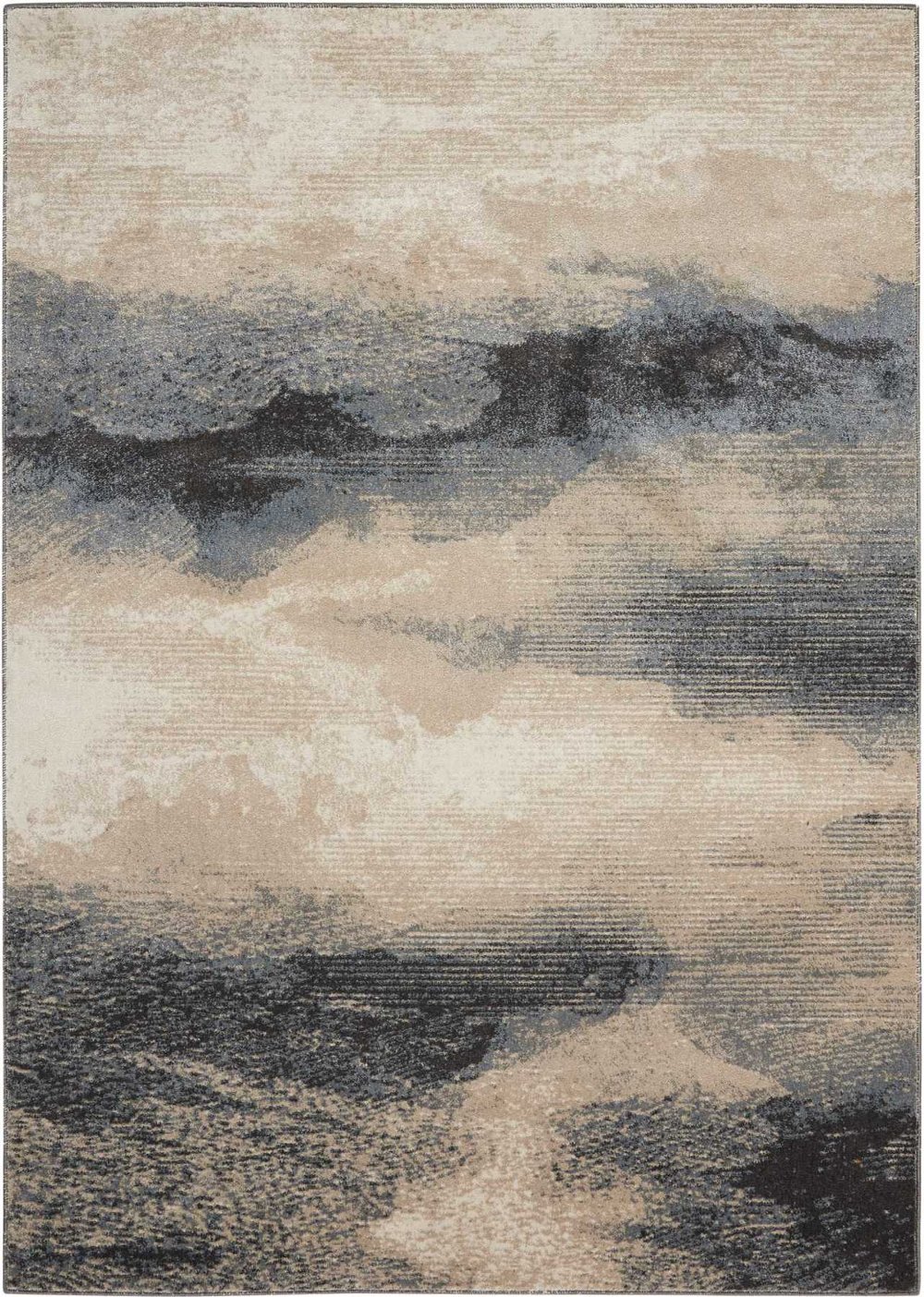
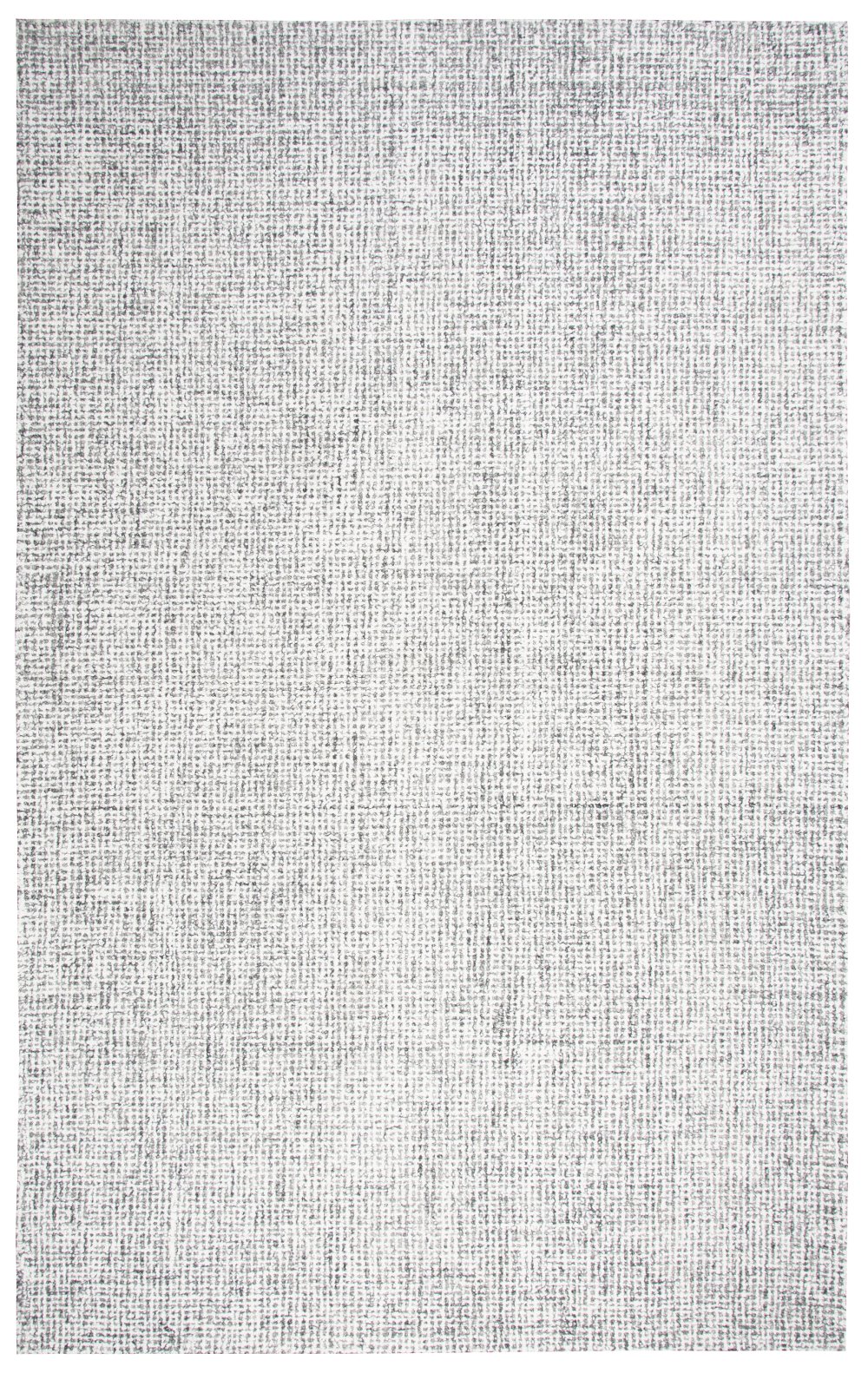
Fringe rugs bring a little movement and a softer finish to a room, whether the look is relaxed and layered or clean and carefully coordinated. The detail sits at the edges, but it can change the character of the whole rug: short, neatly trimmed fringe feels understated, while longer strands or knotted tassels create a more noticeable border. On some woven rugs, fringe is an extension of the foundation threads; on others, it’s added as a decorative finish. Both approaches can give a space texture and personality, so the best fit depends on the look you enjoy and how the room gets used. A faded medallion pattern with a fringed edge can make a new sofa feel right at home beside an inherited wood table. A simple ivory rug with tonal fringe keeps the focus on texture, especially against a darker floor. Geometric designs offer a stronger visual rhythm, while muted stripes can add interest without competing with artwork or patterned upholstery. For a room that mixes vintage finds, colorful accents, and furniture from different eras, eclectic rugs offer another direction to explore alongside fringed styles. Fringe doesn’t have to make a room feel bohemian, either. A low-profile rug with a restrained border can sit comfortably in a contemporary living room, and a traditional pattern can lend definition to a dining space. Think about what the rug will sit next to, not just how it looks on its own. A textured sofa, smooth leather chair, or open wood coffee table each brings out a different quality in the weave. Repeating one rug color in a pillow or curtain can help the room feel connected without matching every detail. If the furniture already has plenty of pattern, a quieter rug gives the eye a place to rest; if the furniture is mostly solid, the rug can carry more of the room’s color and character.
Size, placement, and material determine how comfortably a fringe area rug fits into everyday life. In a living room, a rug large enough to sit beneath the front legs of the main seating pieces usually creates a more connected arrangement than one tucked only under the coffee table. Leave room for the fringed ends to show rather than trapping them beneath a heavy cabinet or placing them across a busy walking path. In a bedroom, a rug extending beyond the sides and foot of the bed gives bare feet a comfortable landing and keeps the decorative edges visible. A smaller rug beside the bed can work when the layout doesn’t allow for a larger piece, provided it stays securely in place. Dining rooms need extra attention: chairs should remain on the rug when pulled out for sitting, and fringe is best kept away from the spots where chair legs travel. Before choosing a size, check whether the listed measurements include the fringe, since measurement conventions can vary. Painter’s tape on the floor helps you picture the rug’s footprint, including the extra space its ends may need. Then consider the feel and construction. Wool often offers resilience and a substantial texture, although some wool rugs shed, especially early in use. Cotton can feel soft and relaxed, but lightweight constructions may shift or wrinkle more easily. Synthetic fibers such as polyester and polypropylene can offer stain resistance and straightforward maintenance, depending on the construction and finish. Viscose and similar fibers can add sheen but often require more careful handling around moisture and spills. Natural plant fibers provide pronounced texture, though their feel underfoot and cleaning needs vary. A flatweave generally gives doors and furniture more clearance, while a plush pile adds cushioning. For a desk area, a low-profile surface is usually easier for a rolling chair to navigate. Fiber content matters, but pile density, backing, edge finishing, and the way the fringe is secured also influence durability.
A fringe rug should suit the people and routines in the room, not just the furniture around it. A quiet reading corner may be a good setting for a more delicate weave or longer fringe, while a family gathering space often benefits from a sturdier construction and shorter, less exposed ends. Homes with pets or young children may find that dangling tassels invite pulling, chewing, or play, so consider those habits when choosing the edge detail and location. Fringe also needs a little different care from the body of the rug. Follow the manufacturer’s cleaning instructions, and use a vacuum setting appropriate for the pile and fiber. Keep rotating brush rolls away from loose fringe, which can wind around the brush and damage both the strands and their attachment points. Lift the ends out of the vacuum’s path or gently clean them by hand as directed. If a robot vacuum travels through the room, check its guidance for tasseled rugs and use a no-go zone if needed. Blot spills promptly with a clean, dry cloth rather than rubbing them farther into the fibers, and test any approved cleaner in an inconspicuous area first. A rug labeled washable still needs to fit the washer’s capacity, and the care instructions should account for the fringe as well as the main weave. Avoid pulling loose threads or trimming tangled ends without checking the recommended care, particularly when the fringe forms part of the rug’s structure. A properly sized rug pad can help reduce shifting and add cushioning; choose one compatible with the flooring and keep it beneath the rug body rather than extending under the loose fringe. Occasional rotation helps distribute foot traffic and light exposure more evenly. With the right proportions, a practical material, and edges positioned out of the busiest routes, a fringe rug can add a distinctive finishing touch without making the room feel precious. The result is a space with texture you can see, comfort you can feel, and details that fit the way you live.
Read More