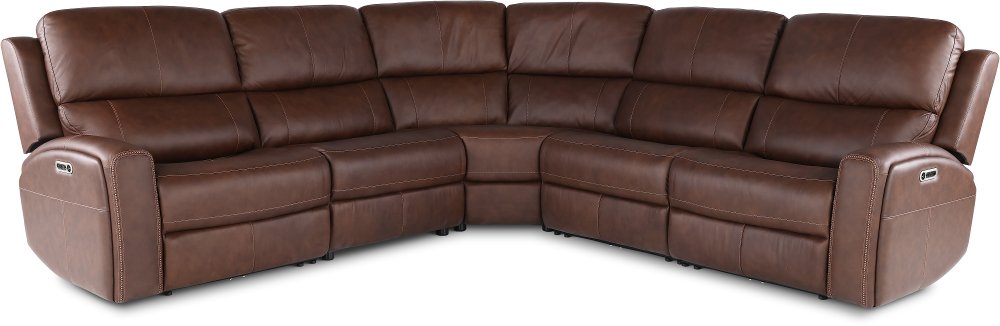
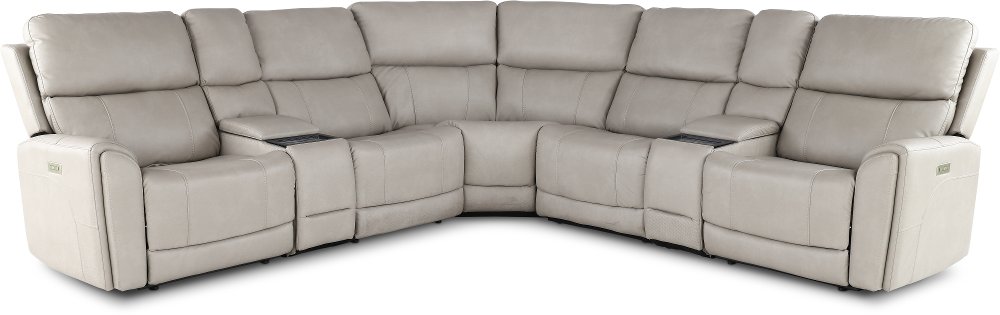
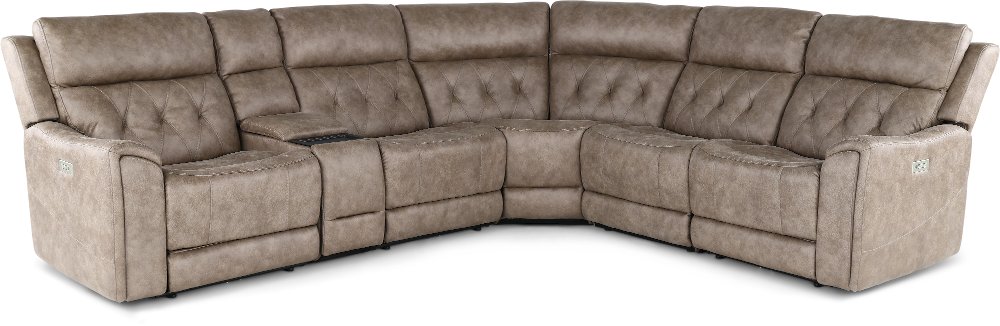
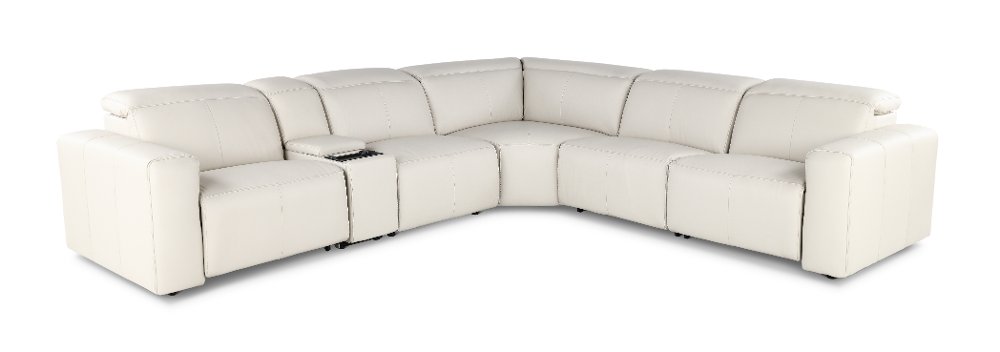
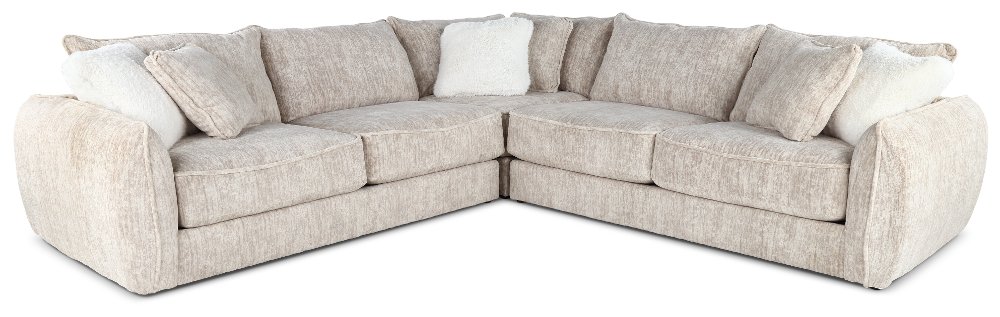
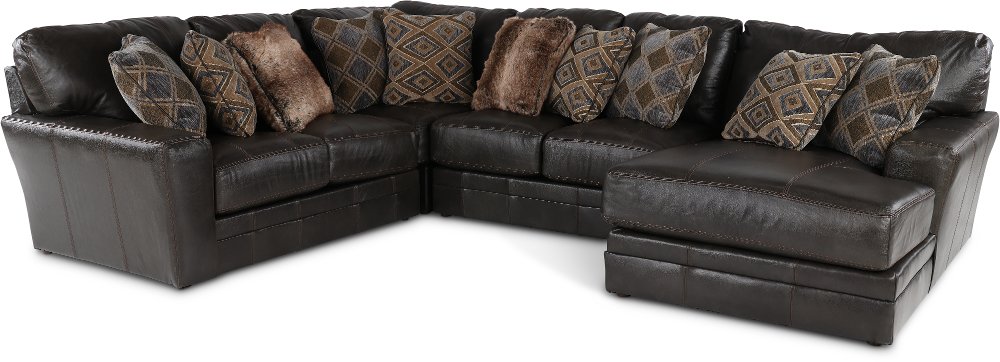
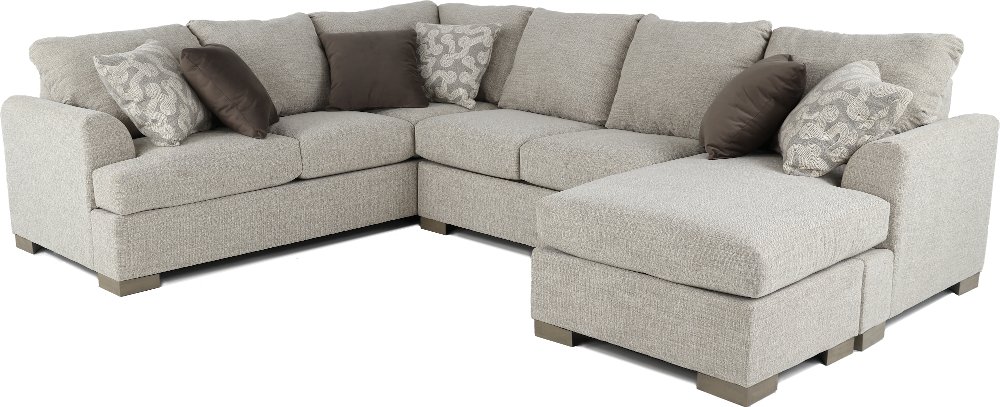
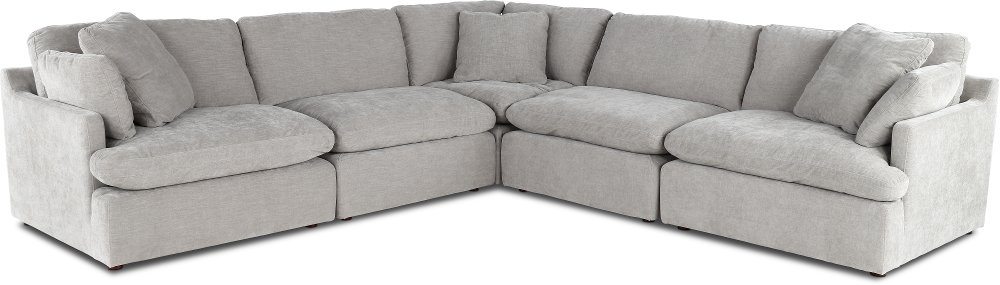
L-shaped reclining sofas bring the connected seating of a sectional together with the support of built-in recliners, creating a comfortable place to watch a movie, catch up with family, or settle in with a book. Their two-sided layout helps define a seating area without surrounding it with separate chairs, which can make a living room feel more organized and inviting. In an open floor plan, the longer side can establish a natural boundary between the living and dining areas; against adjoining walls, the same shape can leave more of the center floor open. Unlike a standard L-shaped sofa with a fixed chaise, a reclining sectional has one or more seats with a backrest and footrest that move. Some configurations combine reclining seats with a stationary corner, armless seats, or a chaise, so the overall shape alone doesn’t tell you which positions recline. That distinction matters when two people want to put their feet up at the same time or when a favorite seat needs a clear view of the television. Manual reclining mechanisms typically use a lever, handle, or push-back motion, with physical effort needed to operate or close the footrest. Power reclining uses buttons or switches to move the seat through its adjustment range and generally requires access to an electrical outlet unless a compatible battery system is supported. Depending on the design, separate headrest or lumbar adjustments can help fine-tune support rather than moving every part of the seat together. A raised headrest may make it easier to watch a screen while leaning back, while a more upright position suits conversation. For shared living rooms, family rooms, and entertainment spaces, these differences shape how comfortably everyone can use the sofa. The most useful arrangement gives each person a place to relax while leaving stationary seats accessible for guests who prefer to sit upright.
A good fit involves more than finding enough wall space for an L-shaped reclining sofa. The listed width and depth describe its footprint, but the fully reclined depth and required clearance behind the back determine how much room it needs in use. Those measurements vary by mechanism, including on wall-hugging designs, so the dimensions and clearance instructions for the configuration deserve a close look. A coffee table that sits comfortably within reach of an upright seat may block an extended footrest, and a walkway that looks generous on paper can narrow once someone reclines. Painter’s tape on the floor can make both the sofa footprint and its operating space easier to picture before rearranging the room. Keep door swings, floor vents, nearby cabinets, and the route through the seating area in mind, along with access to an outlet for power features. Left-facing and right-facing descriptions also need attention: retailers commonly describe orientation as you face the furniture, but the layout diagram is the best way to confirm where the return, chaise, and reclining seats sit. Modular construction can simplify delivery and allow certain arrangements, yet not every sectional can reverse direction or accept extra pieces. Connection hardware, finished ends, and electrical components may limit the possibilities. Delivery access matters just as much as the finished layout, especially in apartments or homes with narrow halls. Individual section dimensions, doorway openings, stair turns, and elevator space all affect whether the furniture can reach its destination. Once the layout works, seat proportions make the difference between a sofa that looks comfortable and one that feels right. Deep cushions suit people who like to curl up, while a shallower seat may make it easier to sit with feet supported on the floor. Seat height, arm placement, cushion firmness, and the reach to reclining controls are worth considering for every regular user, particularly when standing up or operating a manual footrest takes extra effort.
Upholstery gives an L-shaped reclining sectional much of its character, but its day-to-day performance is just as important as its appearance. Woven fabrics offer texture and a relaxed look, while microfiber can provide a soft surface with a relatively close weave. Performance fabrics may offer specific stain-resistance or cleaning benefits, though the label doesn’t mean every spill will lift out or every cleaner is safe. Leather brings natural variation and can develop character with use; its finish influences how it responds to scratches, spills, and routine care. Faux leather offers a leather-like appearance, but its surface and backing have different care requirements and shouldn’t automatically receive leather conditioners. Material descriptions may also distinguish between upholstery on seating surfaces and matching materials on the sides or back. For a grounded, versatile color palette, brown L-shaped reclining sectionals pair naturally with cream rugs, wood tables, and accents in olive, navy, or rust. Color can help disguise some everyday marks, but durability depends more on upholstery construction, seams, frame support, cushioning, and reclining hardware than on shade alone. In a busy household, securely joined sections and supportive cushions matter through repeated sitting, stretching, and getting up. Storage consoles can give remotes a consistent home, cup holders can keep drinks close, and charging ports can reduce the reach to a separate charger, although features vary by design. These additions also occupy space that might otherwise serve as seating, making the balance between convenience and usable seats worth considering. Routine care starts with the upholstery label: vacuum seams with an appropriate attachment, blot spills promptly, and use only approved cleaning methods. Keep fingers, pet tails, blankets, and toys clear of moving mechanisms, and avoid sitting or standing on extended footrests. Follow the manufacturer’s instructions for operating limits and maintenance rather than applying lubricants or cleaners to the mechanism on your own. With a layout that fits, upholstery suited to household routines, and controls that feel easy to use, an L-shaped reclining sofa can become a dependable gathering place for everyday life.
Read More