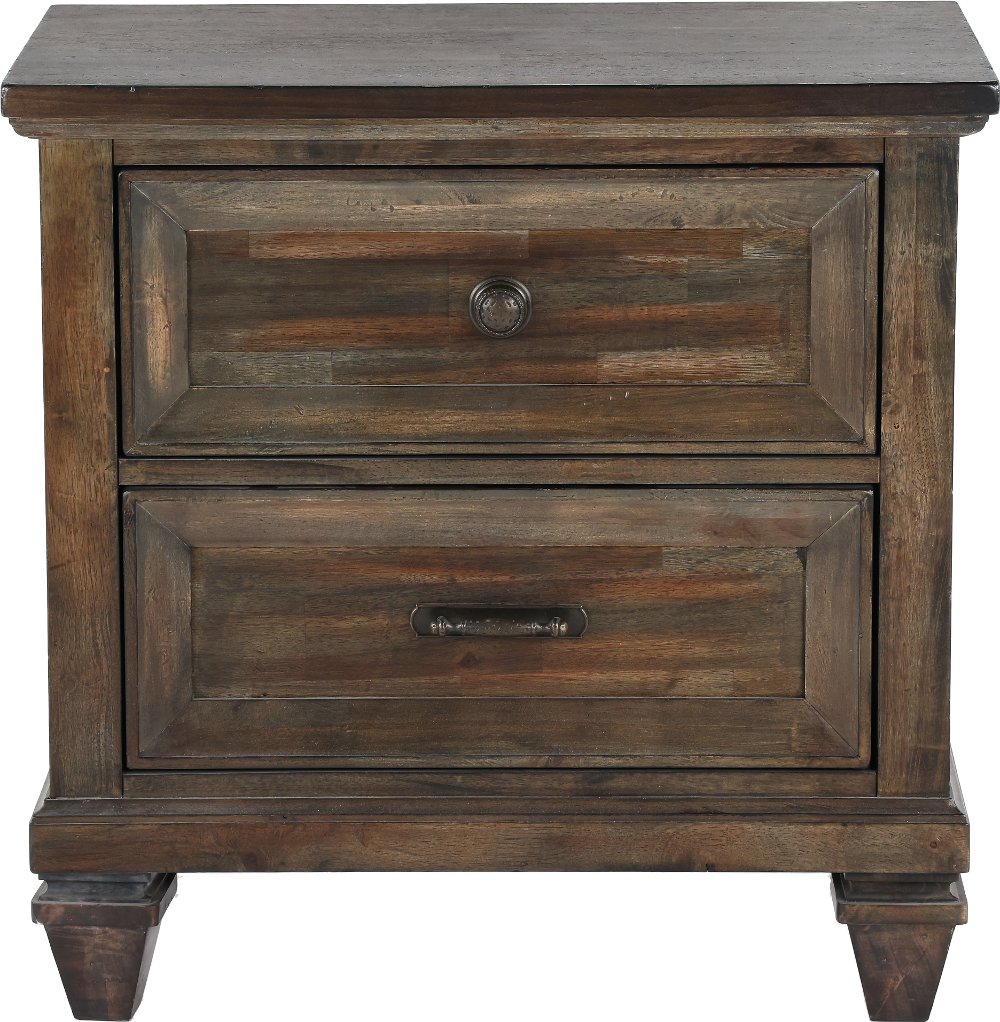
Neutral nightstands bring a bedroom together without asking every piece of furniture to match. In shades of ivory, cream, beige, taupe, gray, and natural wood, they create a quiet place for the things you reach for at the beginning and end of the day. A bedside lamp, a favorite book, and a glass of water feel right at home on a surface that complements the room rather than competing with it. That versatility makes neutral bedside furniture a comfortable fit for a first apartment, a shared primary bedroom, or a guest room that welcomes different tastes. The color itself is only part of the appeal. A pale wood grain can add warmth beside crisp white bedding, while a smooth gray finish can give a room with richly colored linens a more grounded look. Cream and beige often work well with warm wood tones; cooler grays can sit comfortably alongside blue fabrics, brushed metal, and clean-lined furniture. Undertones matter, especially when a nightstand sits directly beside a wood bed frame. Two finishes don’t have to be identical, but they tend to feel more connected when they share a warm or cool character. Texture also gives a neutral room personality. Visible grain, woven drawer fronts, subtle grooves, and simple metal hardware can add interest without introducing another strong color. Neutral doesn’t have to mean pale, either. Charcoal, soft black, and deeper brown tones can provide contrast while remaining easy to coordinate. The shape helps establish the mood: straight edges and uncluttered fronts feel streamlined, while turned legs and framed drawer fronts bring a more familiar, classic character. If those details appeal to you, Traditional Nightstands offer a related style to explore. Matching bedside tables can create a balanced arrangement, but different silhouettes can also work together when their finishes, proportions, or hardware share a clear connection. That flexibility leaves room for personal taste, whether your bedroom feels tailored, relaxed, or collected over time.
A nightstand earns its place through everyday usefulness, and the right proportions make that usefulness feel effortless. Bedside height deserves particular attention because mattress thickness and bed-frame design can change where the top surface lands. A tabletop close to the height of the mattress usually makes it easier to reach a lamp switch, set down a phone, or pick up a book without stretching. Width and depth affect the room just as much. A generous surface can comfortably hold a lamp and a few essentials, while a narrow profile can leave more walking space beside a bed in a compact room. Allowing clearance for drawers to open fully helps keep storage practical, especially near a dresser, wall, or bedroom door. An open shelf provides a convenient spot for a current read or a small basket, while drawers keep charging cables, hand cream, reading glasses, and other personal belongings tucked away. A combination of open and closed storage can suit someone who likes a tidy tabletop but still wants certain things close at hand. Drawer depth matters more than the number of drawers alone: a shallow compartment may be useful for small accessories, while a deeper one can hold bulkier bedside necessities. Smooth drawer movement, comfortable pulls, and a stable base all contribute to a piece that feels good to use day after day. For someone who reads in bed, the surface needs enough space for a lamp with an appropriately sized base. For someone who charges a phone overnight, a cord opening or integrated charging feature may help keep cables organized; electrical features should always be used according to the manufacturer’s directions. In a guest bedroom, a simple surface and an easy-to-find drawer can give visitors a welcome place for their belongings. Partners with different routines may appreciate different storage layouts, even when the two nightstands share a neutral finish. The goal is a bedside arrangement that supports your habits while leaving comfortable space to move.
Materials and construction help determine how a neutral nightstand looks, feels, and holds up over time. Solid wood can show natural variations in grain and color, giving each piece its own character, and its appearance may change gradually with use and exposure to light. Wood veneer brings a real wood surface to a supporting core, while engineered wood can provide a consistent foundation for painted, laminated, or veneered finishes. Neither a material name nor a finish color tells the whole story about durability; secure joints, sturdy drawer construction, well-attached hardware, and a protective surface finish matter, too. Metal frames can introduce a lighter visual profile, and glass or stone surfaces can add contrast, though their weight and care needs deserve consideration. A neutral finish also interacts with daily wear. Smooth, light-colored surfaces may make spills or scuffs easier to notice, while pronounced grain and textured finishes can make minor marks less conspicuous. Easy habits help preserve the surface: use a coaster under drinks, place a protective pad beneath objects that could scratch, and clean up spills promptly. A soft cloth handles routine dusting, and any cleaner should suit the specific material and finish. Manufacturer care directions are the best reference, since wood, painted surfaces, metal, stone, and glass don’t all respond well to the same products. Avoid leaving a damp cloth or wet cup against the finish, and protect wood furniture from prolonged direct sunlight when practical. Follow assembly instructions carefully, check that the piece sits securely, and use any required anchoring hardware, especially in rooms children use. Beyond the bedroom, a neutral nightstand can serve as a compact side table beside a reading chair or provide discreet storage in a small sitting area, provided its dimensions suit the space. Its adaptable color makes it easier to keep as bedding, rugs, and wall colors change. With a comfortable fit, useful storage, and materials suited to your routine, neutral nightstands can become dependable pieces that make a room feel both finished and personal.
Read More