A proofing oven, also called a proofing cabinet or dough proofer, gives yeast dough a steady, sheltered place to rise before baking. Instead of relying on a chilly countertop, a drafty kitchen, or an oven that swings between temperatures, you can create a more consistent environment with gentle warmth and controlled humidity. That consistency matters because dough responds to its surroundings. Traditional yeast dough generally rises well around 75°F to 78°F, while sourdough often benefits from a slightly cooler setting, typically below 85°F, so the fermentation process can develop without moving too quickly. Humidity is just as important as temperature. A range of roughly 60% to 80% humidity helps keep the surface of the dough supple, preventing a dry skin or premature crust from forming while the center continues to expand. This is especially useful for doughs that need a longer rise, including sandwich loaves, dinner rolls, pizza dough, enriched breads, and naturally leavened sourdough. A proofing oven can also make the process feel more manageable for newer bakers. Rather than checking a bowl every few minutes or guessing whether the room is warm enough, you can set the conditions, cover the dough as directed by the recipe, and give it time to become puffy, elastic, and ready for the next step. During cooler months, when indoor temperatures can vary from room to room, that dependable environment can make a favorite family recipe easier to repeat. It also helps experienced bakers fine-tune timing and texture when they are preparing several loaves or batches of rolls.
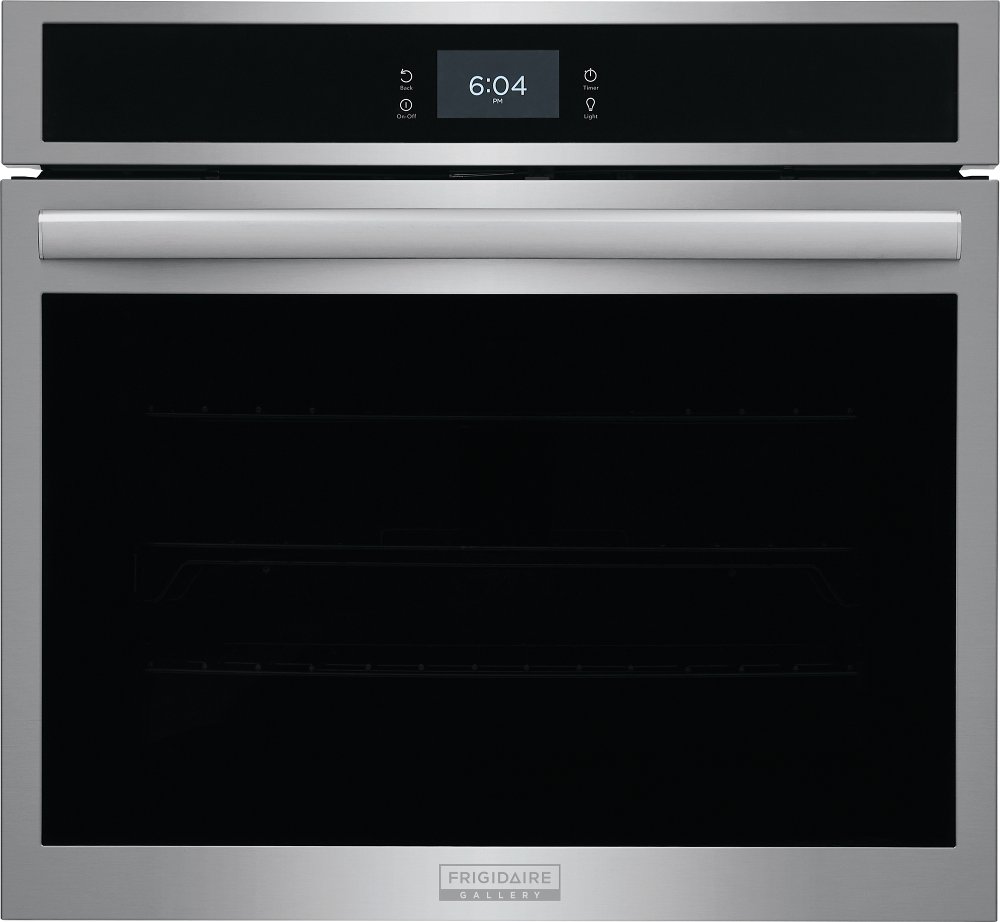
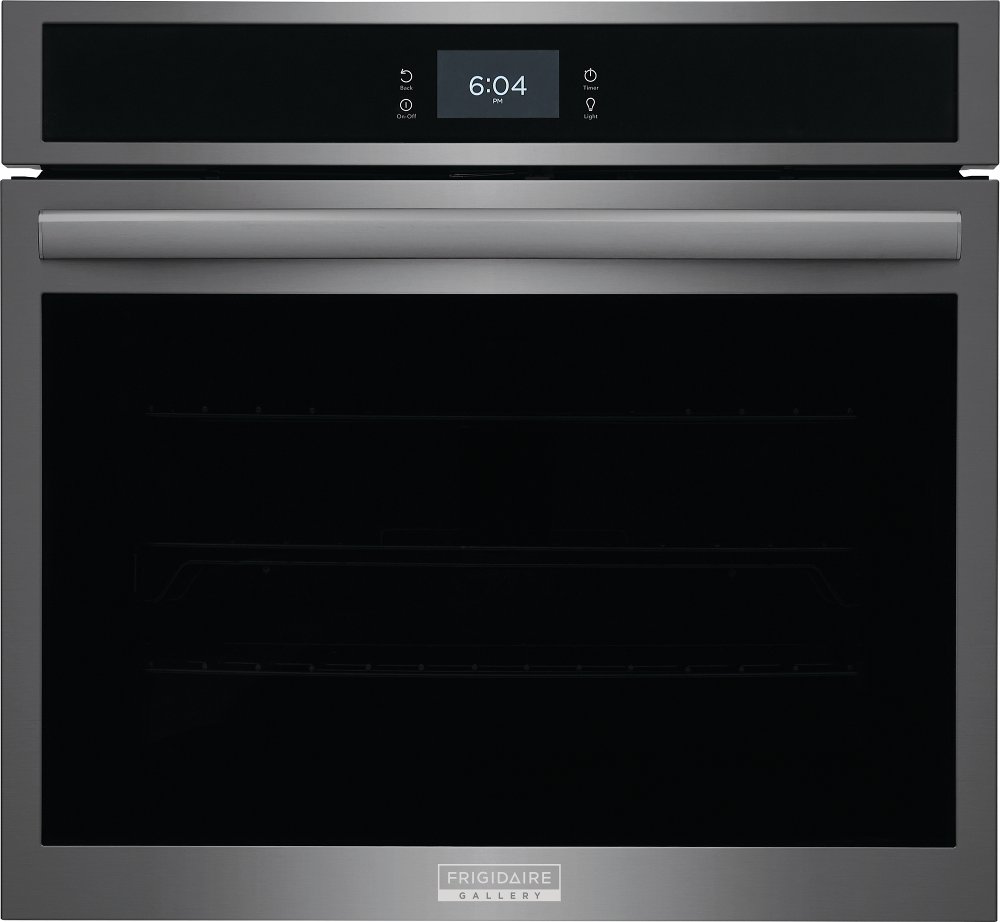
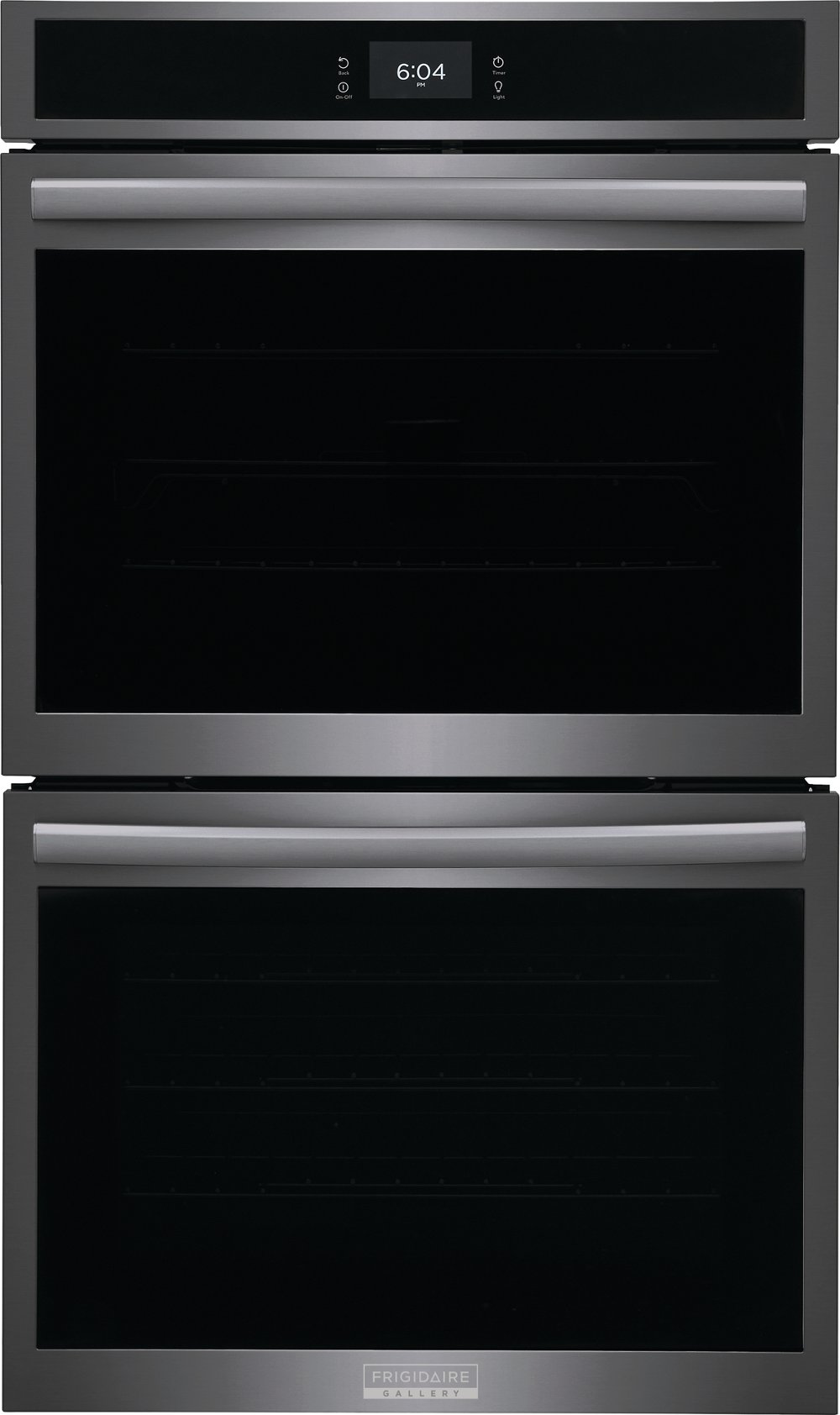
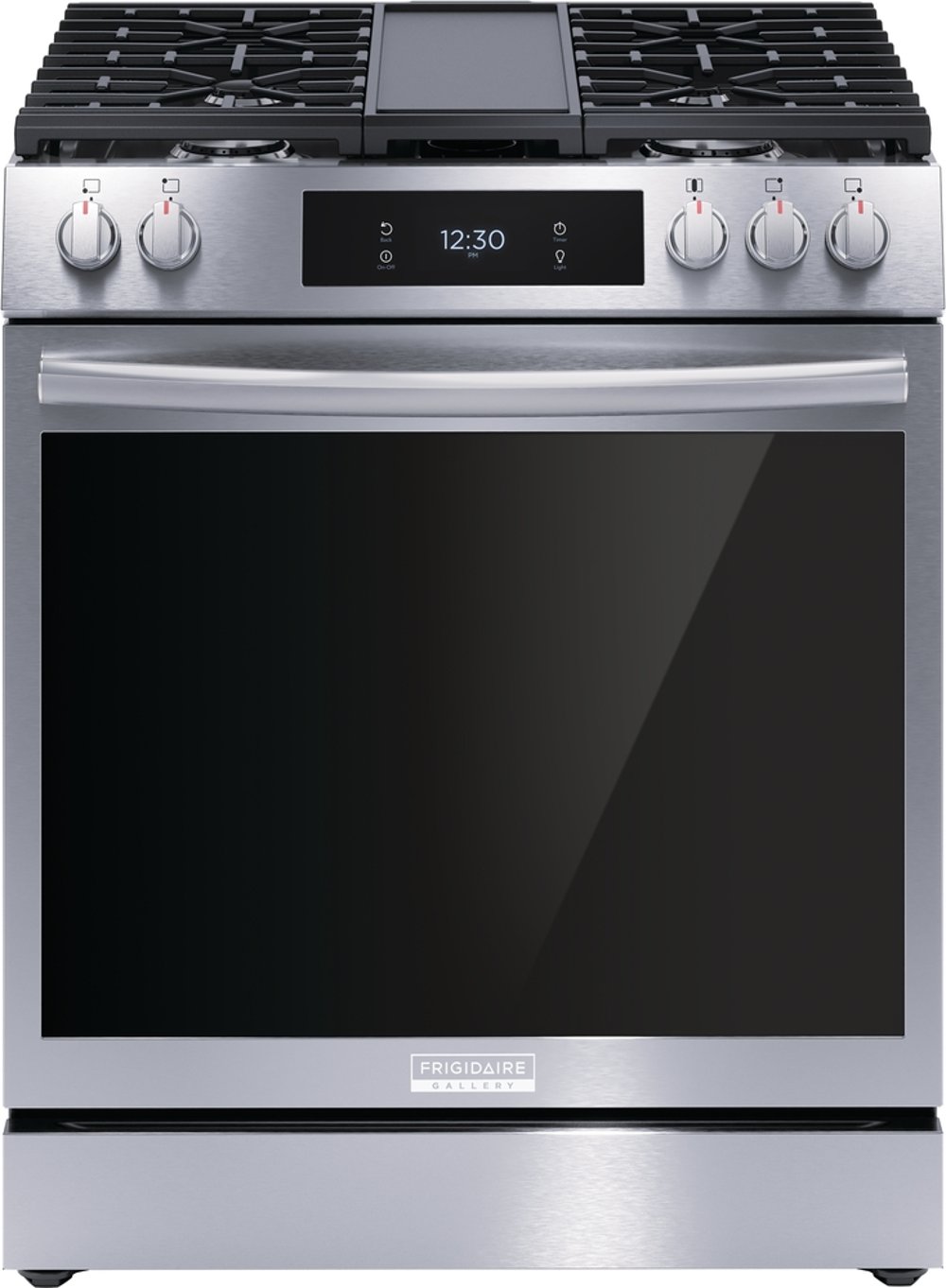
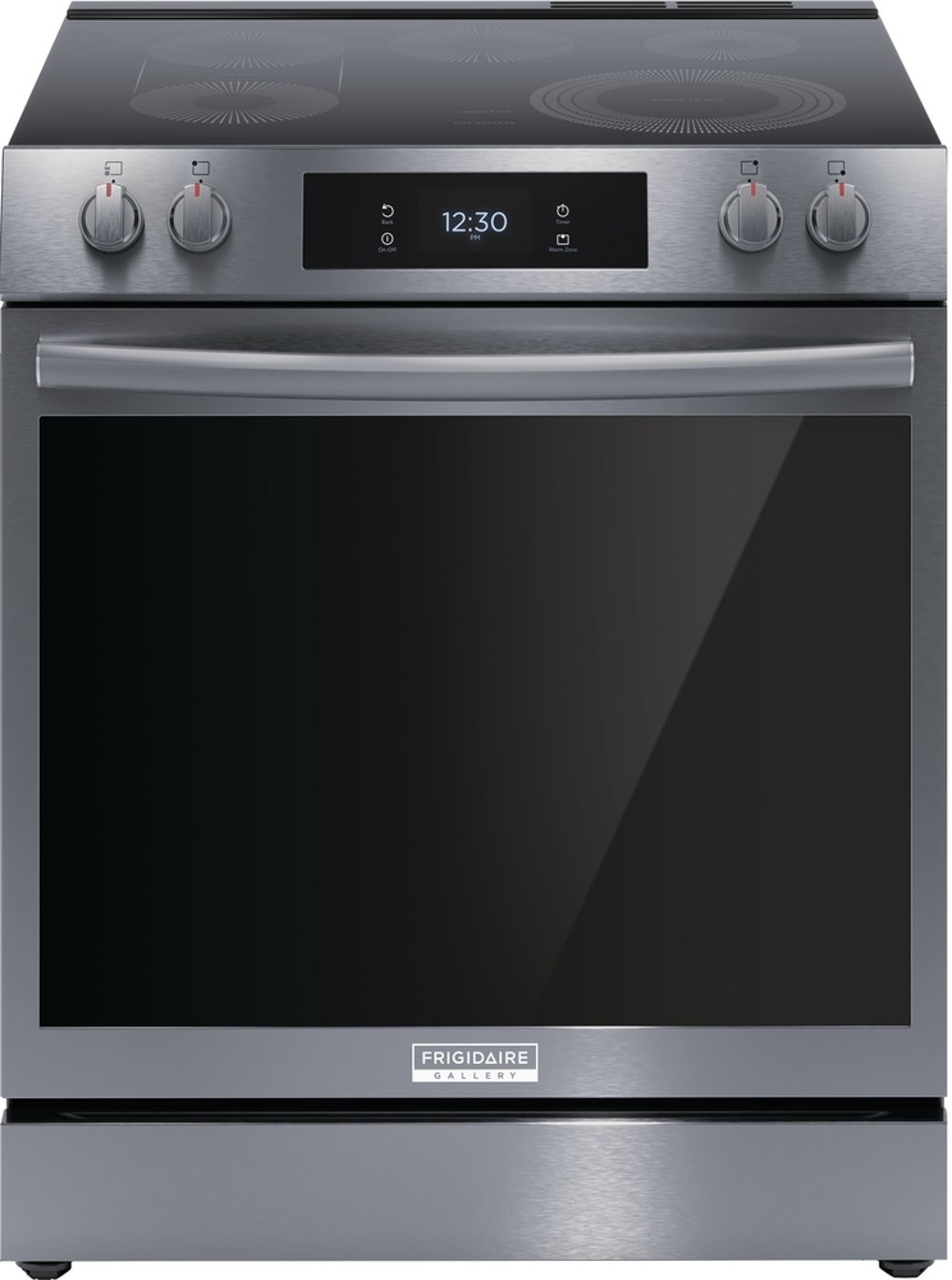
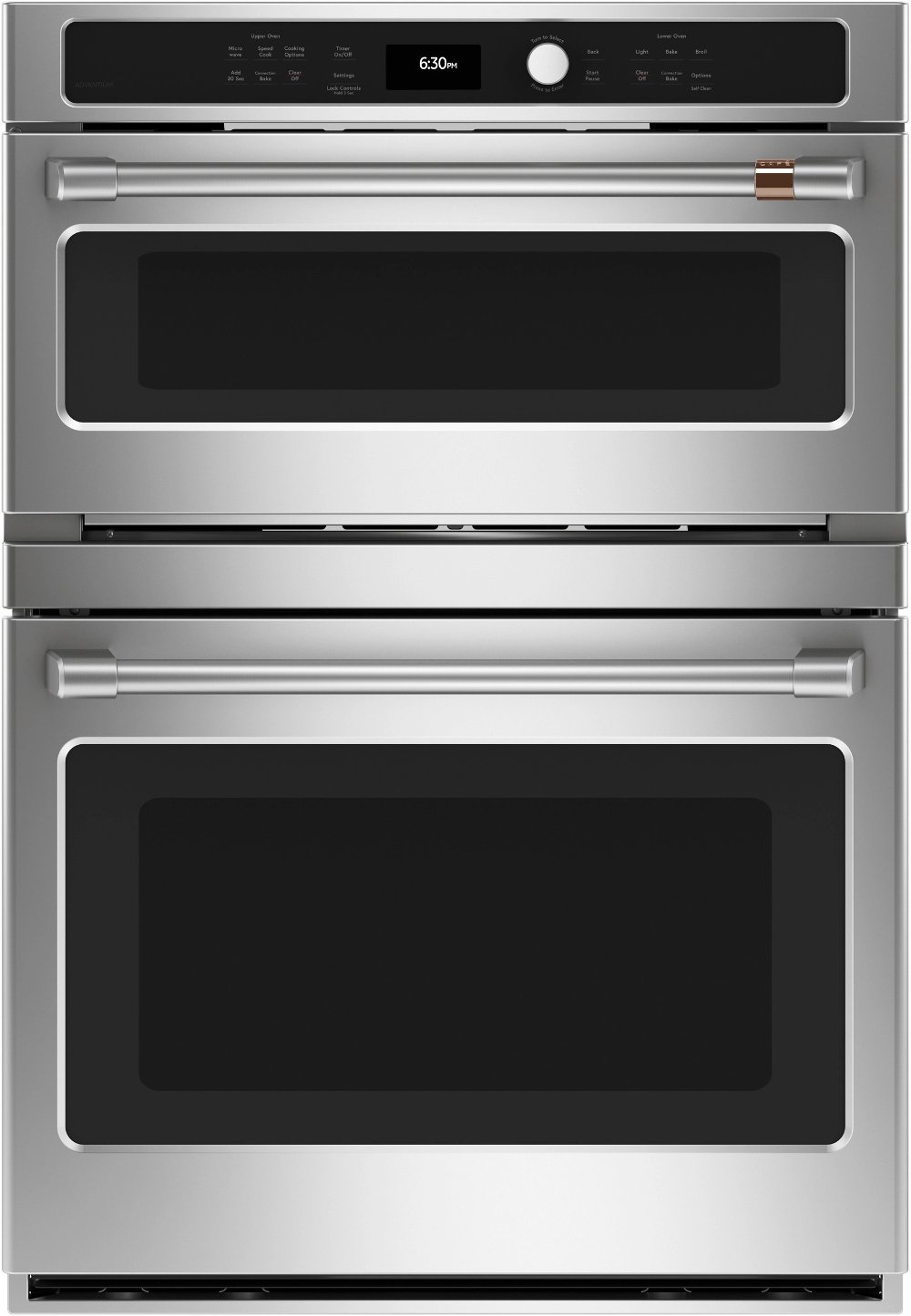
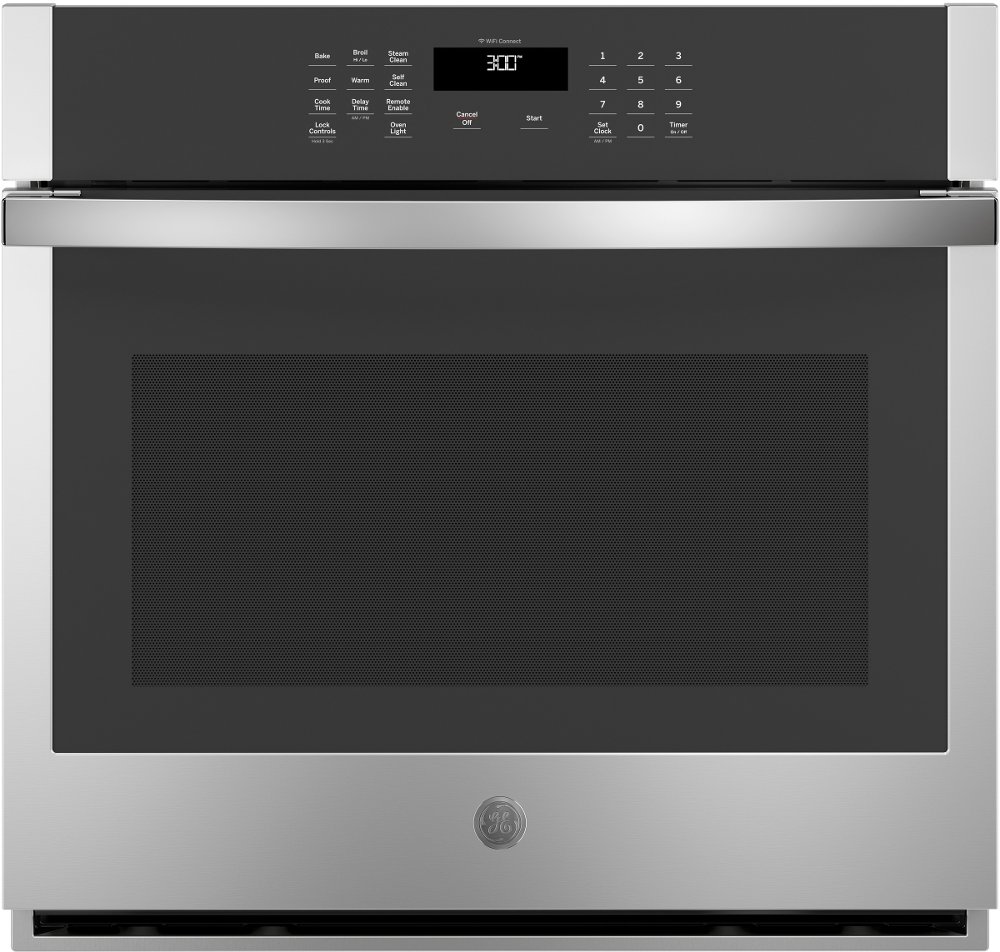
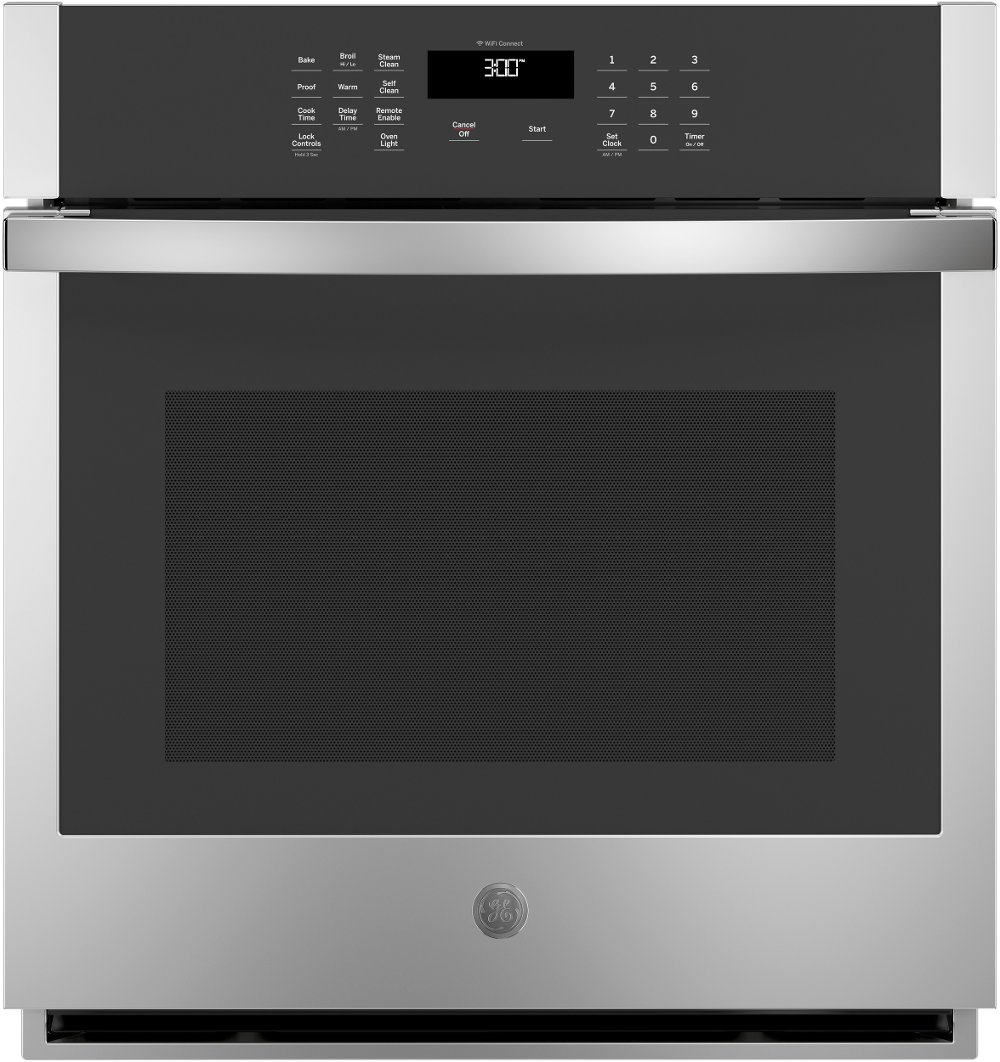
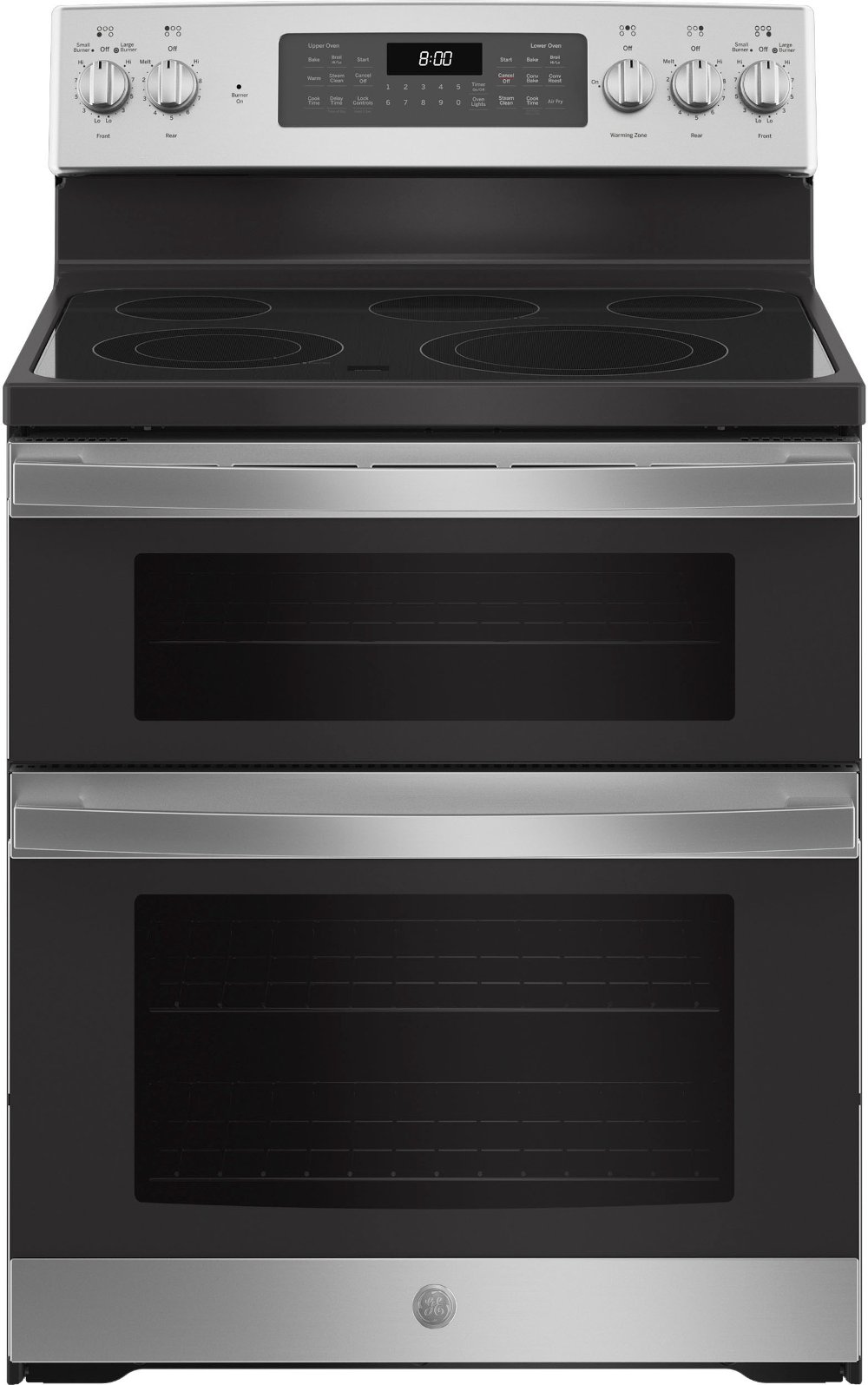
When choosing among proofing ovens, start by considering the way you bake and the amount of dough you typically prepare. A compact countertop unit may suit someone who makes one loaf, a small batch of buns, or occasional pizza dough, while a larger proofing cabinet can be a better fit for frequent baking, holiday meals, community events, or a household that likes to prepare multiple batches at once. Capacity is more than the number of shelves; look at the interior dimensions, shelf spacing, and whether your preferred bowls, baking pans, trays, or dough containers will fit comfortably. Adjustable temperature and humidity controls give you more flexibility across recipes, particularly if you enjoy both traditional yeast breads and sourdough. A clear door or easy-to-check interior can help you monitor the rise without releasing warmth each time you look in. Simple controls are valuable, too, because proofing should support your baking rather than add another complicated step. Consider how easy the surfaces are to wipe clean, whether shelves can be removed, how the water reservoir or humidity system works, and how the unit will be stored when it is not in use. A folding or compact design may be helpful in a smaller kitchen, while a dedicated cabinet can make sense for a serious home baker who wants the appliance ready for every batch. Keep in mind that a proofing oven is designed to create a warm, humid rising environment, not necessarily to bake bread. If you are considering a range or wall oven with a proof setting, check the manufacturer’s temperature range and test it with an oven thermometer before placing dough inside. Some proof settings run near 95°F to 100°F, which may be warmer than ideal for delicate sourdough. A dependable thermometer helps you understand the actual temperature rather than relying only on the display. For shoppers comparing proofing capabilities alongside broader cooking features, High Tech Ovens may offer additional options to consider.
Proofing ovens can be a thoughtful gift for a home baker, a sourdough enthusiast, a newly married couple building a kitchen, or anyone who enjoys turning a quiet afternoon into a fresh loaf shared around the table. They are especially appealing to bakers who have learned that small environmental changes can affect a recipe: a sunny kitchen counter may speed up a rise, while a cool stone surface may slow it down; a dry room can toughen the outside of the dough; and an occupied main oven can make timing several dishes more difficult. With a dedicated proofing space, the baker can prepare dough while the primary oven remains available for roasting vegetables, baking a casserole, or finishing another course. It can also be useful for people who bake as part of a routine, whether that means weekend sandwich bread, weekday pizza nights, soft rolls for family dinners, or carefully planned sourdough projects. Before purchasing, make sure the appliance’s power requirements suit the intended location and leave appropriate clearance around it according to the manufacturer’s instructions. Place dough in a covered container or use the recipe’s recommended covering method, and avoid relying on excessive heat to force a faster rise; yeast dough generally develops better flavor and structure when it has enough time. Sourdough, in particular, benefits from attentive temperature control because warmer conditions can accelerate fermentation and alter the balance of flavor and texture. A proofing oven does not replace the baker’s judgment, but it gives that judgment a steadier foundation. Look for the capacity, controls, humidity features, and cleanup details that match your kitchen and baking habits, then use the product listing to compare options that can help make every rise more predictable and every fresh loaf more rewarding.
Read More