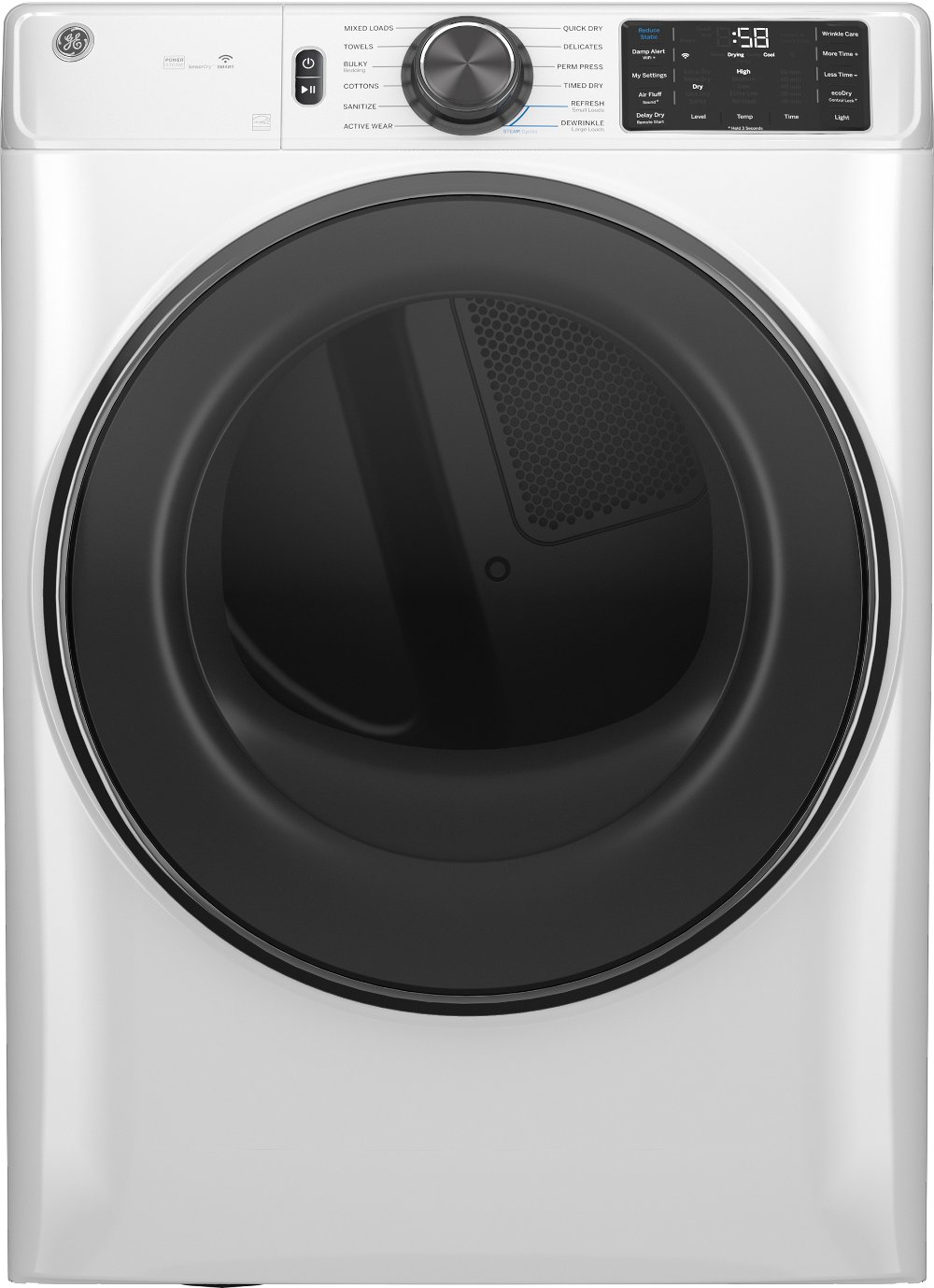
Smart laundry machines are washers and dryers that connect to home Wi-Fi, giving you access to features such as cycle monitoring, smartphone notifications, and, on compatible models, remote start or scheduling through an app. That connection can make everyday laundry easier to manage, whether you’re working in another room, helping with homework, or getting a household’s worth of towels back into the linen closet. A cycle-finished alert lets you know when wet clothes are ready for the dryer without another trip down the hall. Time-remaining updates help you plan around a load instead of repeatedly checking the control panel. Remote controls vary by machine: some require you to load the drum, close the door, and enable remote operation at the appliance before starting a cycle from your phone. Connected features may also depend on a compatible smartphone, an account, and a supported Wi-Fi network with a reliable signal in the laundry area. Many everyday functions remain accessible through the machine’s physical controls, so a clear display and easy-to-use settings still matter. Beyond connectivity, some smart washers use load sensing to adjust water levels or cycle settings, while certain models offer more advanced sensing that adapts washing action to detected fabric characteristics. These capabilities differ, and an AI label doesn’t mean every machine identifies every fabric or stain. Automatic detergent dispensers, where included, hold detergent for multiple loads and release a measured amount based on the machine’s settings and sensing capabilities. Smart dryers may use moisture sensors to adjust drying time, helping limit unnecessary tumbling once clothes reach the selected dryness level. Other connected features can include maintenance reminders, troubleshooting information, or compatible washer-to-dryer cycle recommendations. The most useful combination is the one that addresses a real routine, such as remembering a finished wash, managing frequent small loads, or keeping detergent dosing more consistent when several people share laundry duties.
The right smart washer and dryer also need to suit the clothes you wash and the space where laundry happens. Front-load washers have a horizontal drum that tumbles garments through the wash water, and many can pair with a compatible dryer in a stacked arrangement using the required stacking kit. Top-load washers let you add and remove laundry from above, with agitator or impeller designs offering different approaches to moving clothes through the wash. For someone who regularly washes a few work shirts and exercise outfits, usable everyday capacity may matter more than an oversized drum. A household handling bath towels, school clothes, and bedding needs enough room for those loads to move freely rather than staying tightly packed. Capacity figures help with comparisons, but bulky-item suitability also depends on the appliance instructions and the care label on the item itself. Dryer capacity should comfortably accommodate the washer’s typical loads, with space for fabrics to tumble. Explore Laundry Appliances Sets to consider coordinated washer-and-dryer configurations alongside the features that matter to your household. A matching appearance can create a tidy laundry room, but installation compatibility deserves just as much attention. Machine width, height, and depth are only part of the fit; hoses, dryer connections, required clearances, and open doors need room, too. A hallway laundry closet may call for a different door arrangement than a dedicated room with a folding counter. Stacking can preserve floor space, although the upper controls still need to be within comfortable reach. Pedestals can raise compatible front-load machines to reduce bending, but they add height and can affect an under-counter layout. Electric, gas, vented, and ventless dryer configurations have different installation requirements, so existing hookups and the manufacturer’s specifications should shape the choice. All-in-one washer-dryer combinations offer another layout, washing and drying in one drum without transferring clothes, though drying capacity and total cycle time may differ from what you’d expect from separate machines.
Construction, fabric care, and everyday upkeep remain just as important as connected convenience. Stainless steel wash drums are common and provide a smooth, corrosion-resistant surface for regular use, but drum material alone doesn’t determine how long a laundry machine will last. Correct installation, a level base, properly sized loads, and routine cleaning all contribute to dependable operation. In a laundry area near bedrooms or a living room, vibration control and published sound information deserve attention; Wi-Fi connectivity doesn’t automatically make a machine quiet. Cycle selection should reflect what actually lands in your hamper. Adjustable spin speeds and gentle wash settings can help accommodate delicate garments, while quick-wash cycles generally suit smaller, lightly soiled loads rather than a packed drum of heavily worn clothing. Steam options may help with certain wrinkles or care tasks, depending on the cycle, but they don’t replace stain pretreatment or the instructions on a garment label. Likewise, a sanitizing claim applies to the specified cycle and operating conditions, not every wash. Detergent choice matters, especially in machines that require high-efficiency detergent. Too much detergent can leave residue, and an automatic dispenser still needs the correct detergent type and concentration setting to work as intended. Removable dispenser components, accessible filters, and clear maintenance prompts can make recurring care easier to keep up with. Front-load door gaskets benefit from regular inspection and cleaning according to the manual, and moisture-management routines should follow the manufacturer’s directions while accounting for children and pets. Dryer lint screens need cleaning as directed, and vented dryers require attention to the exhaust path; ventless machines have their own filter and heat-exchanger care requirements. Connected reminders can support these habits, but they don’t perform the maintenance for you. App permissions, software support, and the ability to use essential controls without a phone are also worth considering for an appliance you’ll use for years. Smart laundry machines work best as practical household tools: capable of caring for your clothes, comfortable to use, and connected in ways that make a familiar chore a little less demanding.
Read More