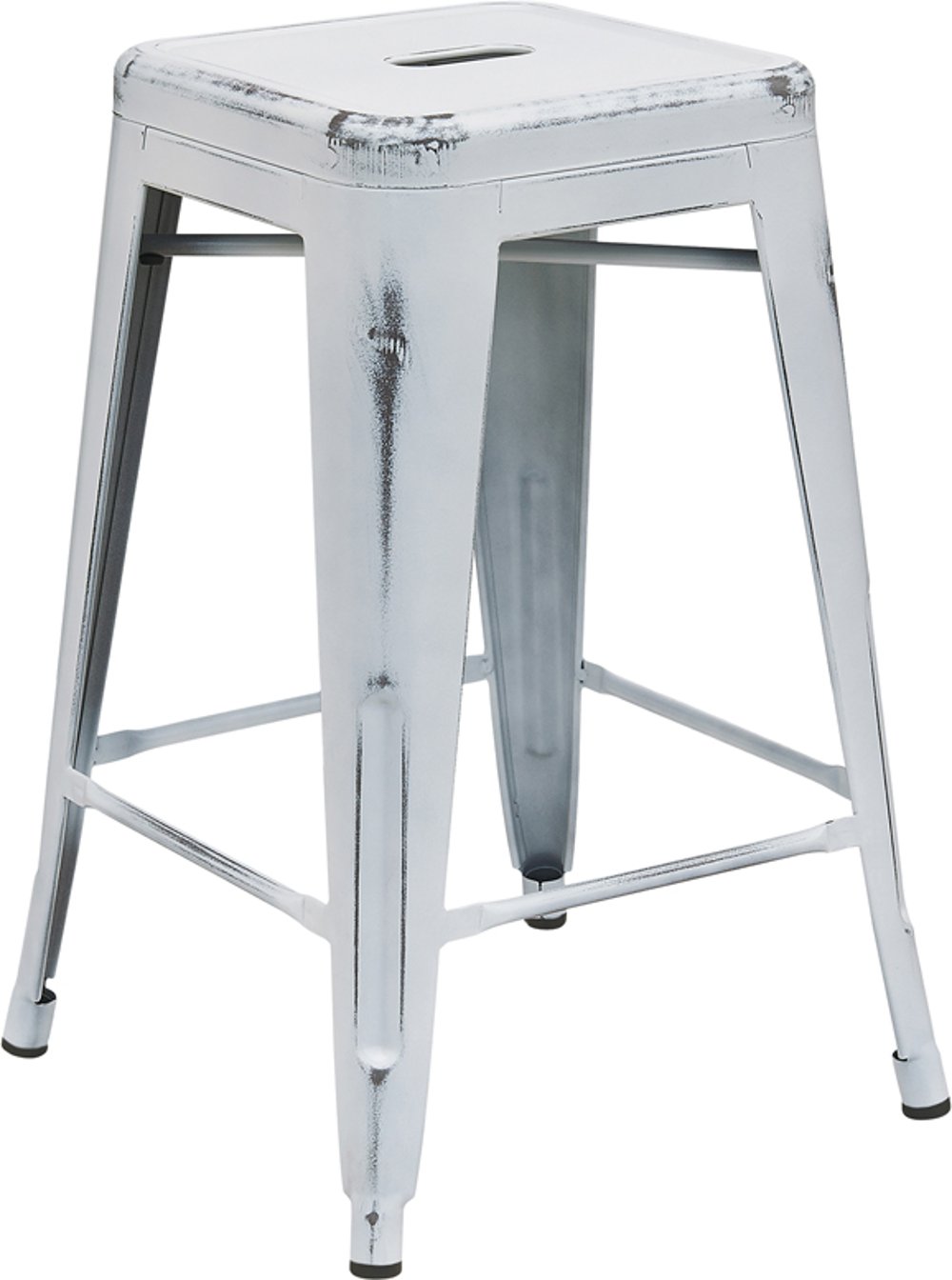
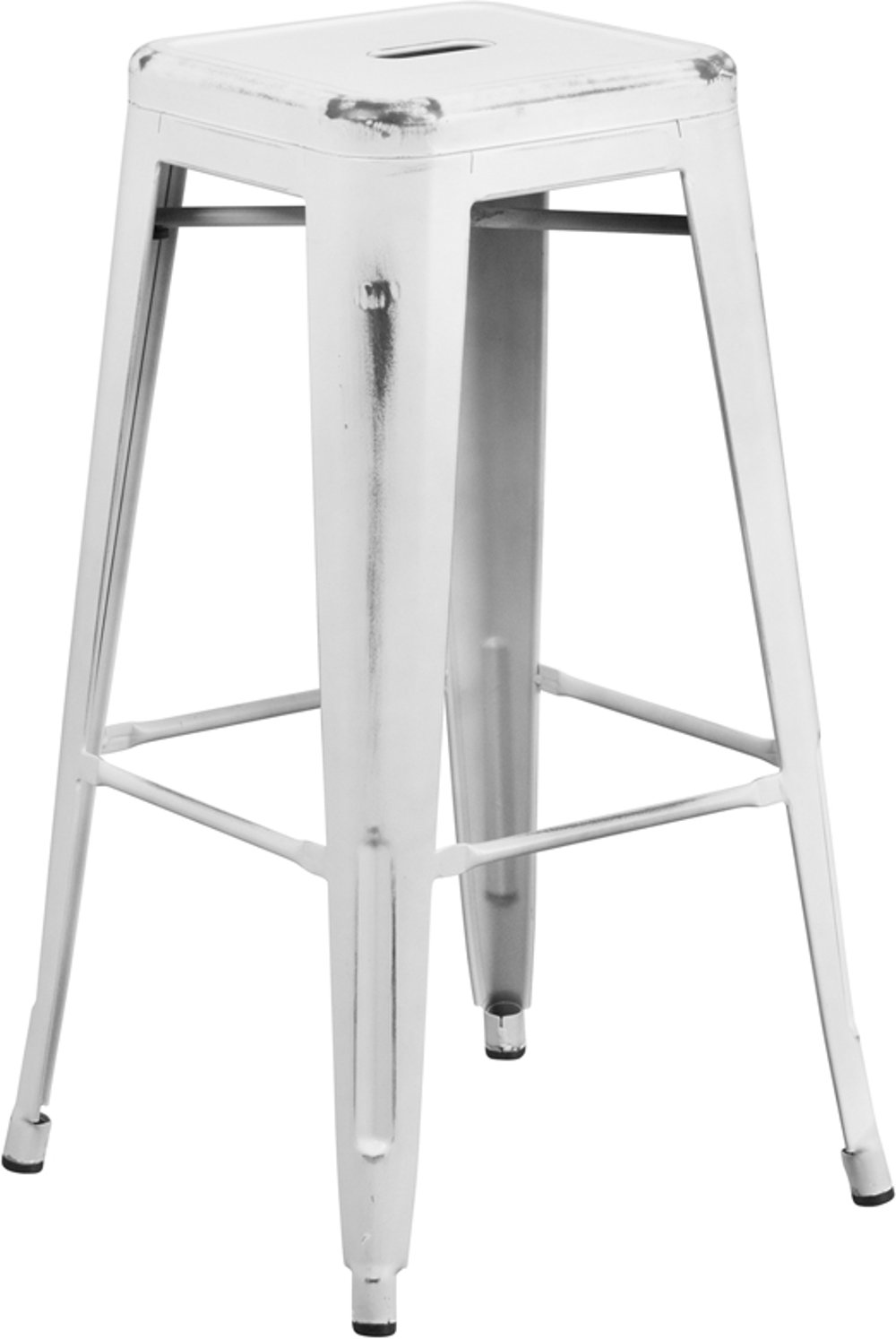
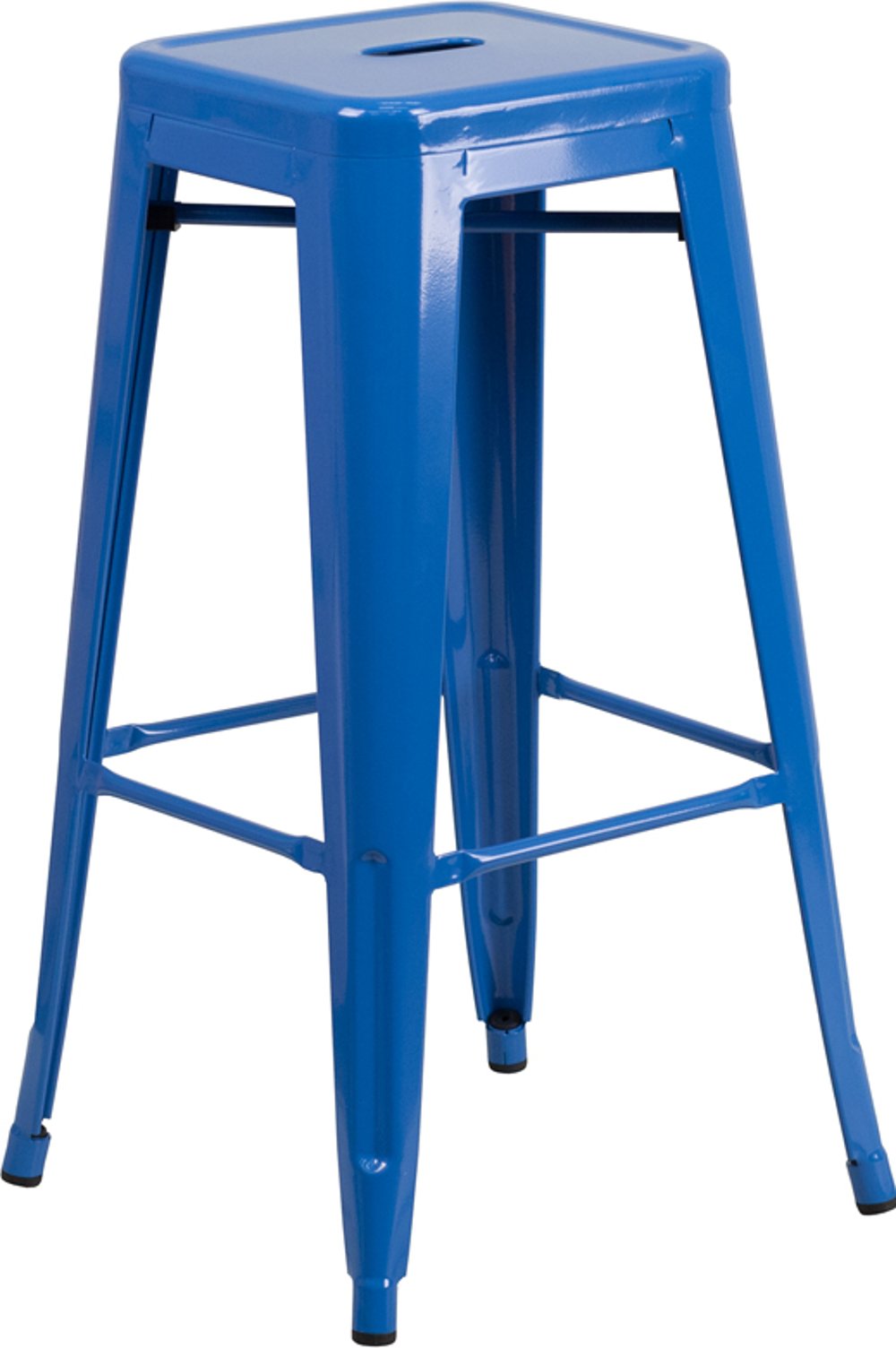
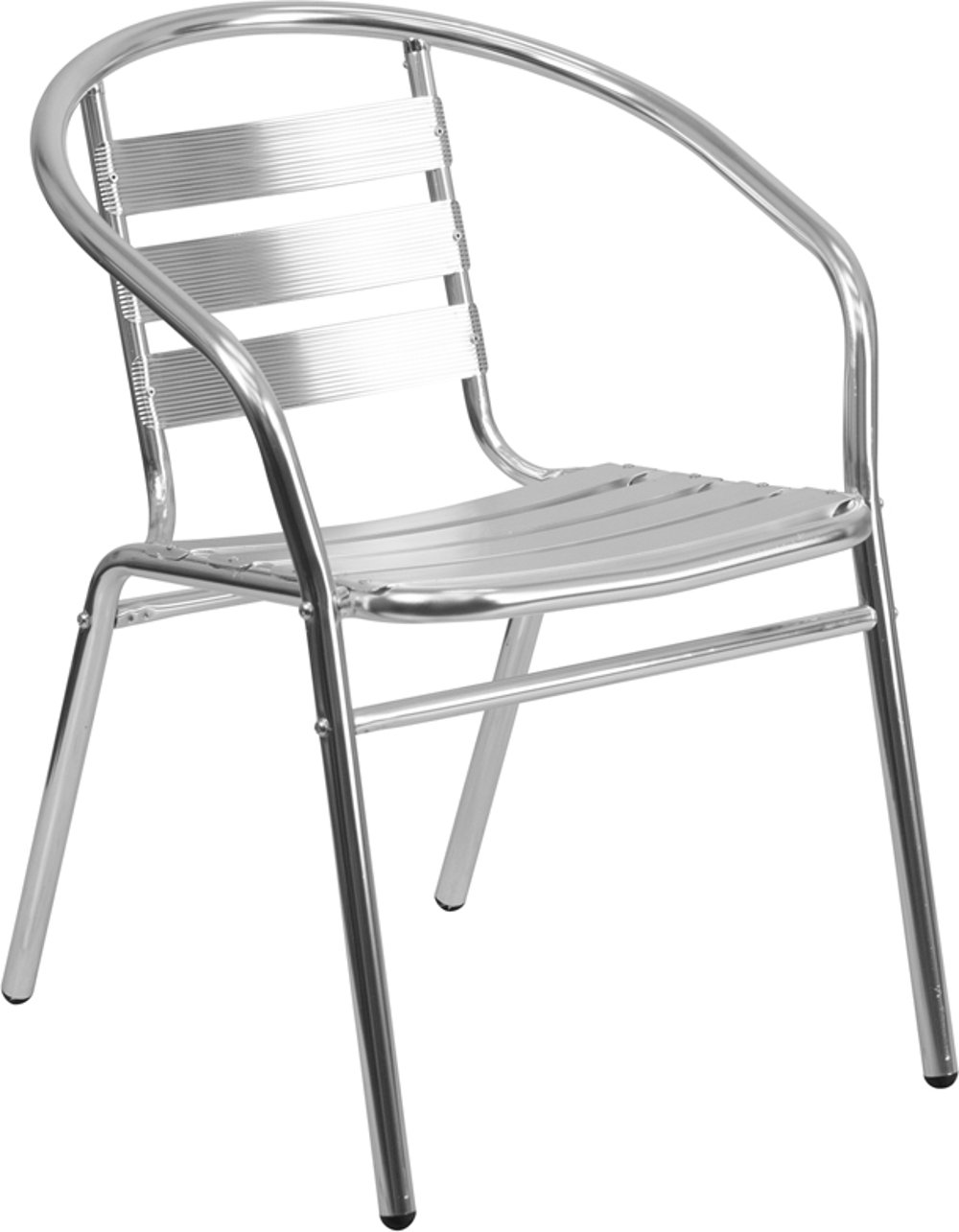
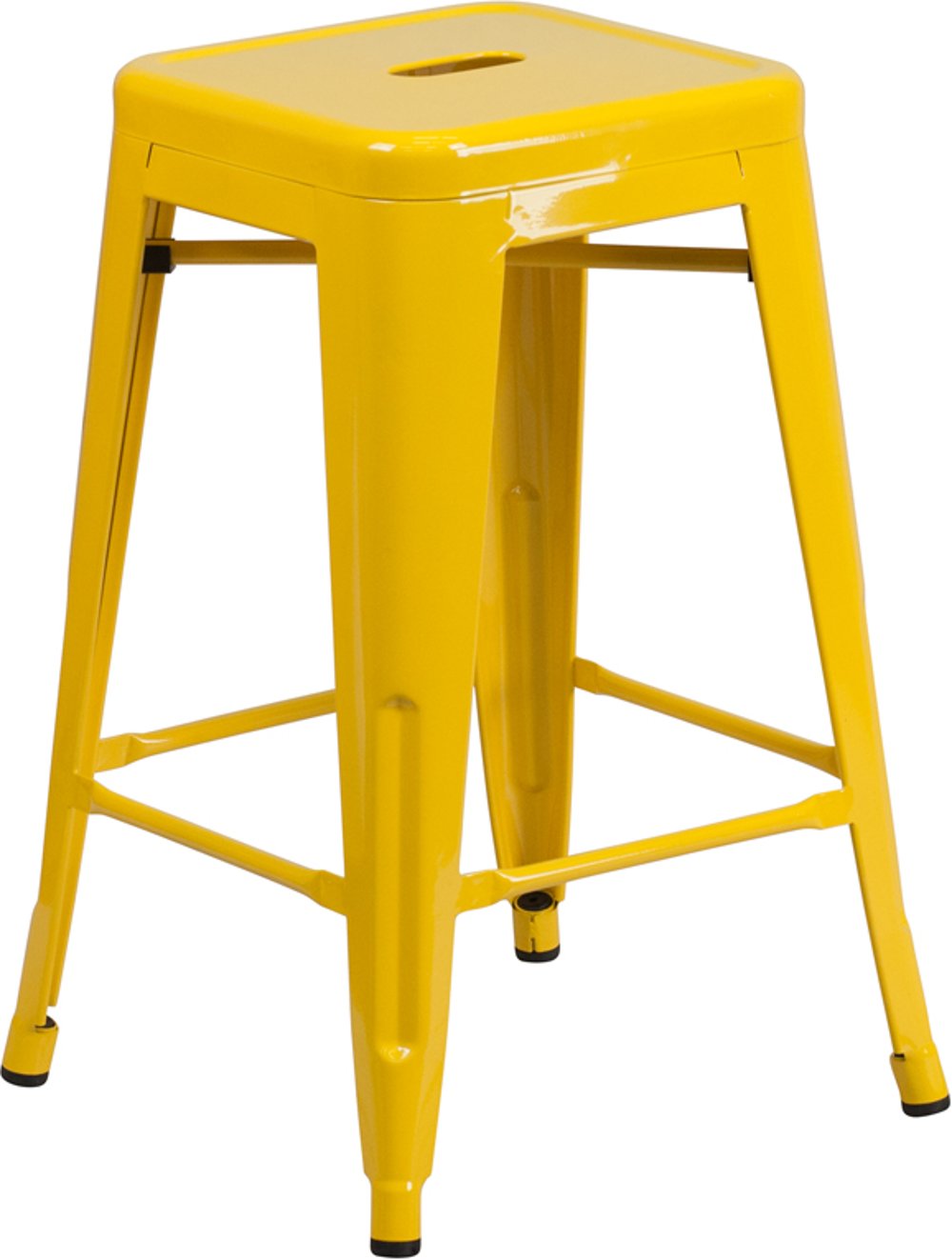
Stackable outdoor chairs give patios, decks, and balconies comfortable seating that takes up less floor space when it’s time to put it away. Designed to nest together vertically, these chairs make it easier to move between everyday routines and larger gatherings without dedicating the whole outdoor area to furniture. A pair beside a small balcony table can become part of a bigger seating arrangement for dinner, while extra chairs on a backyard patio can come out for guests and stack neatly afterward. That flexibility is especially useful when the same space serves as a dining area, a play spot, and a path to the garden. Unlike folding chairs, stackable designs generally keep their shape during storage, so the seat, back, and frame need to fit together as intended. Chairs from different collections may not stack safely, even when they look similar. The most practical fit depends on both the space where you’ll sit and the spot where you’ll store them. Overall width matters on narrow porches, while seat height and arm height determine how comfortably a chair works with an outdoor dining table. Arms should clear the tabletop or apron if you want to tuck chairs in, and there should be enough room behind each seat for someone to stand without stepping into a planter or blocking a doorway. For longer meals, a supportive back, a gently contoured seat, and well-positioned armrests can make a noticeable difference. Armless chairs often offer more flexibility around a compact table, though comfort still depends on the individual design. Check seat dimensions and the manufacturer’s weight capacity rather than judging support by appearance alone. A lightweight chair can be easy to carry without necessarily being suitable for every user. For homes where extra seating moves between a covered porch and an interior dining space, Indoor Outdoor Stackable Chairs offer another way to think about flexible seating, with attention to outdoor suitability and floor-friendly feet.
Materials shape how stackable patio chairs feel, how much they weigh, and how they handle exposure to sun and moisture. Aluminum frames are often a good match for seating that moves frequently because they’re relatively light and don’t develop the red rust associated with steel. They can still corrode under certain conditions, particularly around saltwater, so protective finishes and regular cleaning matter. Steel frames tend to feel heavier, which can be helpful in an exposed setting, but weight alone doesn’t make a chair windproof. Powder coating adds a protective barrier to metal, although scratches and worn areas can leave the underlying surface vulnerable. Plastic and resin outdoor chairs offer a different combination of benefits: their surfaces are generally easy to wipe clean, they don’t rust, and many designs are light enough to rearrange without much effort. UV-resistant materials are worth considering for a sunny deck because prolonged sunlight can fade or weaken plastics that aren’t formulated for outdoor exposure. All-weather wicker chairs bring woven texture to a seating area, often using synthetic strands over a metal frame. Their durability depends on the weave, the frame beneath it, and the quality of their outdoor construction; natural wicker isn’t an equivalent choice for uncovered use. Sling chairs feature a fabric panel stretched across a frame, creating a supportive seat with airflow rather than thick padding. Many outdoor sling fabrics shed water and dry relatively quickly, making them practical near a pool or in a space that catches occasional rain, though drying time varies with conditions. Wood can add warmth and a more substantial feel, but stackability varies by design, and maintenance depends on the species and finish. Across materials, outdoor-rated construction is more useful than appearance alone when judging suitability. A chair that spends its days under a deep porch roof faces different demands from one left on an open deck through changing weather. Drainage, corrosion-resistant hardware, and a finish appropriate to the setting all contribute to lasting everyday use.
The appeal of outdoor stacking chairs goes beyond compact storage: they can make an outdoor room feel considered without making it complicated. Slim metal frames sit comfortably alongside a simple dining table, woven seats soften a concrete patio, and molded silhouettes can bring a relaxed touch to a small apartment balcony. Coordinating shapes or finishes helps a mixed seating arrangement feel intentional, even when a bench occupies one side of the table. Cushions can add softness and color, provided their dimensions suit the seat and they don’t interfere with comfortable arm placement. Removable cushions also make it easier to bring fabric indoors during damp stretches, and they generally need to come off before chairs are stacked unless the manufacturer specifies otherwise. For households that entertain occasionally, a manageable stack of matching chairs can be more useful than leaving every seat set out year-round. Storage still deserves some thought: stacked chairs need level ground, adequate overhead clearance, and a location away from walkways or places where children might climb. Follow the stated stacking limit, since a taller stack isn’t automatically stable, and avoid dragging one chair against another when nesting them. Protective contact points can help reduce finish wear, but grit trapped between frames can still scratch surfaces. Routine care is usually straightforward when it follows the material’s instructions. Mild soap, water, and a soft cloth suit many outdoor surfaces; harsh abrasives and pressure washing can damage finishes, fibers, or joints. Let chairs dry before covering or storing them, and use an appropriately fitted, ventilated cover when recommended. During the cooler months, sheltered storage can reduce exposure to prolonged dampness, snow, and freezing conditions, especially for designs with crevices that hold water. Checking fasteners, feet, and frame connections periodically helps keep seating steady and protects deck surfaces. With the right proportions, suitable materials, and a storage plan that fits your home, stackable outdoor chairs leave room for both comfortable company and the everyday movement of life outside.
Read More