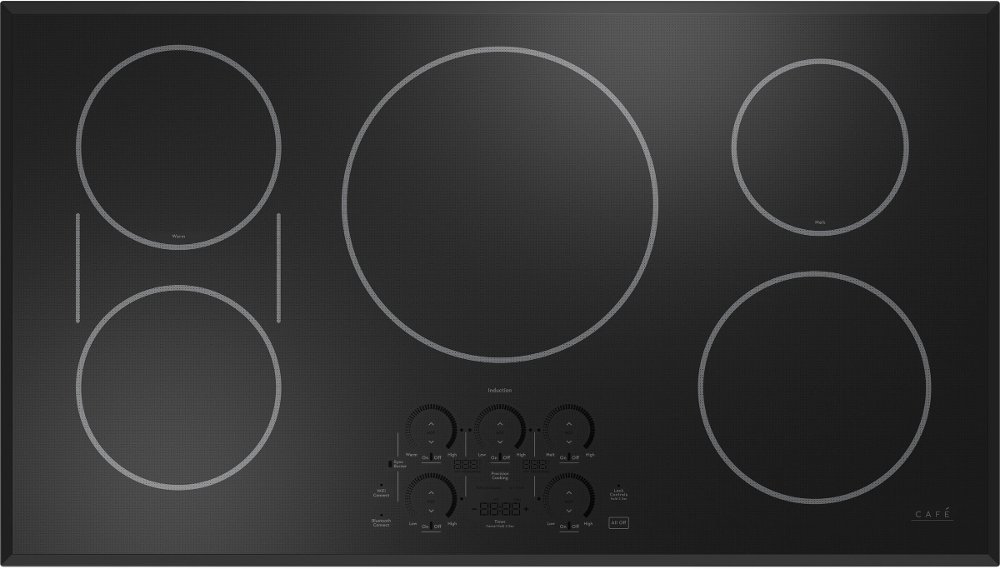
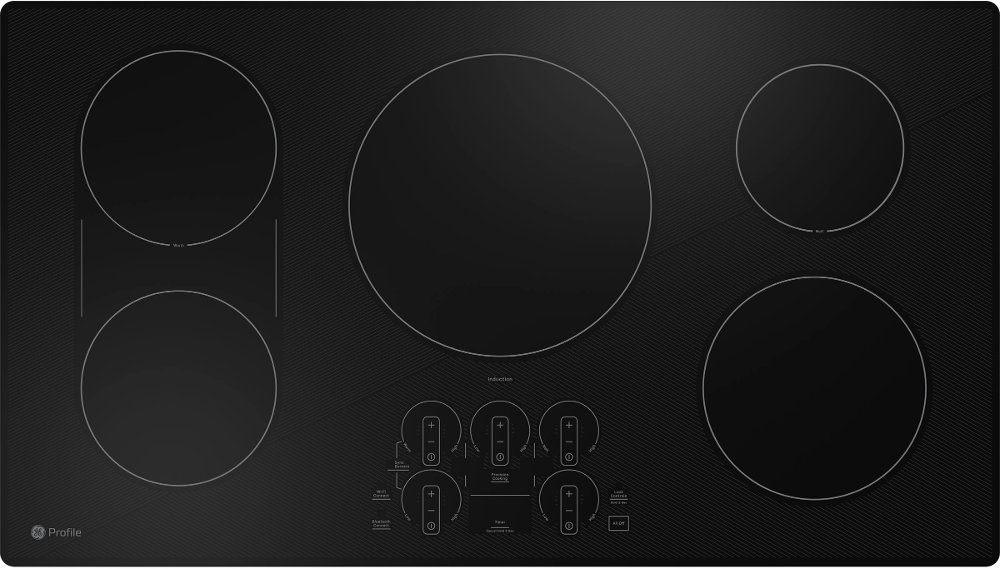
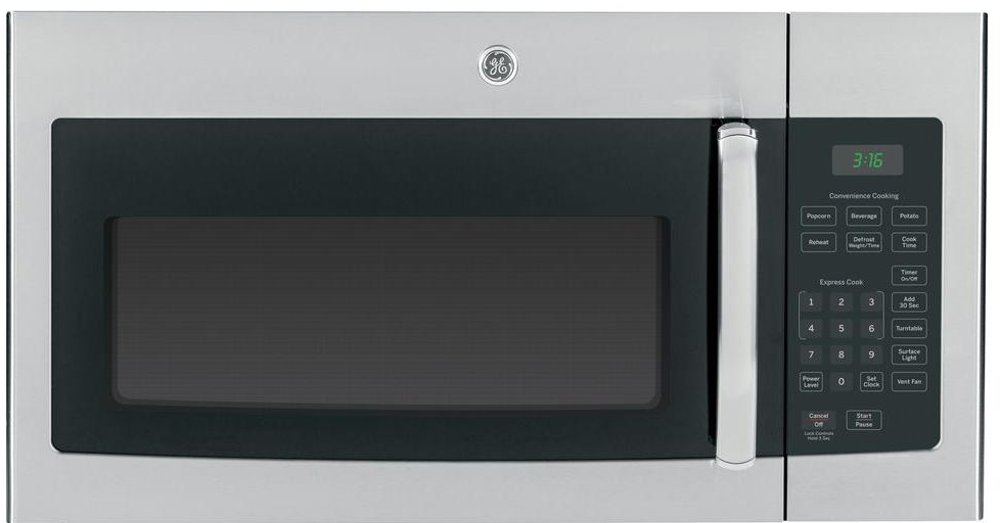
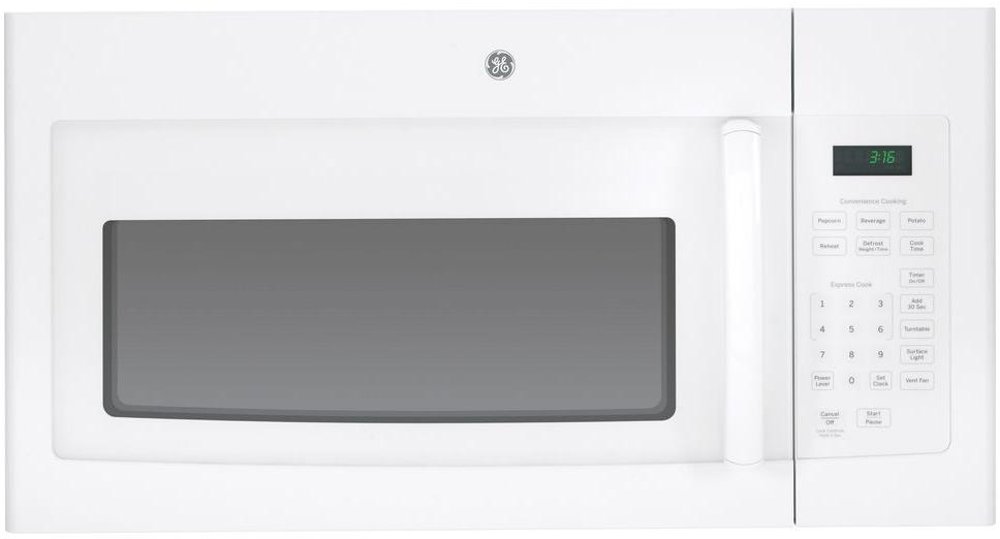
Kitchen technology brings together smart appliances, precision cooking tools, and automated features that help make everyday food preparation more manageable. Some products connect to a phone or home network, while others use sensors, digital controls, or programmable settings to handle a task more consistently. The most useful features fit the way your household already cooks: a clear temperature display for the person who likes a little guidance, multiple timers for a busy family dinner, or hands-free controls when fingers are covered in bread dough. Smart kitchen appliances may offer remote status updates, cooking notifications, and compatible voice controls, depending on the model. Connected ovens can include guided cooking programs or settings that adjust heat for different cooking methods; some also support food scanning, though compatible foods and programs vary. Certain smart refrigerators offer interior cameras, digital shopping lists, or food-management tools, but expiration tracking may require you to enter information rather than happen automatically. These distinctions matter because convenience should mean fewer steps, not another chore. Kitchen technology also includes practical improvements that work without an internet connection, such as responsive heating controls, automatic shutoff features, and sensors that help adjust cooking time. For someone reheating lunch between meetings, straightforward presets can be more useful than an extensive app. For an enthusiastic home cook, finer control over temperature may be the feature that earns its place in the kitchen. During the cooler months, when simmering soups, baked dishes, and shared meals often mean more time cooking indoors, dependable controls can help keep several tasks moving comfortably. Clear displays, easy-to-reach buttons, and audible alerts deserve attention alongside connected features, particularly in a kitchen shared by people with different comfort levels around technology. A well-matched appliance feels useful on an ordinary weekday, not just when company comes over. Its value comes from supporting the meals you enjoy making, whether that means a simple breakfast, a batch of lunches, or a dinner that brings everyone to the table.
Precision kitchen tools focus on controlling the details that can be difficult to judge by sight alone. Digital thermometers measure food temperature, while wireless cooking probes can send readings to a compatible receiver or phone so you can follow progress without repeatedly opening the oven. Connection range, heat limits, probe placement, and the difference between internal food temperature and surrounding oven temperature all affect how these tools perform. Wireless monitoring still calls for attentive cooking and safe food handling; it doesn't replace the need to follow appliance instructions and recommended food temperatures. Sous-vide equipment circulates a temperature-controlled water bath around properly sealed food, helping maintain a steady cooking environment. It's particularly suited to cooks who appreciate repeatable results and can allow time for preparation, safe handling, and any finishing step, such as searing. Digital scales bring similar consistency to measuring ingredients, especially for baking, where a loosely filled cup and a firmly packed cup can produce different results. Programmable countertop appliances can simplify repeated tasks, but capacity and intended use matter as much as the number of settings. A compact appliance may suit a small household or a kitchen with limited preparation space, while larger batches call for enough working capacity without crowding the food. Touchless kitchen faucets add a different kind of convenience, using motion sensors to activate water when hands are messy; sensor placement, power requirements, and a manual control option are practical considerations. Compatible voice assistants can help with timers and measurement conversions, although supported commands depend on the connected equipment and service. For smaller additions that complement larger appliances, Best Kitchen Gadgets offers a related place to explore everyday kitchen tools. These kinds of products can make thoughtful gifts for a new homeowner, a newly married couple, or someone who enjoys experimenting with recipes. The strongest match reflects the recipient's habits, available space, and interest in learning new controls rather than simply offering the longest feature list. Someone who bakes every weekend may appreciate precise measurement more than phone connectivity, while a frequent host may get more use from temperature monitoring during a crowded afternoon of meal preparation.
Materials, fit, and care help determine how comfortably kitchen technology becomes part of daily life. Stainless steel is common on appliance exteriors and food-contact components because it offers durability and a clean appearance, though finishes differ in how readily they show fingerprints and which cleaners they tolerate. Glass displays and smooth touch panels are often easy to wipe down, but wet or greasy fingers can make some controls less responsive. Removable trays, lids, and cooking vessels can make cleanup simpler; dishwasher-safe labeling should apply to the individual part, not be assumed for the entire appliance. Nonstick surfaces need utensils and cleaning methods that protect their coating, and electrical bases, charging ports, and probes require care according to their instructions. Water-using equipment may also need periodic descaling, especially in homes with hard water. Physical fit goes beyond the width of an appliance. Door and drawer clearance, ventilation space, nearby outlets, and room to lift a lid or remove a hot pan all shape how easy it is to use. A countertop appliance that fits beneath a cabinet for storage may need a different operating location to release heat or steam safely. Major kitchen appliances may have specific electrical, plumbing, ventilation, or installation requirements, so matching those needs to the space is essential. Connected features bring another layer of fit: supported Wi-Fi networks, phone compatibility, account requirements, and any subscriptions needed for optional functions. It's worth distinguishing the controls that work directly on the appliance from features that depend on an app or internet service. Software support and security updates can affect connected functions over time, while sturdy handles, readable markings, replaceable accessories, and accessible service information support long-term ownership. In a shared kitchen, simple manual controls can help everyone feel comfortable preparing food without borrowing someone else's phone. The best kitchen technology for your home balances useful automation with dependable everyday operation, leaving enough counter space, attention, and flexibility for the parts of cooking you enjoy.
Read More