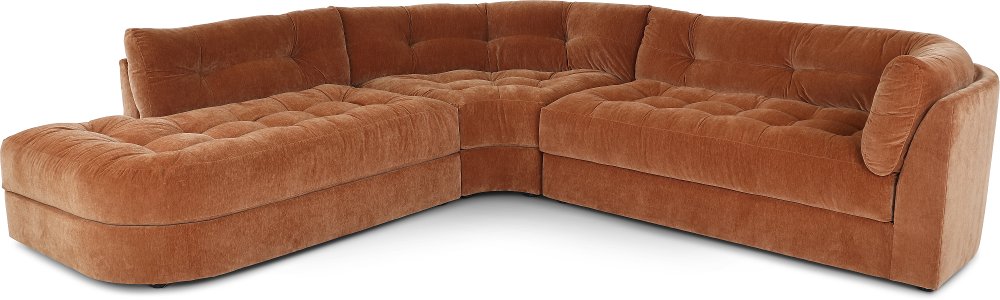
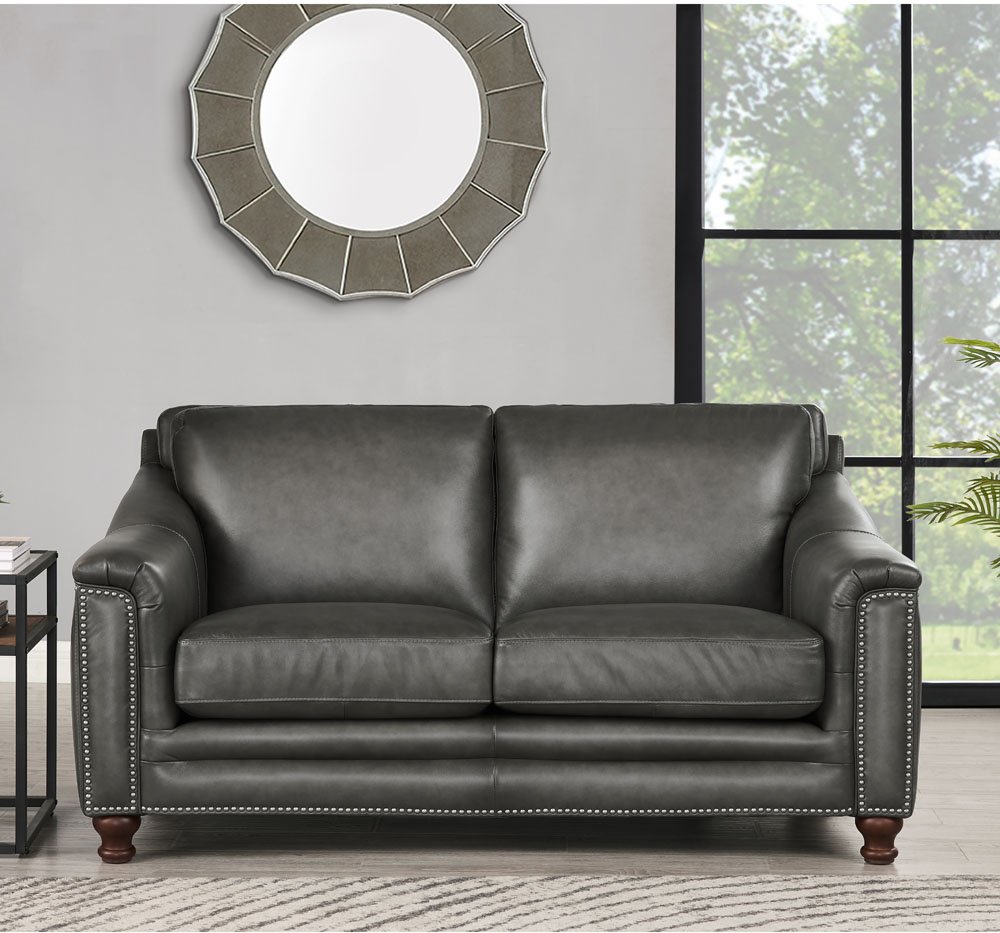
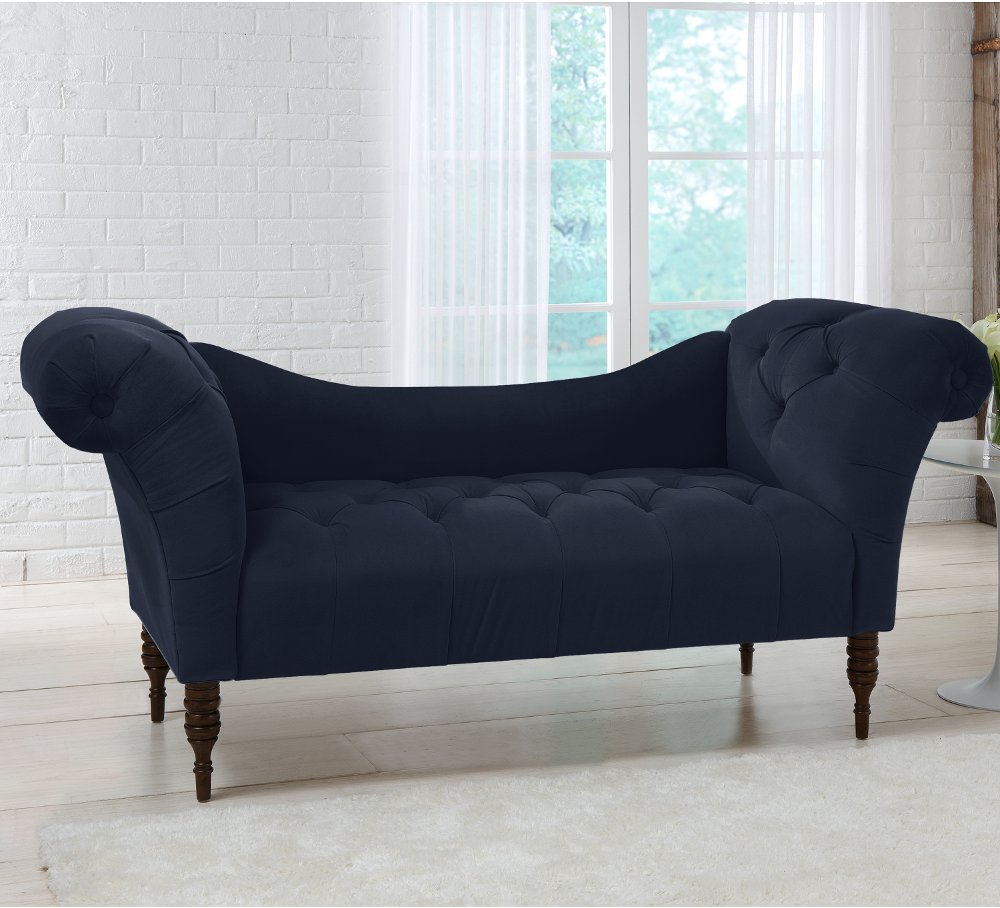
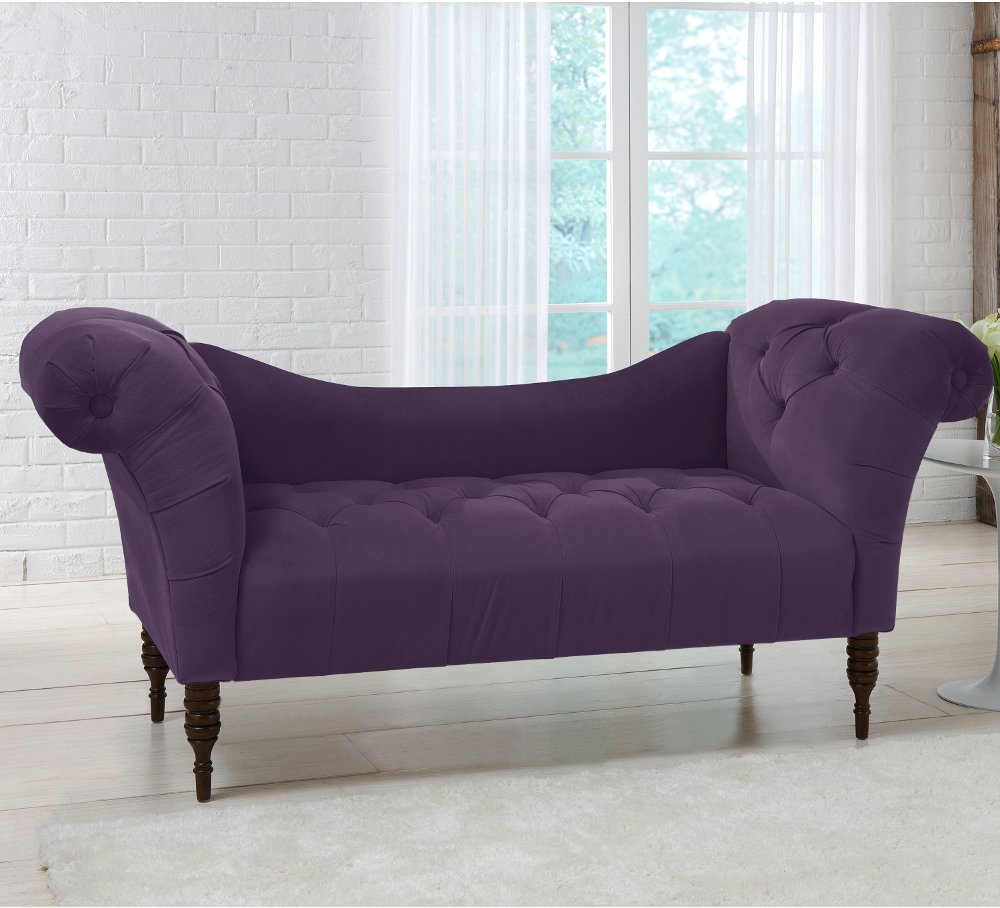
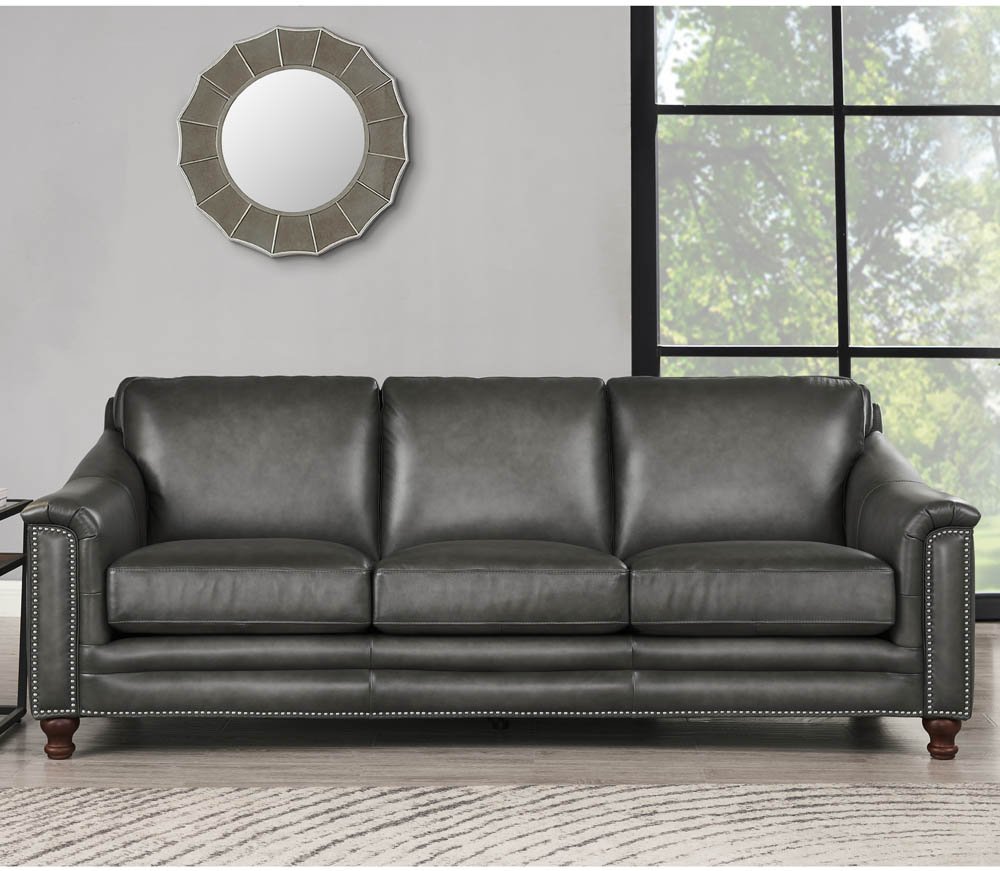
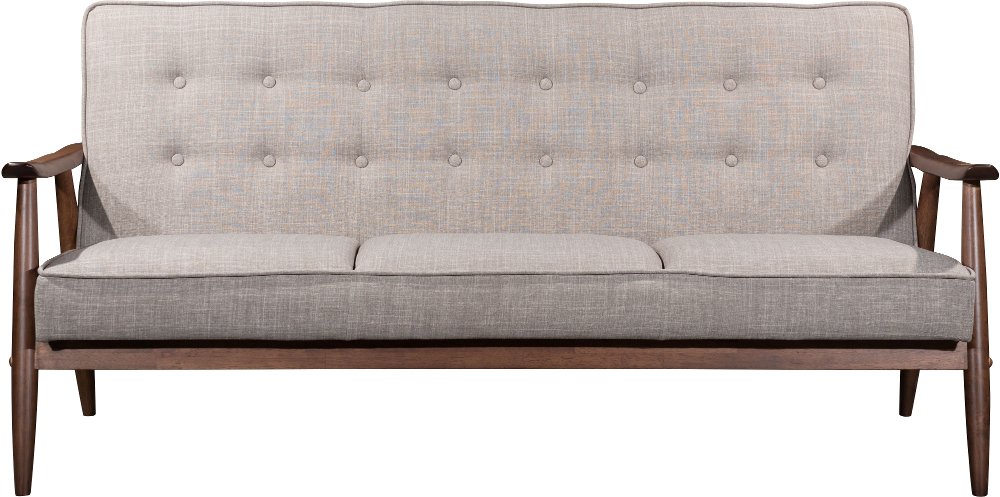
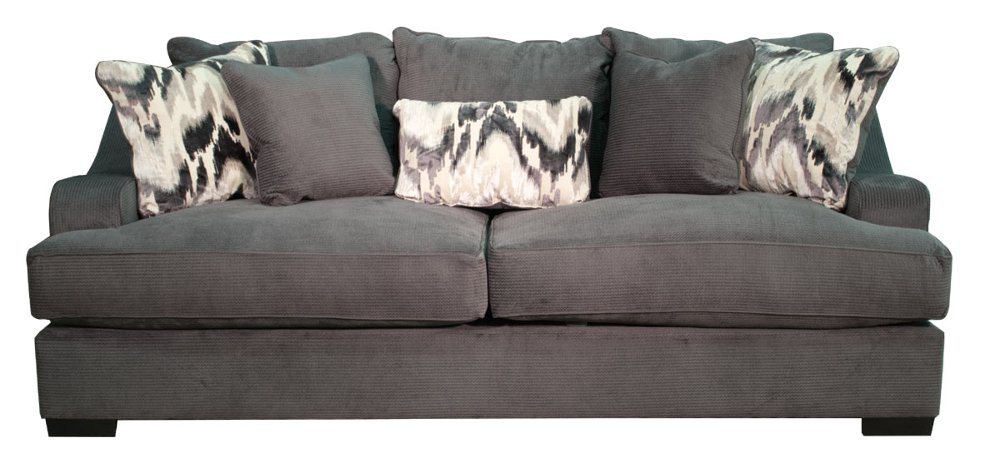
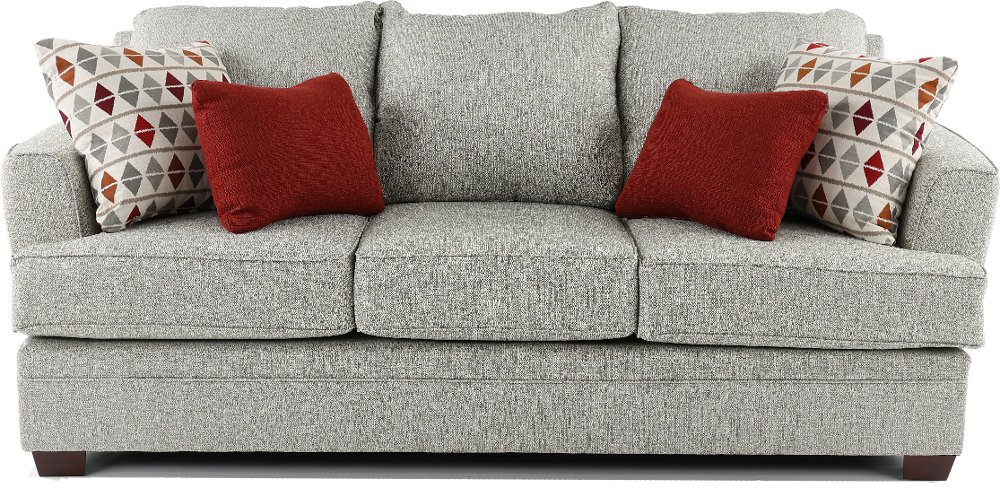
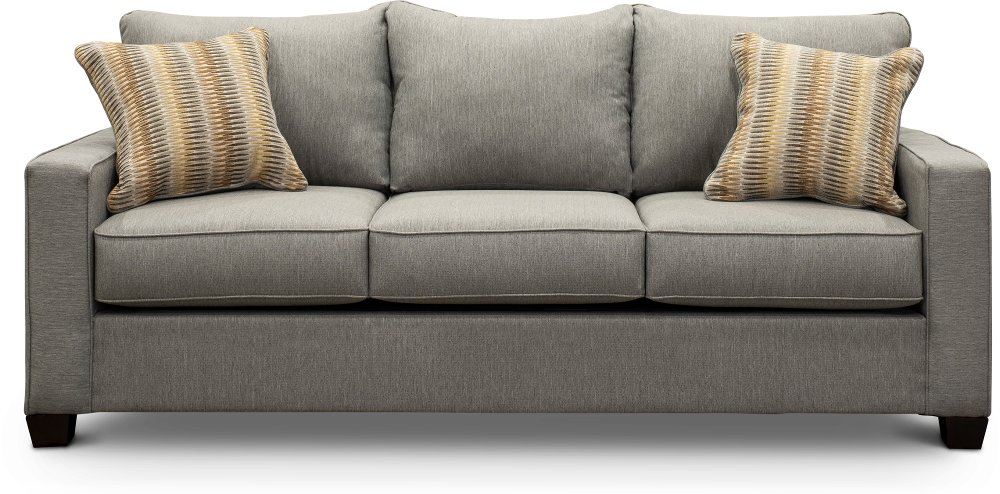
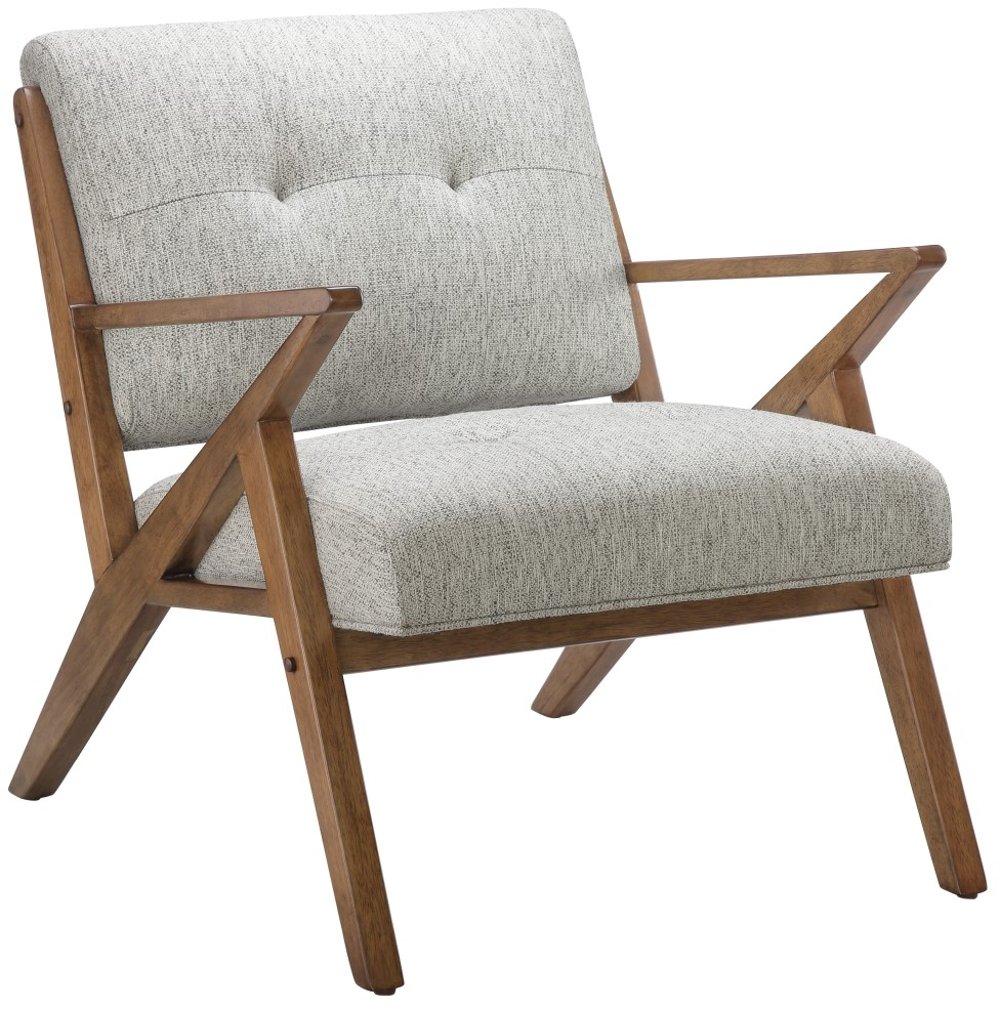
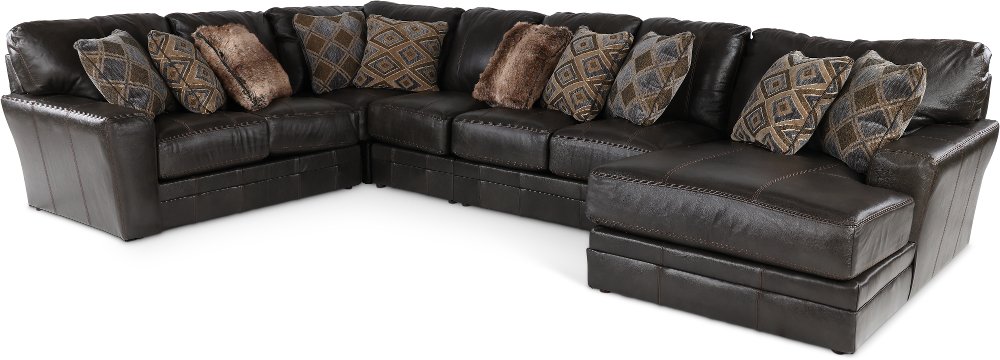
Tufted back sofas feature upholstery drawn inward at repeated points to create a pattern of indentations across the backrest. Buttons or stitches secure these recessed areas, giving the fabric or leather a dimensional surface rather than a flat finish. The result can feel formal and traditional or relaxed and modern, depending on the tufting pattern, frame shape, and upholstery. Deep diamond tufting creates pronounced folds and shadows, while square biscuit tufting offers a more orderly, geometric look. Shallow stitched details add definition without the dramatic texture of deeply recessed buttons. Tufting also helps hold padding in place at the attachment points, although a sofa’s overall shape retention depends on its construction and filling. A Chesterfield-style silhouette typically pairs a deeply tufted back with rolled arms that rise to roughly the same height, creating a substantial profile suited to a conversation area or a room with architectural detail. For a simpler setting, a straight-backed sofa with slim arms, exposed legs, and restrained tufting brings texture without looking ornate. Neither style has to dictate the entire room. A traditional tufted sofa can sit comfortably beside a clean-lined coffee table, and a streamlined design can soften a space filled with wood cabinets and metal accents. Color makes a difference, too: cream, taupe, and gray let the upholstery pattern supply much of the visual interest, while deeper shades emphasize the contrast between raised sections and recessed folds. A tufted back can serve as the focal point in a living room, provide an inviting place to read in a den, or make a home office feel more welcoming to visitors. For a busy family room, consider how the decorative back works with everyday lounging habits. A neatly tailored silhouette may look polished, but the seat depth, cushion feel, and angle of the back determine whether it feels right for a quick conversation or a full-length movie.
Upholstery affects both the appearance of a tufted sofa and how it handles daily use. Velvet makes tufting especially noticeable because its pile catches light differently across each fold. It can show pressure marks or changes in shading, so that gently varied appearance should feel like part of the appeal rather than an unwelcome surprise. Tightly woven fabrics offer a different kind of texture, often with a less reflective surface that works well alongside patterned rugs or pillows. Linen and linen-blend upholstery can lend a casual look to a structured back, though wrinkling, cleaning needs, and resistance to wear vary with the fiber blend and weave. For homes with pets, a smooth, tight weave may be more practical than loose loops that can catch claws; no upholstery is completely pet-proof. Performance fabric can be useful where snacks, visitors, and everyday spills are part of the routine, but the designation doesn't mean every fabric resists the same stains or accepts the same cleaning methods. Leather gives tufting crisp definition and can develop character with use. Its finish matters: some leathers show scratches, oils, and color variation more readily than others, while more heavily protected finishes generally provide a more uniform surface. Genuine leather, bonded leather, and faux leather have different compositions and care requirements, so check the material description rather than judging by appearance alone. Beneath the upholstery, durability depends on a combination of frame construction, secure joints, suspension, cushion materials, and workmanship. Tufting is a design and upholstery technique, not a guarantee of lasting support. A firmly upholstered back may retain a tailored appearance with little daily adjustment, but loose seat cushions can still need rotation or fluffing when their construction allows it. Look closely at the relationship between the back and seat: a deeply tufted back with firm seating feels different from the same visual style paired with softer, more enveloping cushions. The best fit supports the way the sofa will actually be used, whether that's sitting upright with guests, reading with feet tucked under, or sharing a seat with a child at story time.
Size and proportion matter just as much as upholstery when choosing a tufted back sofa. Measure the intended location, then check the sofa’s overall width, depth, and height against nearby furniture and walking paths. Painter’s tape on the floor can help show whether a deep frame will crowd the route between the entry and the rest of the room. Broad rolled arms take up space without adding seating, so compare usable seat width rather than assuming two sofas with equal overall dimensions will accommodate people equally well. Seat height and depth deserve attention, especially for anyone who prefers to keep both feet on the floor or needs a comfortable position for standing up. A lower back can preserve an open sightline across a room, while a taller back may offer more upper-back support; tufting alone doesn't indicate how supportive either will feel. If the room needs a smaller companion piece or a more compact seating arrangement, tufted back loveseats carry similar upholstery detail into a narrower footprint. Before settling on a size, measure doorways, hallways, stair turns, and elevator openings, and confirm any relevant delivery dimensions or removable components. Once the sofa is in place, simple, consistent care helps preserve its appearance. Use an upholstery attachment to gently remove dust and crumbs, paying attention to tufted recesses where debris can collect. Avoid pulling on buttons or catching them with a vacuum attachment. Blot spills promptly with a clean cloth, and follow the upholstery’s cleaning code and manufacturer’s directions before applying water, solvent, leather conditioner, or any other treatment. Removable cushion covers aren't necessarily machine washable. Position the sofa away from prolonged direct sunlight when possible to help limit uneven fading, and keep sharp accessories from rubbing against the upholstery. Finish the space with a few pillows that support comfortable sitting without hiding the tufted back. Leaving some of that pattern visible gives the room texture and a finished look while keeping the sofa ready for everyday use.
Read More