Results for: Washer & Dryer Sets












#myrcwilleyhome
See how real customers are transforming their spaces with RC Willey. Get inspired, share your style, and create a space that's Your Home. Your Way.
Explore NowBest Washing Machine and Dryer Sets for Every Home
Your ultimate guide to picking the perfect washing machine and dryer set is here! We've rounded up vital info for individuals, families, new homeowners, and renters seeking easy financing options, all keen on modern conveniences and energy efficiency. Dive in to find out why picking the right washer and dryer set can transform your laundry routine!
Buying Washing Machine and Dryer Sets
Thinking of upgrading your laundry setup? Here's what you should know about choosing the best washing machine and dryer set for your needs.
- Washer to Dryer Ratio
When pairing your washer with a dryer, aim for matching capacities. Generally, the washer's capacity in cubic feet should align with your dryer's. This ensures that you can transfer full loads without any hassle.
- Is It Cheaper to Buy a Washer Dryer Set?
Yes, it's often more economical to buy them as a set. Retailers frequently offer bundles at discounted rates, and you'll save on delivery and installation costs. Plus, sets usually match aesthetically, giving your laundry room a cohesive look.
- Should You Buy a Washer and Dryer as a Set?
Absolutely! Buying them together ensures size, style, and feature compatibility. It can optimize your laundry routine and increase appliance longevity.
- When Do Washers and Dryers Go on Sale?
Keep an eye out during holiday sales like Black Friday, Memorial Day, and Labor Day. You can snag incredible deals during these times.
- How Much Should You Pay for a Washer and Dryer Set?
The price varies based on size, efficiency, and features but expect to spend between $1,000 and $2,500. Premium models with advanced features might cost more, but they often justify the price with efficiency gains over time.
- How Long Should a Washer and Dryer Last?
With proper care, most washer and dryer sets can last around 10 to 13 years. Regular maintenance and choosing a reliable brand can extend their longevity.
Features to Look for in Washer & Dryer Sets
Understanding which features your washer and dryer sets have can significantly impact your choice. Here are some key aspects to consider:
- Washer Types:
- Top Load Washer: Easy to use and great for those needing to add items after the cycle starts. Many come with a traditional agitator or a high-efficiency impeller for gentler washes.
- Front Load Washer: Ideal for small spaces and stackable setups. They generally use less water and are more energy-efficient.
- Dryer Types:
- Gas Dryer: Typically costs more upfront but can be cheaper in the long run if you already have a gas hookup.
- Electric Dryer: Easier to install and widely available, making them a popular choice for many households.
- Capacity Matters: What's considered large capacity? Look for washers with at least 4.5 cubic feet and dryers over 7 cubic feet. For bigger families, such as a group of six, even larger units are essential for efficiency and time-saving.
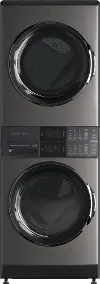
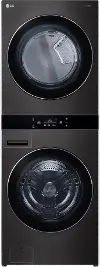
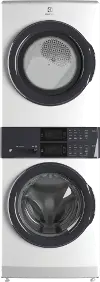
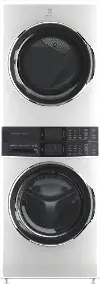
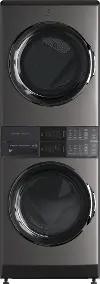
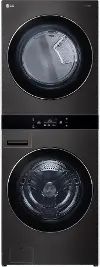
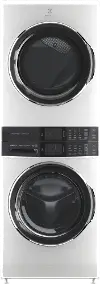
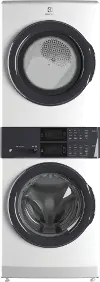
- Stackable and Space-Saving Options: If you're tight on space, consider stackable or all-in-one washers and dryers. These units make the most of your available square footage without sacrificing performance.
- High-Efficiency and Energy Ratings: Energy-efficient models can save you money on utility bills and reduce environmental impact. Look for the ENERGY STAR label to ensure you're getting a product that meets high efficiency standards.
- Sensor Drying and Advanced Technologies: Features like sensor drying prevent over-drying and save energy. Modern sets come with Wi-Fi connectivity, allowing remote operation via smartphone apps.
Is a Washer Dryer Combo Right for You?
Combos are a space-saving marvel, combining washing and drying functions into one unit. They work well in small apartments or homes with limited space. However, they may take longer for a complete cycle compared to separate units. Consider what fits your schedule and lifestyle best.
Washer Dryer Combo vs. Separate Units
A separate washing machine and dryer might be preferable for larger households due to speed and efficiency. Evaluate your needs, space, and budget to decide the best setup.
Tips for Choosing Your Perfect Washer and Dryer
Here’s how to ensure you land the best model for your family:
- Evaluate Load Size and Frequency: Consider how often you do laundry and the typical load size. Families of four need at least a 4.5 cubic foot washer to handle weekly loads efficiently.
- Consider Your Laundry Room Space: Measure your available space before shopping. Remember to allow for doors, ventilation, and movement space.
- Think Energy Source: Decide between gas or electric, considering existing hookups and long-term energy costs.
- Assess Additional Features: Modern features like steam settings, allergen cycles, and smart capabilities enhance convenience and cater to specific needs.
- Check for Sales and Deals: Take advantage of seasonal sales or store discounts to save a bundle on your purchase.
FAQs – Washer & Dryer Sets Buying Guide
- Q: How do I know if a washer/dryer set will fit in my laundry space?
A: Always measure your space—including height, width, and depth. Don’t forget to account for venting, doors, and installation clearance.
- Q: Is it okay to mix washer and dryer brands?
A: While you can mix brands, buying a matched set ensures compatibility in size, features, and controls—plus, it usually looks better too.
- Q: What’s the difference between a vented and ventless dryer?
A: Vented dryers expel hot air outside via a duct, while ventless dryers condense moisture internally. Ventless models are great for apartments or older homes without duct access.
- Q: Are extended warranties worth it?
A: They can be—especially for higher-end models or if you're buying a washer/dryer set for a large family that will get heavy use.
- Q: How often should I clean my washer and dryer?
A: Clean your washer drum monthly, clear dryer lint after every load, and check dryer vents quarterly to maintain safety and efficiency.
Secure the Best Washer & Dryer for Your Home with RC Willey
Choosing the best washer and dryer set doesn't have to feel complicated. Whether you're focused on capacity, smart features, energy savings, or space-saving convenience, there's a perfect pair out there for you. Prioritize your lifestyle needs, set a budget, and RC Willey will help you find the perfect solution for your home.
