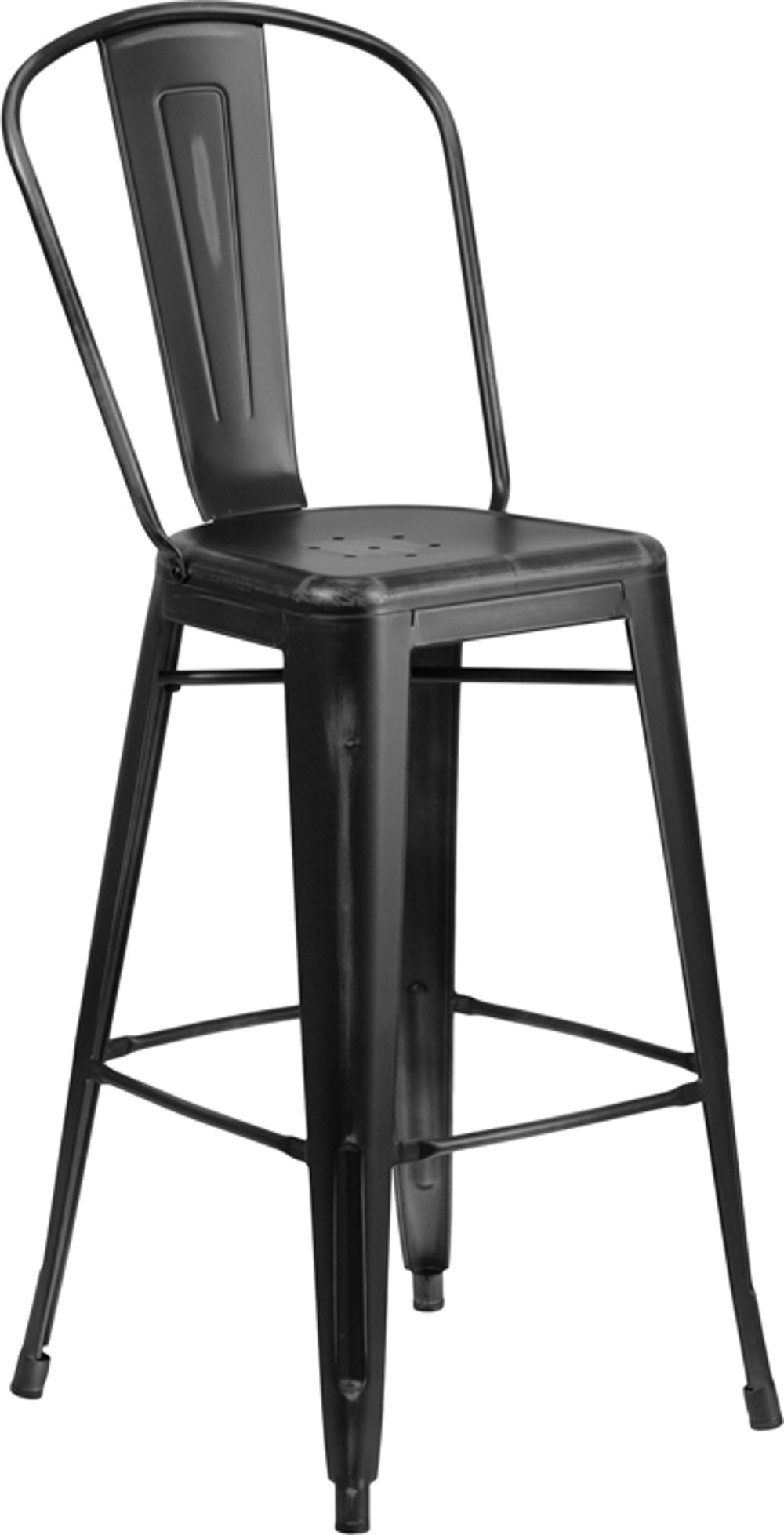
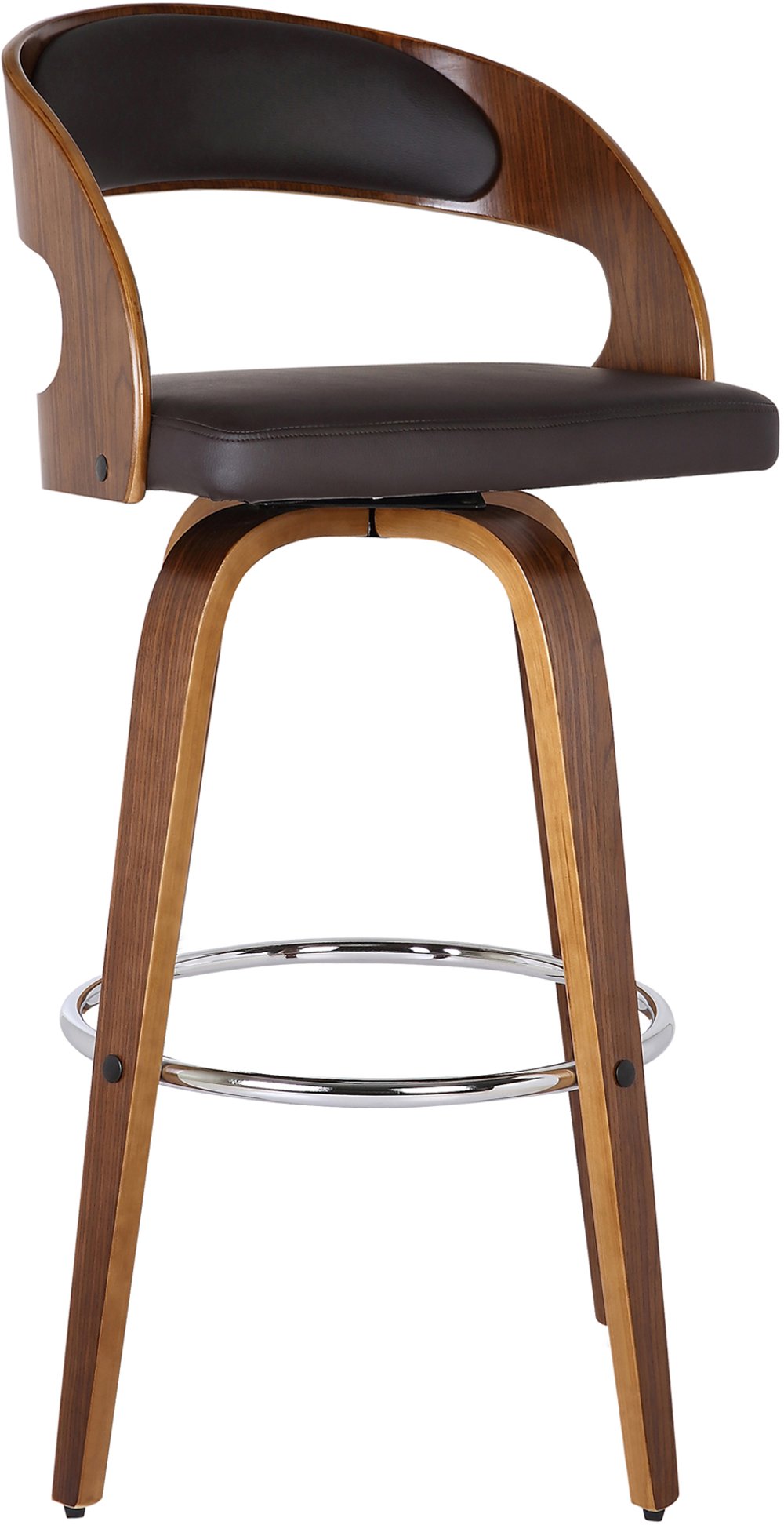
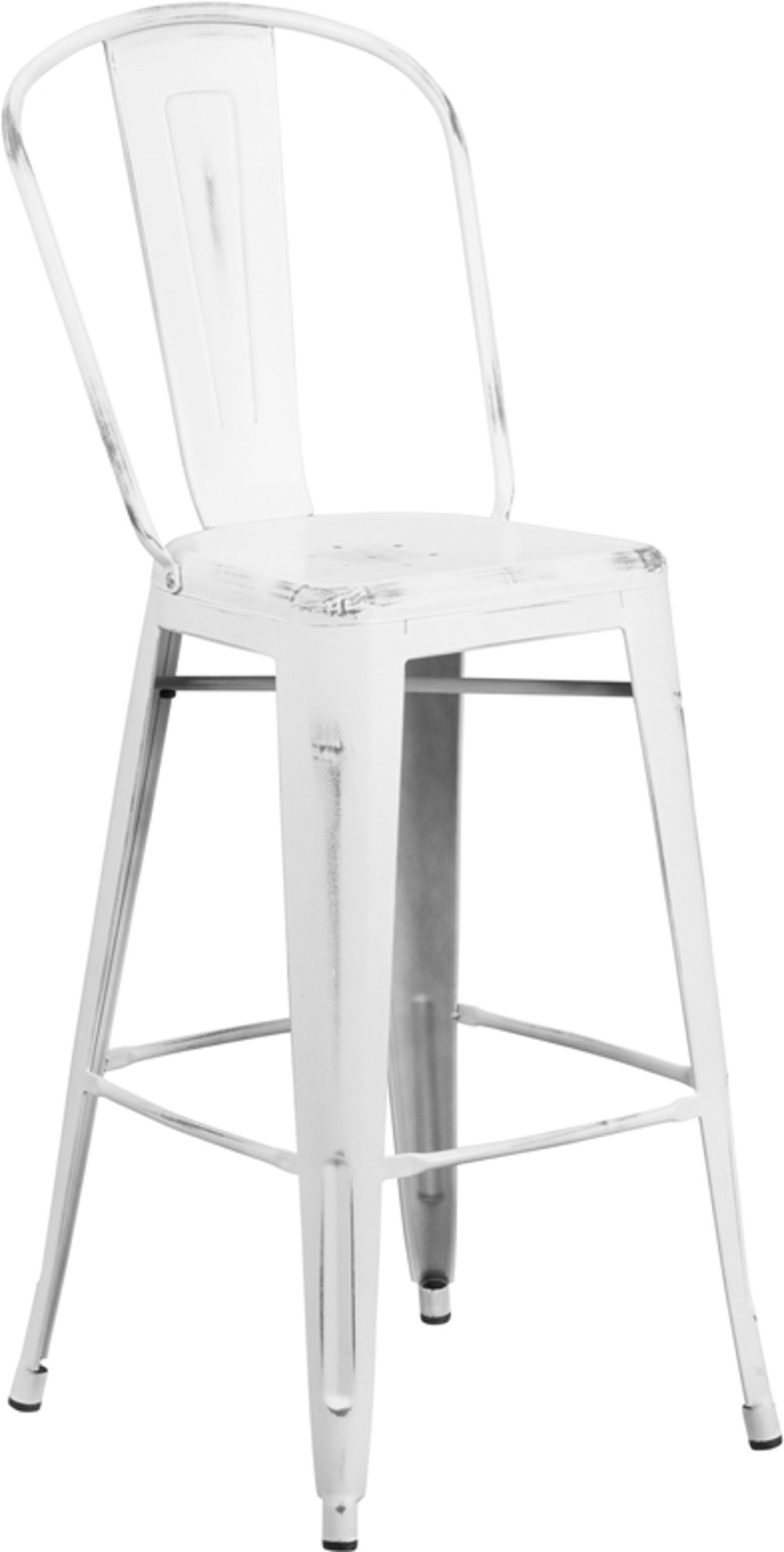
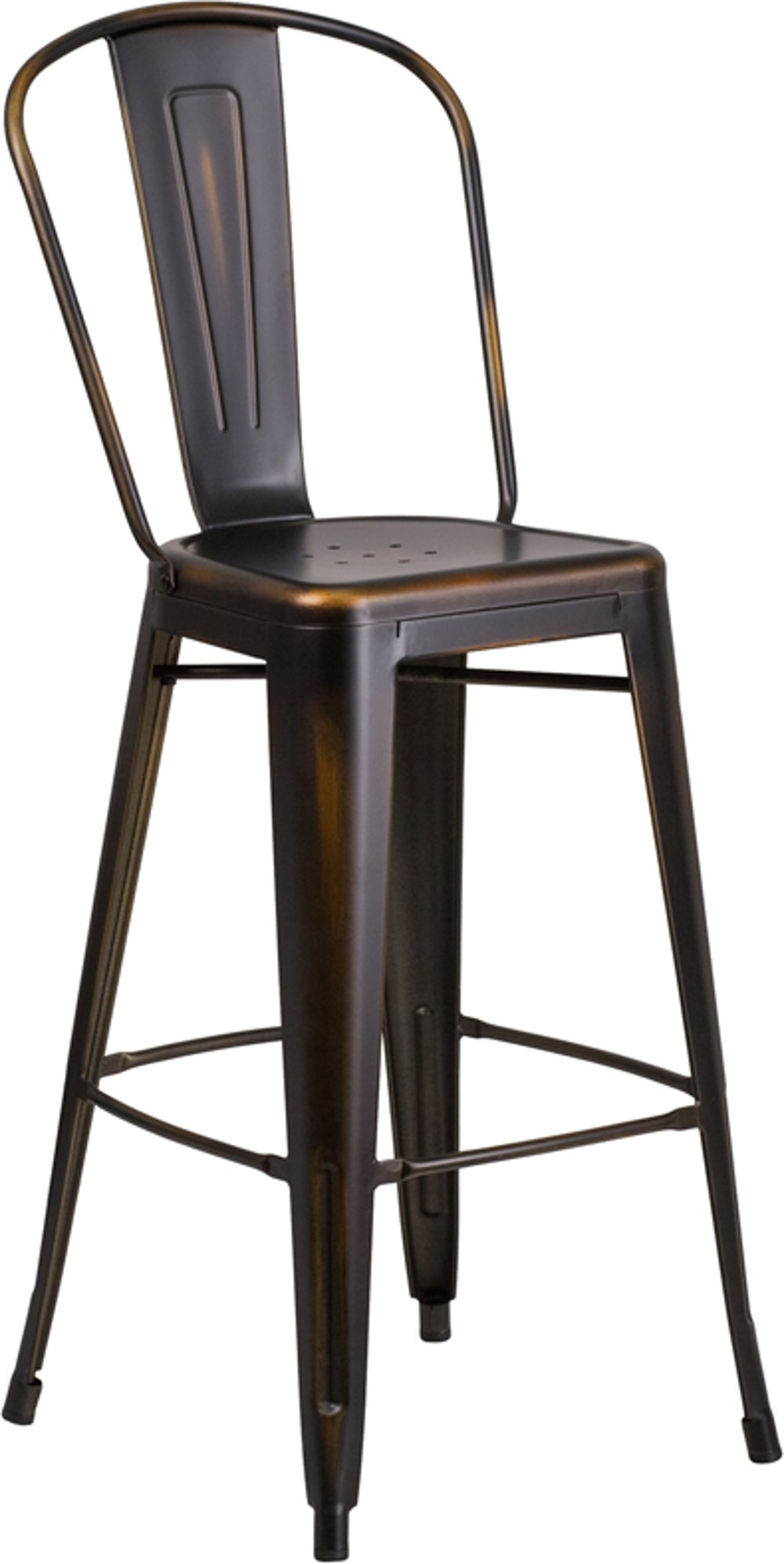
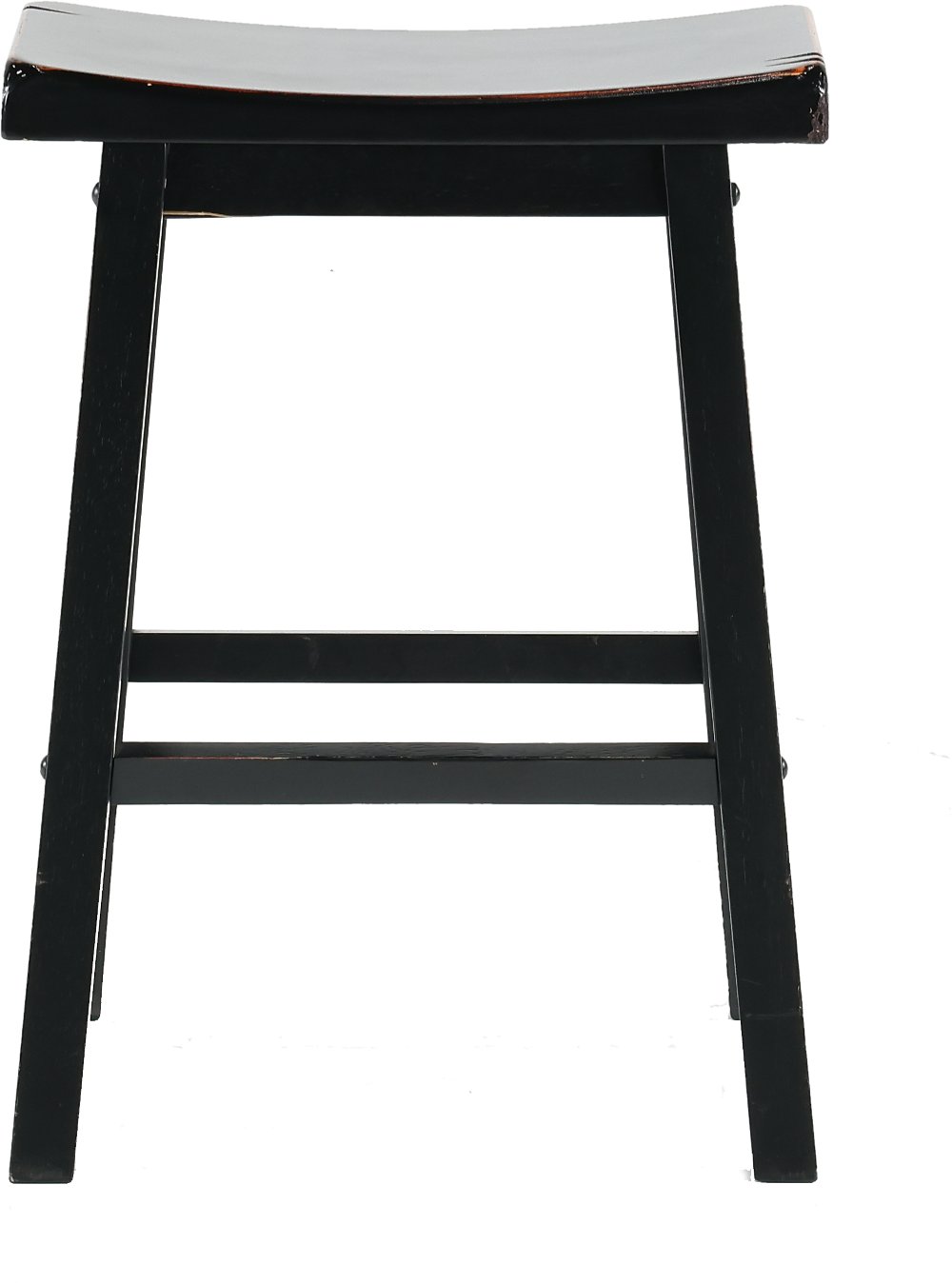
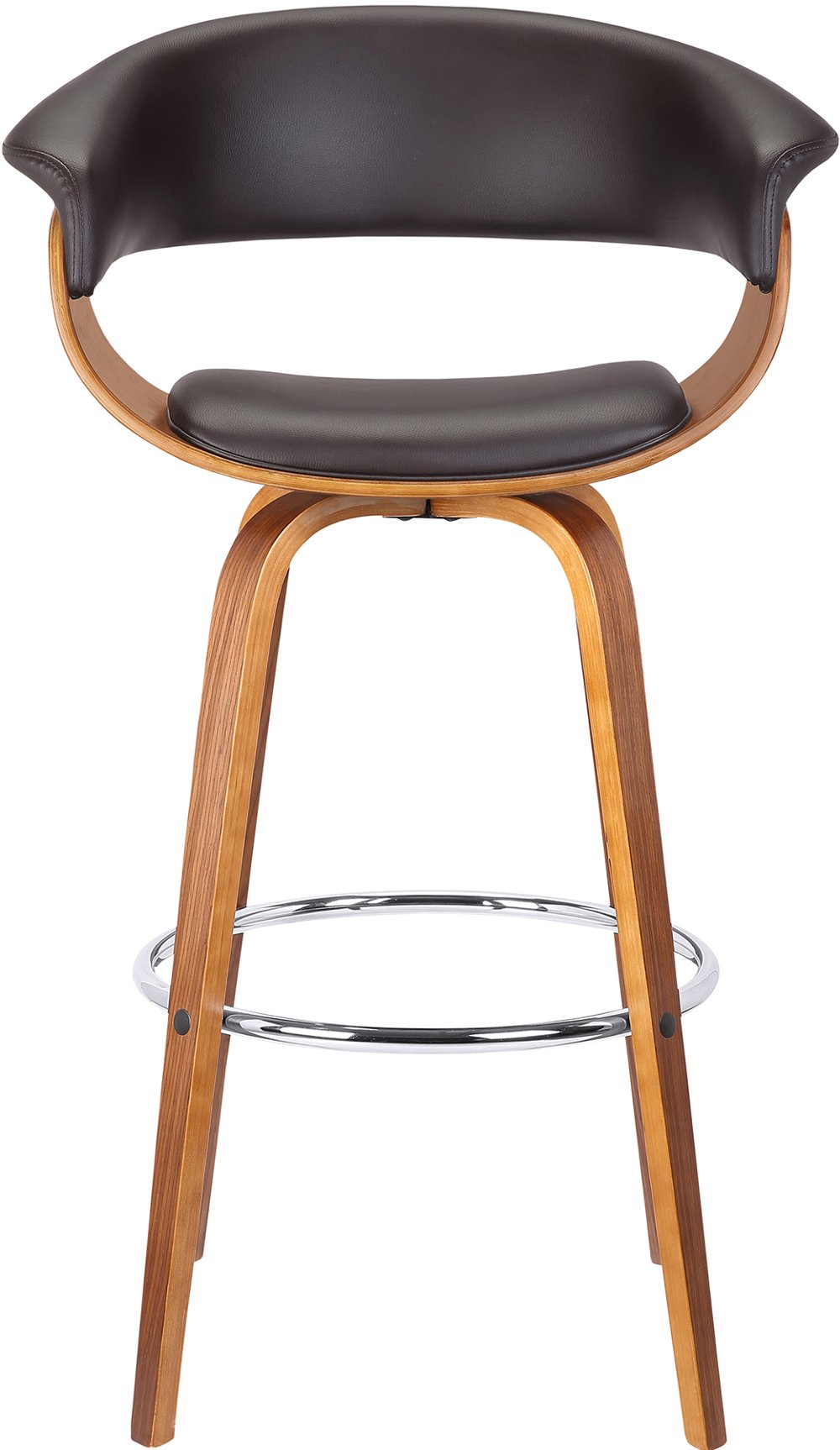
30-inch bar stools have a seat height of approximately 30 inches and generally fit bar-height surfaces measuring 40 to 42 inches tall. That pairing leaves about 10 to 12 inches between the seat and the underside of the surface, giving you room to sit comfortably without crowding your knees. These stools bring everyday seating to raised breakfast bars, tall kitchen islands, home bars, and bar-height tables, turning a stretch of countertop into a place for breakfast, conversation, or a quick bite between activities. The important measurement is seat height, not the height of the backrest: a stool labeled 30 inches may stand considerably taller overall if it has a full back. Counter thickness, support brackets, and decorative aprons can also reduce legroom, so the usable space beneath the surface matters as much as its overall height. For a comfortable arrangement, allow roughly 24 to 30 inches of bar length per person, adjusting for the width of the seat, arms, and base. Wider stools and swivel designs often need more room so neighboring seats don’t bump when someone turns to join a conversation. A narrow breakfast bar may feel more open with two well-spaced stools than with three squeezed together, especially when the area doubles as a walkway. Backless stools can often tuck beneath the overhang, while stools with arms or tall backs may remain more visible even when pushed in. Think about nearby cabinet doors, drawers, and the path between the island and dining table, too; seating should support the way you move through the room. For standard kitchen counters around 34 to 36 inches high, a shorter seat is usually the better fit. If that matches your space and you prefer a relaxed, country-inspired look, 24 Inch Farmhouse Bar Stools offer a related seating category to explore. Choosing the right height keeps your feet supported, your shoulders relaxed, and the countertop within comfortable reach.
Materials give 30-inch bar stools much of their character, but they also influence how the seating handles daily use. Wood frames add warmth and can connect a kitchen’s seating area with nearby dining furniture, cabinetry, or open shelving. A visible grain pattern brings texture to a simple room, while a painted finish can create a crisp contrast against a stone countertop. Solid wood construction can provide lasting strength when joints are well made, though the finish still needs protection from spills and abrasive cleaning. Metal frames offer a different look, ranging from slender, streamlined silhouettes to substantial designs with an industrial feel. Weld quality, stable connections, and a protective finish all matter more than appearance alone. Powder-coated metal can resist everyday scuffs, but scratches should still be handled according to the manufacturer’s instructions. Upholstered seats soften the look and feel of a bar area, making them appealing for anyone who likes to linger over coffee or sit through a relaxed meal. Woven fabric introduces color and texture, while genuine leather develops its own character with use. Faux leather can provide a smooth, wipeable surface, although resistance to peeling, staining, and wear varies by material and construction. For a busy kitchen where snacks and drinks are part of the routine, cleaning requirements deserve close attention. A smooth seat with fewer seams may be simpler to wipe down than deeply tufted upholstery, while textured fabric may need regular vacuuming to lift crumbs from the weave. Design details can help the stools feel at home without matching every finish exactly. Wood seats on metal bases can bridge warm cabinetry and dark hardware; upholstered backs can echo the softness of a nearby sofa. Consider the view from adjoining rooms as well as from the kitchen itself. Because bar stools often sit in an open layout, their backs, legs, and footrests become part of the room’s overall design.
Comfort and durability depend on the whole stool, not just a padded seat. A supportive backrest can make longer meals more comfortable, while a low back offers some support without creating a tall visual barrier across the island. Backless seating works well for shorter visits and compact layouts, especially when easy access from more than one side matters. A contoured seat can feel different from a flat one, and upholstery firmness affects whether the stool feels supportive over time. At a 30-inch seat height, a well-positioned footrest is particularly useful because most adults won’t rest their feet on the floor. It gives your feet a steady place to land instead of leaving your legs dangling. Swivel mechanisms can make it easier to turn toward guests or step away from the bar, but they also require enough surrounding clearance for safe movement. Arms offer another point of support, provided they fit beneath the counter and don’t restrict access to the seat. For households with children, pay attention to stability, appropriate supervision, and the manufacturer’s intended use; a tall stool isn’t a substitute for age-appropriate seating. Check weight limits and assembly instructions, and keep fasteners tightened as directed. A broad, balanced base, sound joints, and suitable floor protectors help seating stand up to repeated use while reducing scratches on wood or tile. Care should match the material: wipe spills promptly, use cleaners approved for the finish or upholstery, and avoid soaking wood or saturating cushioned seats. Lift stools rather than dragging them when practical, and replace worn floor glides before exposed hardware reaches the floor. Stools intended for residential indoor use shouldn’t be assumed suitable for outdoor spaces or heavy commercial use. Whether your bar area serves as a breakfast spot for two, a gathering place during dinner preparation, or extra seating when friends visit, the best fit combines the right dimensions with materials and features that suit those routines. Thoughtful proportions and straightforward care help 30-inch bar stools remain comfortable, useful additions to the spaces where everyday life happens.
Read More