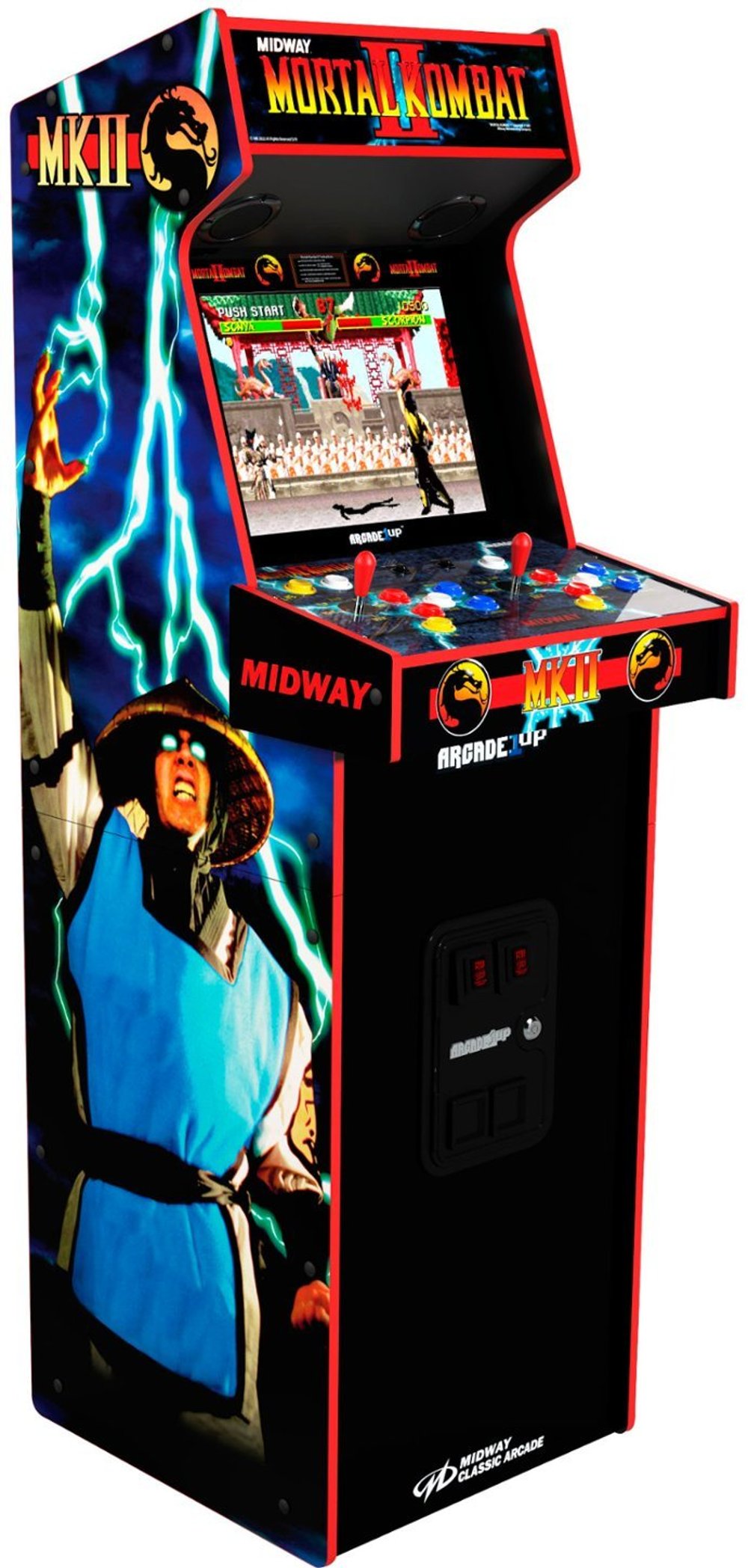
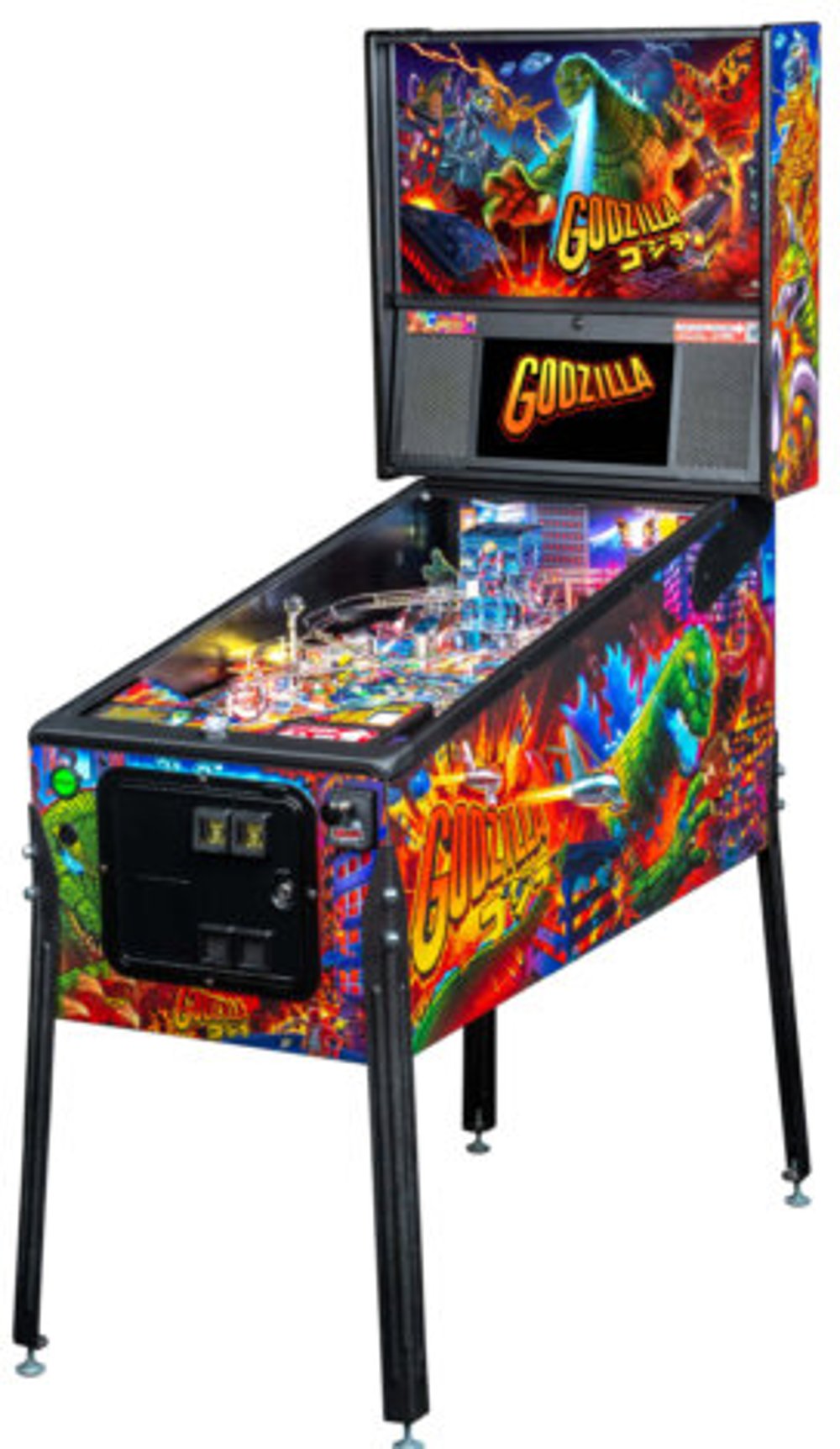
Arcade games bring quick rounds, hands-on controls, and a little friendly competition into your home. The term covers electronic video game cabinets and amusement machines built around accessible play, scorekeeping, and repeatable challenges. Traditional arcade machines often used coin-operated play in public spaces, while many home versions let you start a game without feeding a coin slot. Depending on the format, the experience might involve steering through a race, clearing a screen of obstacles, timing a button press, or keeping a pinball in motion. That variety makes arcade games a natural fit for game rooms, finished basements, and shared living spaces where entertainment happens face-to-face. Unlike a game played on a personal device, an arcade cabinet gives everyone a place to gather: one person takes the controls, another watches the score climb, and someone nearby calls the next turn. Upright cabinets recreate the familiar standing arcade experience, while countertop and seated formats offer different ways to work gaming into a room. Some machines focus on a single game or style of play; others include a built-in selection that lets different players find something they enjoy. For a closer look at formats designed for residential spaces, explore home arcade machines with your room and everyday routines in mind. The appeal goes beyond nostalgia, although familiar cabinet artwork, glowing displays, and responsive joysticks can certainly bring back memories. Short rounds can fit between dinner and a movie, while cooperative play gives siblings or guests a shared goal. For households with different ages and experience levels, straightforward controls and adjustable difficulty, when included, help make joining in more comfortable. Game selection matters as much as appearance: a cabinet that suits the way your household likes to play is more likely to become part of regular evenings than one chosen for its looks alone. During the cooler months, that dedicated spot for indoor entertainment can make a quiet night at home feel a little more social.
A good fit starts with the machine’s full dimensions and the space people need around it. An upright arcade cabinet may have a relatively narrow footprint, but players still need room to stand, move their elbows, and step aside between turns. Two-player control panels need enough width for comfortable side-by-side play, especially when adults share the controls. Seated arcade games require space for a chair or stool as well as clearance to get in and out without blocking a walkway. Countertop formats need a level, sturdy supporting surface that can handle the machine’s weight and the movement of active play. In a multipurpose family room, positioning a cabinet along a wall can keep the center open for conversation, provided the placement meets the manufacturer’s ventilation requirements. Measuring doorways, stair turns, and the route into the room is just as important as measuring the final location. Cabinet height, control placement, and screen angle also affect comfort; a setup that feels natural for a standing adult may be awkward for a younger player or someone who prefers to sit. Construction varies, with cabinets commonly using engineered wood panels, laminated finishes, molded plastic components, and metal hardware. Durability depends on more than the outer shell. Secure panel connections, a steady base, firmly mounted controls, and well-finished edges all contribute to a machine that feels dependable during repeated play. A larger cabinet isn’t automatically commercial-grade, and a compact model isn’t necessarily intended for children, so intended use and age recommendations deserve attention. Screen visibility matters, too. A display opposite a bright window may catch glare, while a screen set too low can make longer sessions less comfortable. Adjustable volume, when provided, helps balance game sounds with nearby conversation or television watching. Access to a suitable electrical outlet, safe cord placement, and any required internet connection should be part of the room plan rather than an afterthought. Together, these details help an arcade game feel like it belongs in your home instead of something the rest of the room has to work around.
The best everyday experience comes from matching the game’s features to the people who will use it. A player who enjoys chasing a personal high score may prefer fast restarts and consistent controls, while a household that hosts friends may get more use from simultaneous multiplayer options. A large game count can sound appealing, but the mix of genres, control layouts, and play modes often matters more than the number alone. Built-in games, online features, score saving, and access requirements vary, so the included features should support the experience you expect. A joystick-and-button layout feels different from a steering wheel or trackball, and that physical interaction is a big part of an arcade game’s character. For gift giving, arcade games can suit a longtime gaming fan, a couple furnishing a recreation room, or a family creating a shared hangout. Because these are substantial additions to a home, confirming space, preferred games, assembly needs, and delivery access makes the surprise easier to enjoy. Day-to-day care is usually straightforward, but the machine’s instructions should always come first. A soft, dry cloth can remove surface dust, and approved cleaning methods help protect screens, printed artwork, and control panels. Spraying cleaner directly onto a display or near buttons can allow moisture into sensitive areas; applying an approved cleaner to a cloth is generally a safer approach when the manufacturer permits it. Drinks belong on a separate, stable surface away from electronics, and ventilation openings need to stay clear. Gentle use of joysticks and buttons helps reduce unnecessary wear, while periodic checks of accessible fasteners can help keep an assembled cabinet steady. Children should use equipment as directed, without climbing on cabinets or hanging from controls, and any supplied anchoring instructions should be followed. Warranty terms, replacement-part information, and service access are also worth understanding for long-term ownership. With thoughtful placement and routine care, a home arcade game can become a familiar gathering place—the spot where guests settle into an easy rivalry, kids celebrate a new score, and an ordinary evening gets one more round.
Read More