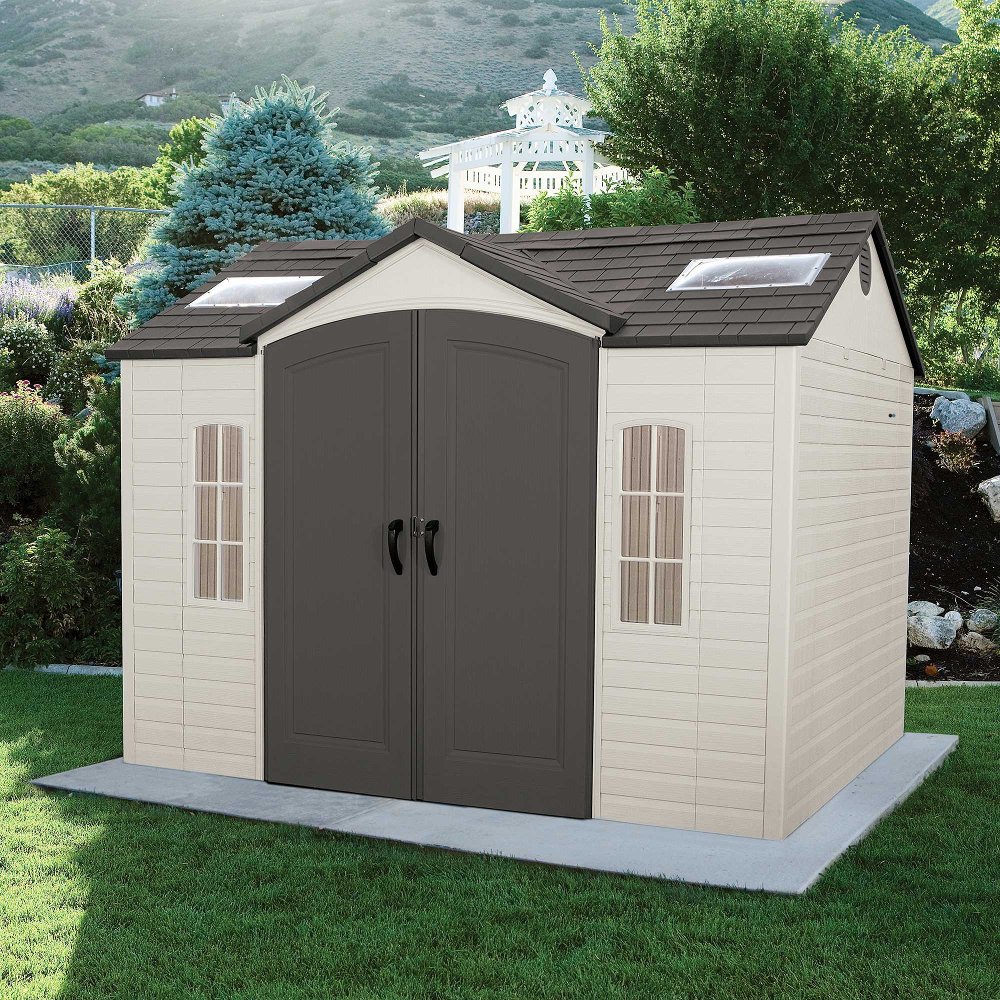
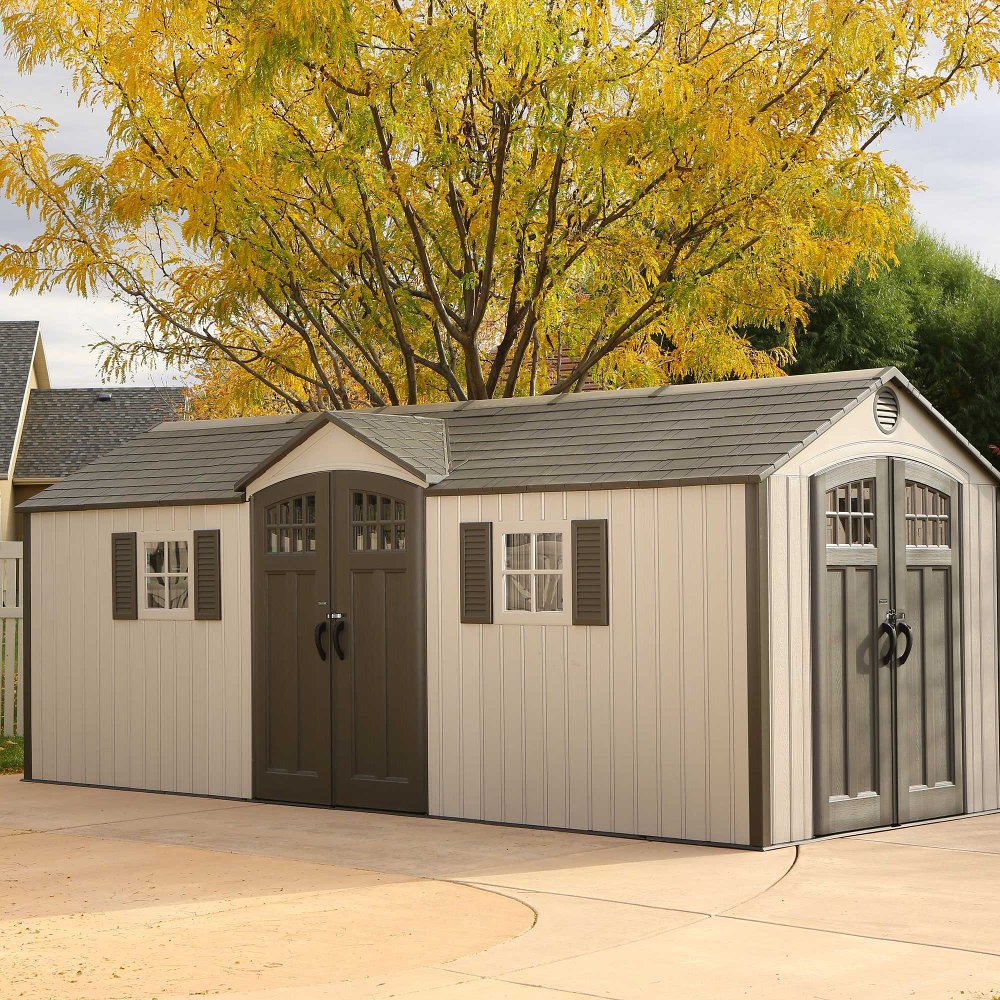
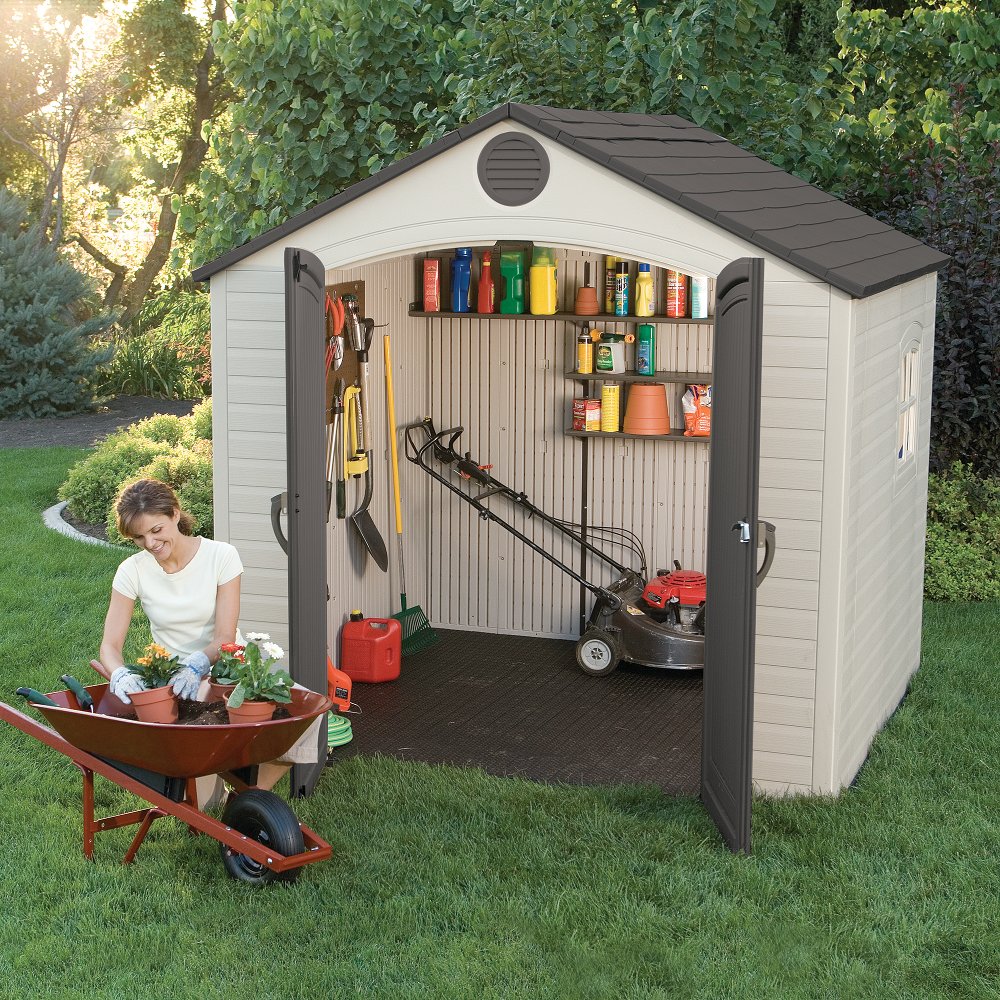
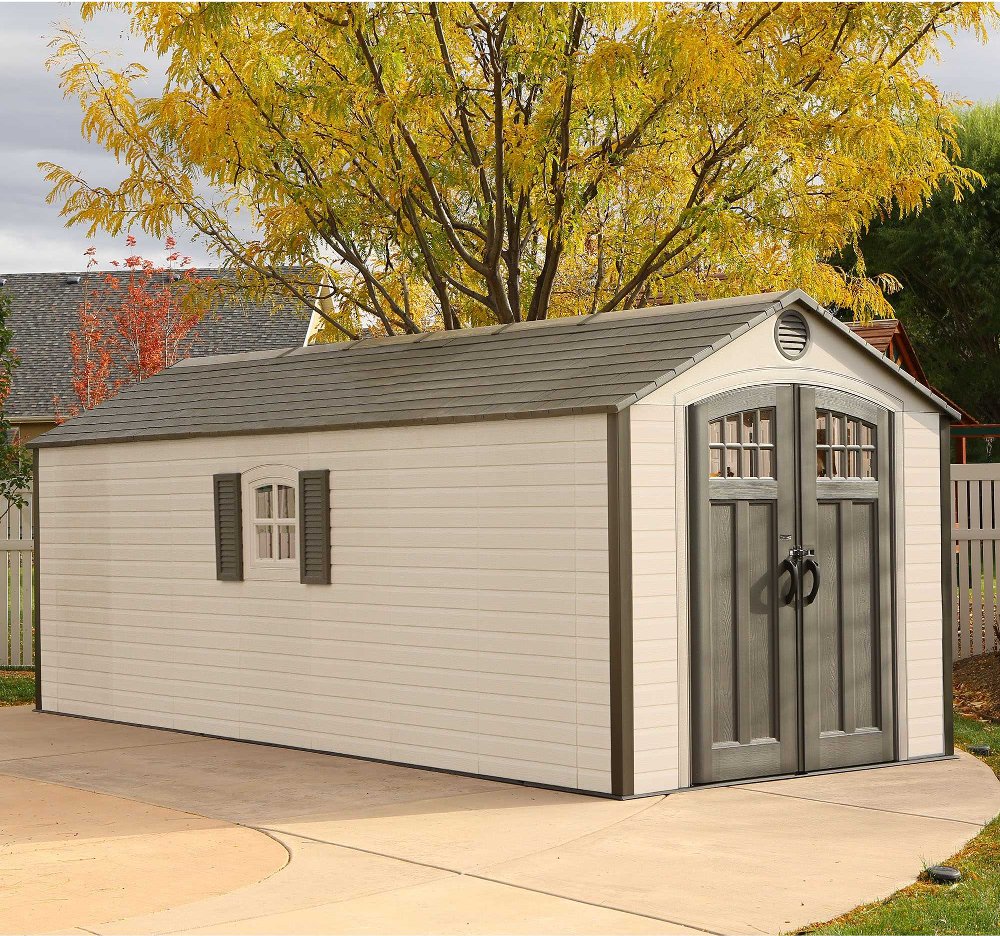
Backyard sheds give the things you use outside a place of their own, freeing up the garage, clearing the patio, and making everyday projects easier to start. A lawn mower can sit ready near the yard instead of behind a stack of boxes, while gardening tools stay together rather than scattered between the porch and garage. The right outdoor storage shed fits both your belongings and the way you move through your property. A compact design may be enough for hand tools, plant pots, and a few folding chairs; a larger shed can accommodate bicycles, lawn equipment, and shelving with room to reach each one comfortably. That usable space matters as much as the overall footprint. Exterior dimensions may include roof overhangs, while interior dimensions determine whether a mower, storage rack, or long-handled tool will actually fit. Door width, threshold height, and the space needed to open the doors also affect everyday convenience. Double doors can make bulky equipment easier to move, but they need a clear approach so a fence, planter, or nearby furniture doesn’t block access. For a narrow side yard or a smaller patio area, small backyard storage sheds can provide a dedicated storage spot without taking over the outdoor space you enjoy. Placement deserves the same attention as size. A shed beside the area where you garden can save repeated trips across the property, while a location near the garage may suit equipment used throughout the yard. Leave the clearances required for assembly, maintenance, and door operation, and check local permit requirements, property setbacks, easements, and homeowners association rules before choosing a location. A level, properly prepared base helps doors align and supports the structure as intended. Depending on the shed’s design, that may mean a concrete slab, an approved wood platform, or another foundation specified by the manufacturer. A floor isn’t always included, so the foundation and flooring requirements are worth confirming when comparing designs.
Material and construction shape a backyard shed’s appearance, upkeep, and long-term performance. Resin sheds often appeal to homeowners who want an easy-clean exterior and a finished look without the repainting that some other materials need. Many resin designs use molded panels, sometimes with internal reinforcement, but wall strength, floor capacity, and approved attachment points vary. Metal sheds can offer a straightforward storage solution with a relatively slim wall profile, although the panel thickness, protective finish, and structural supports all influence durability. Scratches or damaged coatings may need prompt attention according to the manufacturer’s care instructions. Wood sheds bring a familiar, substantial look to the yard and may offer more flexibility for painting or adding interior storage where the structure allows it. That flexibility comes with ongoing care: exposed wood, trim, and painted surfaces need inspection and maintenance to help limit moisture-related damage. Across all materials, sturdy connections, properly supported flooring, a secure roof assembly, and well-fitting doors matter more than appearance alone. A shed that looks spacious in a photo still needs a floor designed for the equipment you intend to store, especially concentrated weight from wheels or heavy containers. Anchoring requirements also vary by structure and installation site, and the manufacturer’s instructions should guide both the base and anchoring method. Outdoor exposure makes drainage and ventilation important considerations without making any shed completely moisture-proof. Water should drain away from the base rather than collect against it, and vents need to remain clear of boxes or stored equipment. Ventilation can help manage trapped moisture, though it doesn’t replace climate control. For routine care, cleaning methods should suit the material; a mild cleaner and soft brush may be appropriate where the manufacturer permits them. Keeping door tracks, hinges, and thresholds clear helps preserve smooth operation. Checking fasteners, seals, finishes, and the foundation periodically can also catch a small maintenance need before it becomes a larger repair.
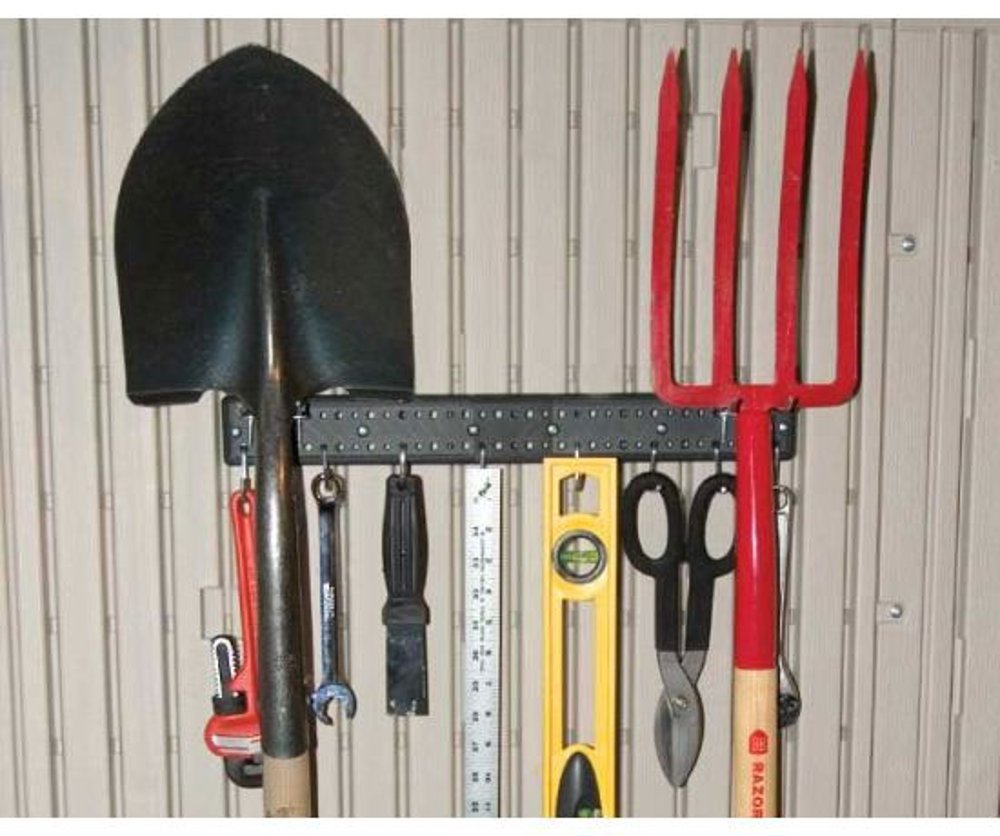
The most useful backyard storage sheds make it easy to put things away and easy to find them again. Picture opening the door and reaching a pair of pruning shears without moving a bicycle, or rolling out the mower without first lifting three storage bins. That convenience comes from matching the interior layout to the belongings you use most often. Tall, narrow storage suits rakes and shovels, shallow shelves keep smaller supplies visible, and open floor space accommodates equipment that needs to roll in and out. Wall hooks and shelves should attach only at approved locations and stay within the shed’s stated load limits; not every wall panel can support an added organizer. Keeping heavier belongings low and frequently used tools near the entrance makes the space more comfortable to use. A clear center aisle can be especially helpful for anyone who prefers less bending, lifting, or reaching, while an approved threshold ramp may improve access for wheeled equipment when the design permits it. Families may appreciate a designated place for outdoor games and bicycles, gardeners can keep soil containers and planting supplies together, and hands-on homeowners can separate yard maintenance equipment from household storage. A shed can also hold clean, fully dry outdoor cushions in suitable covered containers, provided the storage conditions meet the fabric manufacturer’s recommendations. Electronics, photographs, important papers, and other moisture-sensitive belongings are generally better suited to indoor, climate-controlled storage. Garden chemicals need secure storage in their original labeled containers, following their labels and any local requirements, especially where children or pets could gain access. Lockable doors can help control access, but security depends on the lock, door construction, installation, and location. Even the shed’s color and roofline play a role: a design that complements nearby fencing or exterior finishes can look like a planned part of the yard. With enough room for the essentials, practical access, and materials you’re comfortable maintaining, a backyard shed becomes a dependable extension of your home’s storage space.
Read More