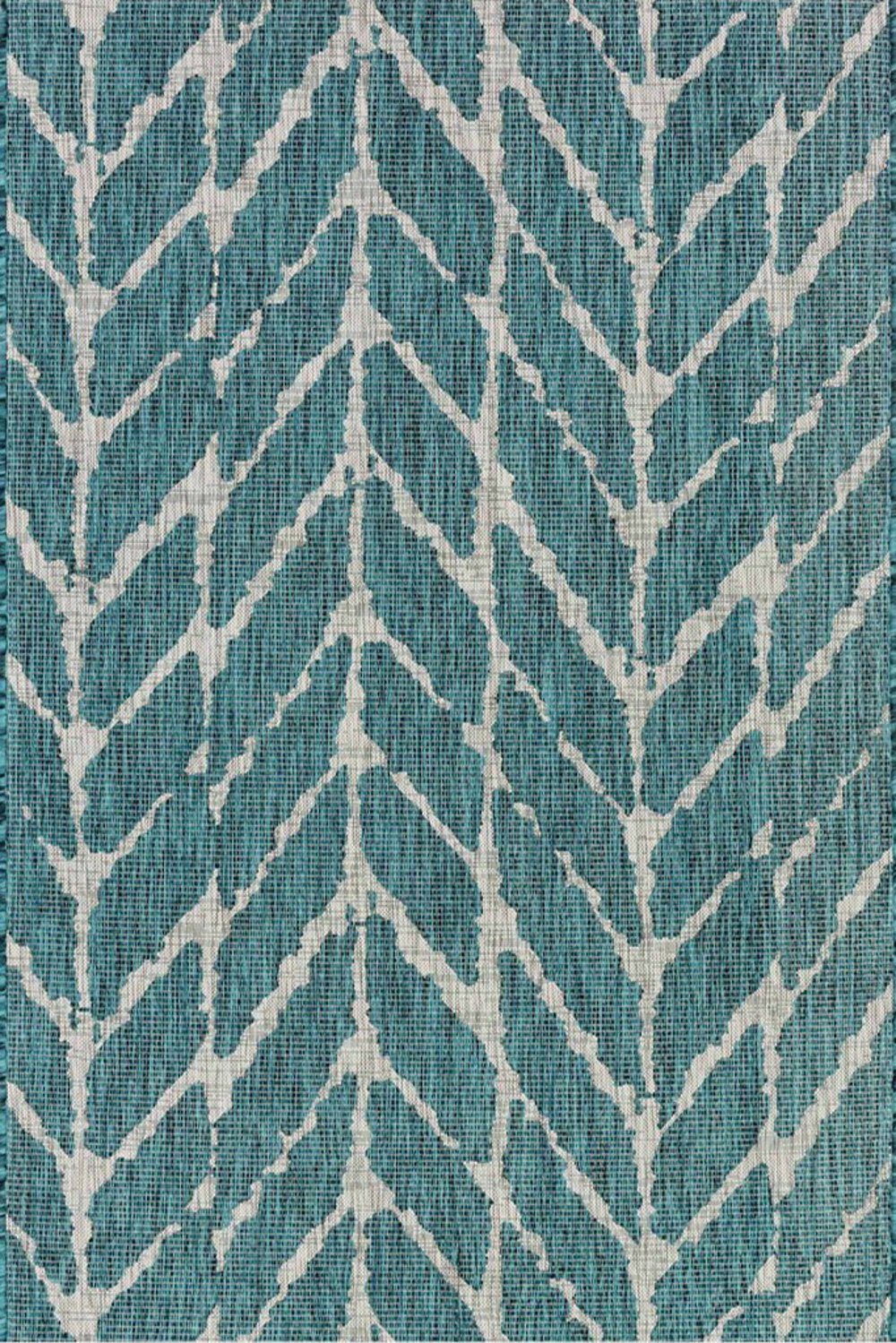
Beige transitional rugs bring together the familiar detail of traditional design and the clean, relaxed look of modern interiors. Their palette may include oatmeal, sand, taupe, ivory, and light beige, making them an easy foundation for rooms with warm wood, painted furniture, leather seating, brushed metal, or soft upholstery. Patterns often feature gently distressed florals, understated Persian-inspired motifs, faded medallions, or simple grids rather than bold, high-contrast decoration. That balance helps a room feel finished without making the rug the only thing you notice. A beige transitional area rug can soften a sleek contemporary sofa, add warmth beneath a farmhouse dining table, or give a traditional bedroom a lighter, more current feel. It also works well when your home’s style has changed over time—perhaps a well-loved wooden coffee table shares space with a streamlined sectional and a newer accent chair. Instead of forcing every piece to match, the rug connects those different elements through color and texture. For a living room, choose a size that allows at least the front legs of the seating to rest on the rug, or select a larger option that frames the entire conversation area. In a bedroom, a rug placed beneath the bed can extend beyond the sides and foot for a comfortable landing when you step out of bed. Runners can add softness to hallways, entryways, and the sides of a bed, while smaller rugs can define a reading corner, home office, or seating area without overwhelming the space.
Room measurements should guide your selection as much as appearance. Before shopping, measure the open floor area and mark the intended rug outline with painter’s tape or folded blankets. This simple step makes it easier to see whether a 5x7, 6x9, or larger area rug leaves enough breathing room around nearby furniture and walkways. In a dining room, make sure the rug extends beyond the chairs, even when they’re pulled away from the table, so chair legs don’t catch on the edge. In a hallway or entry, leave a visible border of flooring around the rug and check that doors can open freely. Pay attention to pile height, too. Low-pile and flatweave designs are practical beneath dining chairs, in busy hallways, and near doors because they’re easier to walk across and vacuum. A medium or plush pile adds a softer feel beside a bed or in a living room where people spend time barefoot, though it may require more attention around furniture legs and door clearances. Material affects both comfort and everyday care. Polypropylene and polyester rugs are popular for their approachable feel and resistance to many common household spills, while wool offers natural warmth, softness, and resilient fibers that can age beautifully with regular care. Jute or other natural-fiber blends bring organic texture and are especially appealing in casual, layered rooms, although their texture may feel more pronounced underfoot. Beige can conceal light dust and blend with existing furnishings, but it won’t make spills disappear. A rug pad helps keep the rug in place, improves cushioning, protects the floor beneath it, and can help prevent premature wear.
These rugs suit homes that need flexibility: renters creating a welcoming space without repainting, families looking for a forgiving neutral backdrop, and design-minded shoppers who want a room to feel collected rather than overly coordinated. They can also make thoughtful housewarming gifts when the recipient’s style is familiar, especially for someone settling into a first home, refreshing a guest room, or furnishing a nursery or home office. When gifting, a versatile beige pattern is often easier to live with than a highly specific color or trend, but confirm the room dimensions and flooring type whenever possible. During warmer seasons, lighter tones and woven textures can make a room feel airy, while during cooler months, a layered rug arrangement and softer pile add visual warmth underfoot. To keep a beige transitional rug looking fresh, vacuum regularly using a suction-only setting when the care label recommends it; rotating the rug periodically can also help distribute foot traffic and sunlight exposure. Blot liquid spills promptly with a clean, dry cloth, working from the outside toward the center so the mark doesn’t spread, and avoid rubbing, which can work moisture deeper into the fibers. Follow the manufacturer’s instructions for cleaning products and professional service, particularly with wool or natural-fiber rugs. For shoppers drawn to more defined traditional motifs while still wanting a neutral color story, Beige Oriental Area Rugs offer another direction to explore. With the right dimensions, material, and placement, beige transitional rugs can make everyday spaces more comfortable and cohesive while leaving plenty of room for your furniture, artwork, and personal style to take the lead.
Read More