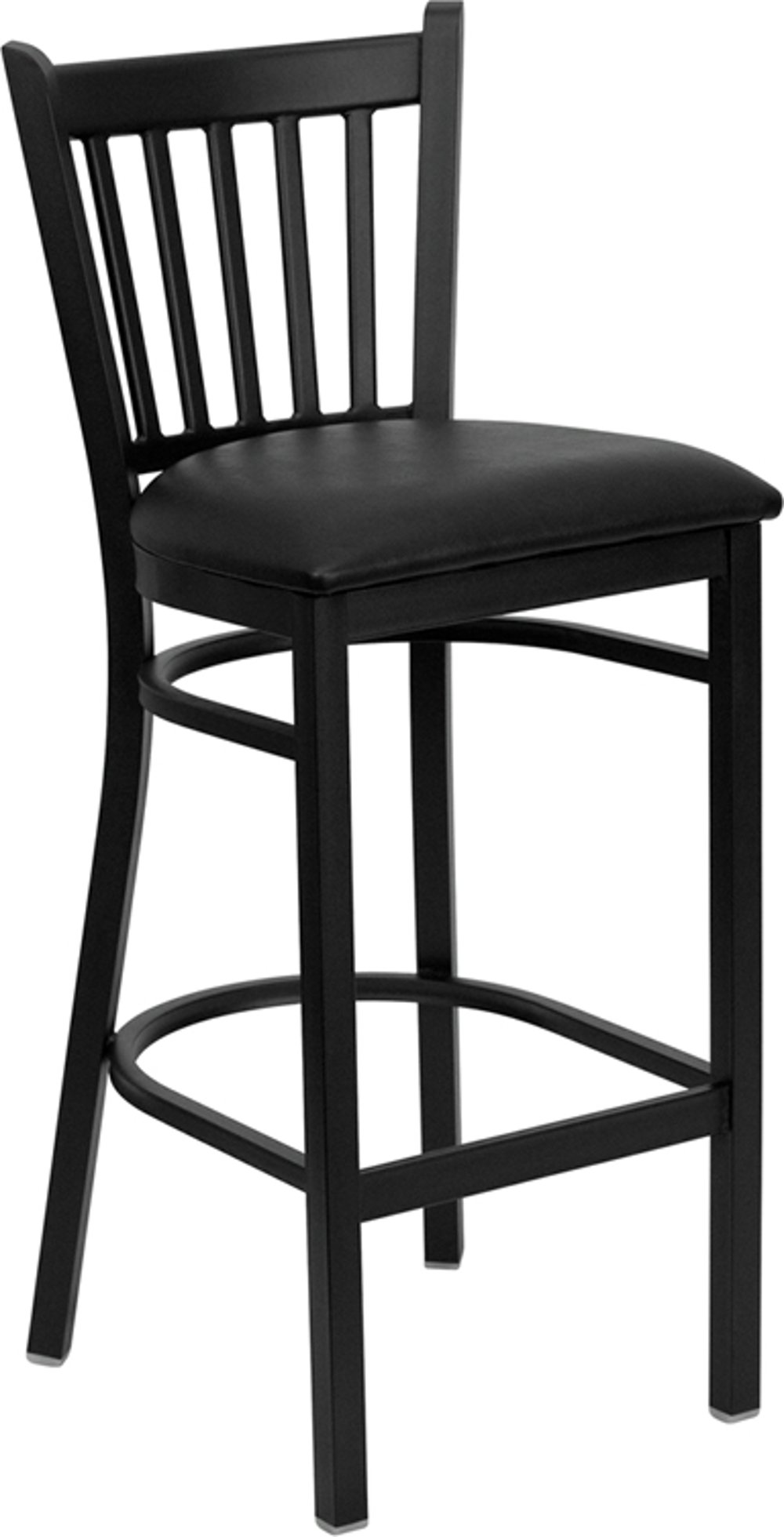
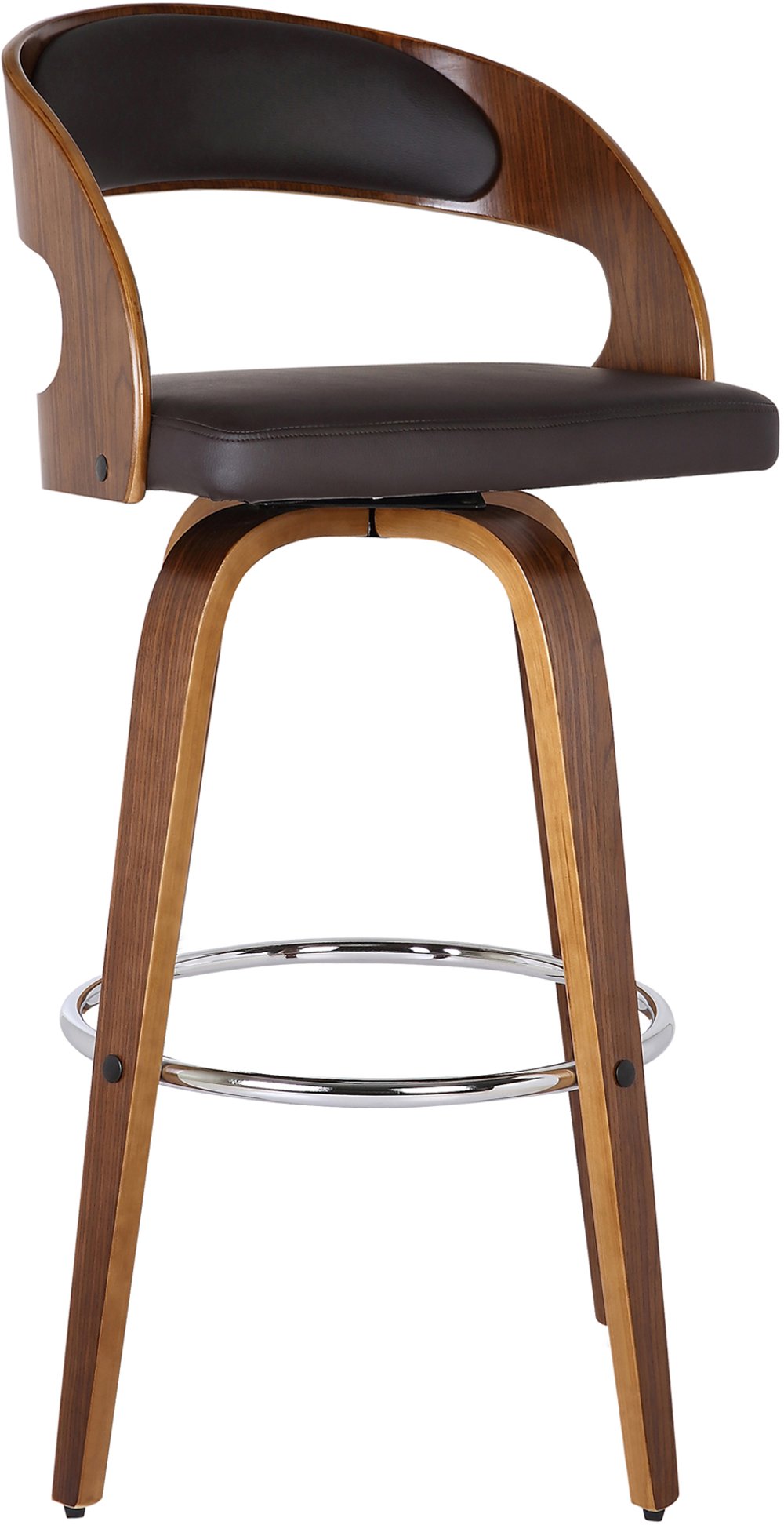
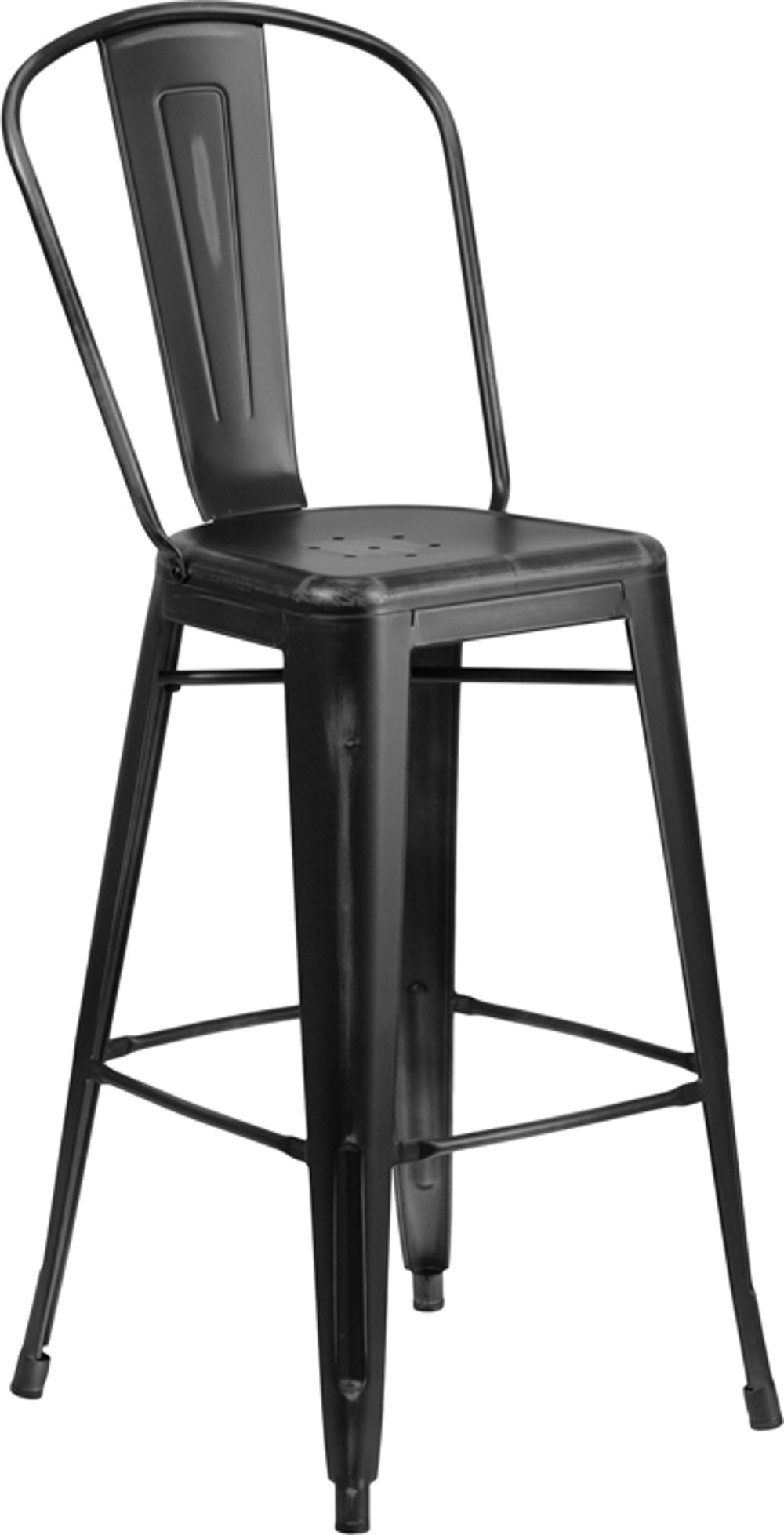
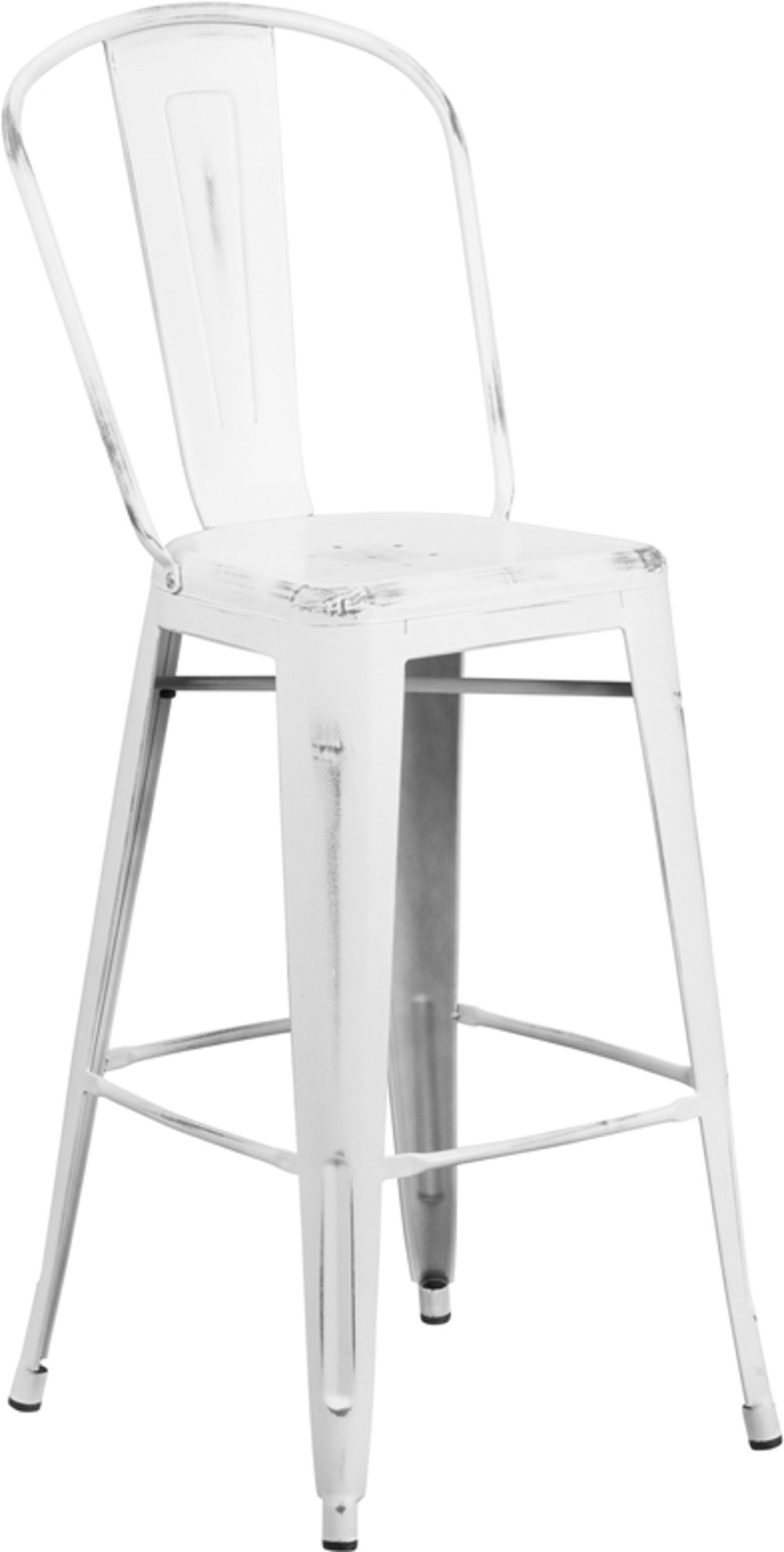
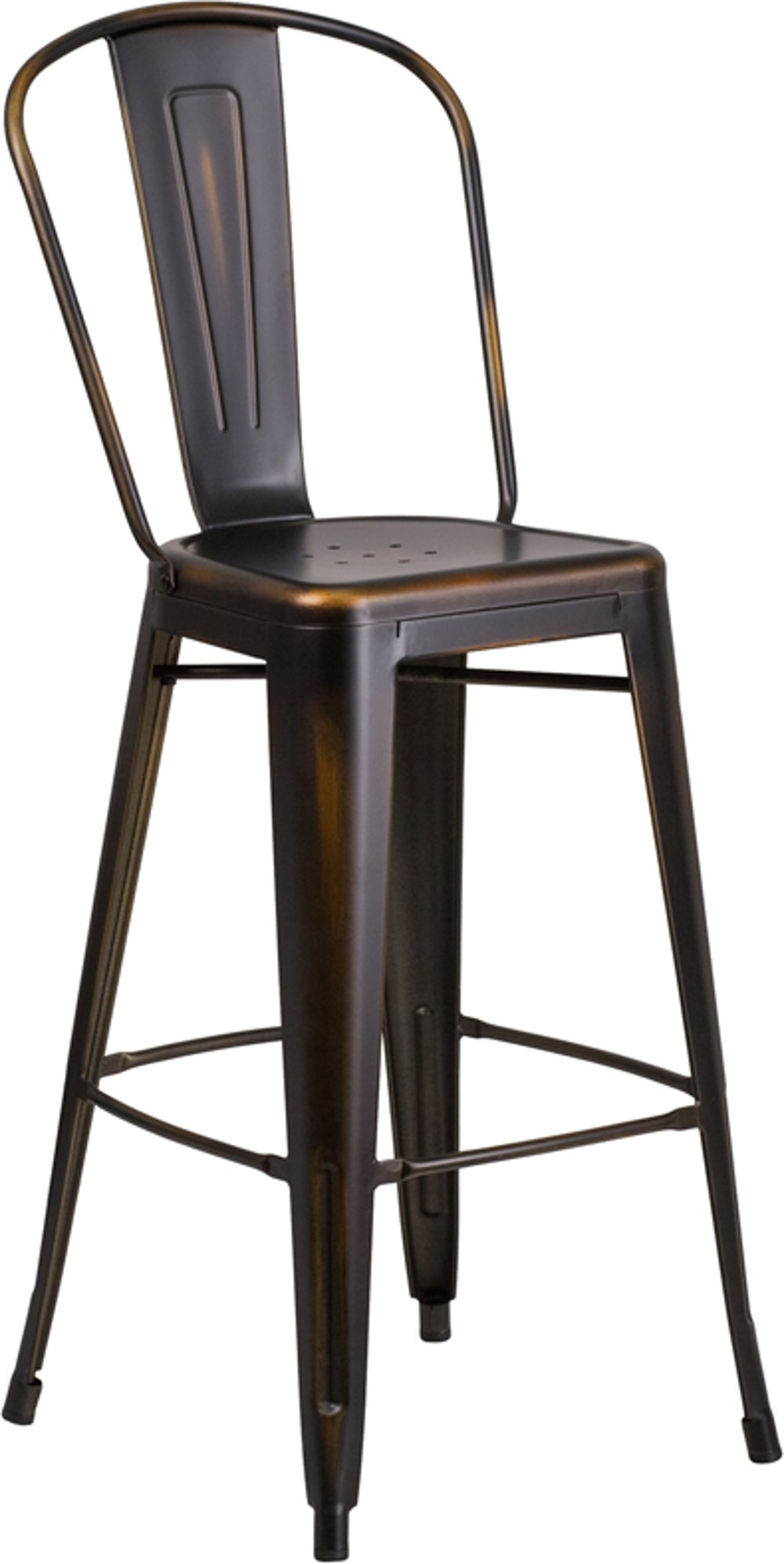
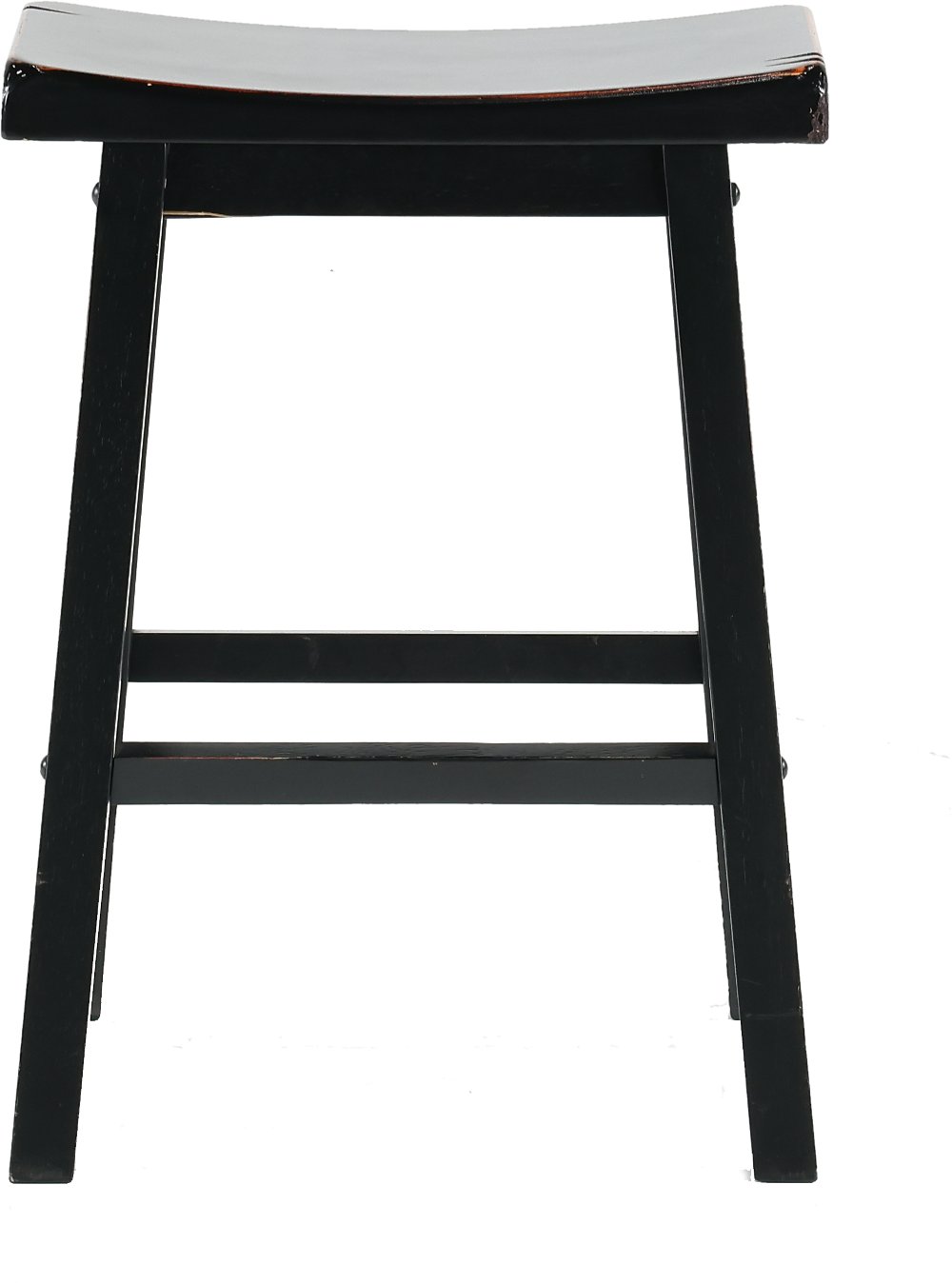
Black frame bar stools bring definition to a kitchen island, breakfast bar, or home entertaining space without asking every finish in the room to match. A black frame creates a clean outline beneath the seat, giving light upholstery a crisp contrast and helping darker leather or wood feel grounded. The look works across several styles: slender metal legs suit modern and minimalist rooms, exposed steel and wood seats lean industrial, and curved backs with upholstered cushions soften a transitional space. Against a white island, black legs create a distinct silhouette; beside walnut cabinetry, they echo the wood’s depth without competing with its grain. You can repeat that dark accent in cabinet pulls, pendant lights, or a nearby table base, but a perfectly coordinated room isn’t necessary. A few shared details, such as rounded edges or similarly shaped legs, can make different furnishings feel connected. The frame’s finish also changes the effect. Matte black tends to look understated, while a satin or glossier surface catches more light and makes curves or angular supports more noticeable. Seat materials add another layer of personality. Natural wood brings visible grain and warmth, woven details introduce texture, and upholstery makes a row of stools feel more like an extension of the living room. Cream, camel, gray, and brown seats each create a different relationship with a black base, so consider the nearby flooring and countertop as well as the cabinets. For an open floor plan, the backs of the stools deserve attention because they may be the part you see most often from the sofa. Low backs preserve longer sight lines, while taller backs create a stronger visual boundary around the eating area. If you’re comparing a dark outline with a warmer metallic accent, gold frame counter stools offer another direction for counter-height seating. Black frames remain especially versatile when you want seating that can work with new paint colors, updated lighting, or a different rug over time.
The most important distinction when choosing black frame bar stools is seat height, not the name of the room. Counter-height stools generally have seats about 24 to 26 inches high and suit counters around 36 inches tall. Bar-height stools commonly measure about 28 to 32 inches at the seat and pair with surfaces around 40 to 42 inches high. Those ranges are starting points; the actual measurements of your surface and the stool determine the fit. Aim for roughly 10 to 12 inches between the seat and the underside of the counter or bar, accounting for any apron, drawer, or support that reduces knee space. A thick cushion and a shallow overhang can also affect how comfortably someone sits. For spacing, about 26 to 30 inches from the center of one stool to the next is a useful starting point, with more room for wide seats, arms, or swiveling designs. Picture two people eating side by side, not just a row of empty seats tucked neatly underneath the countertop. There should be space for elbows, an easy way to get seated, and a clear route behind the stools when someone is using them. Backless styles can tuck under a suitable overhang and keep a compact kitchen visually open, making them practical for a quick breakfast or occasional extra seating. A supportive back, a comfortably shaped seat, and a reachable footrest make a bigger difference when the island doubles as a place for homework, conversation, or a leisurely meal. Arms provide another place to rest, though their height may keep a stool from sliding fully beneath the surface. Swivel seats help people turn toward the room without dragging the whole stool across the floor, but they need clearance from neighboring seats and counter edges. Height-adjustable designs can accommodate different surfaces within their stated range. Check the adjustment limits, base dimensions, and operating instructions rather than assuming one stool will fit every setting.
Materials and construction shape how black frame bar stools feel and how well they handle everyday use. Steel frames can provide firm support with relatively slim profiles, while black-finished wood frames offer a different sense of substance and often suit more traditional shapes. Powder-coated metal has a protective finish, but it can still scratch or chip if shoes, cleaning tools, or nearby furniture repeatedly strike it. Look at joints, leg bracing, and footrest placement, and follow the stated weight capacity and intended-use guidance. A stool for a busy kitchen needs to tolerate frequent sitting, turning, and repositioning; appearance alone doesn’t tell you how it will perform. Upholstered seats offer cushioning for longer conversations, while smooth wood or molded seats generally leave fewer places for crumbs to collect. Genuine leather, faux leather, and fabric each have different care requirements, so check the upholstery information before choosing for a breakfast spot where spills are likely. Faux leather often allows straightforward wipe-down care, but harsh cleaners can damage its surface. Fabric adds softness and texture, though stain resistance varies by material and treatment. Velvet can show changes in its nap as people sit and brush against it, creating a more varied surface appearance. For routine care, remove dust and crumbs with a soft cloth or a suitable vacuum attachment, blot spills promptly, and use only cleaning methods recommended for the material. Dry cleaned metal parts as directed, and avoid leaving moisture on wood seats or around joints. Floor protectors suited to your flooring can help limit scratches and scraping sounds; check them periodically because trapped grit can mark a floor. Tighten hardware according to the assembly instructions if everyday use loosens connections. In households with children, a stable footprint and manageable seat height matter, and stools shouldn’t serve as climbing steps. Indoor stools also belong indoors unless their materials and finish are specifically rated for outdoor use. With the right proportions and practical details, black frame seating can support everything from a quiet cup of coffee to a full counter of family conversation while keeping the room easy to live in.
Read More