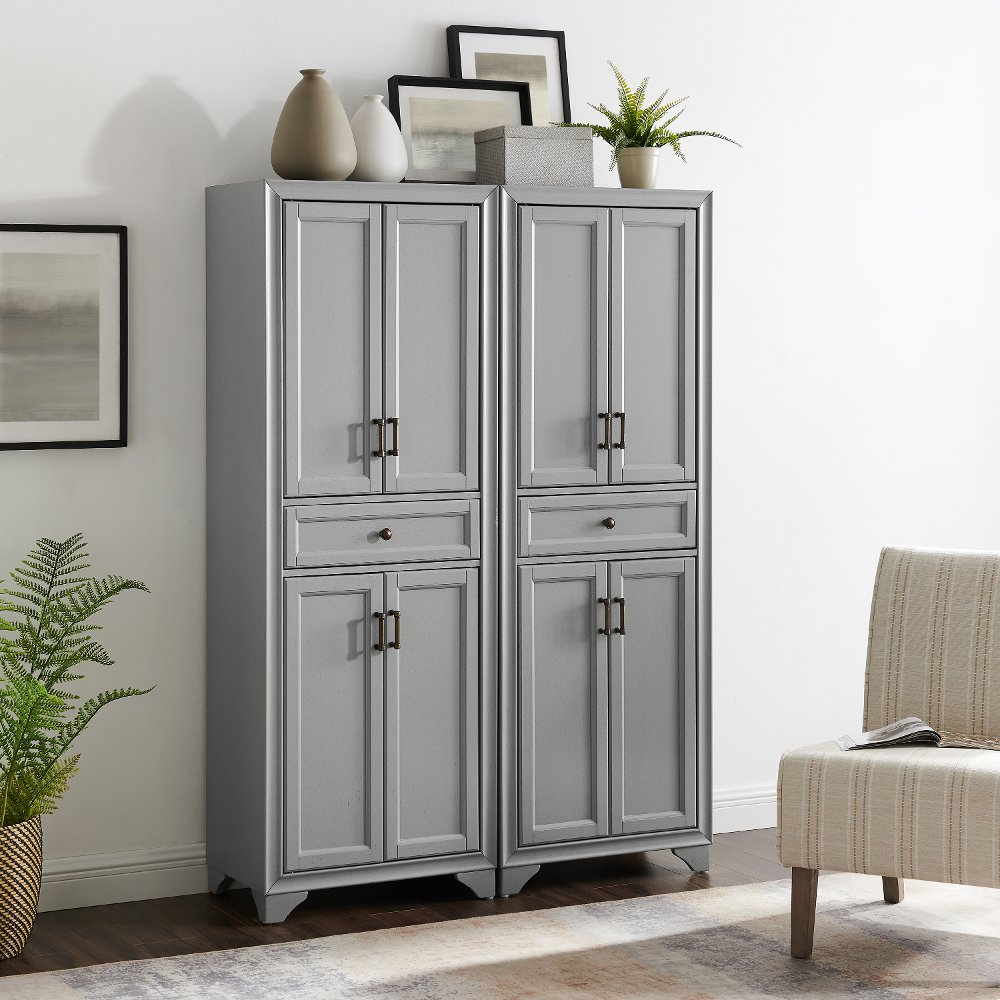
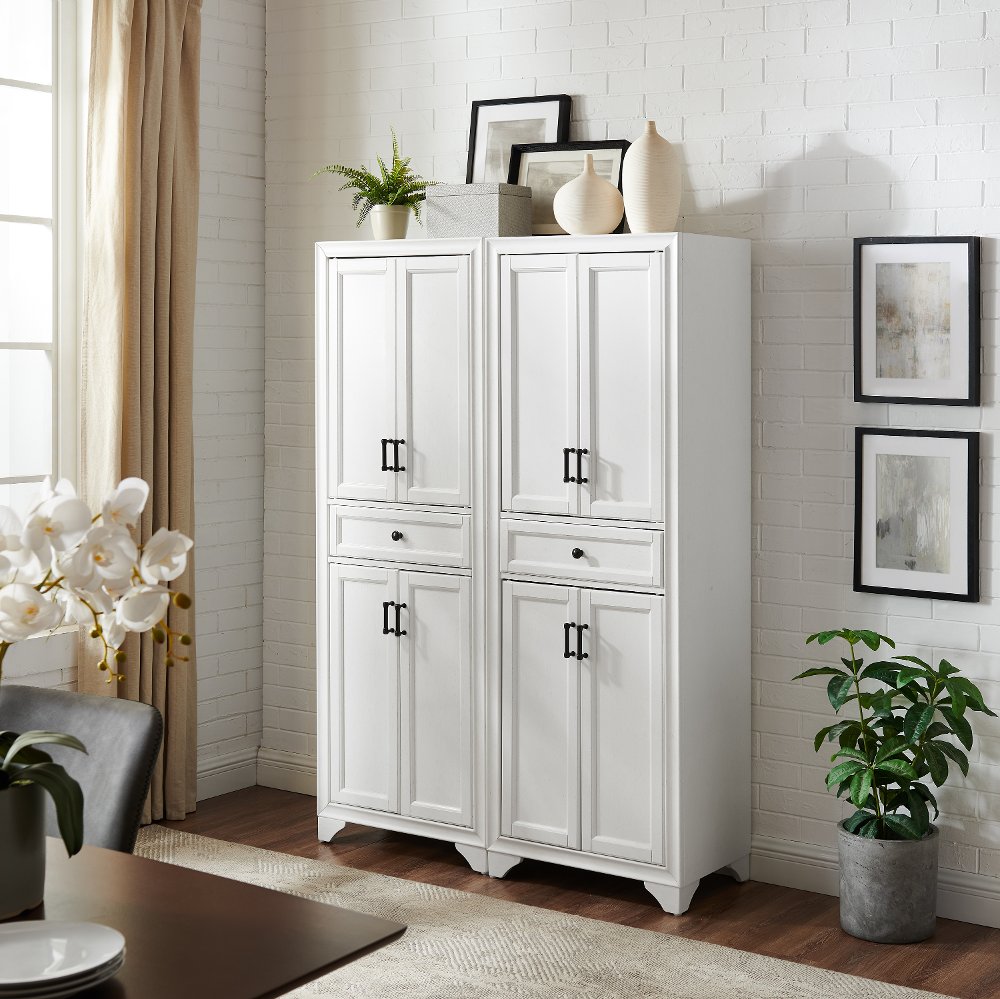
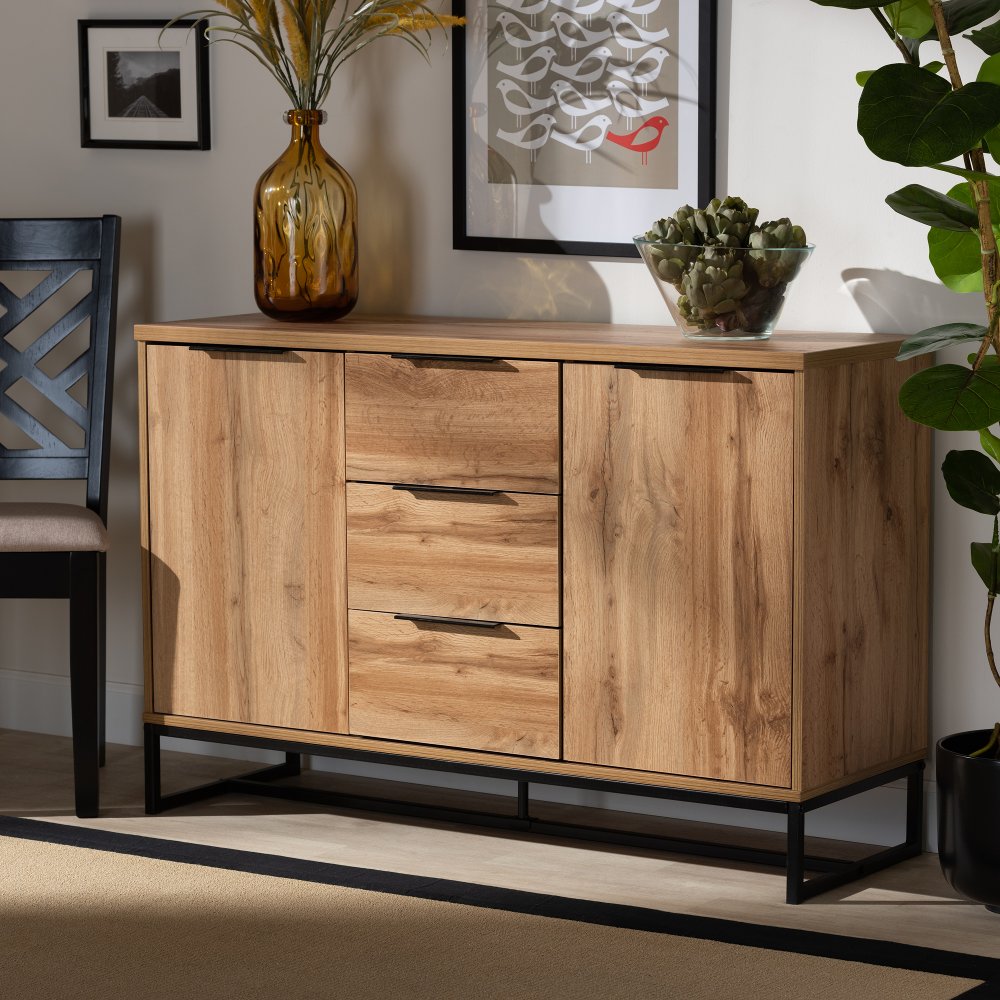
Blue accent chests bring together two things a home always needs: useful storage and a confident pop of color. Depending on the shade, a blue chest can feel calm and coastal, rich and traditional, or strikingly modern. Deep navy and indigo tones add contrast against pale walls and light upholstery, while powder blue, slate, and muted blue-gray finishes create a softer look that works beautifully with natural wood, woven textures, and warm metallic details. Because these pieces are typically more compact than a full-size dresser or sideboard, they can make a noticeable difference without overwhelming the room. Place one in an entryway to hold keys, gloves, pet leashes, and other everyday essentials; use one in a hallway to keep linens or household supplies close at hand; or position one beside a sofa as a colorful storage accent for books, remotes, blankets, and games. In a bedroom, blue accent chests can serve as nightstands, clothing storage, or a convenient spot for extra bedding. Their versatility makes them especially helpful in apartments, guest rooms, home offices, and smaller spaces where every drawer or cabinet matters. During the cooler months, a chest near the entry can give scarves, hats, and seasonal accessories a dedicated home, helping the rest of the room stay tidy when daily routines become busier. These furnishings can also make thoughtful housewarming, wedding, or graduation gifts for someone creating a first home, especially when the recipient appreciates practical pieces with personality. A well-chosen accent chest feels personal without requiring an exact knowledge of someone’s decorating style, and its storage function gives it a useful role long after the gift is unwrapped.
When comparing blue accent chests, begin with the space rather than the color. Measure the available width, height, and depth, then account for baseboards, door swings, nearby furniture, and the clearance needed to open drawers or cabinet doors comfortably. A narrow chest can fit neatly in a hallway or beside a bed, while a wider design may work better beneath artwork or along a living room wall. Think about what you plan to store, too. Drawers are convenient for smaller items such as charging cords, accessories, documents, and folded clothing because they keep contents organized and easy to reach. Cabinet doors are useful for larger or less uniform belongings, including baskets, board games, serving pieces, and electronics. Open shelves offer quick access and a place to display books, plants, framed photographs, or decorative objects, though they call for a little more attention to dust and visual clutter. If you expect the chest to support a lamp, television, mirror, or other item, review its weight capacity and overall stability before making a selection. Construction details can influence both appearance and everyday performance. Wood and wood-look finishes bring warmth and can pair naturally with floors and other case goods, while painted surfaces make the blue color the focal point. Look for smoothly operating drawer glides, sturdy handles, aligned doors, a stable base, and a finish that suits the amount of use the chest will receive. In a busy household, rounded edges and reliable hardware can make a practical difference. In a guest room or formal sitting area, decorative details such as paneled fronts, tapered legs, textured surfaces, or brass-tone pulls may take priority. A chest intended for a child’s room or play space deserves additional attention to anchoring and placement; secure taller furniture according to the manufacturer’s instructions and keep heavier items stored low.
Blue accent chests are easy to work into an existing room because blue connects naturally with many familiar home colors. Pair a navy chest with ivory upholstery, warm wood, or aged brass for a classic look with a little depth. A pale blue finish can brighten a room with cream textiles, light oak, rattan, or soft gray. Blue-gray works especially well with charcoal, black, white, and brushed metal when you prefer a clean, understated arrangement. To make the chest feel intentional rather than isolated, repeat a small amount of the color elsewhere through a pillow, artwork, vase, rug detail, or table lamp. Keep the surface useful and breathable: a lamp, a bowl for keys, a framed photograph, or a single vase can add character without hiding the finish. In an entryway, leave enough landing space for the items you carry in every day. In a bedroom, choose a height that sits comfortably beside the bed and provides easy access to nighttime essentials. In a living room, use the top as a visual anchor beneath a mirror or artwork, taking care to leave room around the piece so its shape and color can stand out. Shoppers looking for a different decorative direction may also enjoy exploring Mid Century Accent Chests, particularly when tapered legs, clean lines, and streamlined proportions suit the rest of the room. With the right size, storage layout, and finish, a blue accent chest can quietly solve an everyday organizational problem while giving the space a memorable point of view.
Read More