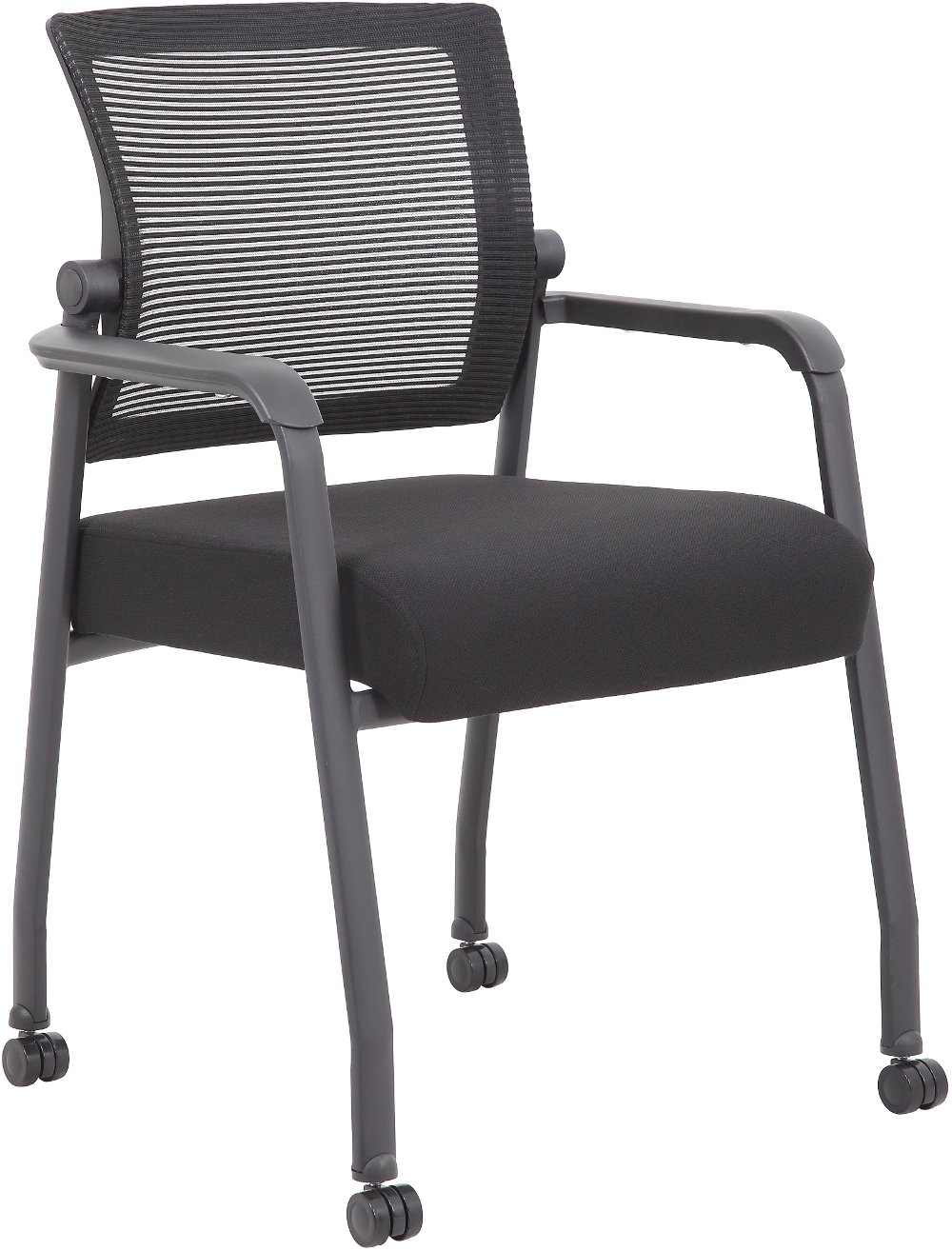
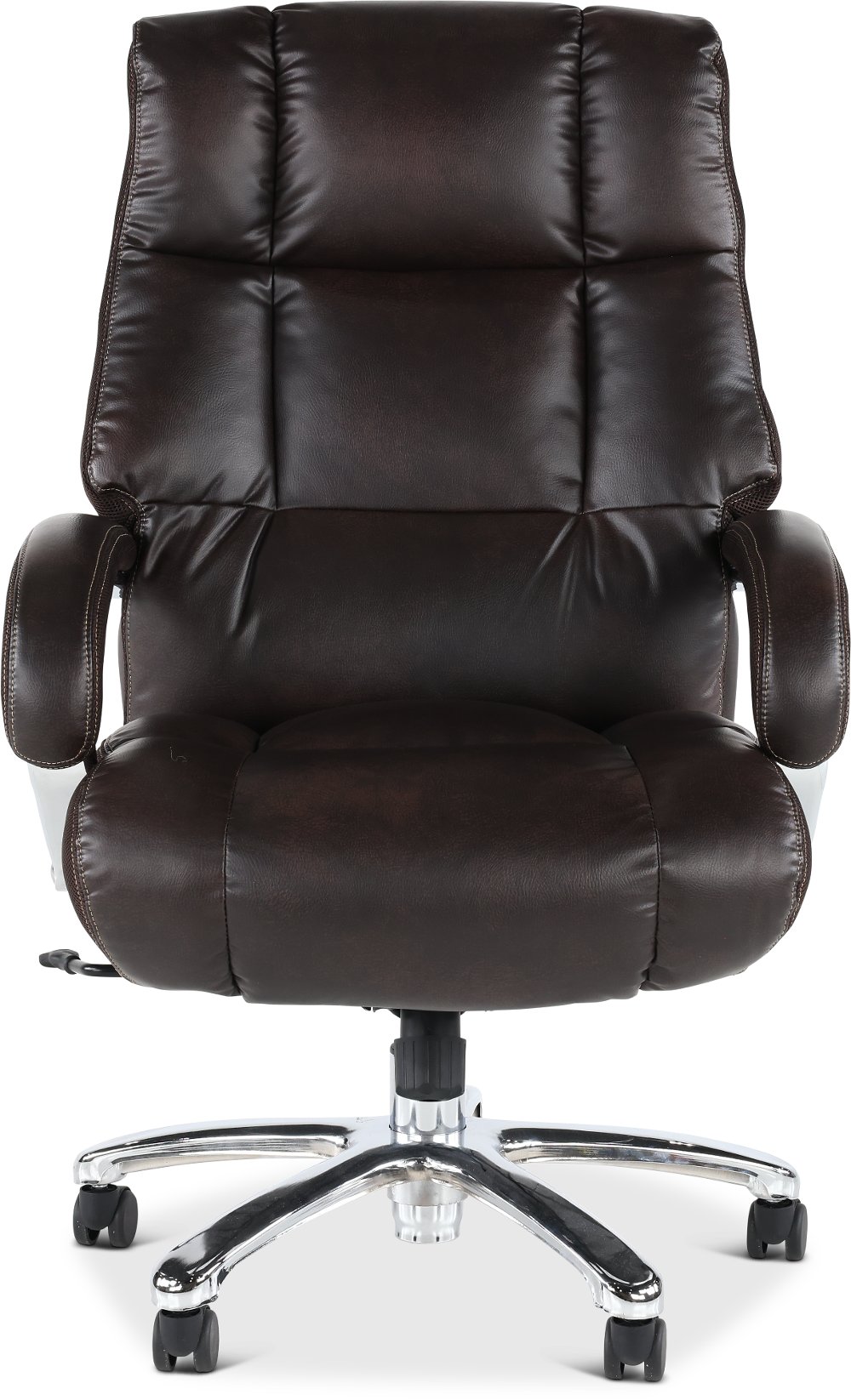
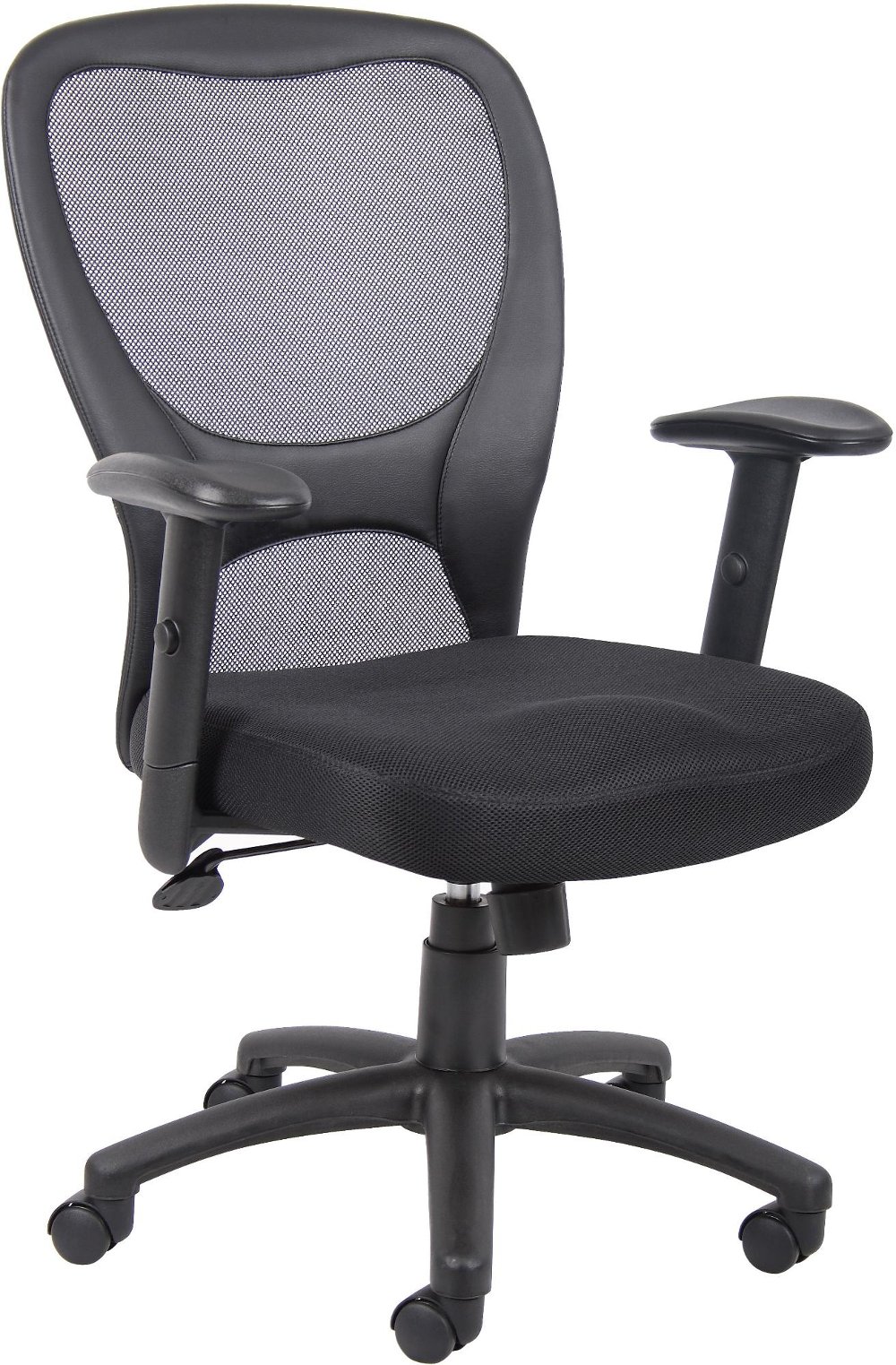
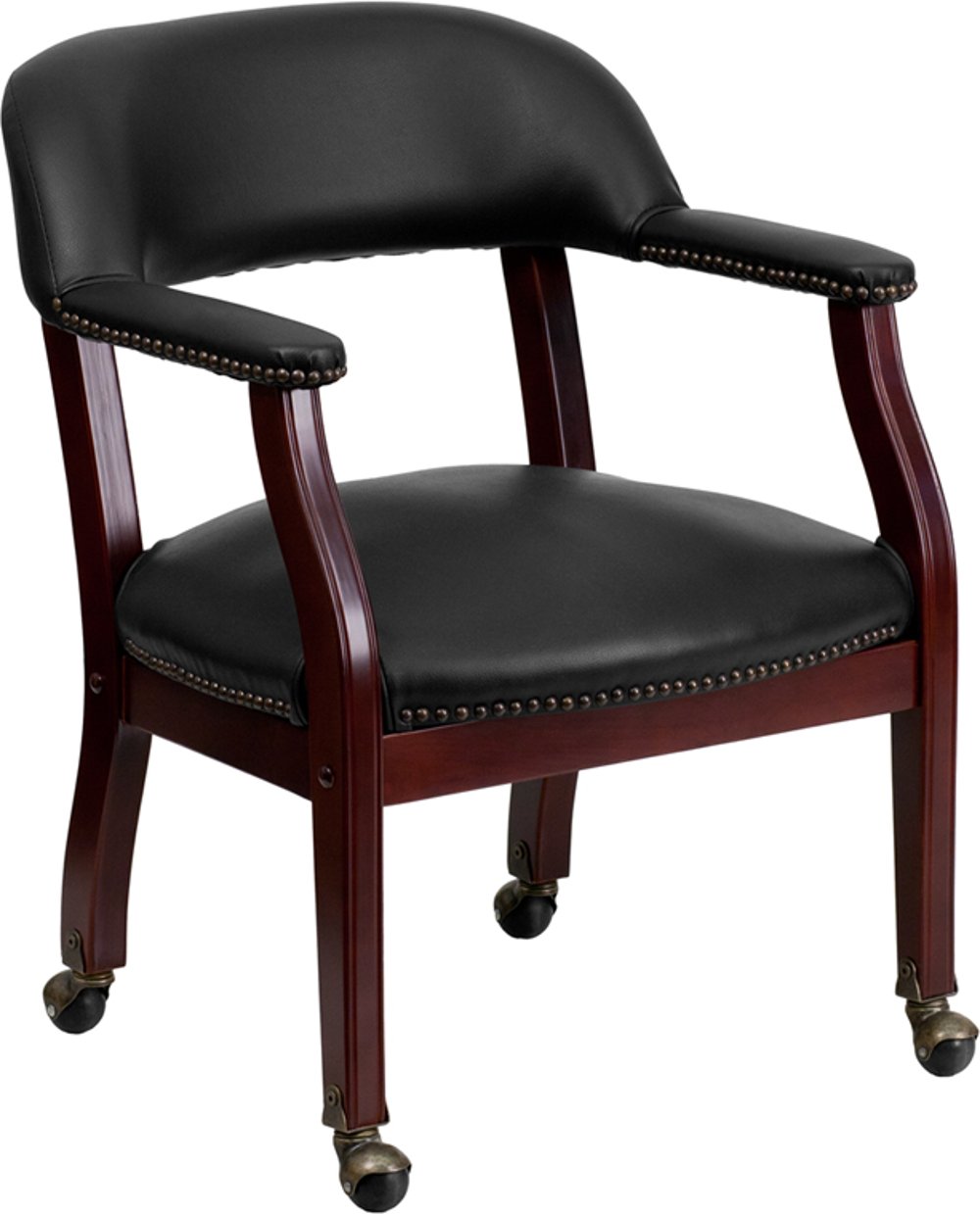
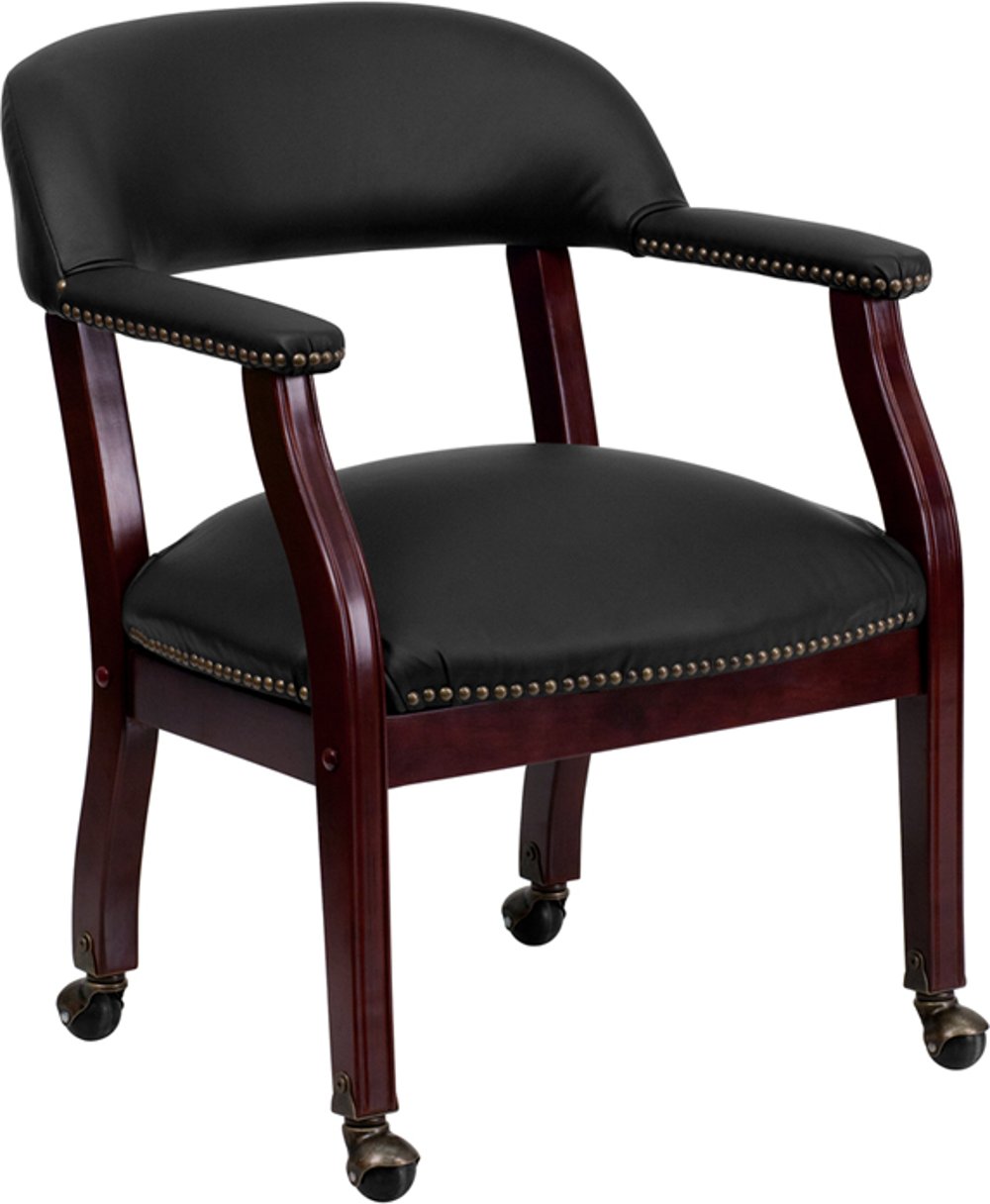
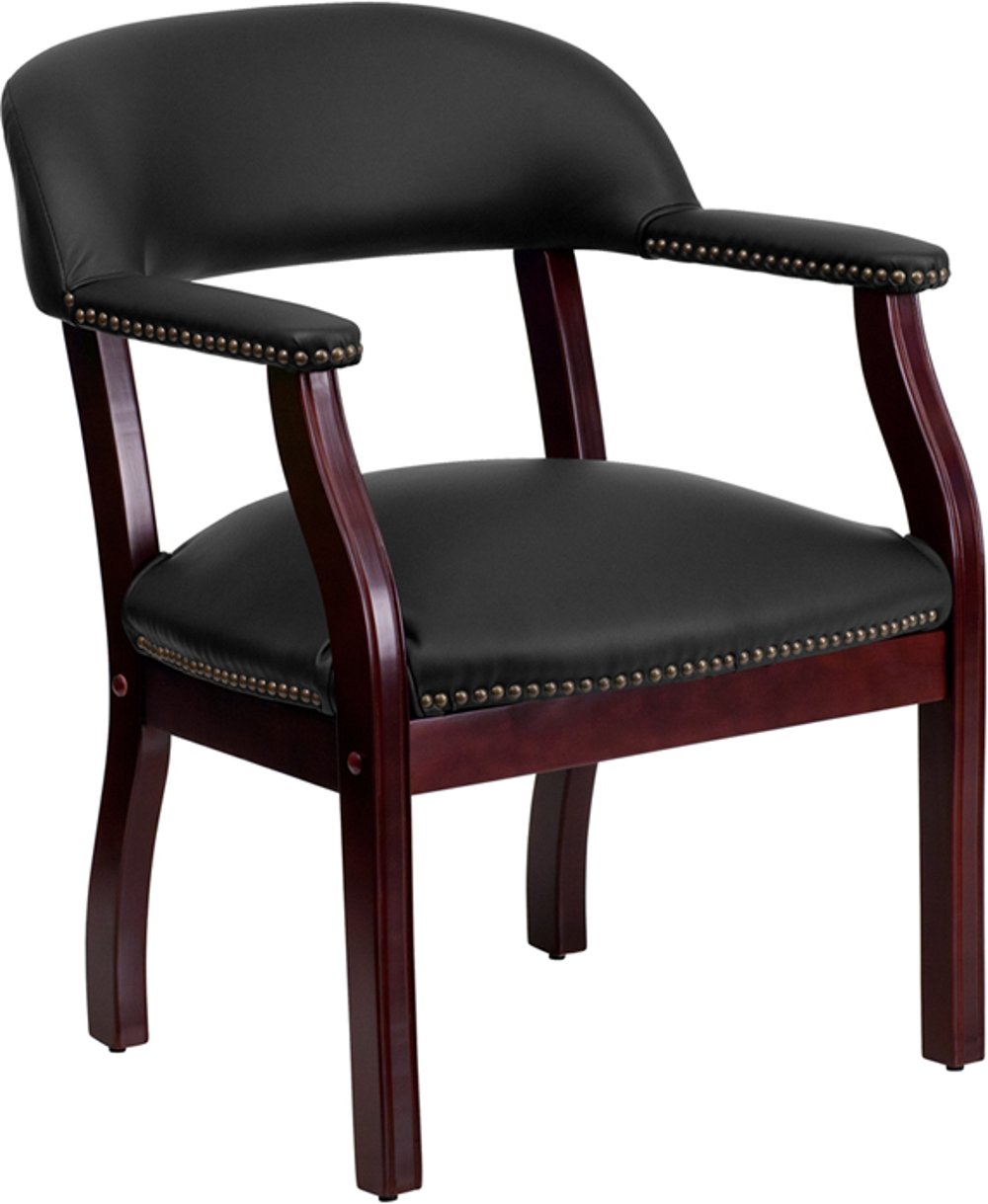
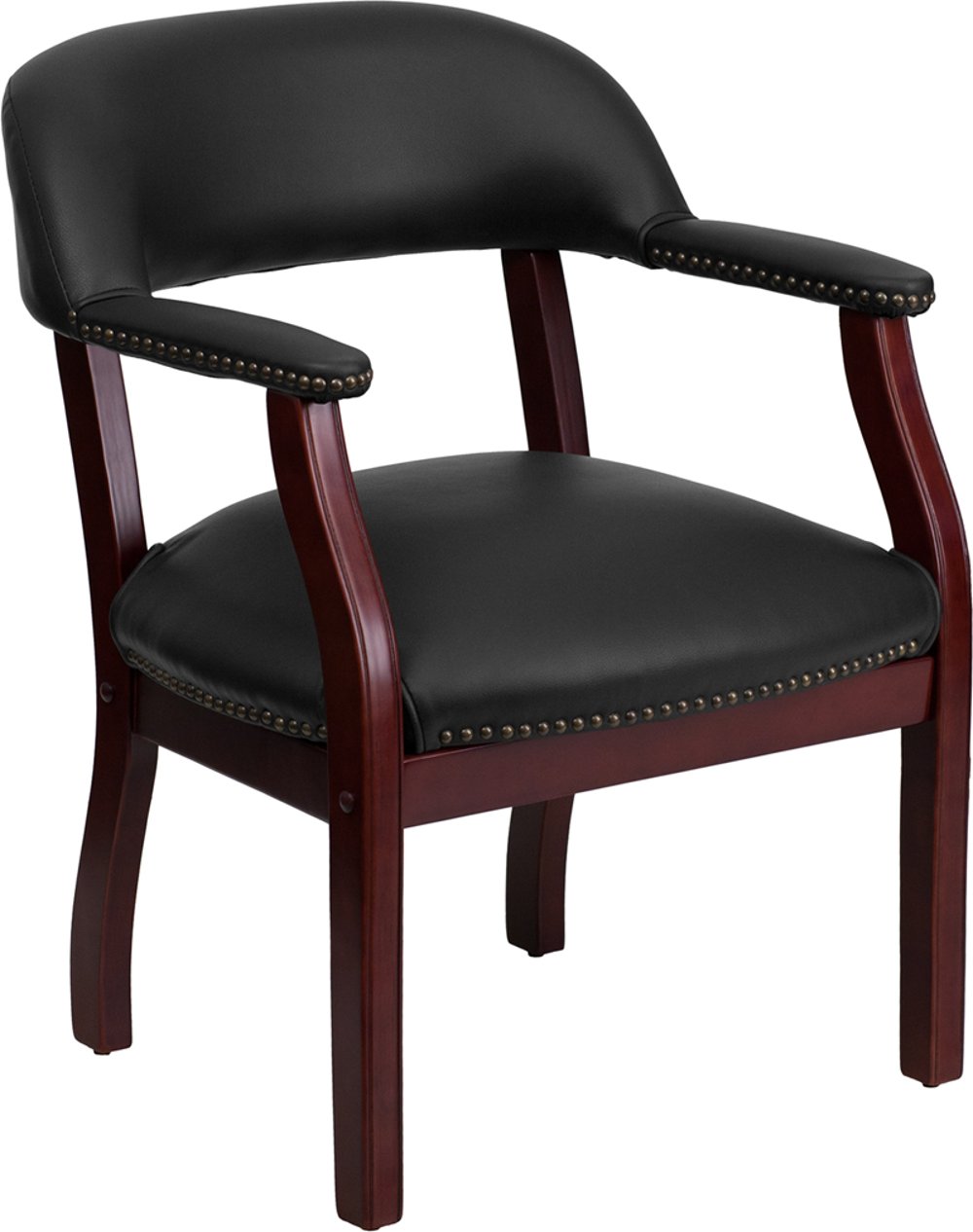
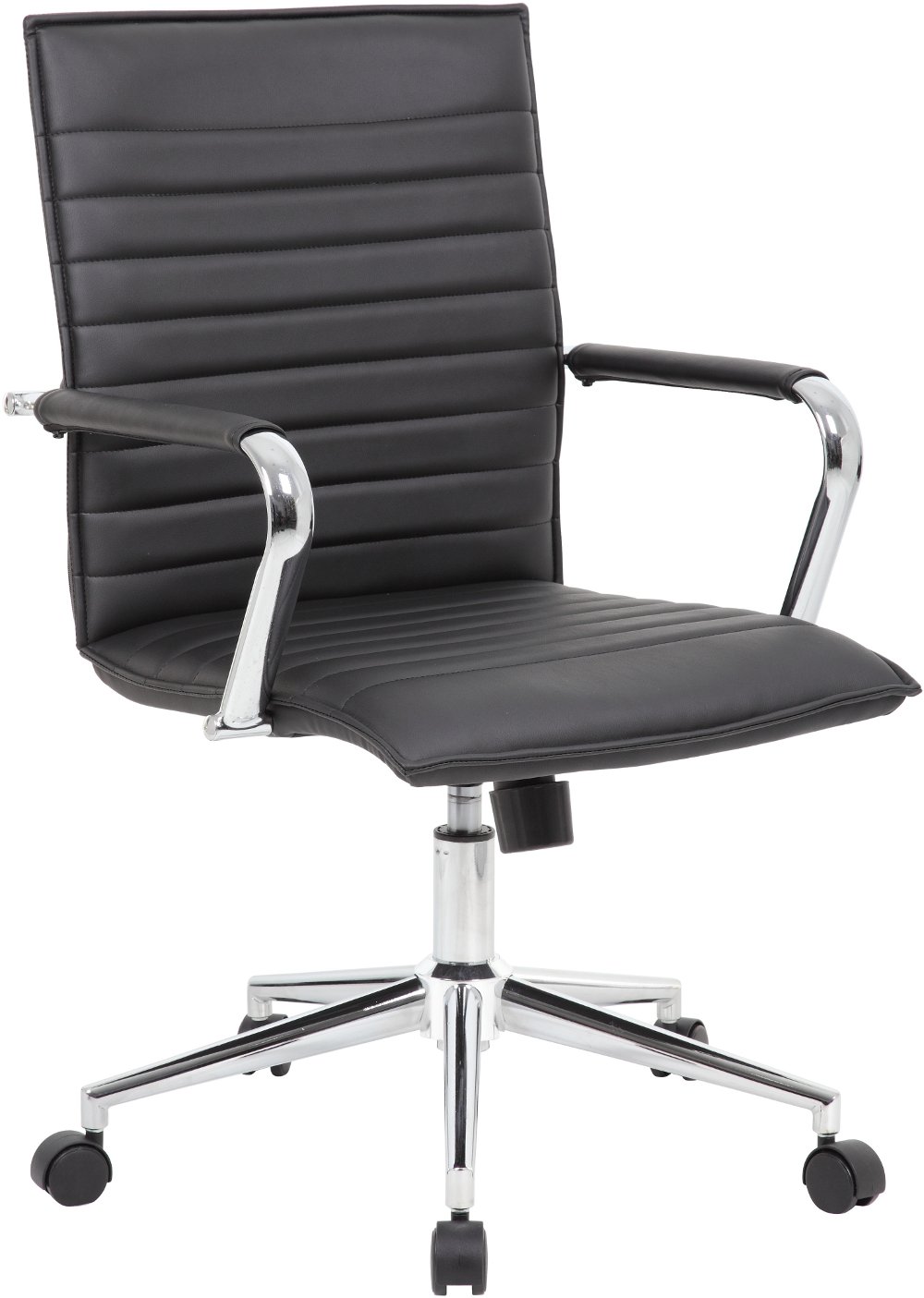
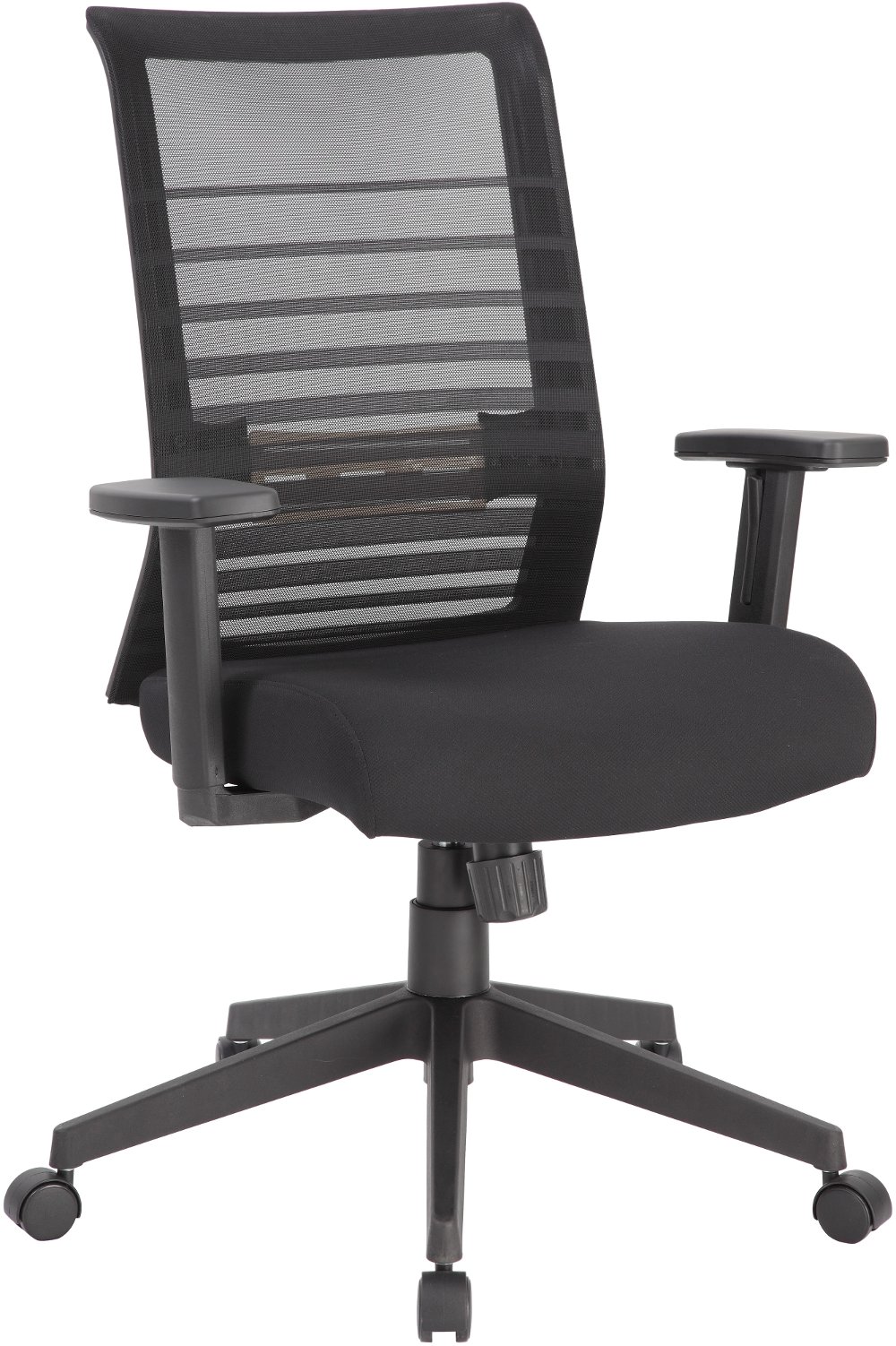
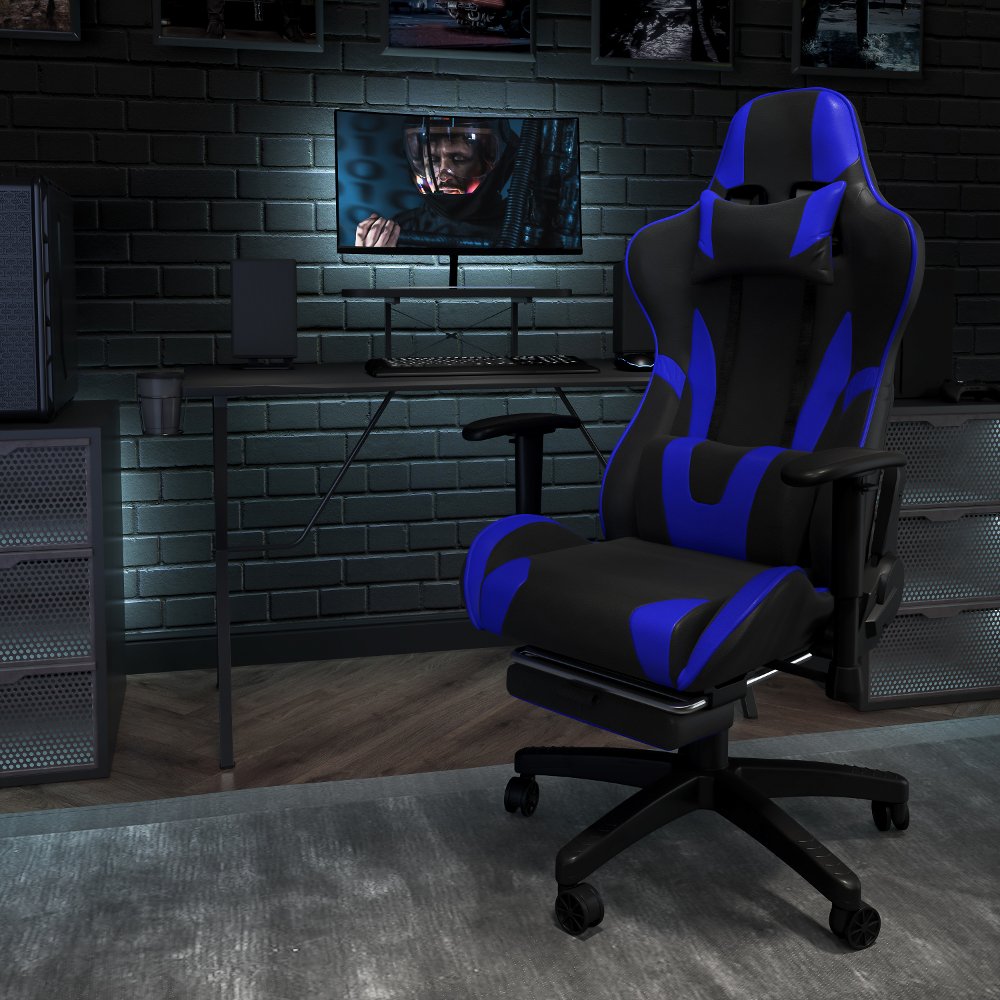
Chairs with wheels bring a little more freedom to the places where you work, study, create, and gather. At a home office desk, a rolling chair lets you move between your keyboard and a nearby file drawer without repeatedly standing up or dragging chair legs across the floor. In a craft room, that same mobility can make it easier to reach thread, paper, or supplies arranged along a work surface. A student working through homework, someone managing household paperwork, and a gamer settling in for an evening can all benefit from seating that suits both the task and the space. The right choice starts with how you plan to sit. For longer stretches at a desk, look for adjustments that help position your body comfortably, including seat height, back support, and armrest placement. For occasional use at a shared workstation, a simpler design may provide the flexibility you need without taking up as much visual space. Upholstered rolling chairs can soften the look of an office tucked into a bedroom, while mesh-backed styles offer a more open appearance and allow airflow through the backrest. Leather and faux leather create a tailored look, though they have different care needs and tend to age differently. Details such as stitching, a curved back, exposed wood accents, and the finish of the base help connect functional seating with the rest of your furnishings. A chair doesn’t have to look out of place just because it has casters. Consider whether you want it to blend with your desk and storage pieces or add a contrasting texture. In a room that serves several purposes, a neatly scaled rolling chair can support focused work without making the entire room feel like an office. Think about the chair from every angle, too, since the back and base may be visible from a doorway or nearby seating area.
Comfort depends on fit more than an extra-thick cushion or an impressive list of features. Check the seat’s height range against your desk, keeping in mind that drawers and keyboard trays can reduce the clearance underneath. A useful starting point is a position with your feet supported, your shoulders relaxed, and your elbows close to desk height. If raising the chair leaves your feet hanging, a footrest may help complete the setup. Seat depth matters just as much: you should be able to use the backrest without the front edge pressing into the backs of your knees. A wider seat offers additional room, but a chair that’s too broad can put armrests beyond a comfortable reach. Fixed arms create a consistent profile, adjustable arms offer more ways to fine-tune your position, and armless chairs can be easier to tuck beneath some work surfaces. Always compare measurements rather than assuming that a chair will slide under a desk. Leave room behind the seat to roll back and stand up, especially when a bookcase, bed, or wall sits close by. Consider the base’s full footprint as well as the seat width; casters can extend farther than expected. Wheels and swivel mechanisms serve different purposes. Casters move the chair across the floor, while a swivel mechanism turns the seat around its base, and not every chair includes both. If turning toward conversation matters more than rolling between tasks, Swivel Chair Sets offer another seating category to consider for a coordinated room. For rolling chairs, match the caster design to the flooring and follow the manufacturer’s recommendations. Some casters suit carpet, while others are designed for hard surfaces. A compatible chair mat can help protect flooring and provide a more consistent rolling surface, but its material and thickness should suit the floor beneath it. Thick rugs, uneven transitions, and tight corners can interrupt movement, so picture the route between your desk, shelves, and nearby storage before choosing a chair.
Materials and construction influence how a chair feels on the first day and how it holds up to a familiar daily routine. Woven upholstery brings texture and a softer look, but crumbs, lint, and pet hair can collect along seams and beneath the seat. Mesh has a lighter visual presence, although its edges and tension deserve attention when evaluating construction. Genuine leather can develop character with use and needs care appropriate to its finish; faux leather offers a similar appearance but requires its own cleaning approach. Neither should be treated with a cleaner simply because it works on another piece of furniture. Follow the upholstery care label, remove dust regularly, and address spills promptly using the recommended method. A soft brush or vacuum attachment can help with accessible crevices when the care instructions allow it. On chairs with wheels, maintenance also happens below the seat. Hair and threads can wind around caster axles, making a chair harder to move and potentially causing wheels to drag rather than roll. Check the casters periodically, remove debris according to the manufacturer’s directions, and inspect accessible fasteners for loosening. A sturdy base, securely attached backrest, and smoothly operating adjustment controls are worth considering alongside upholstery and color. Review the stated weight capacity and intended use, particularly for a chair that will see hours of daily activity or be shared by several people. Rolling seating works best on a suitable, level surface with enough space to move safely; it isn’t a substitute for a step stool or a mobility aid. When choosing a chair as a gift for a college student, a home-based professional, or someone setting up a hobby room, confirm their desk dimensions and seating preferences first. Comfort is personal, and even an attractive chair needs to fit the person using it. With attention to proportions, floor compatibility, and everyday upkeep, chairs with wheels can make a workspace easier to use while feeling like a natural part of your home.
Read More