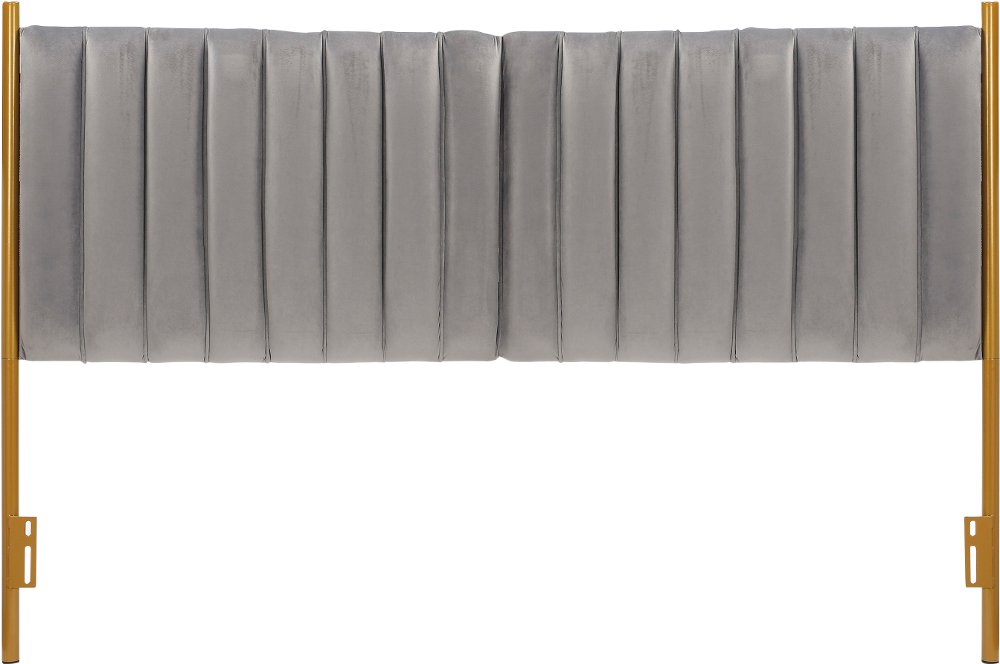
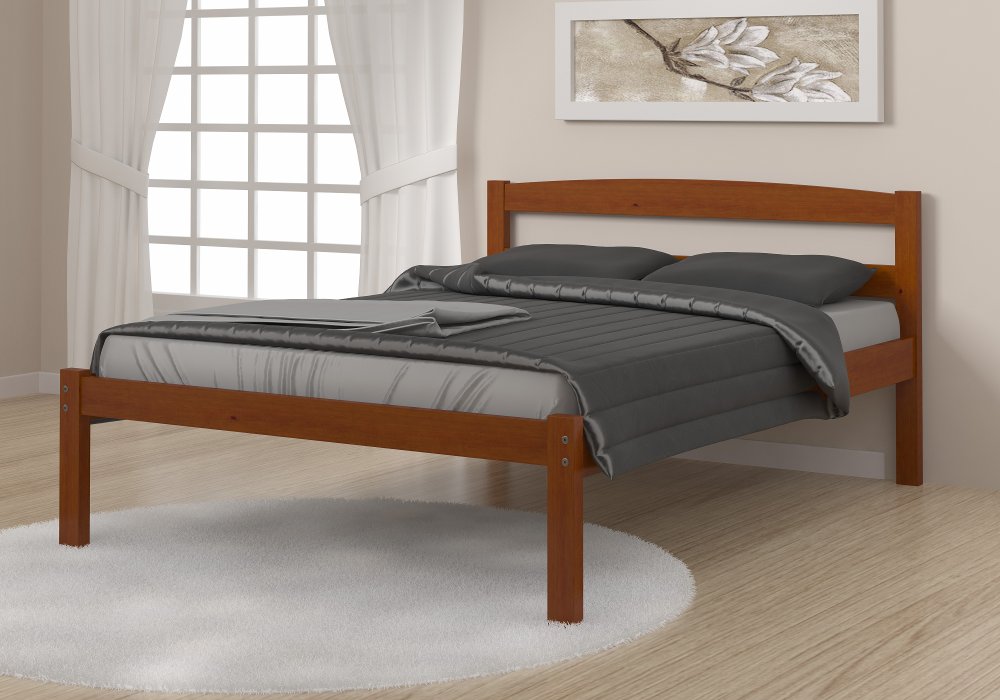
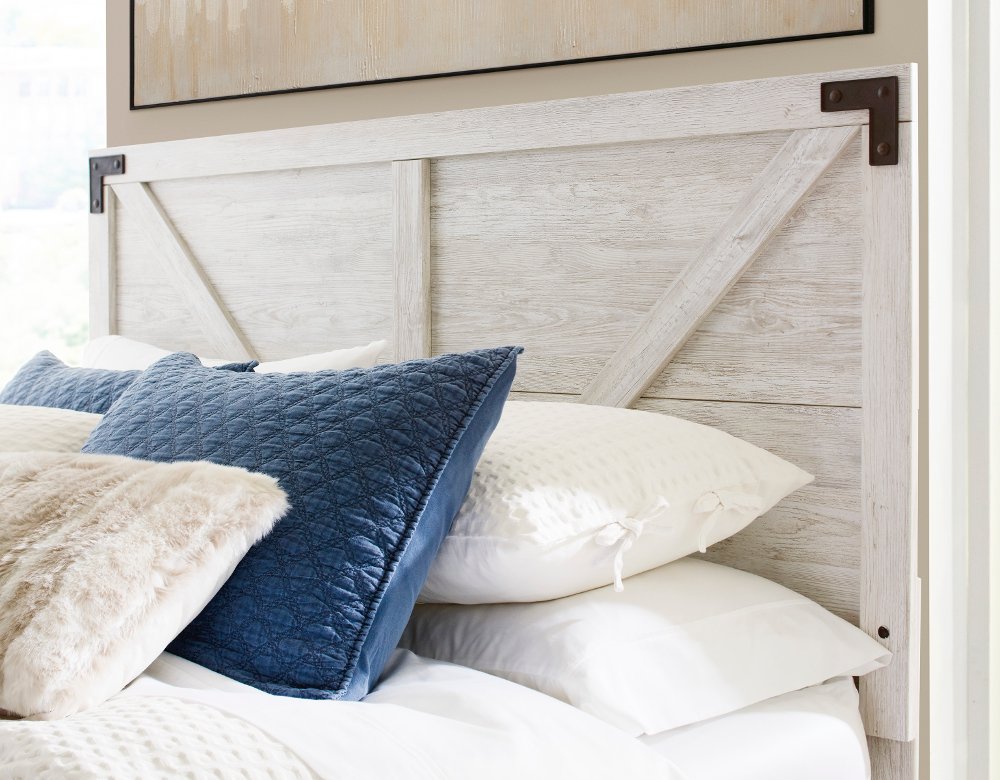
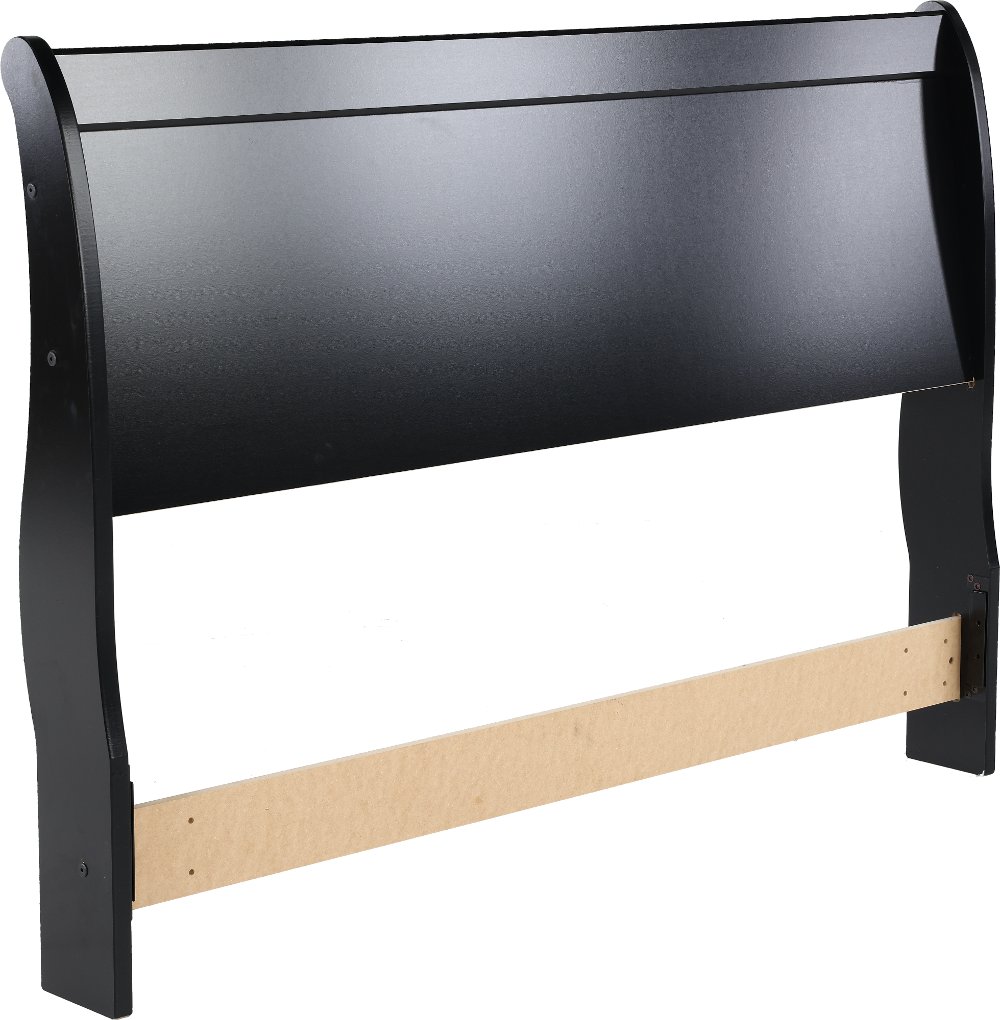
Children’s headboards give a bed a finished look while helping the whole room feel more personal. Positioned at the head of the mattress, they create a visual anchor for bedding, wall art, and the little details that make a bedroom belong to its occupant. A simple wood panel can suit a child who loves bright patterned sheets, while a padded upholstered headboard adds a softer backdrop for bedtime stories and quiet reading. Common styles include solid-panel, slatted, upholstered, and bookcase headboards, each with a different balance of texture, structure, and storage. Straight lines and understated finishes can carry a room from elementary school into the teen years; curved silhouettes, colorful fabrics, and decorative trim bring a more playful character. White and light wood finishes pair easily with cheerful quilts and colorful artwork, while darker wood tones create contrast against pale walls. Gray, beige, and other neutral upholstery leave plenty of room for a child’s favorite colors to change. For a room shared by siblings, matching headboard shapes can bring the space together even when each bed has different sheets and pillows. In a smaller bedroom, a slim profile keeps the bed from looking overly bulky. A taller design makes more of a statement, especially against an otherwise simple wall. The right choice depends as much on everyday habits as appearance: a child who reads in bed may appreciate cushioning, while someone who likes a tidy, streamlined space may prefer an easy-to-wipe panel. A headboard can also refresh the look of a compatible bed without requiring an entirely new bedroom arrangement. Designs with subtle details often provide the most flexibility, allowing a dinosaur-themed room to become a sports-inspired space or a quieter teen retreat through bedding and accessories. Giving children a say in the color or shape helps make the finished room feel like their own, while adults can focus on fit, construction, and practical upkeep.
Fit matters because a headboard needs to work with the bed frame, mattress, and available wall space—not just match the room’s style. A standard twin mattress measures approximately 38 by 75 inches, while a standard full mattress measures approximately 54 by 75 inches. Those measurements describe the mattress, not the headboard’s overall width, so a twin or full designation is only the starting point. Decorative posts, upholstered wings, and built-in shelves can extend beyond the mattress edges and affect the space left for nightstands, doors, or a nearby dresser. Families comparing children’s full beds can consider whether a complete bed or a separate headboard best suits the room and any frame they already own. A standalone headboard generally provides a decorative backrest rather than the support system for a mattress, which still needs an appropriate frame, foundation, or platform. Frame-mounted designs require compatible attachment points and hardware; wall-mounted designs need installation suited to the wall and the manufacturer’s directions. An adjustable mattress base may have its own attachment requirements, so compatibility deserves attention before pairing separate pieces. Mattress thickness also changes the finished appearance. A thick mattress and foundation can hide much of a shorter headboard, while a lower platform may reveal more of its design. Upholstered cushioning is most useful when it sits where a child’s back actually rests, rather than disappearing behind pillows. Bookcase headboards need extra consideration because their shelves add depth behind the sleeping area. Low-profile designs can be a better fit beneath a window or along a wall with limited space, provided the bed’s placement is safe and practical. Secure assembly and any required anchoring are essential, particularly in a child’s room. Connections should stay tight, and the assembled bed should have no unintended gaps or protruding hardware. Headboards belong with beds designed for the child’s age and stage; they aren’t substitutes for guardrails or other required safety features. These details help create a bedroom that works comfortably for sleep, reading, and everyday routines.
Materials influence how children’s headboards look, feel, and hold up to daily use. Solid wood brings natural grain and variation, while engineered wood can provide a smooth, consistent surface beneath paint, laminate, or veneer. Construction quality matters across both categories: well-fitted joints, securely attached trim, smooth edges, and a stable mounting system all contribute to a dependable piece. A wood veneer is a real wood surface over a supporting core, so its care needs may differ from those of a laminate finish. Upholstered headboards typically combine an internal frame, padding, and a fabric covering. Tightly woven fabric offers a different feel from plush velvet or a textured looped weave, and texture can affect how easily dust, lint, or pet hair collects. For a child who leans against the headboard with a book every evening, comfortable padding and securely finished seams deserve attention. In a room where markers, snacks, or sticky fingers occasionally make an appearance, the cleaning instructions are just as important as the color. Some fabrics allow spot cleaning with specified products, while others require solvent-based cleaning or professional care. Removable covers are washable only when the care label says so. Wood and laminate surfaces generally benefit from gentle dusting and prompt attention to spills, using the cleaner recommended for the finish. Excess moisture and abrasive products can damage surfaces, and fabric benefits from regular vacuuming with a suitable upholstery attachment. Storage details should suit the child’s routine, too. A shallow shelf can keep a favorite bedtime book within reach, but heavy objects belong away from the sleeping area, and cords should remain safely out of reach. For a birthday gift or bedroom refresh, coordinating with a parent or caregiver helps confirm the bed size, mounting needs, and preferred materials before choosing a style. A well-matched children’s headboard balances personality with everyday practicality, creating a welcoming backdrop for familiar bedtime rituals and the interests still to come.
Read More