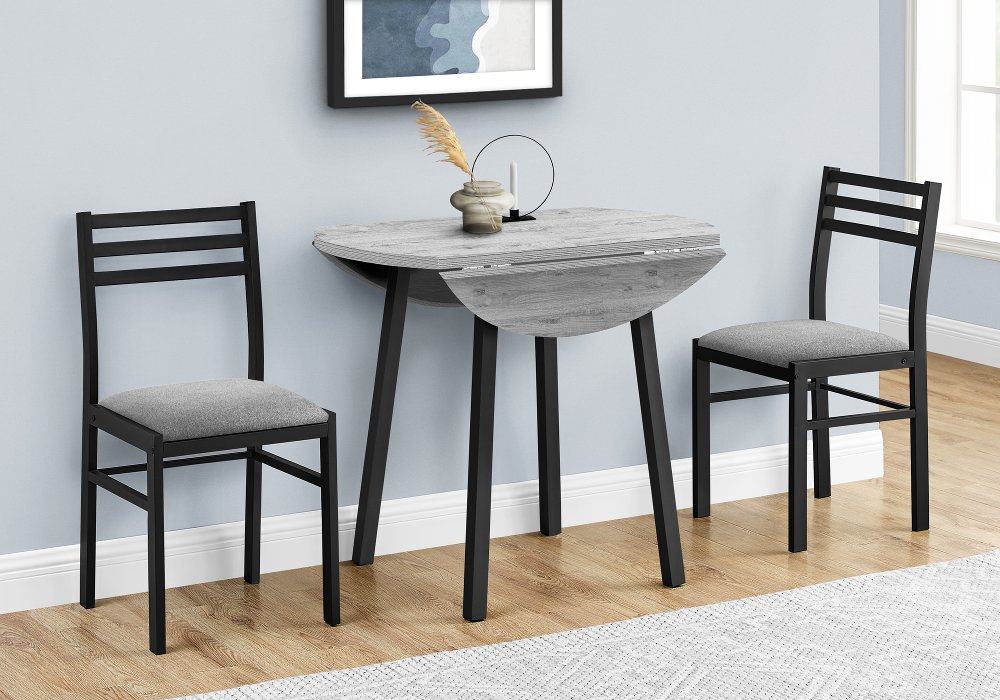
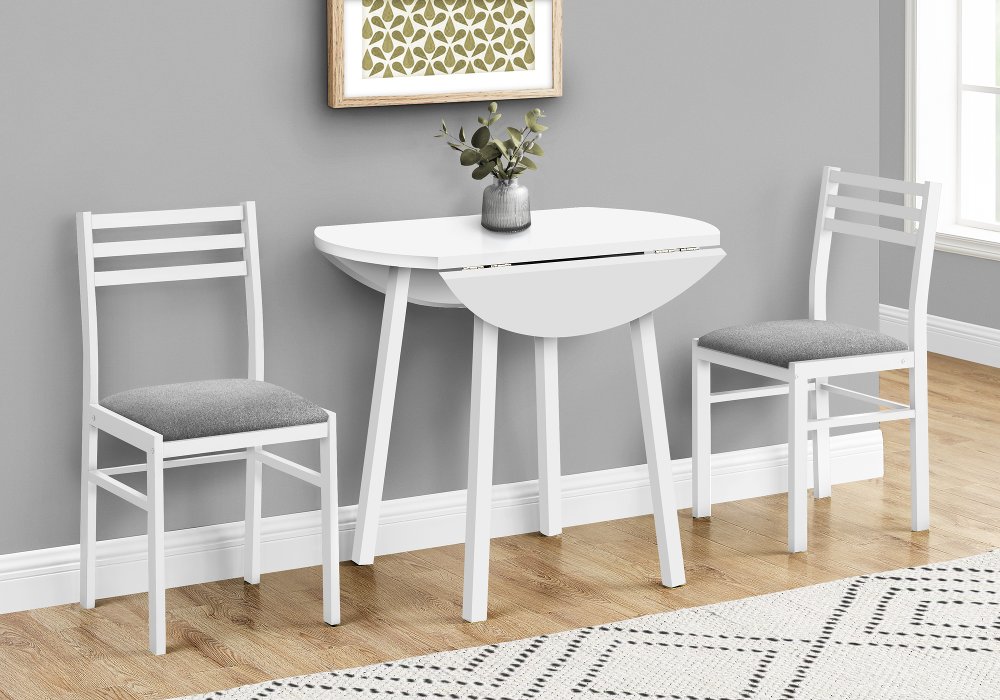
A kitchen table earns its place in your home through everyday moments: coffee before work, a sandwich between errands, or dinner with someone who stays for a second helping. Drop leaf kitchen tables make room for those moments without asking you to dedicate the same amount of floor space all day. Their hinged tabletop sections fold down when you need a smaller footprint and lift into place when you need a larger surface. That flexibility makes them especially useful in apartments, breakfast nooks, eat-in kitchens, and homes where the dining area shares space with the living room. With the leaves lowered, a table can sit neatly against a wall or leave a clearer path between the refrigerator and the kitchen doorway. With a leaf raised, it can offer extra room for a place setting, a serving bowl, or a laptop alongside your lunch. Some designs have one folding leaf, while others have two, giving you different ways to arrange the surface around your routine. The best fit depends on how you’ll use the table most often, not just how many people might gather for an occasional meal. A narrow rectangular shape can work well along a wall, while round drop leaf tables offer a curved profile when fully opened and a comfortable setting for conversation. Square and oval shapes bring their own balance of seating space and room flow. For a couple who usually eats together but sometimes hosts friends, an expandable tabletop can make a modest kitchen feel more accommodating. For someone living alone, it can provide a proper dining spot without crowding out the rest of the room. It can also be a useful second dining surface in a larger home, giving children a place for an afternoon snack or creating a casual spot for breakfast away from the main dining room.
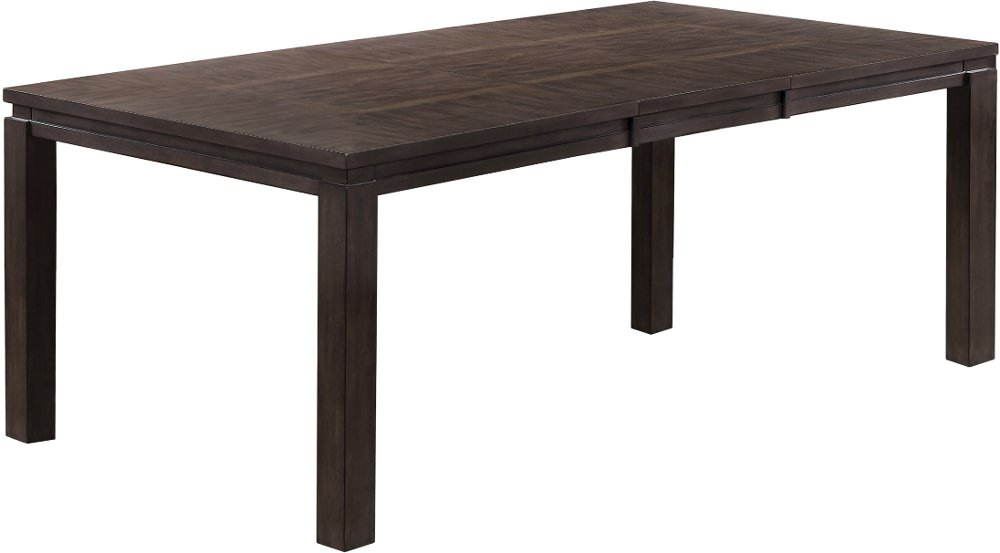
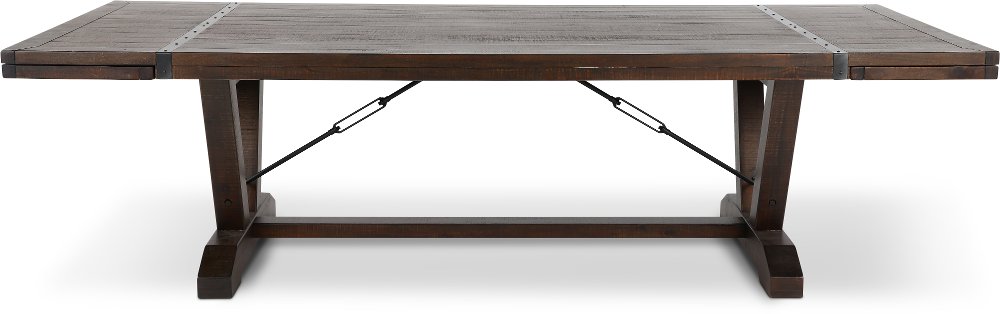
The details beneath the tabletop matter just as much as its shape. Solid wood brings natural grain and character, with variations that help each piece feel distinct; its long-term performance depends on the wood, construction, and protective finish. Wood veneer over an engineered core can deliver a real-wood surface with a construction designed for dimensional stability, though deep scratches and edge damage may be more difficult to repair than on some solid-wood surfaces. Laminate tops can be practical for frequent meals and quick cleanup, but they still benefit from protection against excessive heat and standing moisture. Painted finishes offer a different look, from soft and understated to bold and contrasting, while metal bases can introduce a clean-lined feel. Whatever the material, sturdy joinery, securely attached hinges, and dependable leaf supports help a drop leaf table feel steady in daily use. The support system may use swing-out legs, sliding brackets, or another mechanism, and those differences affect both setup and legroom. A gateleg design, for example, uses a leg that swings beneath the raised leaf; its position is worth considering when pairing the table with chairs. A pedestal base may leave more open space around the seating area, but the overall base dimensions still determine how comfortably chairs tuck in. Measure the table with its leaves both lowered and raised, then consider the room it needs when people are actually seated. As a general starting point, about 36 inches between the tabletop edge and nearby walls or furniture allows room to move chairs, with additional clearance helpful along busy walkways. Cabinet doors, appliance doors, and the route through the kitchen deserve attention, too. Chair arms need to clear the underside of the table, and seat height should suit the tabletop height. Standard dining-height and counter-height tables require different seating, so matching those measurements helps create a comfortable setup. If a table will move between a wall and the center of the room, its weight and floor-protection options also become part of the decision.
A drop leaf kitchen table should feel at home with the furnishings you already enjoy. Visible wood grain and simple legs can lend warmth to a kitchen with painted cabinets, while a darker finish can create contrast against light flooring. A streamlined base and an uncluttered tabletop suit a space where every inch needs to feel open; turned legs or a shaped apron can bring a more traditional presence. Coordinating chairs don’t have to match every detail, but a shared finish, color, or design element helps the arrangement feel intentional. Armless chairs often tuck in more easily, while upholstered seats add comfort for meals that turn into long conversations. Consider where extra chairs will go when the leaves are down, whether that’s along a nearby wall or in another room where they can serve a second purpose. Everyday care helps preserve both the appearance and the moving parts. Wipe spills promptly with a soft cloth, use coasters beneath drinks, and place protective pads or trivets under hot dishes according to the finish manufacturer’s recommendations. A washable placemat can catch crumbs and small drips, while a protective mat gives children a better surface for coloring or craft projects. Avoid soaking the tabletop or using an abrasive cleaner, and follow the recommended cleaning method for the specific material. Before placing dishes on a raised leaf, make sure its supports are fully engaged; keep heavy loads off unsupported edges and follow any stated weight limits. Periodic checks of accessible hardware can help catch loosening connections before they affect everyday use. These tables can also make thoughtful housewarming gifts for someone setting up a first apartment or settling into a smaller home, especially when the recipient’s room measurements and style preferences are known. Whether the table hosts daily breakfasts, shared dinners, or a quiet place to sort the mail, its appeal comes from adapting to your space while keeping a welcoming seat at the center of everyday life.
Read More