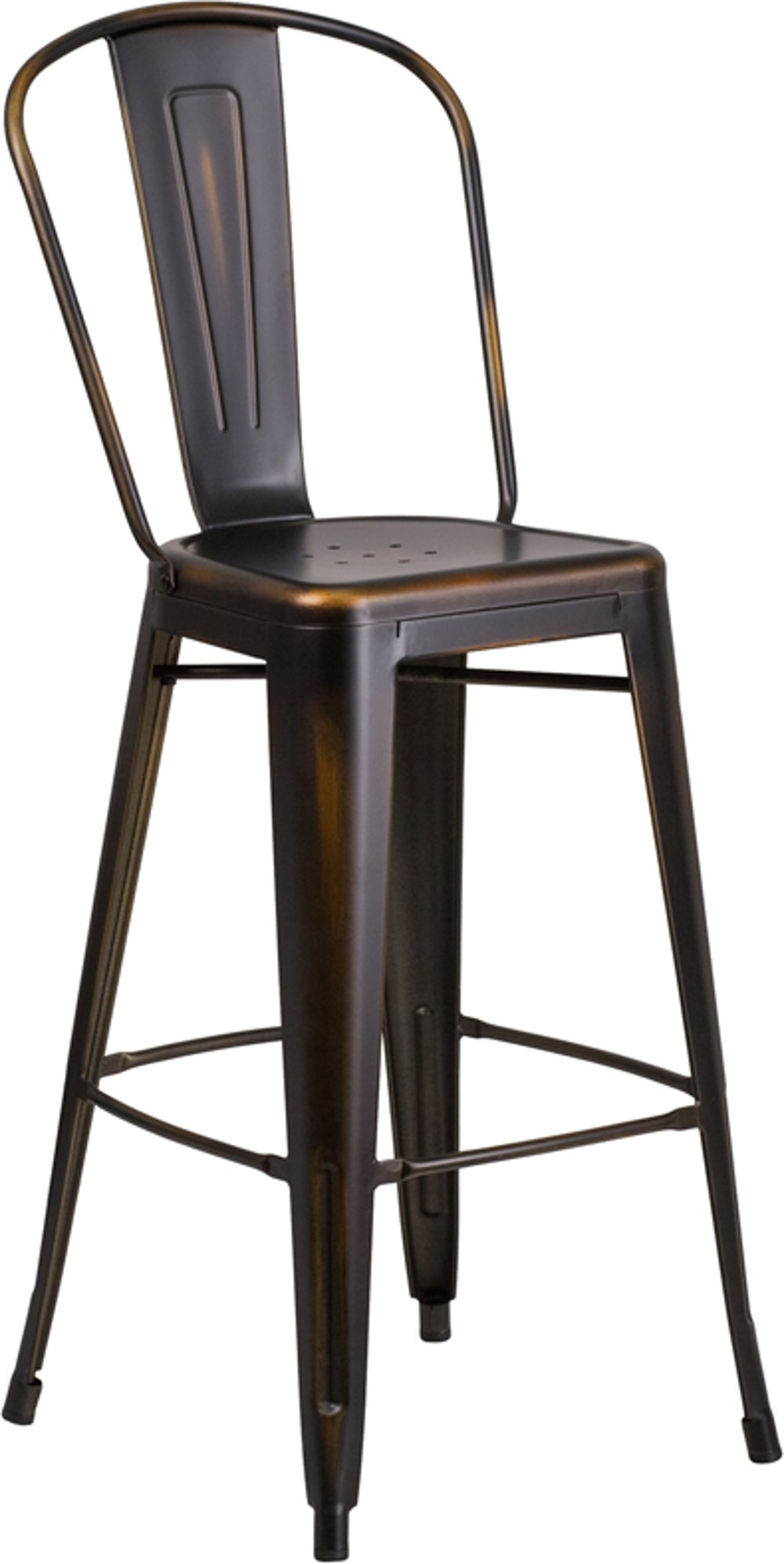
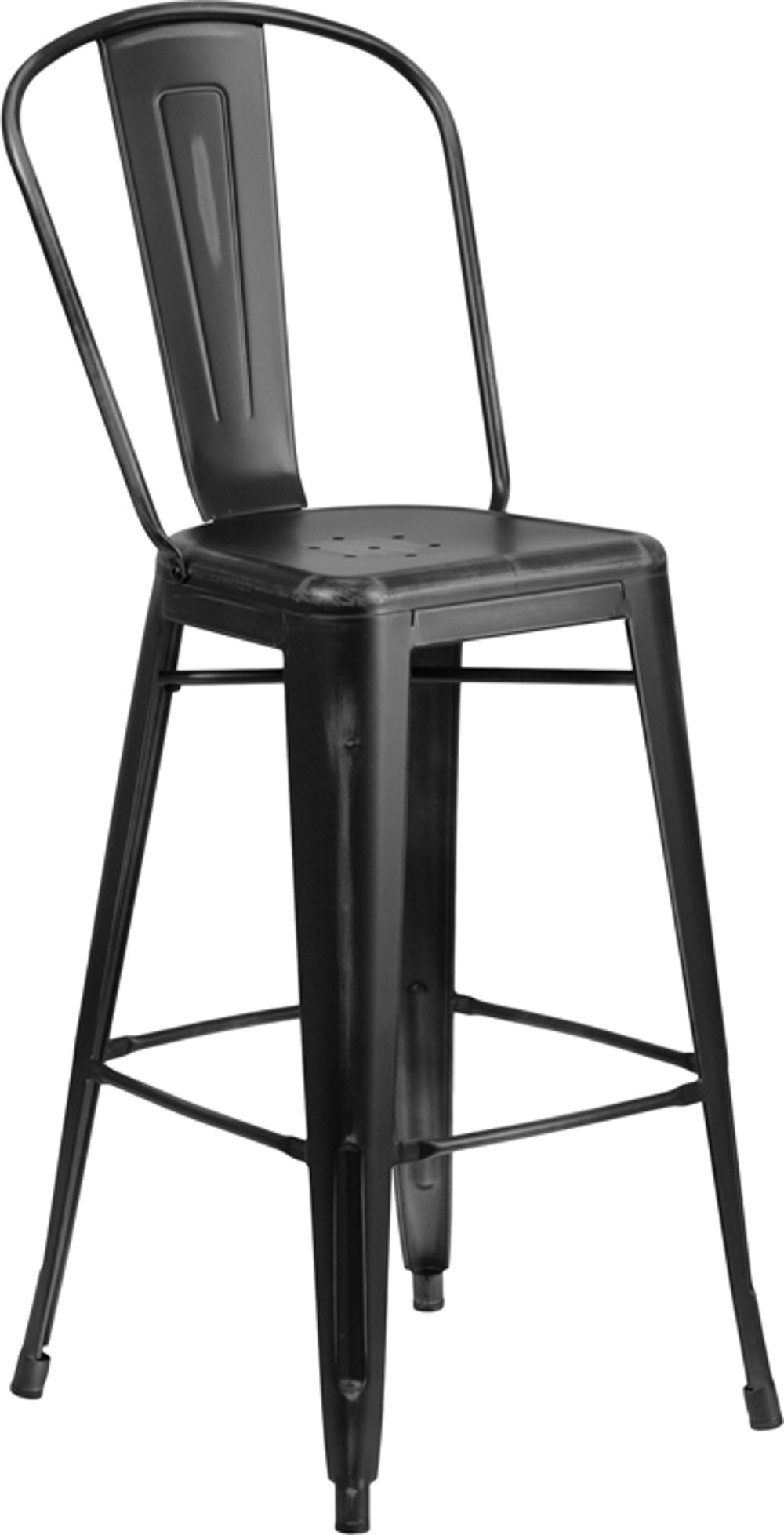
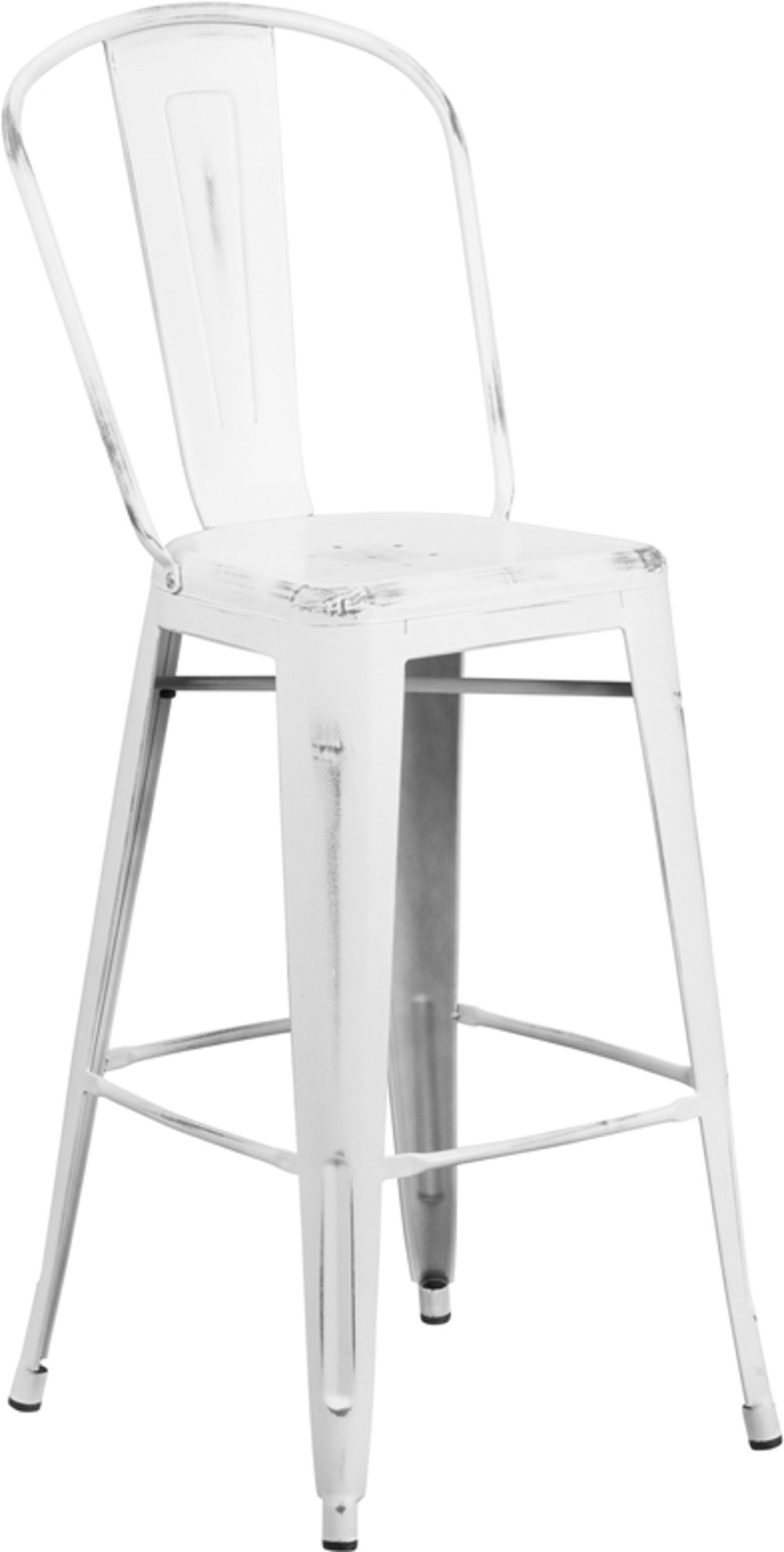
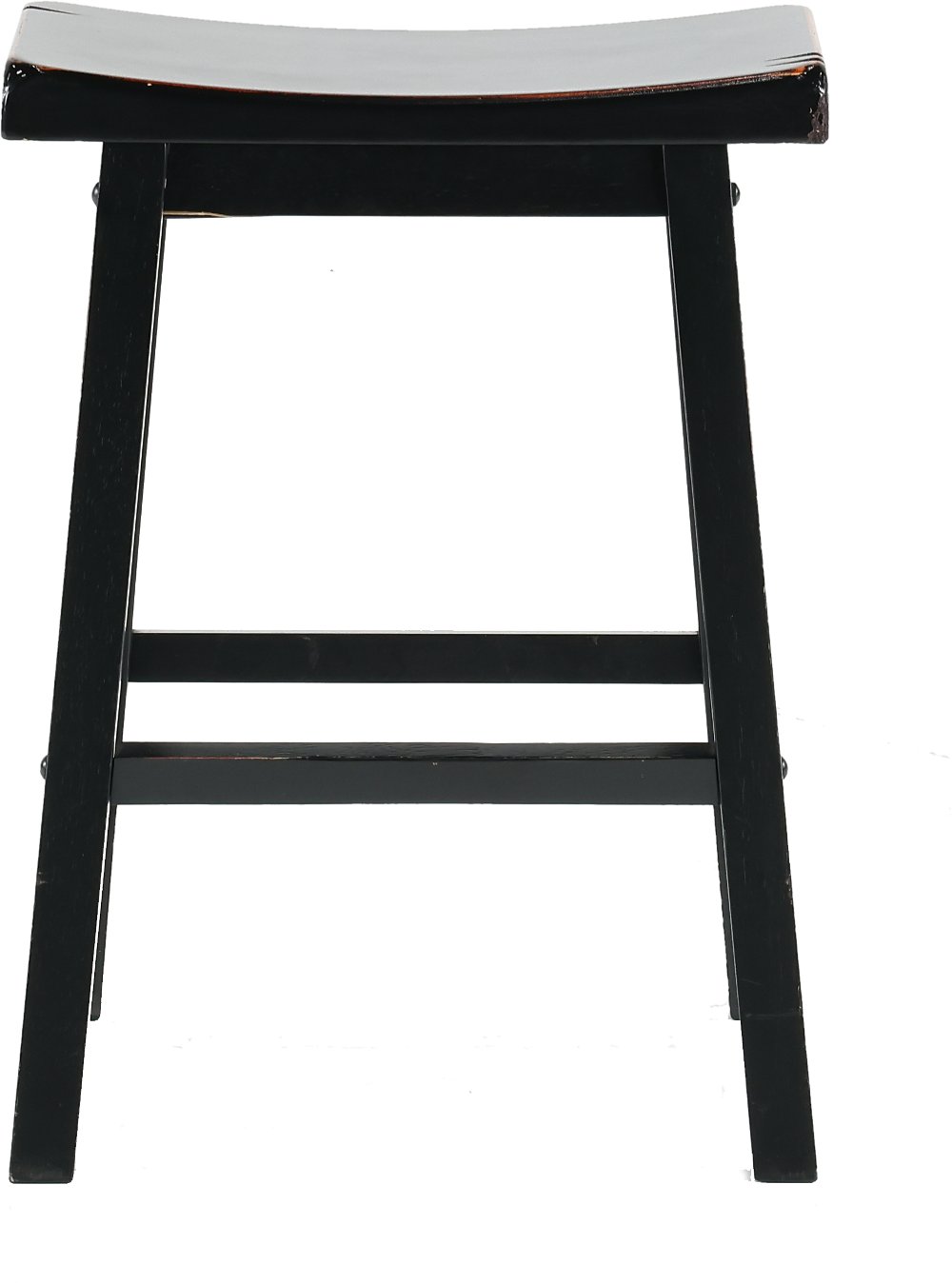
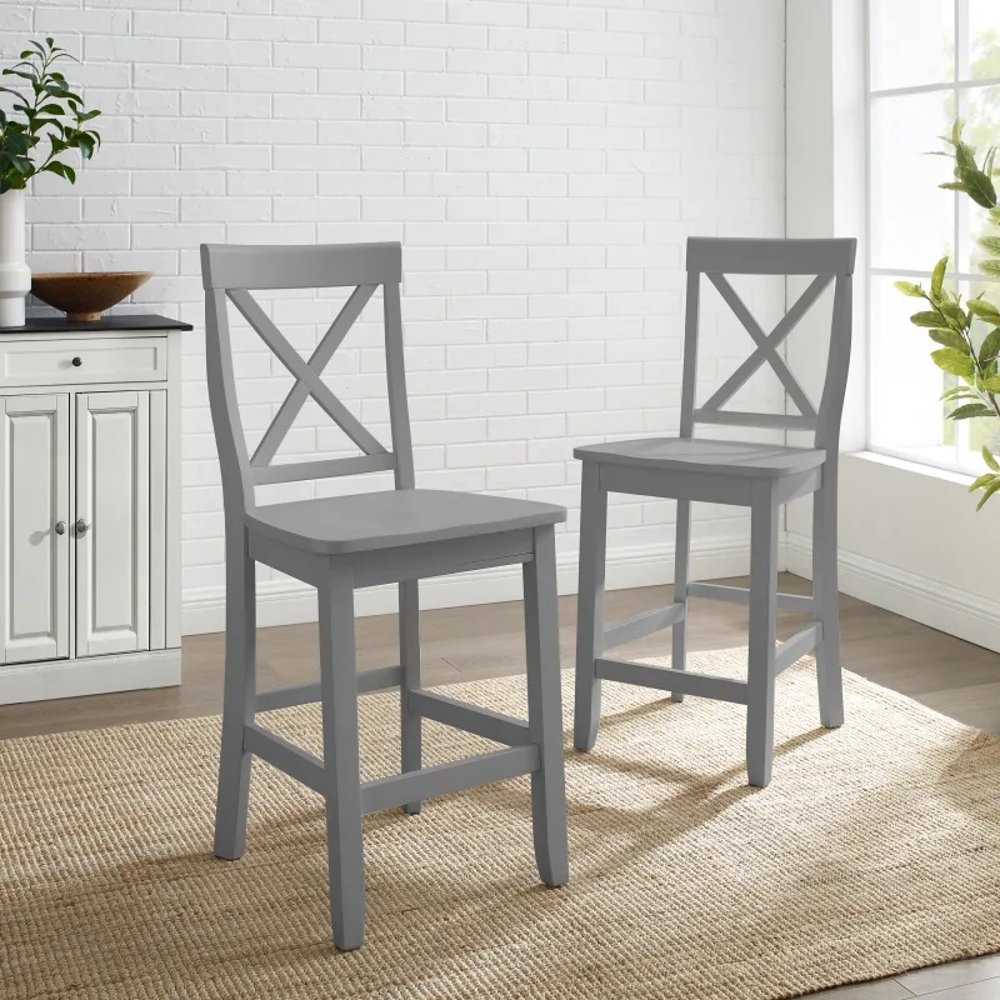
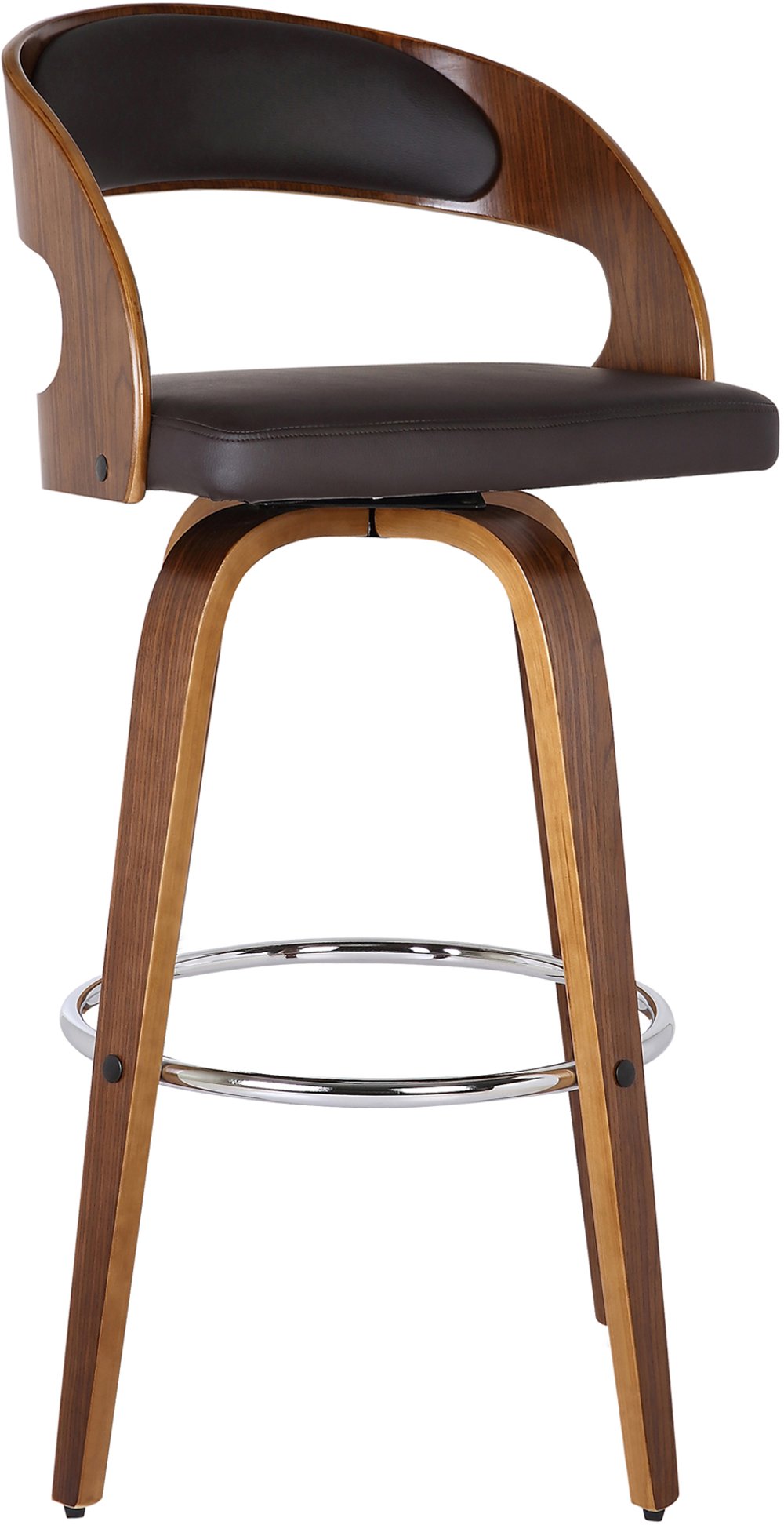
Comfortable rustic bar stools bring the relaxed character of a country kitchen, lodge-inspired dining area, or welcoming home bar into everyday life. Their appeal comes from the balance of sturdy, natural-looking materials and seating designed for real comfort. Wood frames can add warmth through visible grain, knots, and softly weathered finishes, while metal details may give the silhouette a grounded, hardworking feel. Depending on the design, a rustic stool may include a broad saddle seat, a gently curved back, a footrest, a swivel base, or cushioning covered in fabric, faux leather, or leather-inspired upholstery. These details matter when the island becomes more than a place to enjoy a quick breakfast. A supportive seat makes it easier to linger over coffee, help with homework, share a casual meal, or catch up with friends while dinner comes together. For a coordinated look with a darker, more dramatic finish, explore Black Rustic Bar Stools. The right choice should feel inviting from the first sit while complementing the surrounding room rather than competing with it. Look at the shape of your kitchen island or bar, the amount of open space around it, and the materials already in the room. A home with light cabinetry and woven accents may welcome a honey-toned wood stool, while a space with stone counters, charcoal fixtures, or warm metal hardware may suit a deeper finish. Rustic style does not have to look rough or overly themed; clean lines, subtle distressing, and thoughtfully chosen textures can create a comfortable, lived-in atmosphere that feels current for years.
Height is one of the most important details to check before choosing rustic bar stools. Counter-height stools generally have seats about 24 to 26 inches from the floor and pair well with kitchen islands or counters that stand around 35 to 36 inches high. Bar-height stools generally measure about 28 to 30 inches at the seat and work best with bar surfaces or pub tables approximately 40 to 42 inches high. Measure from the floor to the underside of the counter, then allow roughly 9 to 12 inches of space between the seat and the surface so legs can rest comfortably. This small step can make the difference between a stool that feels natural and one that leaves knees cramped. Plan for enough elbow room, too. A useful starting point is about 24 inches of width per person, although a stool with wide arms or a generous upholstered seat may need more room. Backless stools can slide neatly beneath an island and keep a compact kitchen looking open, while stools with backs offer more support for longer meals and relaxed conversations. A swivel seat can make getting in and out easier, especially in a busy kitchen, and a footrest gives tired legs a comfortable place to settle. If young children will use the stools, look for a stable base, durable upholstery, and a design that feels secure when they climb up or down with supervision. Households that entertain often may appreciate wipeable surfaces and resilient finishes, while a quieter breakfast nook may leave more room for soft fabric, textured upholstery, or a contoured seat. Keep the floor in mind as well: wide, stable legs or levelers can help a stool sit firmly on tile, hardwood, or a slightly uneven surface.
Comfortable rustic bar stools can serve many rooms and routines. Around a kitchen island, they create an easy spot for a quick meal before school, rolling out pastry dough with a little extra company, or opening a laptop while staying close to the rest of the household. At a home bar or pub table, they help turn an unused corner into a relaxed gathering place for game nights, shared appetizers, and long conversations during the cooler months. In an open-concept space, a row of rustic stools can visually connect the kitchen and living area by repeating wood tones, black accents, or natural textures found elsewhere in the room. They can also be a thoughtful housewarming gift for someone settling into a new home, especially when you know the height and width of the recipient’s counter. A pair may suit a smaller apartment or breakfast counter, while a larger household may prefer a matching set that keeps everyday seating consistent. Before making a choice, consider how often the stools will be used, whether people prefer a supported back or an easy-to-tuck seat, and how much maintenance the materials require. Dust wood with a soft cloth, wipe spills promptly, and follow care directions for upholstered surfaces to help preserve their finish. Felt pads beneath the legs can protect flooring and make movement quieter. During the changing seasons, rustic bar stools also offer a simple way to make a room feel warmer and more welcoming without a full redesign: add a textured cushion, bring in earthy tones, or pair them with soft lighting and natural décor. With the right height, sturdy construction, and supportive shape, rustic bar stools become more than occasional seating. They become part of the daily rhythm of home, ready for busy mornings, unhurried meals, and the kind of comfortable gathering that makes people want to stay a little longer.
Read More