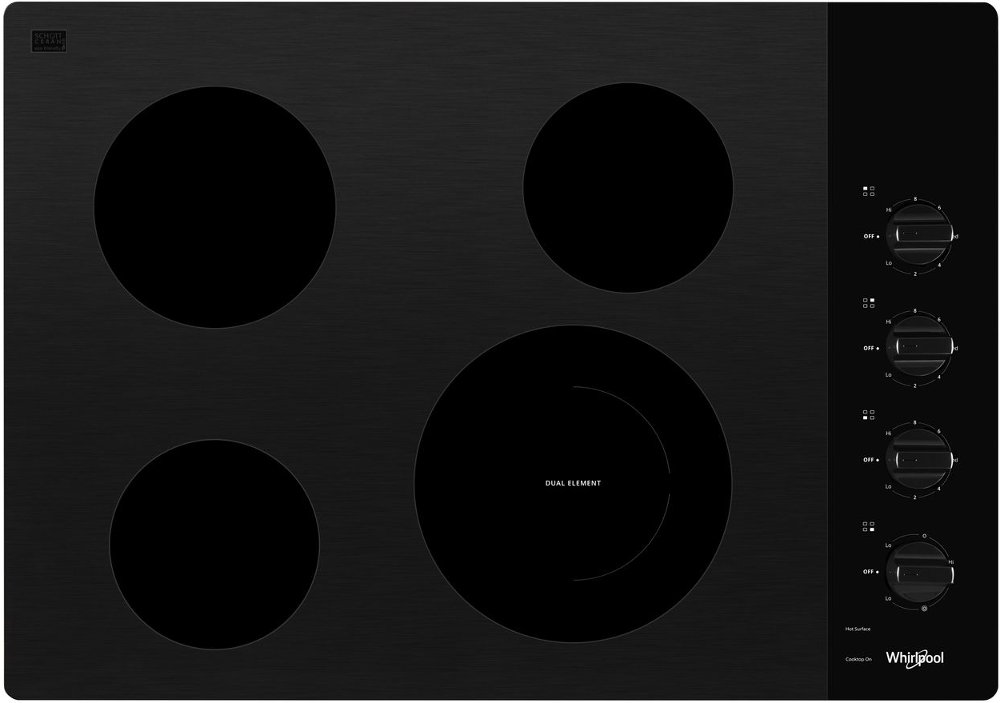
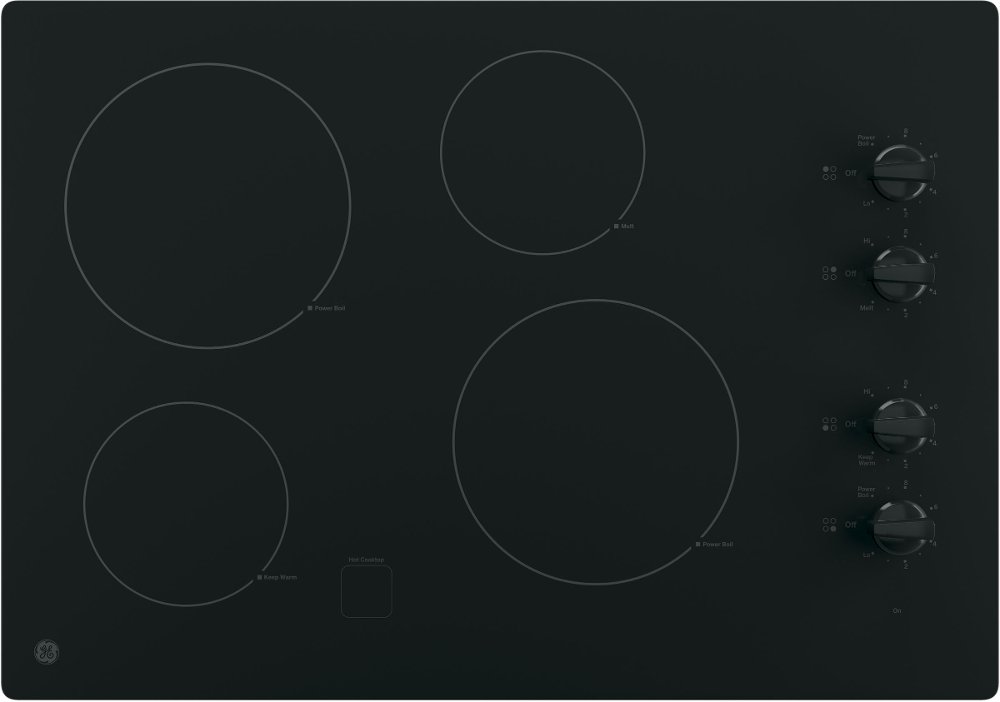
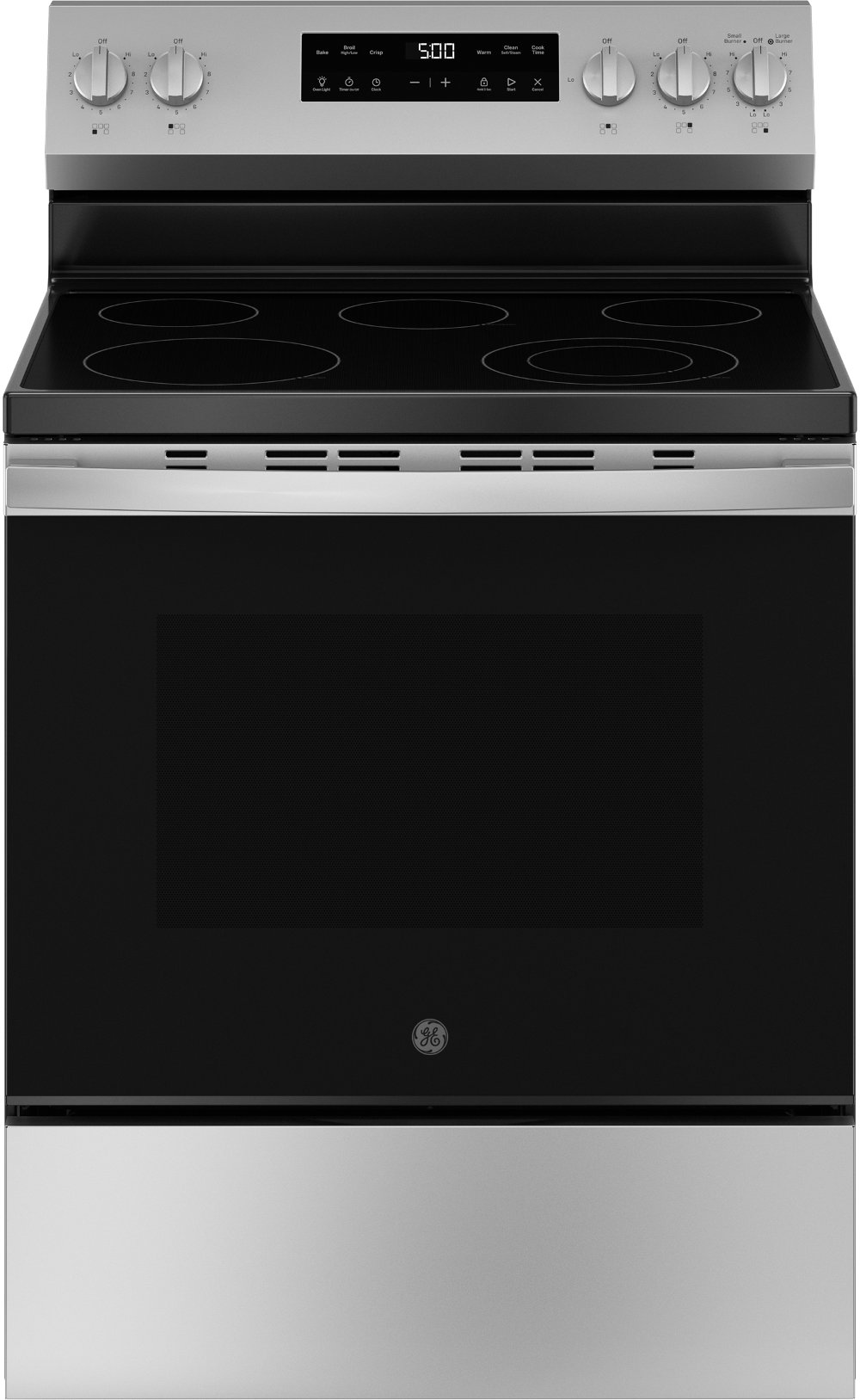
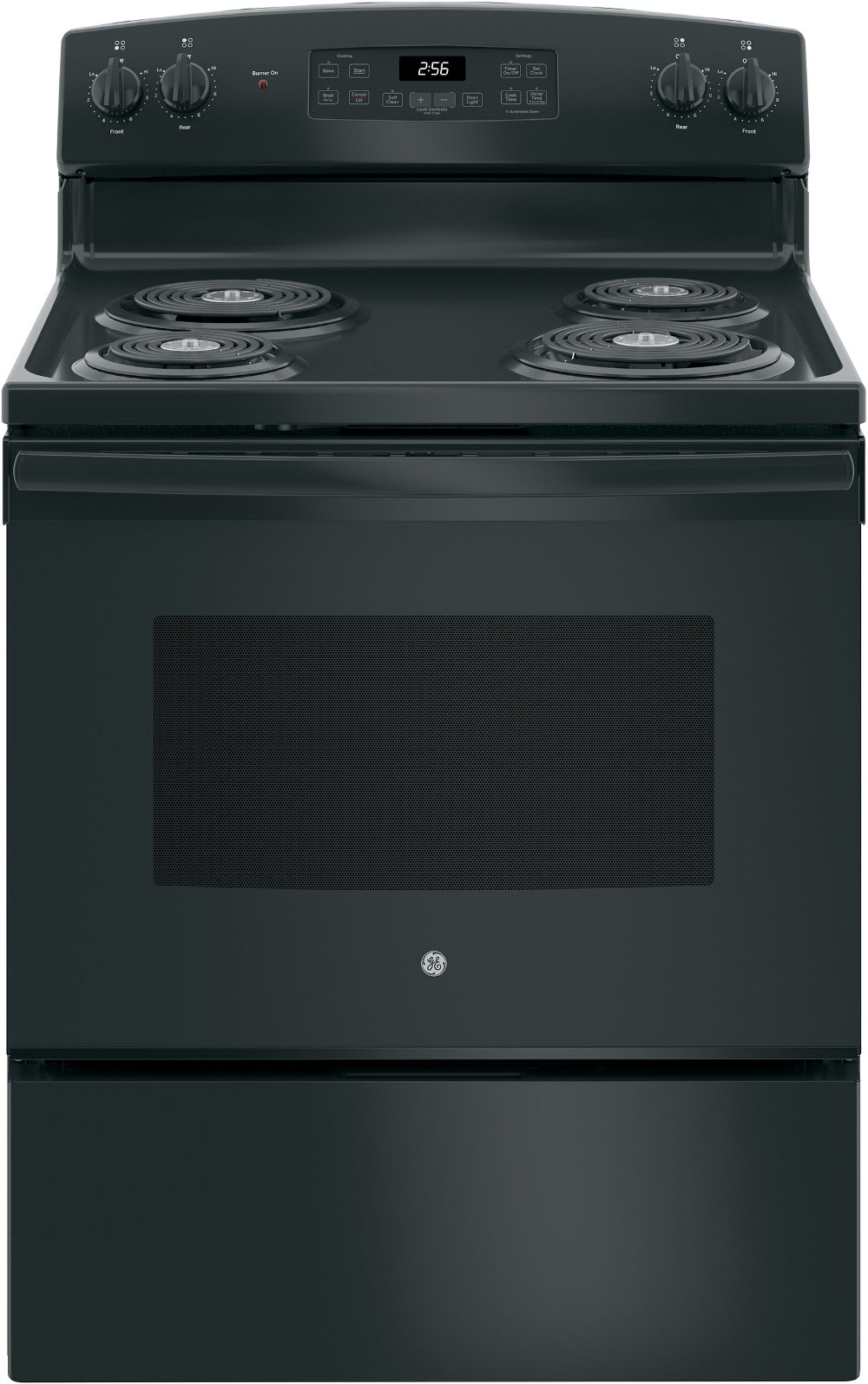
Compact stoves are cooking appliances designed to take up less space than a standard kitchen range, making them a practical fit for apartments, condos, tiny homes, and smaller kitchens. For indoor cooking, the term often refers to a narrow range that combines a cooktop and an oven in one appliance. Many compact kitchen ranges measure approximately 20 or 24 inches wide, compared with the common 30-inch width of a full-size range, though exact dimensions vary. That smaller footprint can leave more room for cabinets, a prep surface, or a comfortable walkway without separating stovetop cooking from baking. A compact stove can suit someone furnishing a first apartment, a couple downsizing, or a homeowner creating a permitted accessory dwelling unit with a complete kitchen. The appeal is straightforward: a place to scramble eggs, simmer pasta sauce, and bake dinner without giving a large appliance more room than the kitchen can spare. The phrase “compact stove” can also describe portable tabletop burners and lightweight camping stoves, but those products serve different purposes. An indoor range is intended for an approved kitchen installation, while a backpacking or camp stove is designed for the environment and fuel specified by its manufacturer. Outdoor-only fuel-burning stoves should never be used indoors, including in a garage, because they can create dangerous carbon monoxide exposure. For a small-space kitchen, the most useful distinction is whether you need a complete range with an oven or simply an indoor-rated countertop cooking surface. A countertop burner can handle a pot of soup or an extra saucepan, but it doesn’t replace an oven and still requires a suitable work surface, proper clearances, and an appropriate power connection. Think about your regular meals as much as your floor plan. Someone who mostly cooks with a skillet and a saucepan has different needs from a baker who regularly uses wide sheet pans. Compact cooking works best when the appliance fits both the room and the way you like to eat.
Fit involves more than measuring the opening between two cabinets. A compact range’s width, depth, and height all matter, along with the space needed for the handle, open oven door, utility connections, and required clearances. In a narrow kitchen, an oven door that opens into the main walkway can make everyday cooking awkward even when the appliance fits its cutout. Check the delivery path, too, especially in apartments with tight entryways or turns between rooms. The manufacturer’s installation instructions should determine placement, ventilation, and connections, and installation should follow local requirements. Freestanding ranges need their specified anti-tip protection properly installed; an open oven door should never become a seat or step. Gas and electric compact stoves offer different cooking experiences, and the kitchen’s existing utilities may help narrow the choice. Gas burners provide a visible flame and respond quickly when you adjust the control, while electric coil elements offer a familiar cooking surface with removable components on many designs. Smooth electric cooktops provide a more continuous surface to wipe down, although they need suitable cookware and careful cleaning. Induction cooking, where offered, uses magnetic cookware and can deliver responsive heat without an exposed flame. A magnet sticking firmly to a pan’s base is a useful first check for induction compatibility, but the cookware and appliance instructions remain the best reference. Many electric ranges require a dedicated 240-volt circuit, while some smaller countertop appliances use a standard household outlet; never assume that a small appliance has a small electrical requirement. Gas ranges also need the correct fuel setup and may require electricity for ignition or other functions. Inside the oven, usable rack dimensions can tell you more than capacity alone. Measure a favorite casserole dish or baking sheet, including its handles, and allow the space around cookware specified by the manufacturer. On the cooktop, consider whether your everyday skillet and pasta pot can sit together comfortably. Four burners can be useful, but burner spacing and pan size determine how comfortably you can cook several dishes at once.
Materials and construction affect how a small stove looks, cleans up, and holds up to daily use. Porcelain-enamel oven interiors and cooktop surfaces are common because they tolerate cooking heat and offer a relatively smooth finish, though chips and scratches can damage that finish. Stainless steel exterior panels bring a clean, versatile look to a kitchen, but they can show fingerprints and benefit from a soft cloth and a manufacturer-approved cleaner. Glass-ceramic cooking surfaces are easy to appreciate in a small room, where the stovetop stays in view, but they aren’t an extra cutting board or storage shelf. Lift heavy pans rather than dragging them, and follow the appliance instructions for removing spills without damaging the surface. Gas burner grates may use cast iron or enamel-coated steel, with care requirements that depend on the material and finish. Stable grates, oven racks that sit securely, and controls that are easy to read all contribute to an appliance that feels comfortable in everyday use. Look beyond appearance to details such as removable burner parts, accessible spill areas, and the cleaning method specified for the oven. Compact ovens don’t all include a self-cleaning function, and cleaners intended for one interior may be unsuitable for another. Regular attention to cooled cooking surfaces helps keep grease and food residue from building up, while clear burner ports and correctly positioned burner caps support proper operation on gas appliances. Accessories deserve the same attention to fit as the range itself. If grilled sandwiches or stovetop vegetables are part of your routine, explore Stove Grills with your cooktop’s dimensions and compatibility requirements in mind. A grill or griddle should sit securely, stay within the manufacturer’s permitted coverage, and leave controls and ventilation openings unobstructed. The same practical approach applies to choosing pots, roasting pans, and baking dishes: pieces that fit comfortably are more useful than oversized cookware that crowds the cooking area. A well-chosen compact stove gives a smaller kitchen a dependable center for daily meals, with room to cook confidently and keep the surrounding space working for you.
Read More