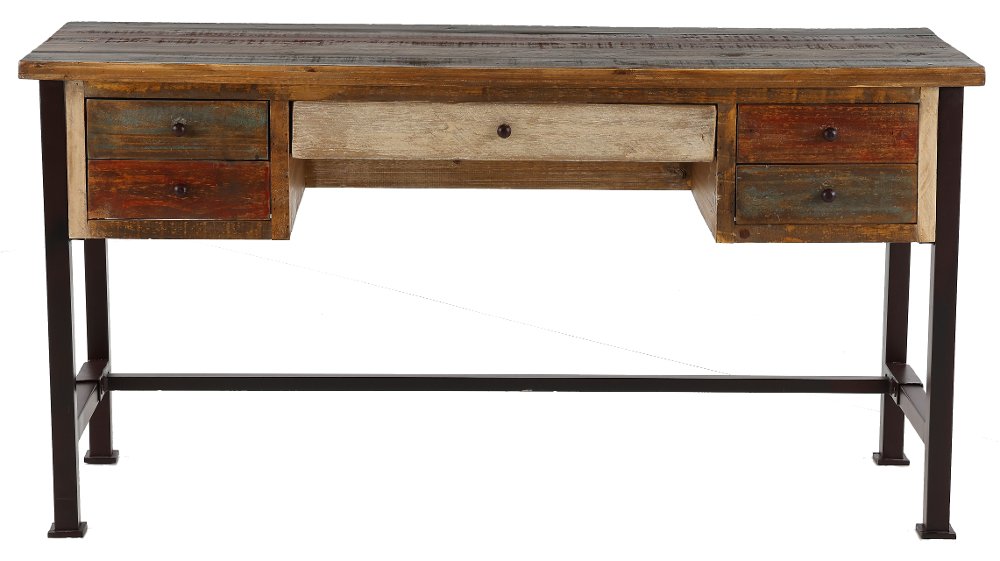
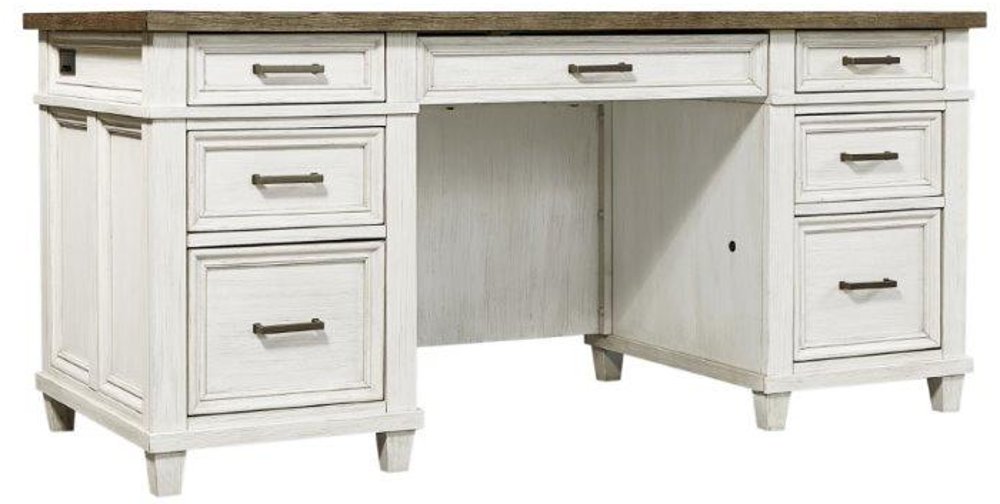
Craft desks give your ideas a place to take shape, whether you’re piecing together a quilt, arranging scrapbook pages, making jewelry, or helping a child finish a school project. A dedicated work surface means less time clearing the dining table and more time settling into something you enjoy. The right desk supports the way you create, with enough room for your tools, materials, and the project itself. For paper crafts, that might mean a broad surface where you can spread out several sheets without stacking them. For sewing, it might mean space beside the machine to support fabric rather than letting it slide over the edge. Small, detailed work benefits from a layout that keeps frequently used supplies close without crowding your hands. Craft desks can also serve as everyday writing or computer desks, making them useful in rooms that need to handle more than one job. A compact desk can define a creative corner in a bedroom or home office, while a larger work surface can anchor a dedicated craft room. Width matters, but depth makes a difference, too: a deeper top can accommodate equipment toward the back while leaving a comfortable working area in front. Overall height, knee clearance, and the placement of drawers or cabinets affect how naturally you can sit and move. A desk that looks roomy from above may offer less legroom if storage extends beneath much of the surface. Your chair should fit comfortably underneath, with space to shift position during longer projects. For hobbies that involve standing, a taller work surface may feel more natural than a traditional seated desk, depending on your height and the task. The surrounding space matters just as much as the desktop. Room to pull out a chair, open storage compartments, and walk past without brushing an unfinished project helps the whole area feel easier to use.
Materials and construction shape how a craft desk looks, feels, and holds up to regular use. Solid wood brings natural grain and character, though its finish still needs protection from moisture, heat, and sharp tools. Wood veneer offers a real-wood surface over a supporting core, so gentle cleaning and protection from deep scratches are important. Engineered wood is common in desk construction and may have a painted, laminated, or veneered finish; the surface treatment and quality of construction matter alongside the material underneath. Laminate surfaces can be practical for everyday crafting because many wipe clean easily, but resistance to scratches, stains, and heat varies. A smooth top is especially useful when you’re drawing, arranging small pieces, or working with paper that might catch on a textured surface. Glass can offer a smooth work area, though fingerprints show readily, and manufacturer guidance matters when using clamps or placing equipment on it. Metal frames can provide support with a lighter visual profile, but a desk’s stability depends on its overall design and assembly, not simply on the presence of metal. Secure connections, well-supported tops, and drawers that move smoothly are details that make daily use more comfortable. Sewing machines and other equipment introduce weight and movement, making the desk’s stated weight capacity and intended use important considerations. A craft desk isn’t automatically a workbench, and heavy tools or forceful tasks may call for a different kind of surface. Protective accessories also help preserve the finish: a cutting mat gives blades a suitable working area, while a washable covering can catch paint or glue. Spills are best wiped up promptly, especially near seams and exposed edges. A soft cloth and cleaning products approved for the finish help keep the desk looking cared for without unnecessary wear. With a surface suited to your projects and a little routine care, your workspace can remain welcoming through plenty of experiments, revisions, and finished pieces.
Storage is where a craft desk can make a noticeable difference to your routine. Shallow drawers can keep pens, scissors, and small tools easy to see, while deeper compartments may better accommodate folded fabric, larger containers, or equipment you put away between sessions. Open shelves keep supplies visible and accessible, which can be helpful when you reach for the same materials repeatedly. Closed storage creates a calmer backdrop in a shared room and gives unfinished work a place to wait out of sight. Neither approach needs to hold every supply you own; a desk often works best when it keeps everyday essentials nearby and leaves less-used materials elsewhere. Drawer interiors and shelf openings matter as much as the desk’s overall dimensions, especially if you already organize supplies in containers. Space for cords is another useful detail when a sewing machine, task lamp, or computer shares the surface. Keeping cables away from your working area leaves more room for fabric and paper to move freely. Lighting deserves a place in that layout, too, with enough space for a lamp that illuminates detailed work without taking over the desktop. Exploring Craft Room Furniture alongside craft desks can help you picture how separate storage and work surfaces might function together. Coordinating dimensions and finishes can make a creative area feel connected to the rest of your home, whether your style leans toward warm wood tones, a painted finish, or simple metal accents. In a shared household workspace, accessible supplies can support family projects, while sharp tools and materials that require supervision belong in appropriately secured storage. For a student, hobbyist, or someone returning to a favorite craft, a desk can also be a thoughtful gift when its size and layout reflect the recipient’s space and interests. The most useful choice isn’t necessarily the largest or the one with the most compartments. It’s the desk that gives you room to work comfortably, keeps the essentials within reach, and makes it easier to pick up where you left off.
Read More