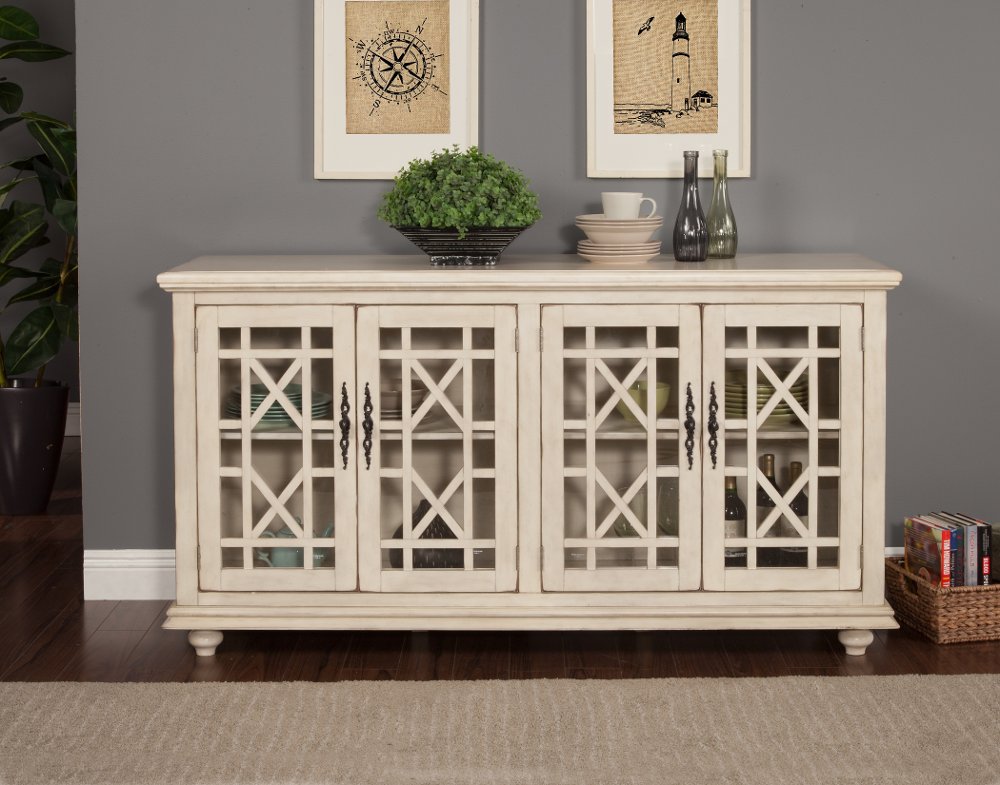
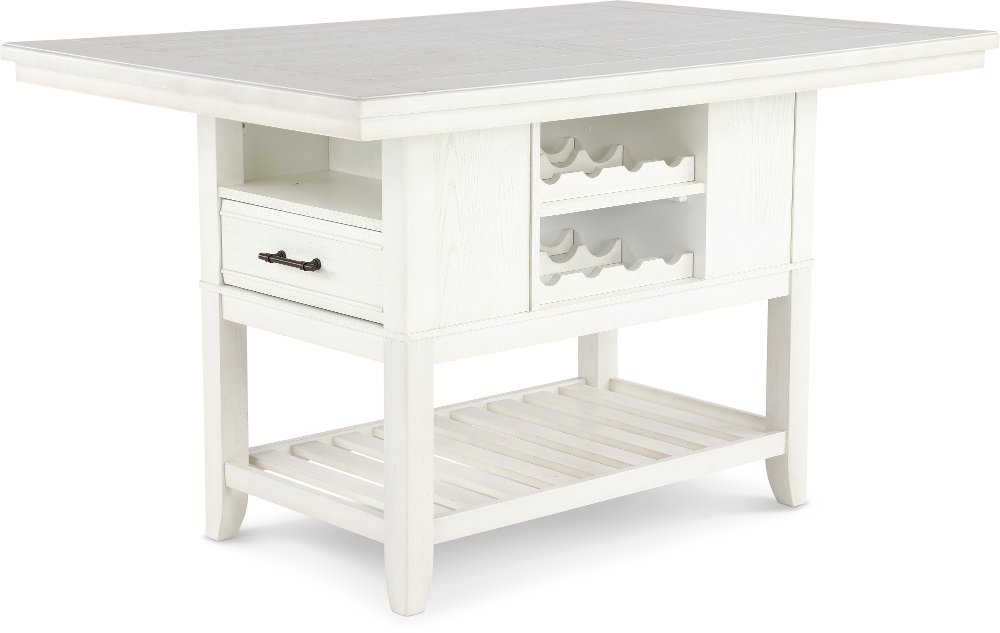
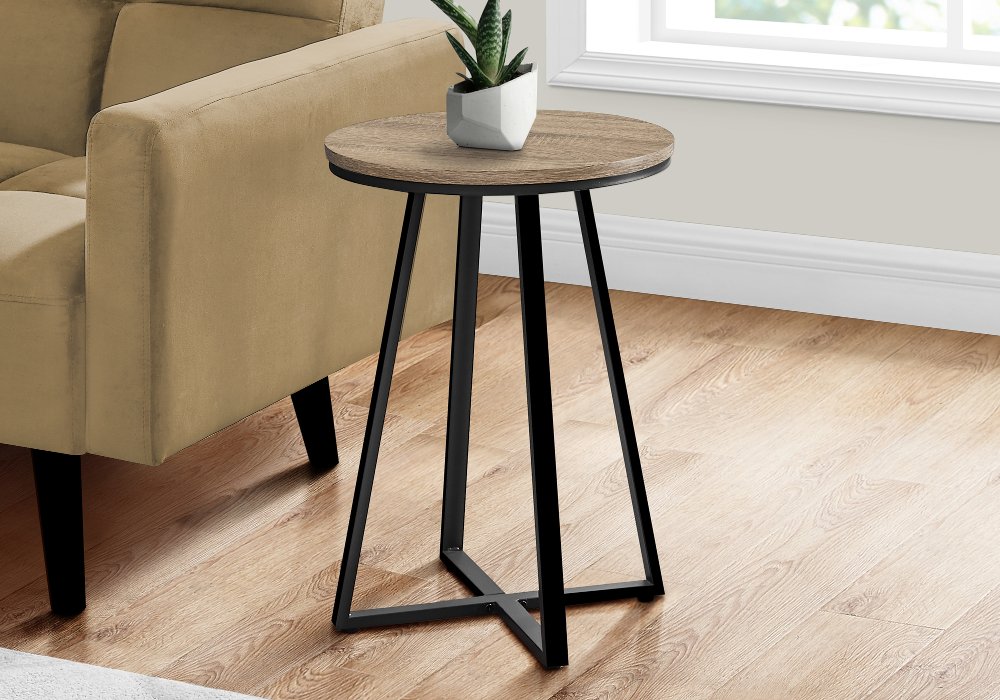
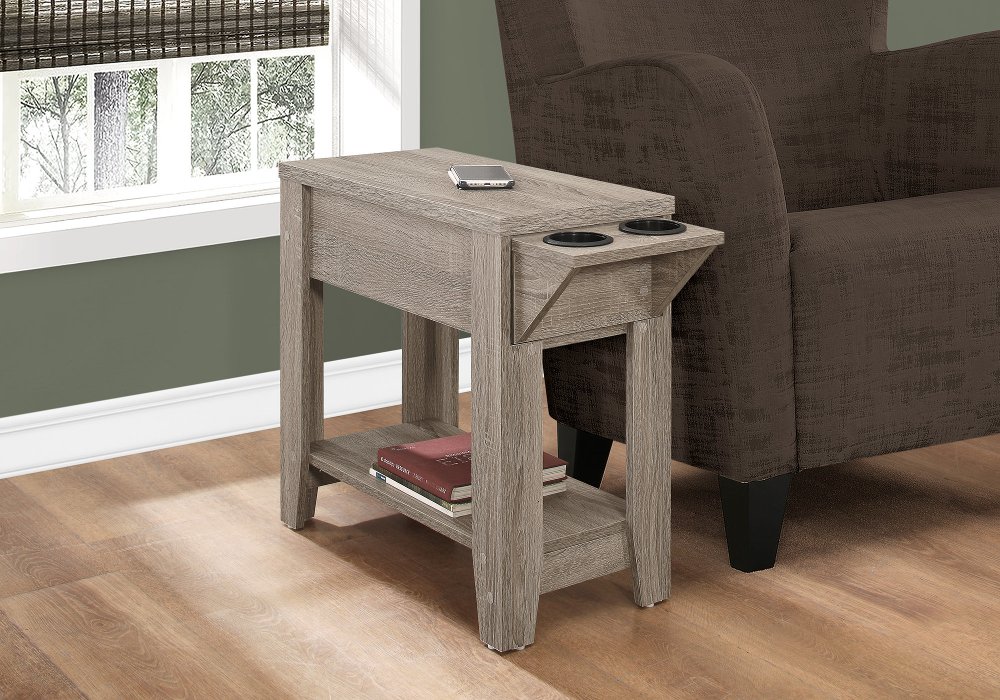
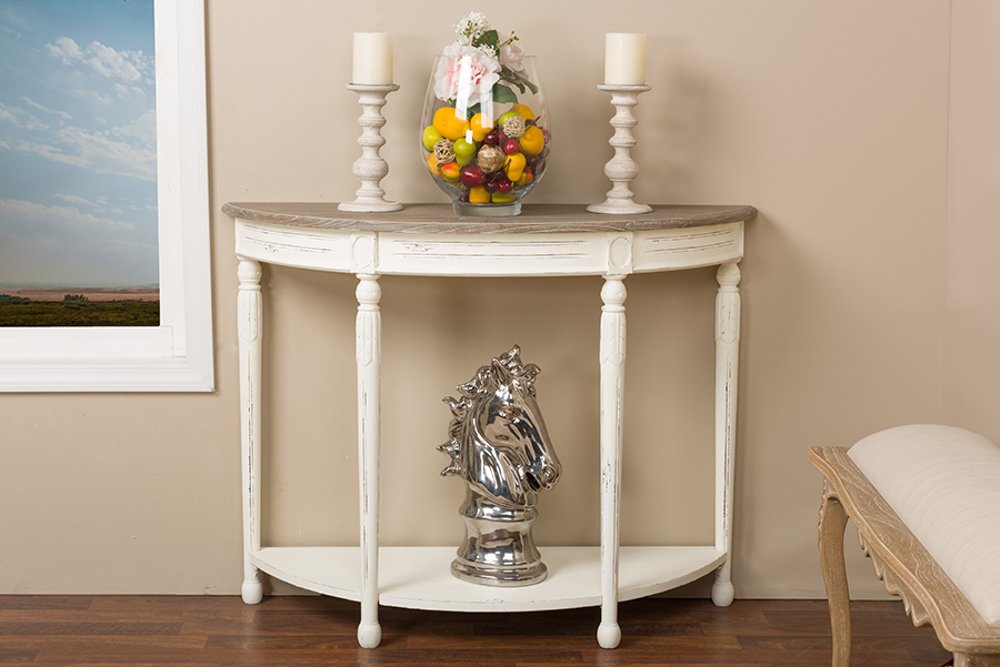
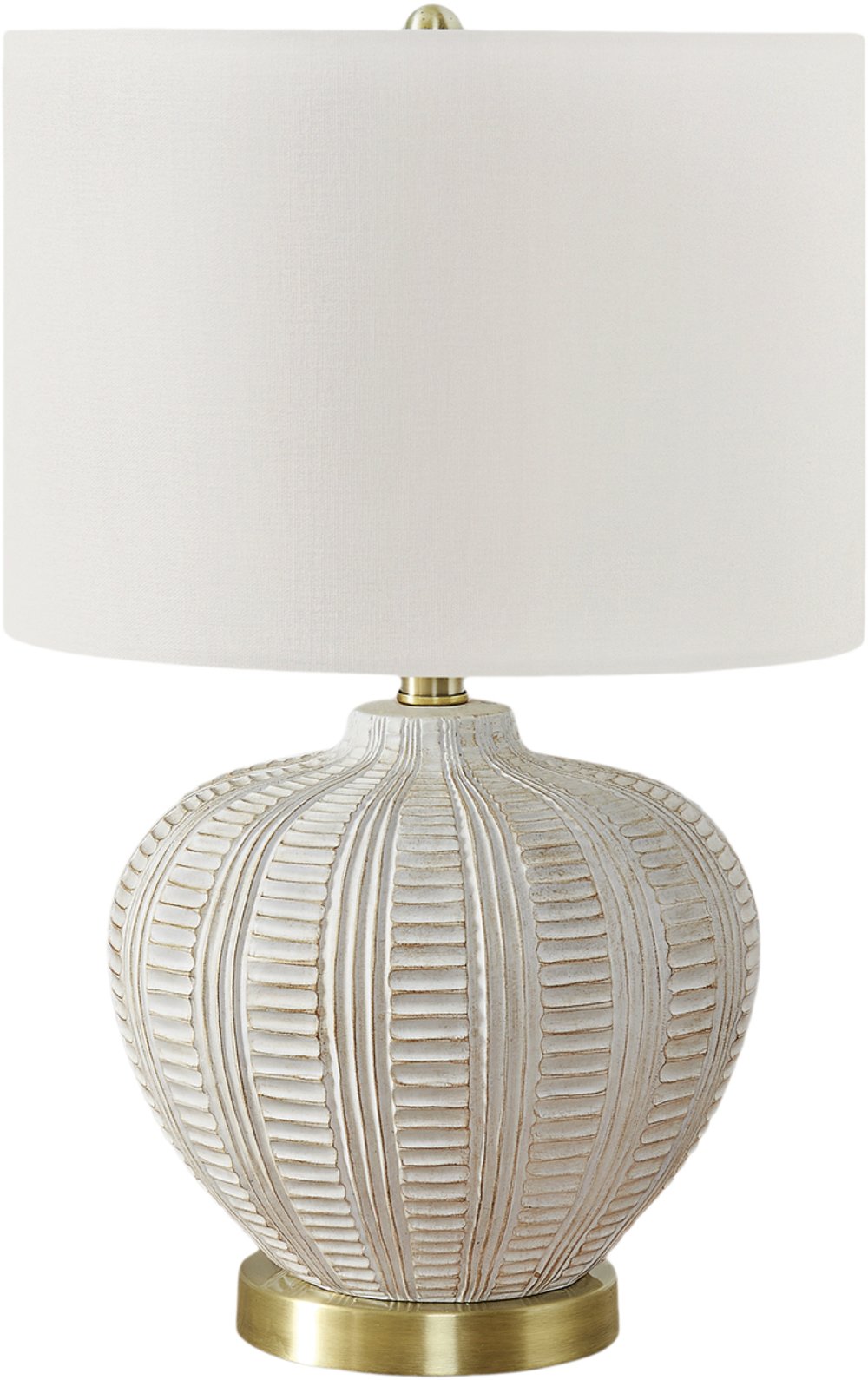
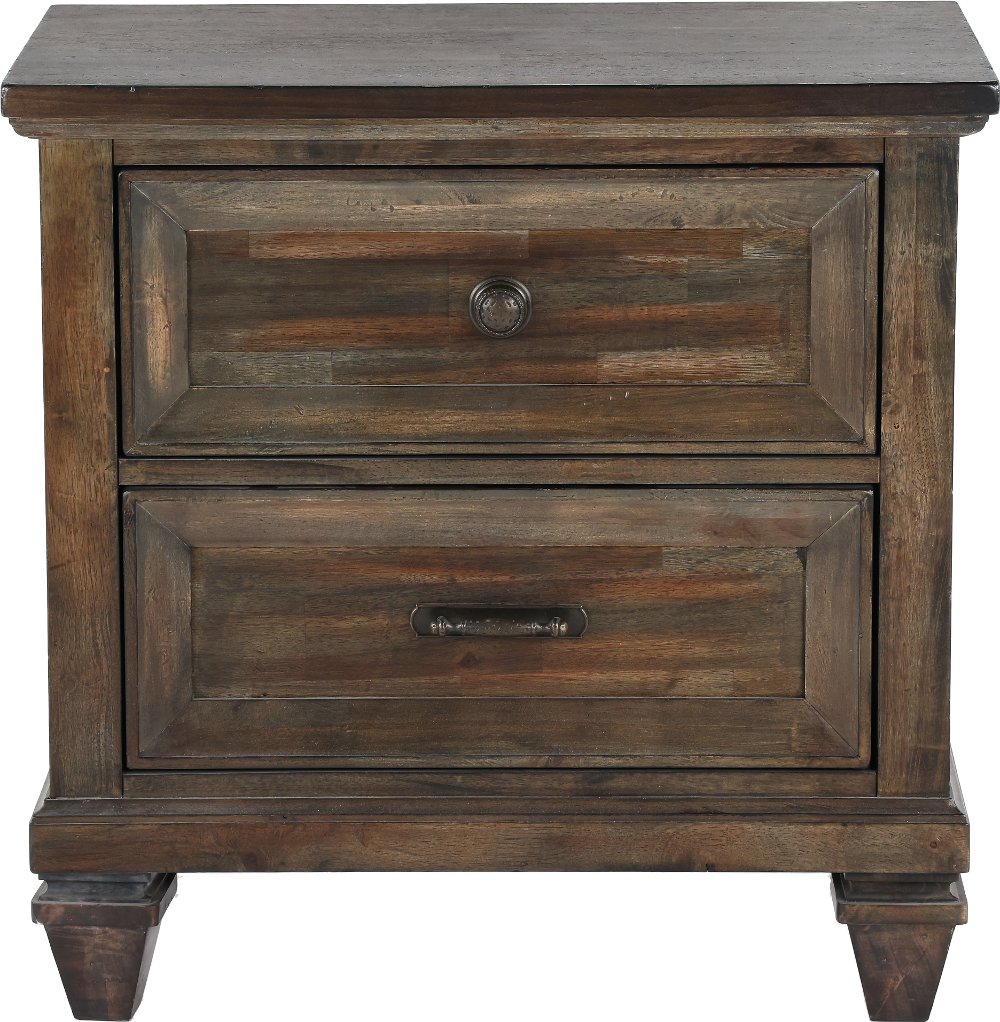
Cream tables are furniture pieces with a soft, warm off-white color that brings a lighter look to dining rooms, living rooms, bedrooms, and entryways. Unlike a crisp white finish, cream often has a subtle yellow, beige, or ivory undertone, giving it a gentler presence beside wood floors, woven rugs, and upholstered seating. That warmth makes a cream table easy to work into a room that already feels lived in, whether it sits beside a well-loved leather sofa or beneath a pendant light over the dining area. The color is versatile, but the table’s shape, finish, and base do much of the work of defining its style. Turned legs and softly distressed edges can suit cottage-inspired spaces, while straight lines and a smooth finish feel more streamlined. A sculptural pedestal adds visual interest without relying on a bold color, and a cream base paired with a natural wood top creates contrast while keeping the overall palette relaxed. Cream coffee tables offer a useful central surface for a tray, reading material, or a board game, while dining tables give everyday meals and longer conversations a comfortable place to land. Console tables bring the same warm neutral tone to an entry or the space behind a sofa, with room for a lamp, a catchall dish, or a few framed photos. For a smaller surface beside your favorite seat, cream end tables can keep a drink and reading glasses close without visually weighing down the room. Cream also works well alongside colors with more depth: navy upholstery, olive accents, charcoal textiles, and medium brown wood all create a distinct contrast. In a mostly neutral room, variations in texture help the table feel intentional rather than lost among similar shades. A nubby rug, a smooth ceramic lamp, and a visible wood grain each give the eye something different to notice. The result can feel coordinated without requiring every piece of furniture to match.
Materials and construction influence how a cream table looks, feels, and stands up to daily use. A cream finish may cover solid wood, wood veneer over a supporting core, engineered wood, or metal, and each construction has different care needs. Solid wood can offer lasting strength, though it naturally responds to changes in indoor humidity and may develop small surface marks with use. Wood veneer provides a real wood surface over a core material; its durability depends on the complete construction and protective finish, not simply the presence of veneer. Painted engineered wood can create a smooth, consistent appearance, while a powder-coated metal frame can give a table a slimmer profile. Cream-colored stone or stone-look tops add another dimension, with patterns that may range from nearly uniform to visibly veined. Natural stone can be porous and may need sealing according to its care instructions, so its appearance is only part of the decision. For a table that hosts family meals, homework, and craft projects, a finish suited to frequent wiping matters more than decorative detail alone. A smooth top is generally easier to clear of crumbs than a deeply grooved or heavily textured surface. Rounded corners can soften the look of a tight seating area, although they don’t replace the need for clear walking space. Secure joints, a stable base, and hardware that stays properly tightened all contribute to dependable everyday use. Drawers are helpful for remotes, pencils, and small essentials, while open shelves can hold baskets or books without taking up more floor space. Those storage features also change how a table fits the room: a low shelf can provide welcome organization beside a sofa but may limit legroom on a table used for sitting. For shared living spaces, the most useful cream table is often the one whose construction and details support the activities that actually happen there, from setting down a laptop to spreading out a puzzle.
The right proportions help a cream table feel comfortable rather than simply look attractive in a photo. A coffee table generally works well when its top is close to the height of the sofa cushions, with about 14 to 18 inches between the table and seating for reach and legroom. Larger walking routes need more space. An end table near the height of the sofa arm makes it easier to set down a mug without leaning far forward or reaching up. For dining areas, about 36 inches between the table edge and a wall or nearby furniture allows space to pull out chairs, with more room helpful where people regularly pass behind seated guests. A pedestal base may give chairs greater flexibility, but the footprint of the base still affects where feet can rest. An apron beneath the tabletop can also limit clearance for chair arms or taller diners. Round tables can work comfortably in compact dining areas, while rectangular tables often suit longer rooms and accommodate seating along both sides. In an entry, a shallow console leaves more of the walkway open while still providing a practical landing spot for keys and mail. Beyond measurements, the exact cream tone deserves attention because lighting and nearby finishes affect how it appears. Against bright white trim, cream may look distinctly warmer; beside golden oak, its undertones may seem more subtle. Finish samples, when provided, are useful for comparing colors in the room itself. Daily care helps preserve that chosen finish: a soft cloth, prompt spill cleanup, and coasters or placemats reduce unnecessary wear. Use cleaners recommended for the material, avoid abrasive scrubbers, and protect surfaces from hot dishes and standing moisture. Felt pads beneath decorative objects can help prevent scratches when accessories move. For a first apartment, a shared family room, or a thoughtfully planned guest bedroom, a cream table offers a useful balance of warmth and flexibility. Its understated color leaves room for personal touches, while the right size, sturdy construction, and manageable care needs make it a piece that earns its place every day.
Read More