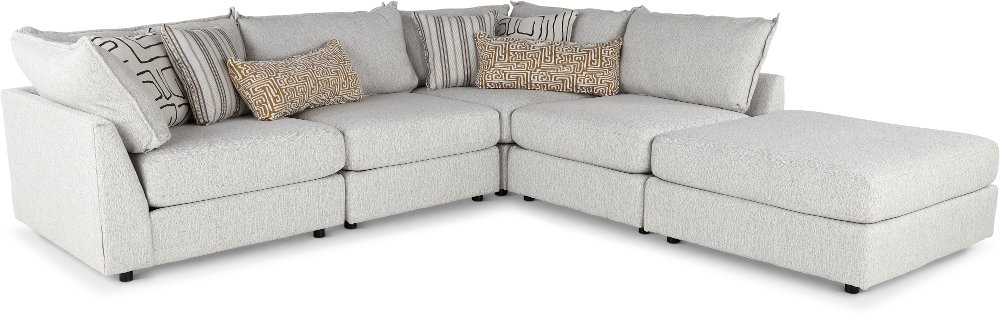
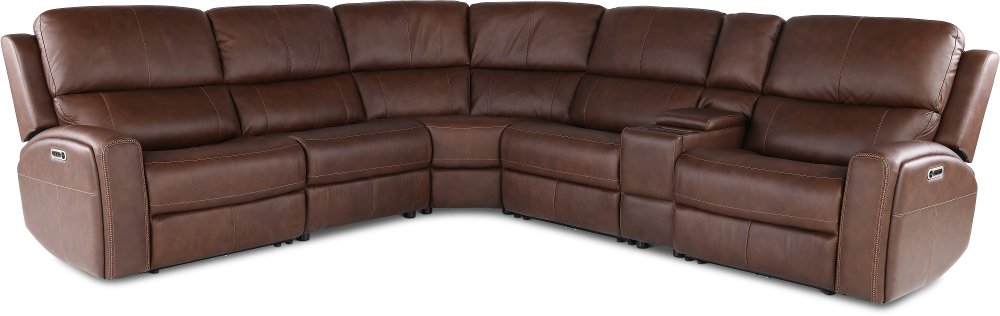
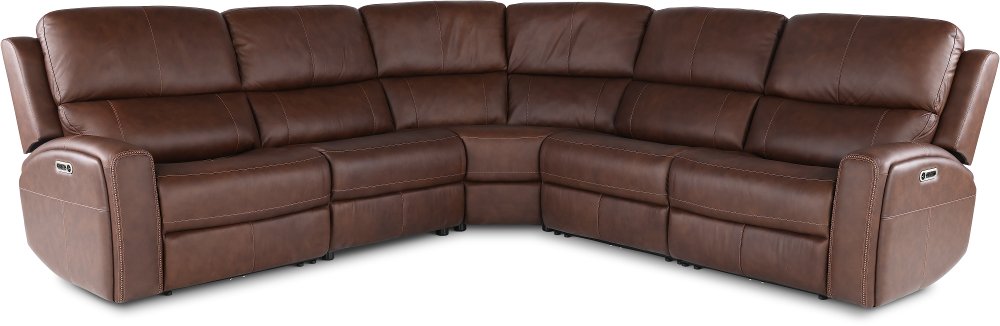
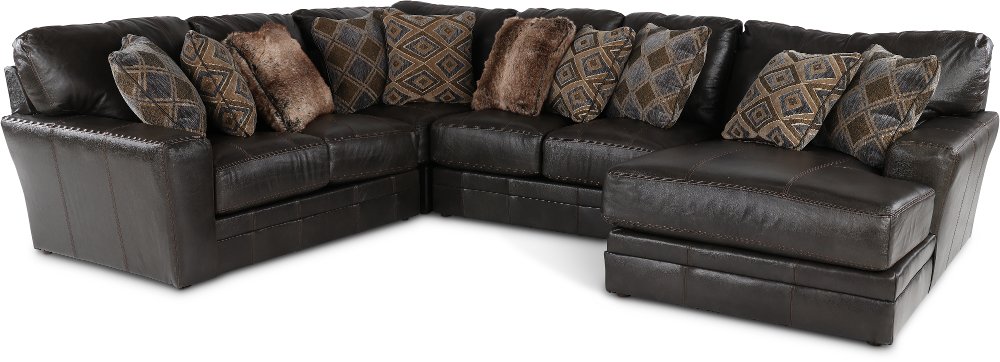
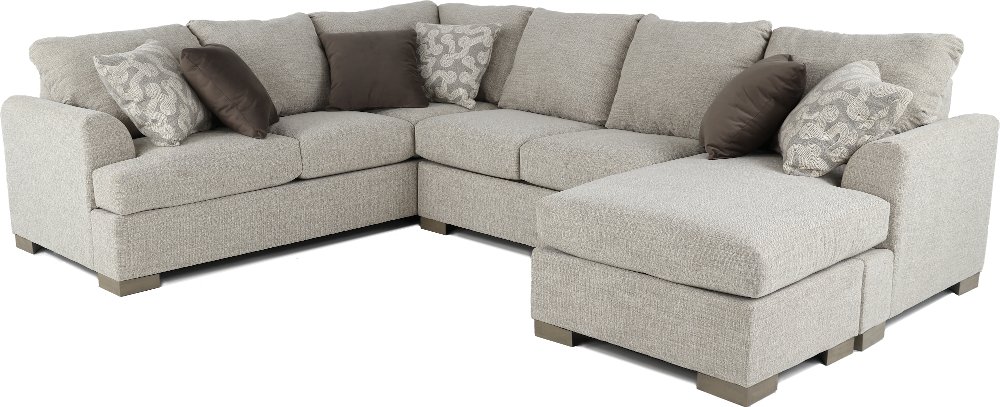
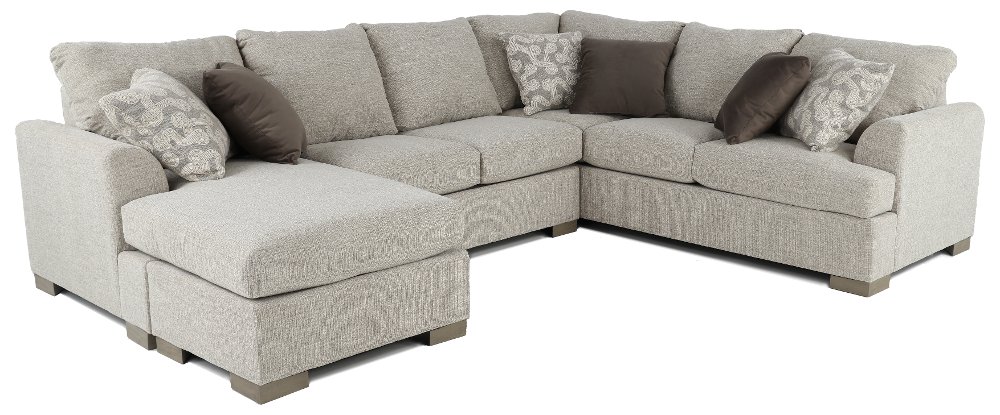
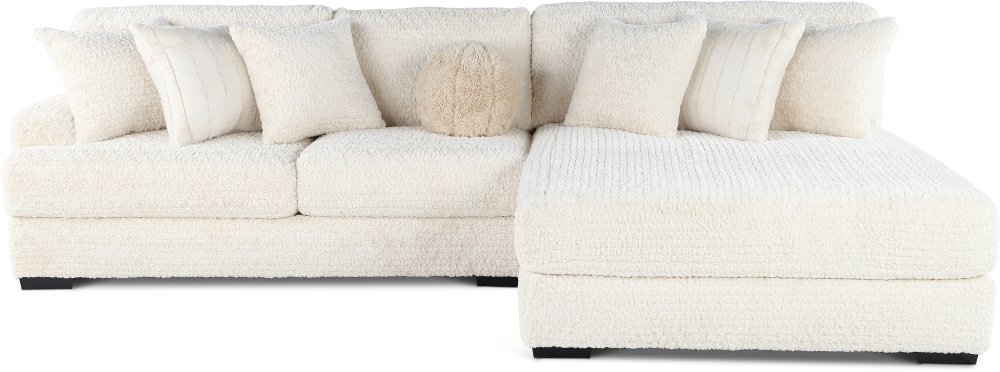
Customizable sectionals bring together seating layouts, upholstery choices, and comfort details to help your living room feel like it was made for the way you spend time there. Depending on the design, customization can mean selecting fabric and color, choosing a left- or right-facing chaise, or combining compatible seating pieces into a configuration that fits your space. An L-shaped sectional creates a natural place to stretch out while keeping one side of the room open, and a U-shaped arrangement brings people closer for conversation or a shared movie night. A chaise gives you room to put your feet up without adding a separate ottoman, while an extended row of seats can suit a long, narrow room. Customizable and modular aren’t always interchangeable: some sectionals let you choose finishes and a layout before delivery, while modular designs use individual components that can be arranged in multiple supported configurations. For seating built around that flexibility, Living Room Modular Sectionals offer a related way to shape a room around compatible pieces. The right arrangement starts with more than the length of an empty wall. Consider the path from the doorway to the kitchen, the space needed to open nearby cabinets, and where a coffee table will sit. Painter’s tape on the floor can make a sectional’s footprint easier to picture, especially when a chaise extends into the room. Measure doorways, hallways, stair turns, and elevator openings as well as the final seating area; individual section dimensions matter when furniture has to travel through a tight entry. Pay attention to how a manufacturer defines left-facing and right-facing orientations, since the view used to describe a chaise may differ from the way you picture it while seated. A well-proportioned sectional leaves comfortable walking routes and supports the room’s everyday activity, whether that means two people reading at opposite ends or a family gathering with blankets during the cooler months. In an open floor plan, its back can also define the living area without closing it off.
Upholstery gives a customizable sectional much of its personality, but how the material feels and handles daily use matters just as much as its color. A softly textured woven fabric can make a relaxed family room feel inviting, while velvet adds dimension as its pile catches the light. Chenille often has a plush hand, though its texture and care needs depend on the fiber blend and construction. Leather offers a different feel and can develop character with use; protective finishes, softness, and maintenance requirements vary by leather type. Performance fabric is a broad category rather than a promise that every spill or scratch will disappear. Look for clear information about stain resistance, cleaning methods, and wear testing instead of assuming that all performance upholstery behaves the same way. In a household with children, frequent guests, or pets, a tightly constructed fabric and a pattern that softens the appearance of everyday marks may be practical considerations. No upholstery is claw-proof, and loose loops or pronounced textures can be more vulnerable to snagging. A fabric sample viewed beside your flooring and curtains helps reveal undertones that may be hard to judge on a screen. Check it in daylight and under evening lamps, since a warm gray can look quite different next to golden wood or cool white walls. Cushion construction also shapes the experience. Supportive foam tends to give a more structured sit, while fiber or feather blends can create a softer feel that may need regular fluffing. Seat depth, seat height, back angle, and arm shape all affect comfort. A deeper seat may suit someone who likes to curl up, while a shallower seat can make it easier to sit upright with feet supported. For a household with different preferences, compare those measurements rather than relying on labels such as oversized or plush. The most comfortable sectional is one that supports the people who use it, not simply the one with the largest cushions.
Durability comes from the whole sectional working together: the frame, suspension, cushions, upholstery, and connections between sections each play a part. Frame construction and reinforced joints help seating hold its shape, while the suspension beneath the cushions contributes to consistent support. On a modular sectional, compatible connectors help keep neighboring pieces aligned during normal use. Rearranging those pieces should follow the manufacturer’s directions; dragging connected sections can strain hardware and damage flooring. Customization may also extend to reclining seats, storage compartments, console sections, or coordinated ottomans, depending on the design. Each feature changes how the sectional functions and how much room it needs. A recliner requires operating clearance, a storage lid needs space to open, and powered seating needs a suitable outlet with cords routed away from walking paths. An ottoman can serve as a footrest or, with a stable tray, a surface for a book and a drink. For a household that entertains often, usable seat width and easy access to each seat can matter more than a dramatic silhouette. In a smaller home, a compact sectional with the right chaise orientation may provide a comfortable lounging spot without filling every corner. Long-term care helps preserve both comfort and appearance. Vacuum upholstery with an appropriate attachment, address spills promptly by blotting rather than rubbing, and follow the furniture’s cleaning code before applying any cleaner. Removable cushion covers aren’t necessarily machine washable, so check the care instructions before unzipping them for cleaning. Rotate or flip cushions only when their construction allows it, and fluff softer fills as directed to redistribute material. Protect fabric and leather from prolonged direct sunlight and keep seating clear of heat sources that can dry or discolor surfaces. If future layout changes are part of your plan, confirm which configurations a modular system supports and keep its component information for reference; pieces from different collections generally aren’t interchangeable. Thoughtful choices in scale, upholstery, support, and everyday features give a customizable sectional a clear purpose: a comfortable place for conversation, quiet evenings, and the routines that make your living room feel like home.
Read More