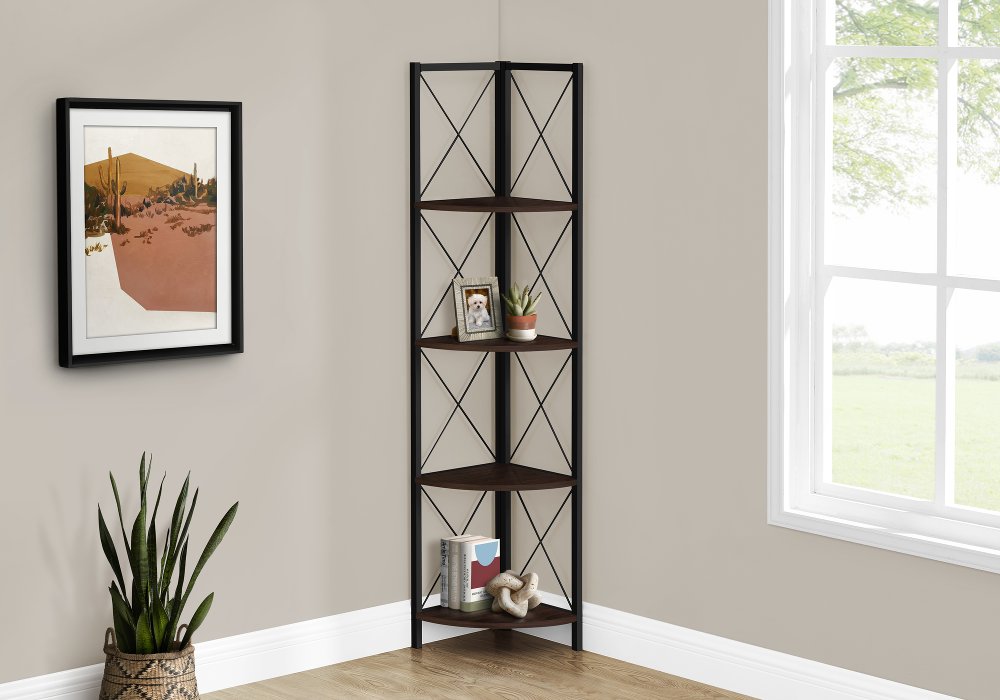
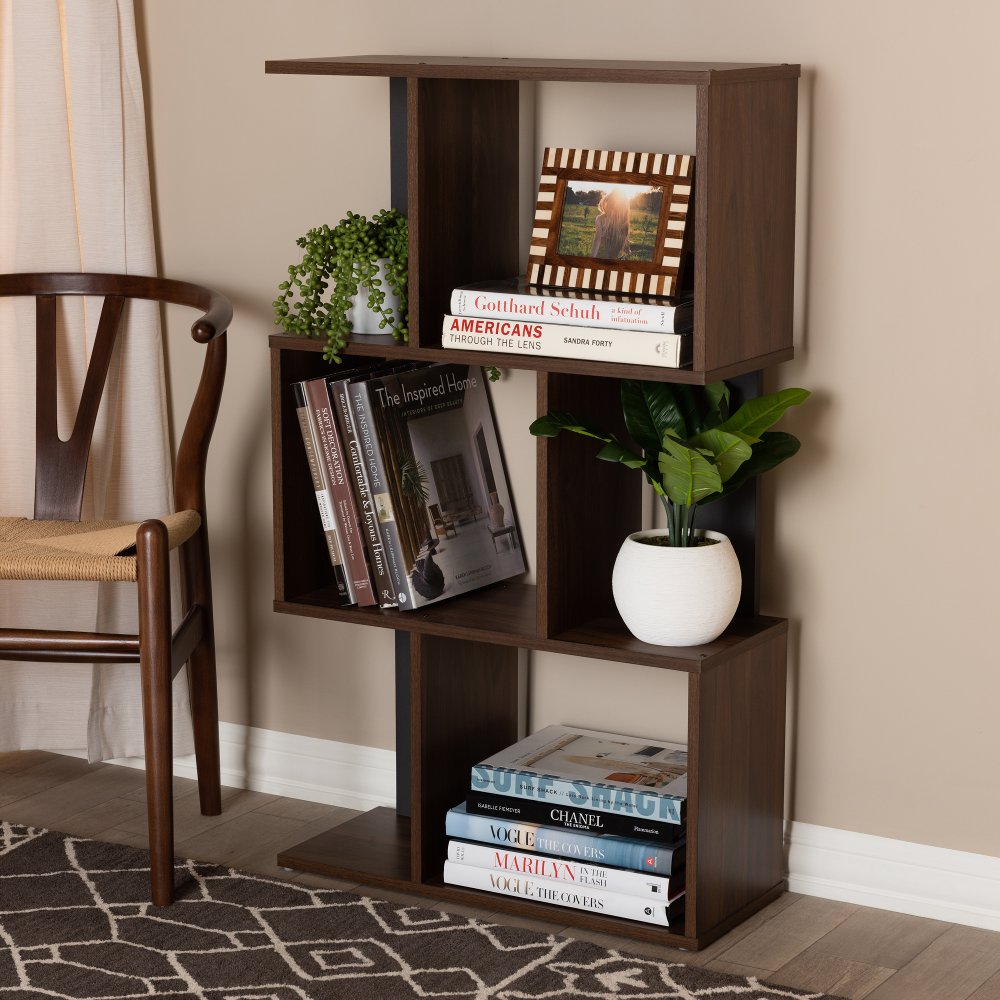
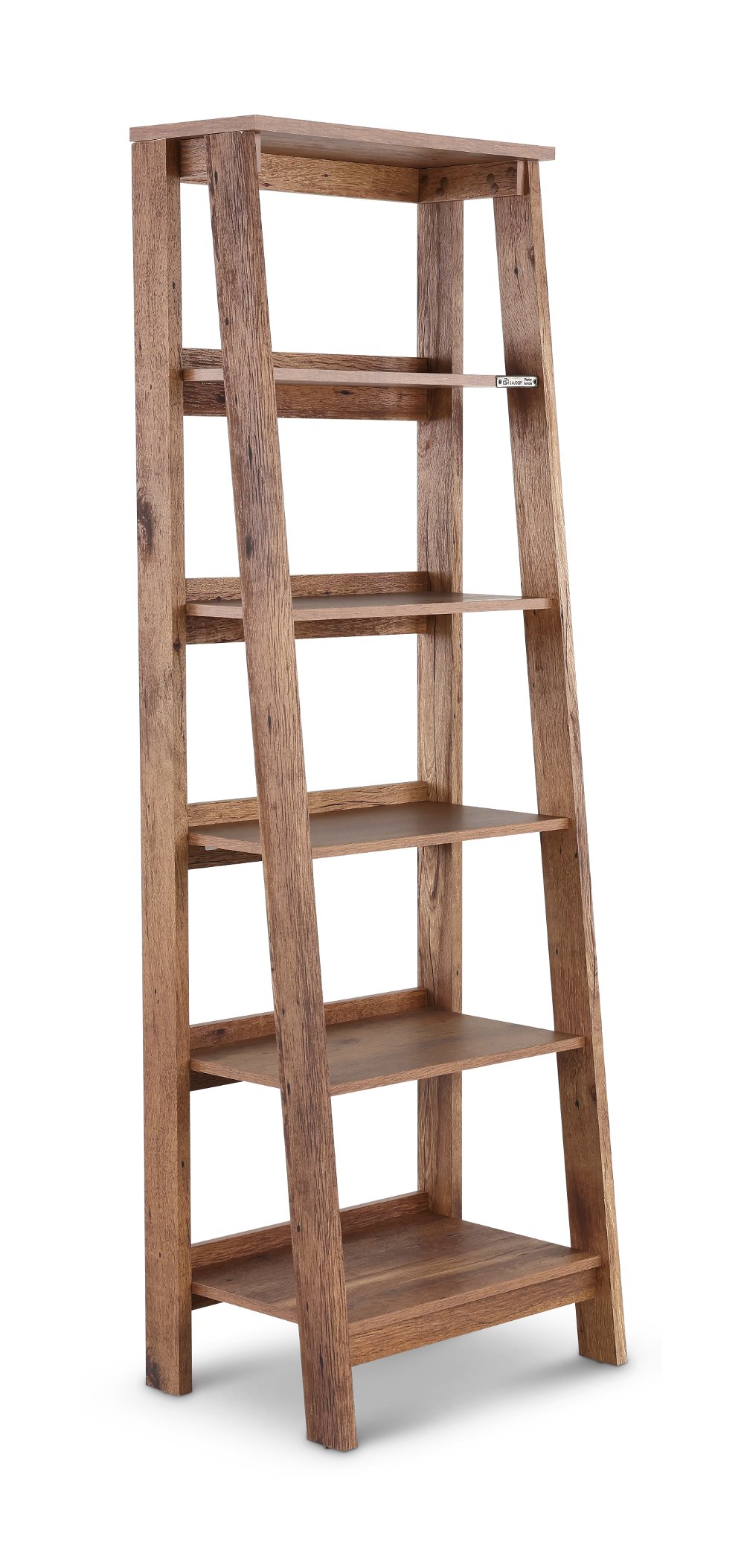
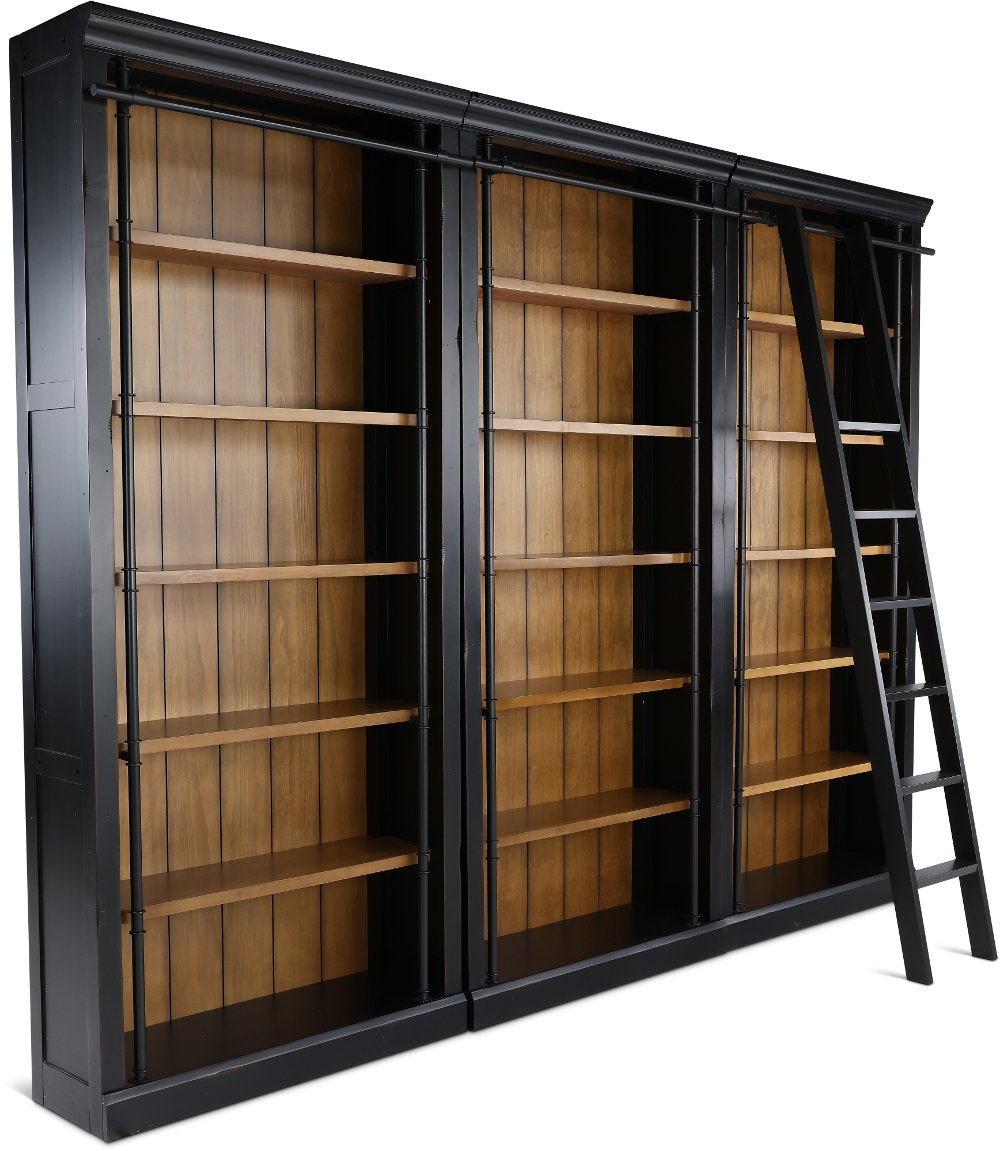
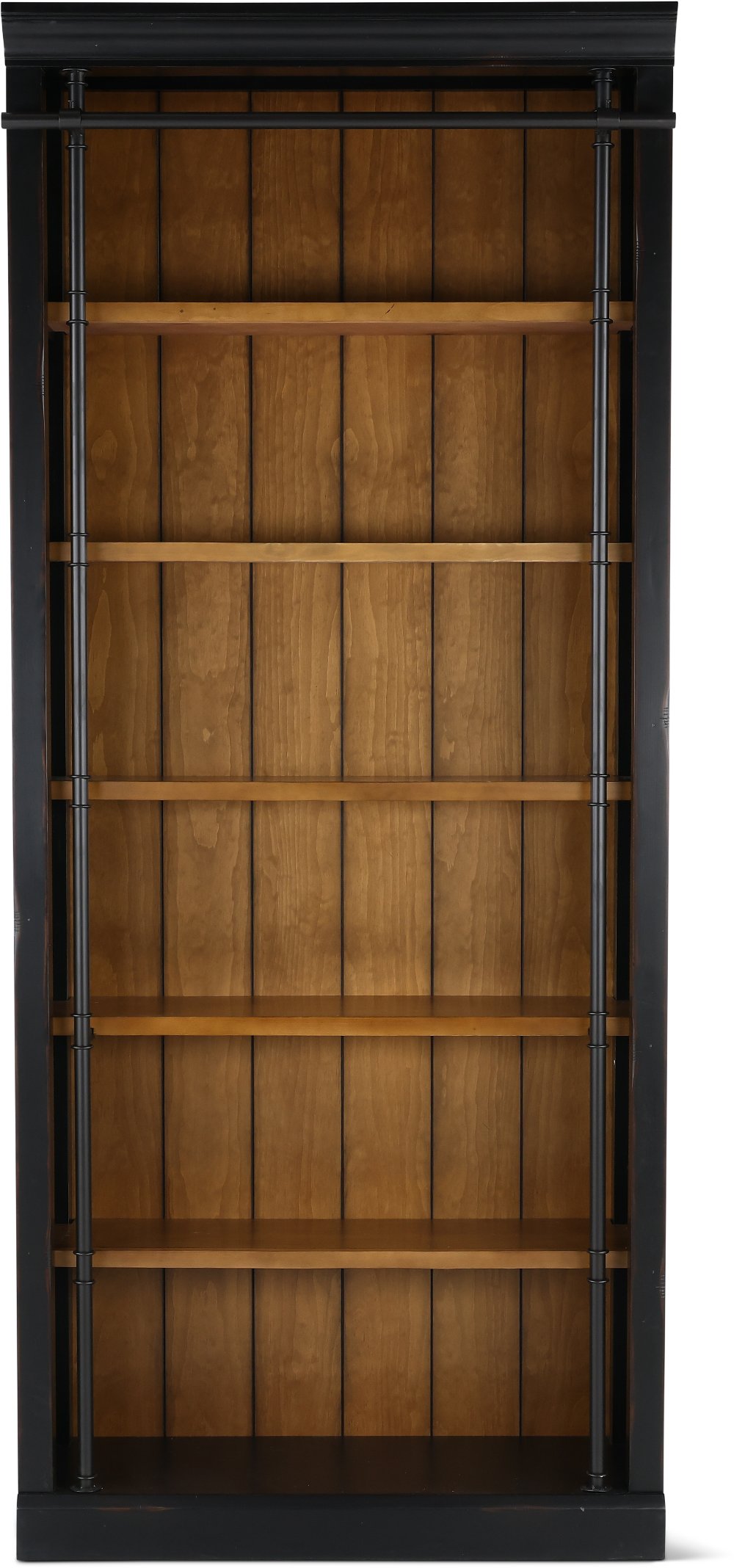
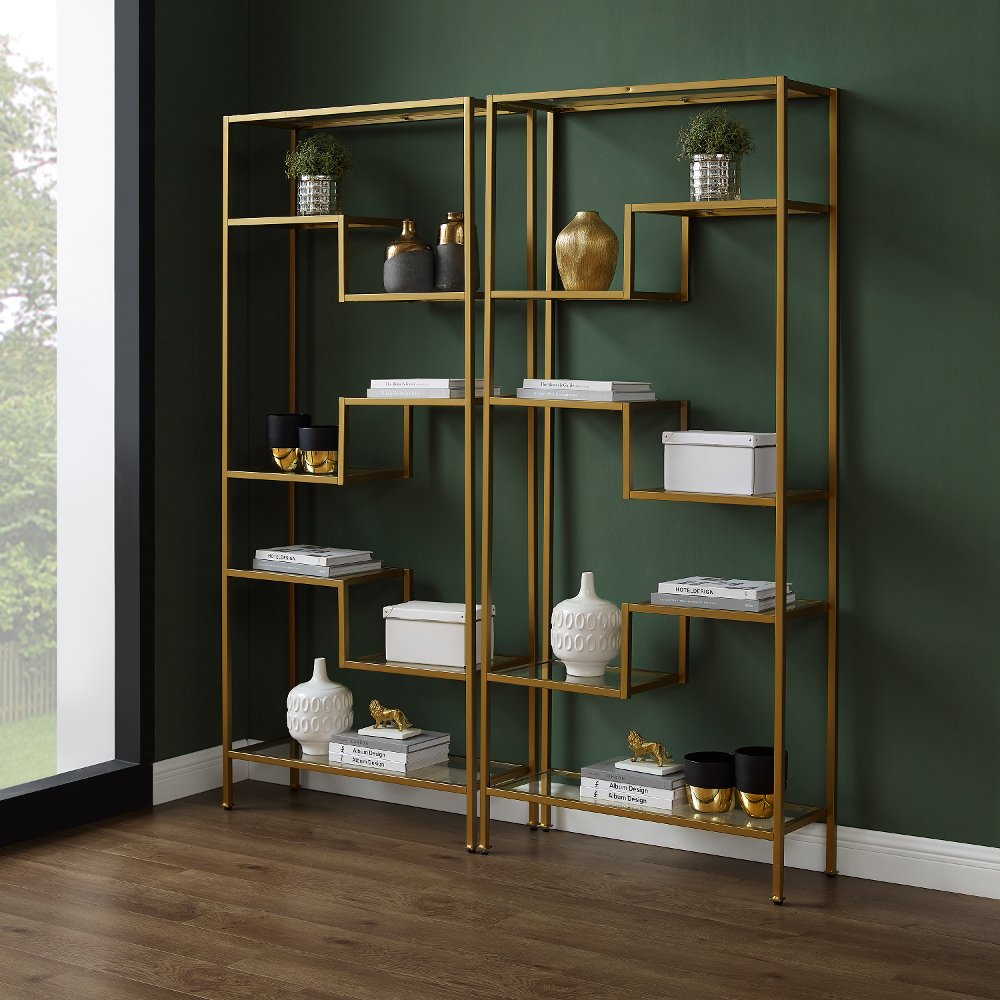
Dark brown bookcases give books, keepsakes, and everyday essentials a home that feels as considered as the rest of your room. Their rich color can bring definition to a pale wall, echo the warmth of a wood desk, or help a reading corner feel connected to nearby furniture. Depending on the finish, dark brown can lean toward a reddish walnut tone, a deep chocolate shade, or an espresso color that looks almost black in low light. Those differences matter when you’re coordinating a bookcase with existing pieces. A close match can create a cohesive look, but an exact match isn’t necessary; similar undertones often do more to bring a room together than identical colors. Against cream upholstery or a light rug, a dark brown bookshelf creates a distinct outline without requiring much decoration. Alongside leather seating, woven baskets, or brass accents, it adds depth while leaving room for different textures. The shape of the bookcase also influences its character. Straight sides and simple shelves suit streamlined rooms, while substantial bases, framed sides, and decorative molding feel more traditional. Open-backed designs let the wall show through and can feel visually lighter, while a solid back provides a consistent backdrop for colorful book spines and framed photographs. If you’re comparing brown finishes with other deep shades, exploring dark bookcases can help you decide which color direction works best with your space. Think about what will live on the shelves, too. A full collection of paperbacks creates a different impression from a few large art books arranged beside ceramics. Dark brown provides a grounding backdrop for either approach, whether the bookcase stands in a home office, anchors a living room wall, or keeps favorite bedtime stories close to a reading chair.
A bookcase fits your home best when its proportions support both the room and the things you need to store. Height and width are a useful starting point, but shelf depth and clear space between shelves are just as important. Standard novels need less room than oversized photography books, three-ring binders, or record sleeves. Measure your tallest and deepest belongings rather than relying on the overall dimensions of the furniture, since the frame, back panel, and shelf thickness reduce usable space. Adjustable shelves give you more flexibility as your collection changes, while fixed shelves establish consistent sections for books and display pieces. A tall, narrow dark brown bookcase can make good use of a small stretch of wall beside a desk, provided it doesn’t interfere with a doorway, light switch, or outlet. A wider, lower design may suit a room where you want storage beneath wall art or within easier reach of a seated workspace. In shared living areas, leave enough walking space so the bookcase doesn’t turn a comfortable route between furniture into a tight squeeze. Check the delivery path as well, including stair turns and door openings, especially for larger assembled furniture. Materials deserve the same attention as measurements. Solid wood can show natural variation in grain and color, and it may develop small surface marks with everyday use. Wood veneer offers the appearance of real wood over a supporting core, while engineered wood with a laminate or other applied finish can provide a more uniform surface. None of those descriptions alone tells the whole durability story. Shelf span, panel thickness, joinery, backing, and hardware all contribute to how a bookcase holds up. Books are heavy, so follow the stated weight limit for each shelf and distribute weight evenly. A shelf filled with large hardcovers has a different job from one holding a small plant and two picture frames. For furniture with doors or drawers, allow room for them to open fully without bumping nearby seating.
The most useful dark brown bookshelves accommodate real routines, not just a styled display. In a home office, that might mean keeping reference books at arm’s reach, gathering loose supplies in fitted bins, and reserving a shelf for folders that otherwise spread across the desk. In a living room, a combination of books, family photographs, and a few meaningful objects can make storage feel personal without leaving every surface crowded. Closed compartments, when included, can keep chargers, paperwork, and game accessories out of sight; open shelves make frequently used belongings easy to spot. For a student or someone furnishing a first apartment, a thoughtfully sized bookcase can be a practical gift, though dimensions, finish preferences, and assembly needs are worth confirming beforehand. Families can also use accessible lower shelves for children’s books, with heavier belongings placed low to support stability. Placement alone doesn’t prevent tipping: secure the bookcase to the wall according to the manufacturer’s instructions, using hardware appropriate for the wall type, and keep tempting objects away from the top where children might try to climb for them. Everyday care helps preserve the finish that gives a dark brown bookcase its appeal. Dust can be more noticeable against a deep color, so regular wiping with a soft, clean cloth helps keep shelves looking their best. Follow the care instructions for the particular material and finish before applying cleaners or polish, and avoid abrasive pads that could leave scratches. Wipe up spills promptly, use protective pads beneath rough pottery, and place plants in watertight containers with a protective barrier underneath. Prolonged direct sunlight can alter some wood tones, so consider exposure when choosing a location. Leave a little breathing room around display pieces for easier dusting and access to books. With suitable construction, sensible placement, and straightforward care, a dark brown bookcase can remain a useful part of your home as reading habits, collections, and room arrangements change.
Read More