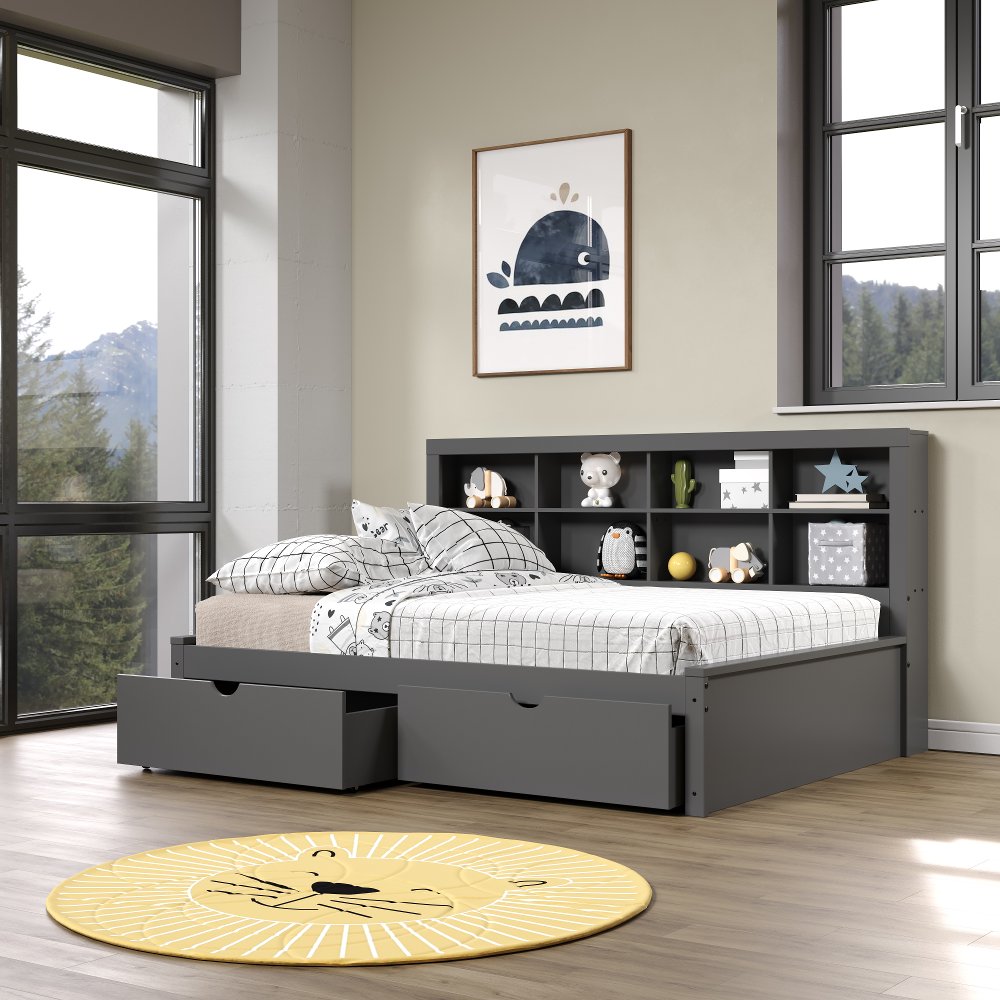
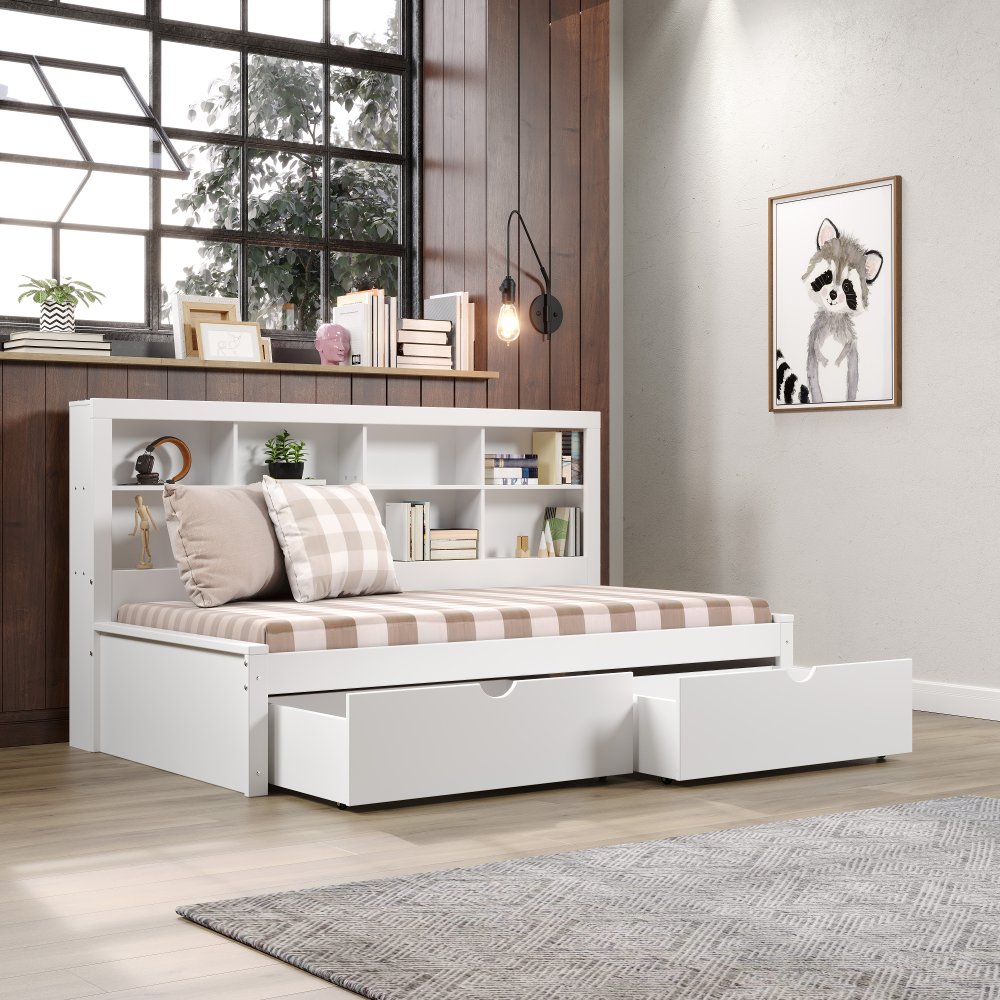
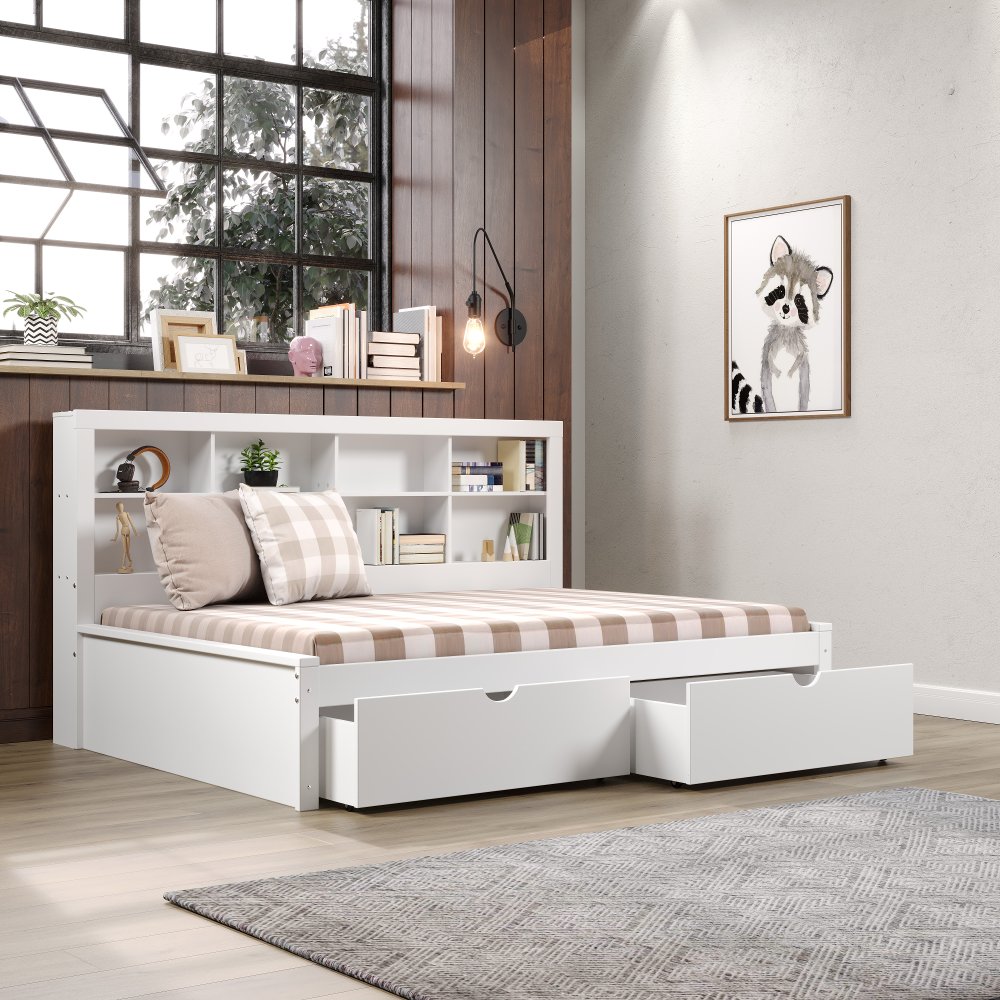
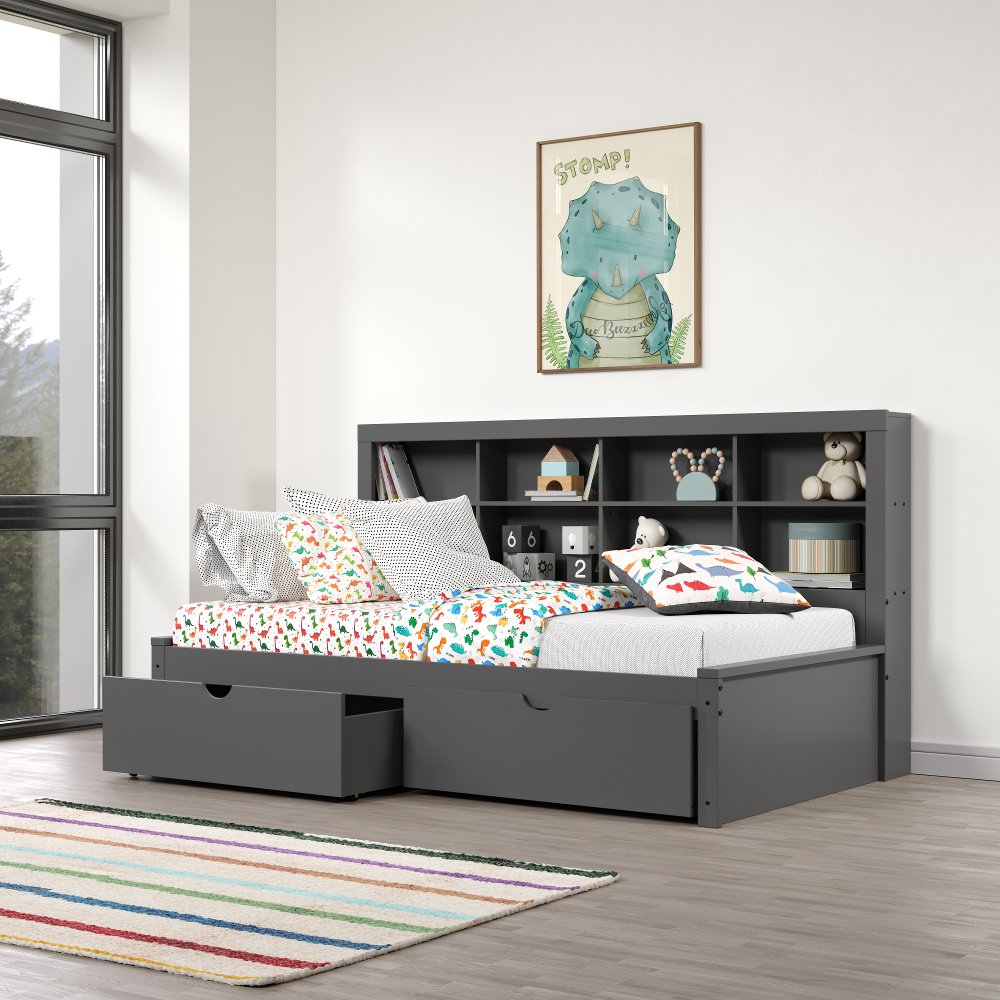
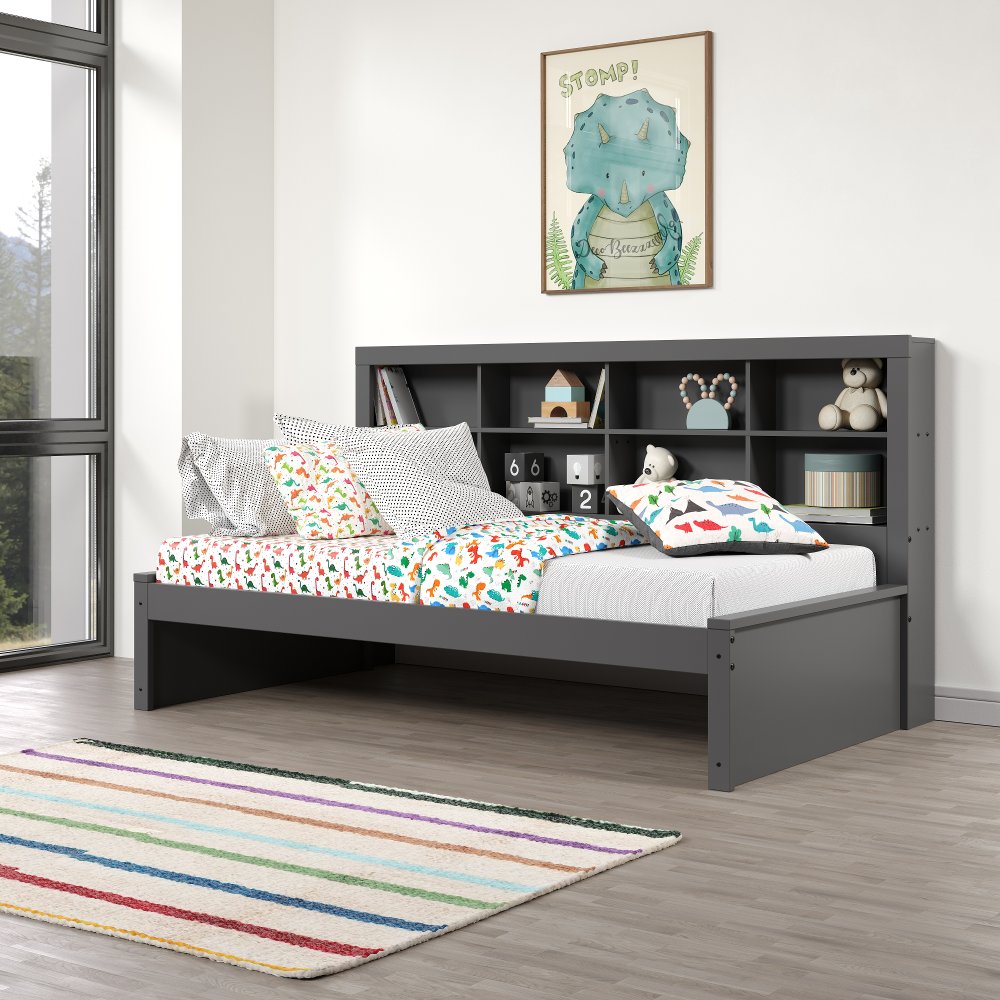
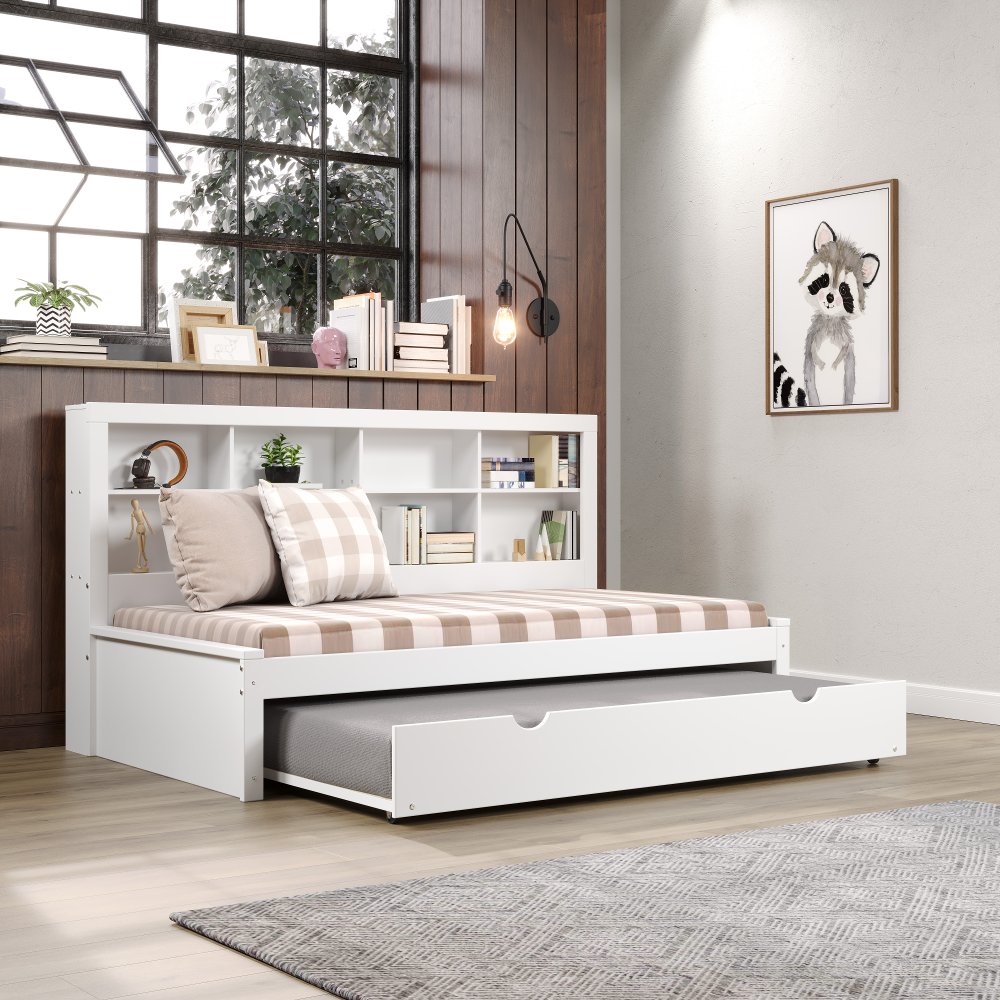
A daybed with storage gives a room a comfortable place to land and a practical place to put the things that tend to collect around it. With a mattress framed by a back and sides, a daybed can serve as a casual seat for reading, a spot to stretch out, or a bed for everyday sleep and overnight guests. Built-in drawers or compartments make use of the space beneath the mattress, keeping extra sheets, folded blankets, and other essentials close without adding another piece of furniture. That combination is especially useful in a guest room that doubles as a home office, a child’s bedroom with limited floor space, or an apartment where every piece needs to earn its place. Instead of squeezing a bed, a lounge chair, and another storage cabinet into one room, a storage daybed brings several functions together in a single footprint. Its shape also gives it a different presence from a traditional bed. Positioned along a wall and layered with supportive pillows, it can feel like an inviting seating area rather than a sleeping space waiting for company. In a child’s room, the drawers can give pajamas, spare bedding, or dress-up clothes a home that’s easy to reach. For a teen, the same piece can support homework breaks, reading, and everyday sleep while keeping some belongings out of sight. In a guest room, a drawer dedicated to clean linens makes changing the bed straightforward, with everything nearby when it’s time to settle in. Storage layouts vary, so the most useful design depends on what needs a home. Wide drawers suit folded bedding, while smaller compartments help separate everyday items. Open cubbies can hold baskets or books, though their contents remain more visible. A daybed with a trundle serves a different purpose: the space underneath accommodates another mattress rather than storage. Some designs combine these functions, but the layout deserves a close look so the furniture supports the way the room will actually be used.
The right fit involves more than finding an open stretch of wall. A daybed’s overall dimensions include its frame, arms, and back, which can extend beyond the mattress on every side. That extra width or depth matters near a closet, beside a desk, or in a room with a narrow walkway. Drawers need enough clearance to open comfortably, plus space for someone to stand or kneel in front of them. A bedside table that fits neatly next to the frame can still interfere with a drawer, and a thick rug may affect underbed drawers that roll directly on the floor. Drawer placement matters, too, especially when only one side of the daybed will be accessible. Measuring the intended location with those movements in mind helps preserve the usefulness of both the bed and its storage. Twin-size daybeds are a familiar choice for one sleeper, while larger formats offer more room to spread out and require a larger footprint. For another way to pair a compact sleeping space with built-in organization, Twin Bed Storage options can help you compare layouts that suit the room. Mattress compatibility is just as important as frame size. The manufacturer’s specifications should identify the required mattress dimensions, supported thickness, weight limits, and whether a foundation is needed. A mattress that sits too high can cover more of the decorative back and arms, changing both the look and the support they provide when sitting. A daybed used every night deserves the same attention to mattress comfort as any other primary bed, including support suited to the sleeper’s preferences. For daytime lounging, firm back cushions help bridge the depth of the mattress, making an upright seat more comfortable. Washable pillow covers and bedding that’s easy to straighten can keep the transition between sleeping and sitting simple. In a shared office and guest room, a streamlined coverlet and a few substantial pillows create a tidy backdrop without turning each overnight visit into a major furniture rearrangement.
Materials and construction influence how a storage daybed looks, feels, and holds up to daily routines. Wood frames bring warmth and can range from clean, understated profiles to more detailed designs with paneled backs or shaped arms. Solid wood has natural variation in grain and color, while engineered wood components can provide smooth surfaces and consistent finishes; durability depends on the quality of the materials, construction, and finish rather than the material name alone. Metal frames can create a lighter visual outline, which may suit a smaller room, while upholstered daybeds add a soft, finished appearance that works well in spaces used for lounging. Upholstery brings its own considerations, particularly in homes with pets, children, or frequent guests. Fabric texture, cleaning instructions, and any stated performance features are worth comparing against everyday habits. A tightly woven surface may be easier to maintain than a highly textured one, but the care label remains the best source for cleaning guidance. For wood and metal surfaces, routine dusting with a soft cloth and prompt attention to spills help protect the finish; harsh cleaners and excess moisture can cause damage. Drawers benefit from sensible loading, with heavier contents distributed according to the manufacturer’s limits rather than packed into one corner. Smooth drawer movement, secure hardware, sturdy mattress supports, and well-fitted connections all contribute to a piece that feels dependable in use. Periodic checks for loose fasteners can help keep an assembled frame steady. For children’s spaces, handles that are comfortable to grasp and drawers that move predictably make everyday tidying easier, while age suitability and safety instructions should always guide use. The finishing details can be simple: a nearby lamp, a small surface for a glass of water, and bedding that coordinates with the rest of the room. With storage matched to your belongings and a frame suited to the space, a daybed can make a bedroom or multipurpose room feel more comfortable, organized, and ready for daily life.
Read More