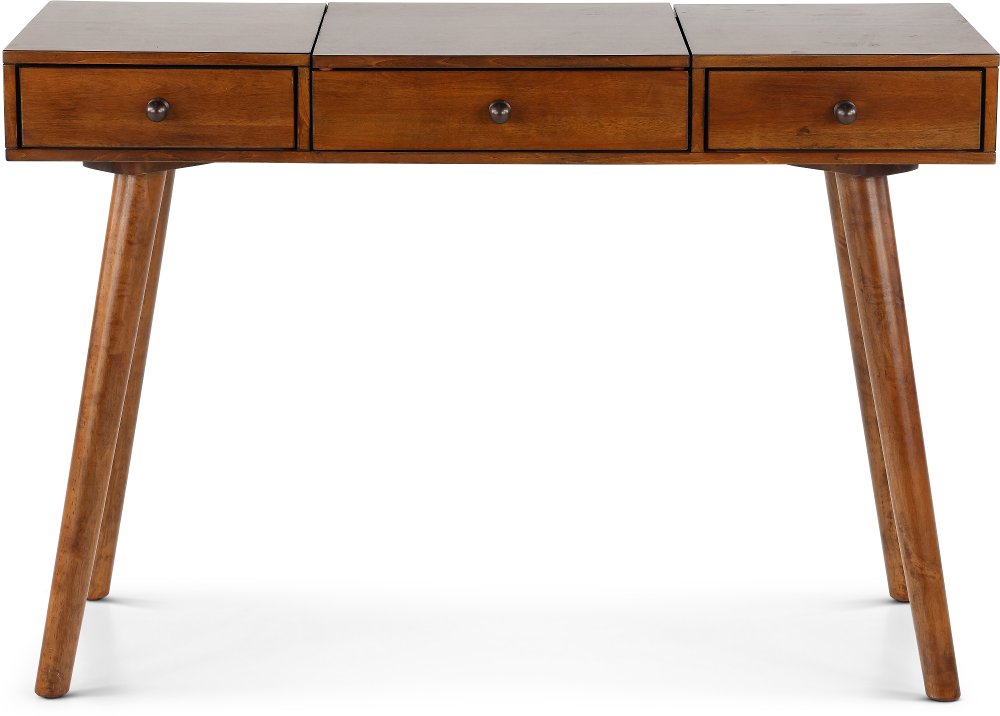
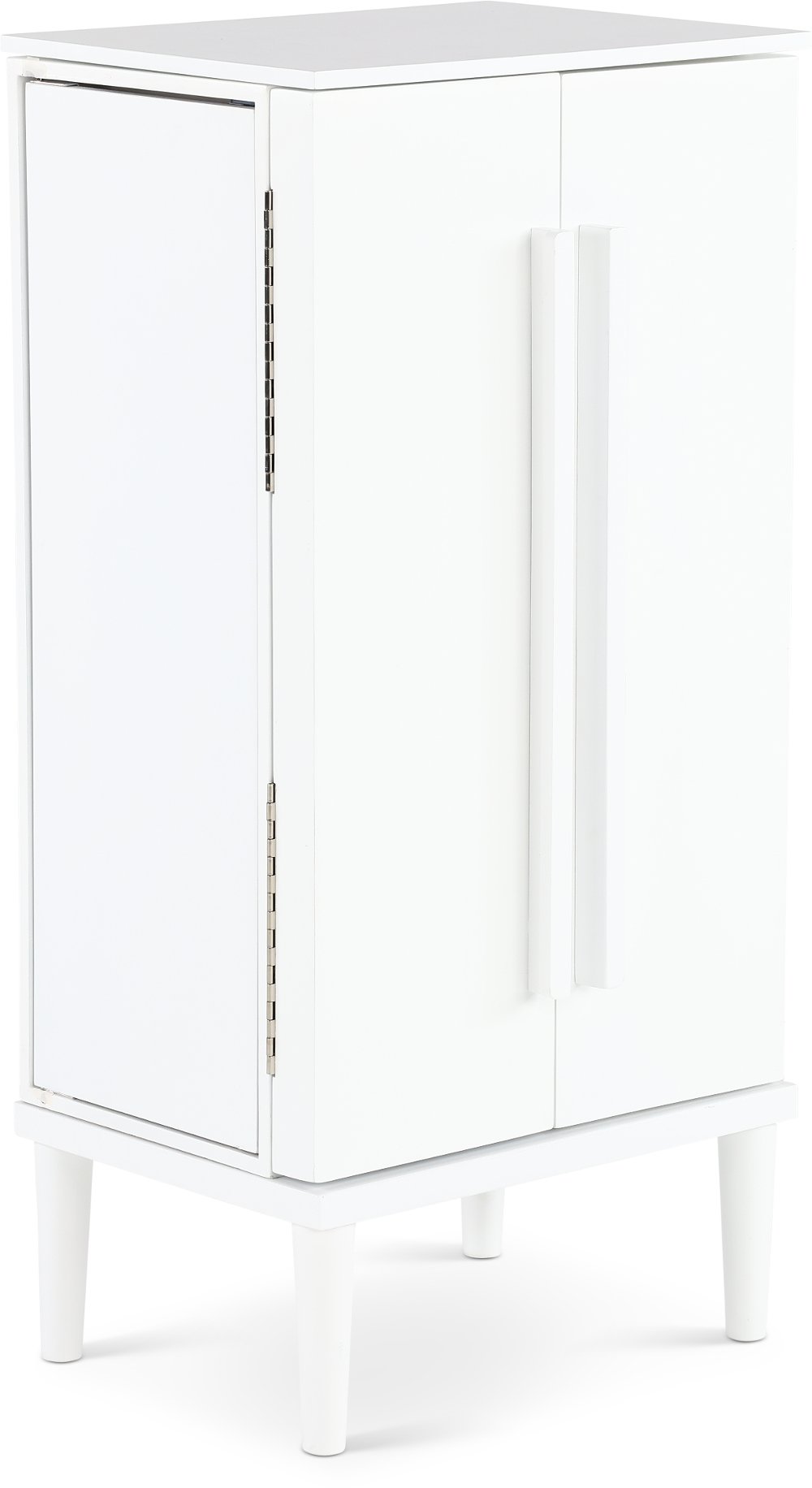
Desk vanities combine a place to get ready with a usable work surface, bringing beauty storage and desk functionality into one piece of furniture. They’re a practical fit for bedrooms, dressing areas, guest rooms, and smaller homes where every surface needs to earn its place. A makeup routine in the morning can give way to laptop work or handwritten notes later in the day, especially when brushes, cosmetics, and accessories have dedicated spots inside drawers. Unlike a standard writing desk, a desk vanity may include a mirror, divided storage, or lighting designed for grooming. Unlike a traditional dressing table, a desk-style vanity often leaves more open tabletop space for activities beyond getting ready. That balance matters if the same corner serves as a personal retreat and an occasional workspace. Someone who keeps a laptop open beside a makeup bag will appreciate a different layout than someone who wants room for a tabletop mirror, a jewelry tray, and a few everyday essentials. Width alone doesn’t tell the whole story: surface depth affects how comfortably a screen, mirror, and accessories can sit together without crowding the front edge. Legroom also deserves attention, particularly when a center drawer or storage pedestal extends beneath the top. A chair should slide in far enough to keep a bedroom walkway clear, while leaving enough room to sit comfortably without knees pressing against the underside. In a shared bedroom, a compact vanity desk can create a personal getting-ready spot without taking over the room. In a guest room, its flexible design can provide visitors with a place to unpack toiletries or check email. The most useful arrangement gives each activity enough breathing room, with a clear section of tabletop that makes switching tasks feel easy rather than like another cleanup project. Even a simple tray that moves from the desktop to a shelf can make that transition smoother.
The materials and construction of a desk vanity influence its appearance, everyday upkeep, and how it handles repeated use. Solid wood brings natural grain and character, though it can respond to changes in humidity and benefits from protection against moisture. Wood veneer offers a real-wood surface over a supporting core, while engineered wood with a laminate finish can provide a consistent look and a surface that’s generally easy to wipe clean. Performance depends on the finish and construction, not just the material name. Smooth drawer movement, secure hardware, neatly finished edges, and a stable base all contribute to a piece that feels comfortable to use day after day. Metal legs or framing can add a lighter visual profile, but sturdy connections still matter when a vanity holds a mirror and frequently used supplies. Glass and mirrored details reflect light and can help a dressing corner feel brighter; they also show fingerprints more readily than many matte surfaces. Rounded corners may feel more comfortable in a tight bedroom passage, while slim legs can make a smaller room look less crowded. Style works best when it connects with the furnishings already around it. A warm wood finish can soften a room with crisp bedding and simple walls, while a painted finish can blend with bedroom storage or create a gentle contrast. More decorative hardware and reflective accents bring a dressed-up feel without requiring the entire room to follow the same look. Proportion is just as important as finish: a substantial vanity can anchor an open wall, while a shallow design may suit the space beside a dresser. Allow room for drawers to open fully and for the chair to pull back without hitting the bed. Baseboards, nearby doors, and electrical outlets can affect placement, too. For another take on a dedicated getting-ready space, Studio Vanities offer a related category to explore alongside desk-style designs.
Storage, lighting, and care are the details that make a vanity desk work comfortably beyond its first day at home. Shallow drawers can keep lip colors, pencils, and small accessories easy to see, while deeper compartments may better accommodate taller containers or hair tools once they’ve cooled. Removable organizers help prevent little essentials from shifting toward the back, and a washable liner can simplify cleanup when loose powder escapes its container. For shared spaces, separate compartments give each person a clear place for personal belongings. Mirror placement should suit the person using the vanity: a seated view that includes the whole face is more useful than a decorative mirror positioned too high. If a design includes lighting, adjustable brightness can help accommodate different tasks, while even illumination from more than one direction helps reduce facial shadows. Daylight from a nearby window can be helpful, though direct sunlight may create screen glare and expose cosmetics to unwanted heat. Integrated outlets or USB ports, when included, can support everyday charging, but their ratings and intended uses should always match the devices connected to them. Cords should stay clear of drawer slides and walking paths. A cushioned stool may suit a short morning routine, while a supportive chair is usually more comfortable for longer stretches of work or study. For a teen establishing a personal space, an adult sharing a busy bathroom, or someone furnishing a first apartment, a desk vanity can make daily routines feel more settled. It can also be a thoughtful housewarming or graduation gift when room dimensions and the recipient’s style are known. To protect the surface, keep fragrances and cosmetics on a tray, wipe spills promptly, and follow the furniture’s care instructions rather than assuming a household cleaner is safe for every finish. Nail polish remover, hair color, and hot styling tools can damage many surfaces, so a suitable protective mat and a separate heat-safe resting place are worthwhile. With thoughtful placement and simple upkeep, a desk vanity can remain a comfortable, useful part of the room through changing routines.
Read More