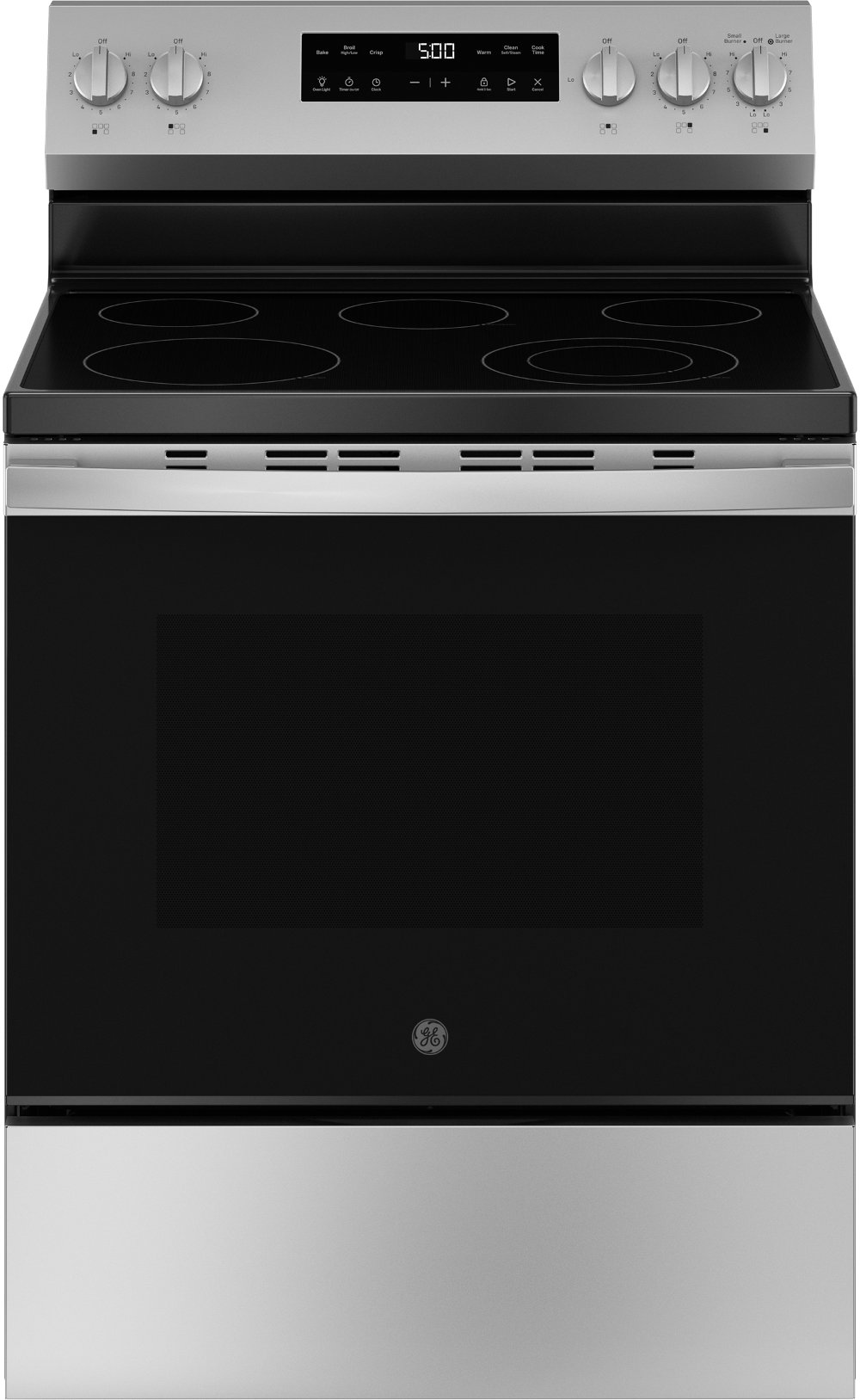
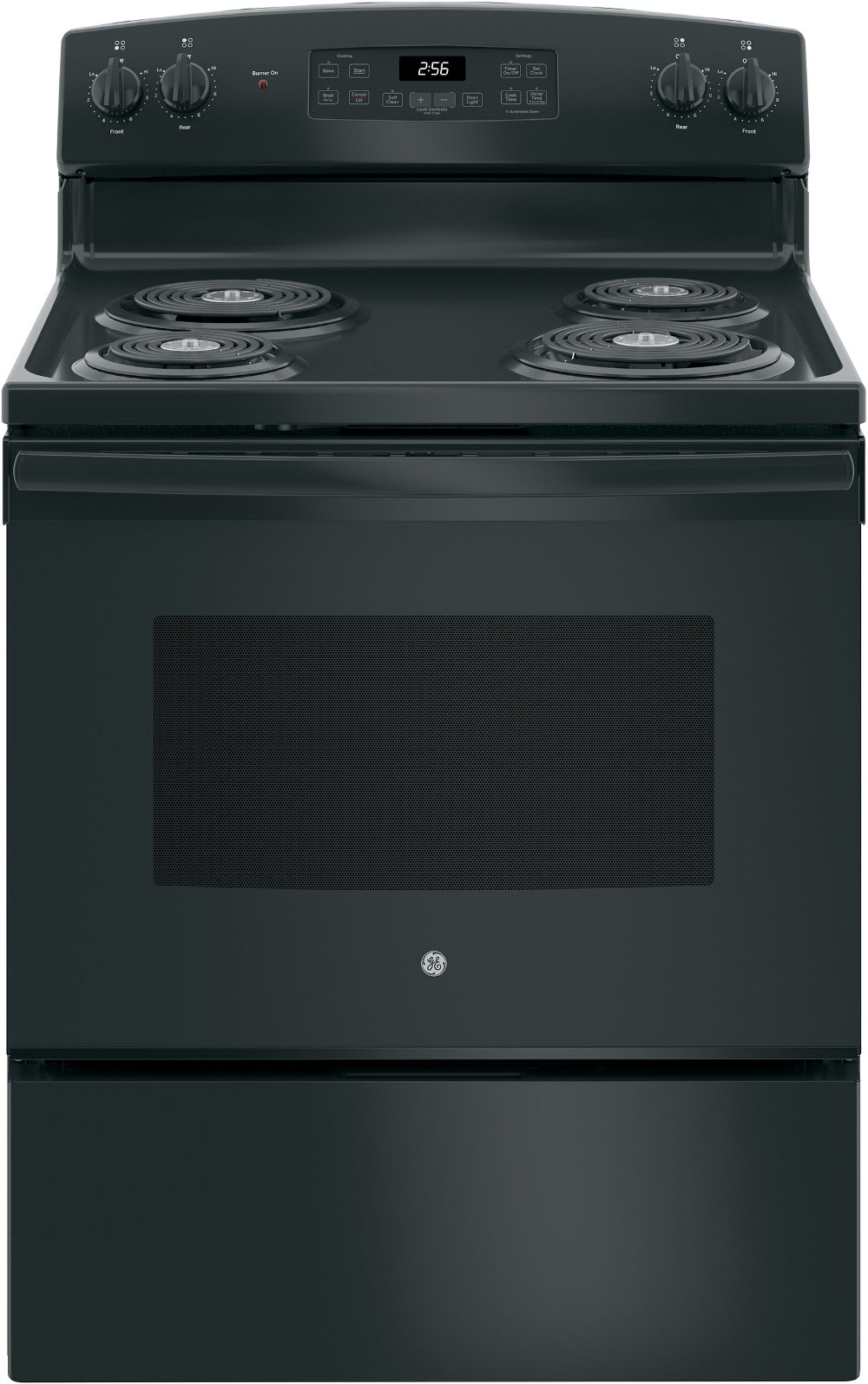
A freestanding range brings two essential kitchen appliances together in one hardworking, space-conscious design: a cooktop for sautéing, boiling, simmering, and searing, plus an oven for roasting, baking, and broiling. Unlike a built-in appliance, a freestanding range has finished side panels, so it can sit neatly between cabinets, at the end of a counter, or in another open position where the layout allows. Most models include a raised backguard with the control panel, knobs, display, and timer, giving the range a familiar, practical profile that suits many kitchens. A standard 30-inch width is common, although available dimensions can vary, so measuring the opening from side to side, front to back, and floor to countertop is an important first step. Check the surrounding clearance, doorway widths, and nearby cabinet placement, too. A few careful measurements can make delivery and installation much smoother, especially in older homes, apartments, or kitchens with tight corners. If your space calls for a more integrated look with controls positioned on the front, explore Built In Ranges as another option. Freestanding ranges are often a practical choice for a first home, a kitchen refresh, a rental property, or a growing household that needs dependable cooking space without a complicated remodel. They can also make a thoughtful housewarming gift when you know someone is settling into a new home, renovating a kitchen, or replacing an appliance that has seen better days.
Choosing the right freestanding range starts with the fuel connection already available in your kitchen. Gas ranges use a flame for responsive heat and offer visual control as you adjust the burner, while electric ranges provide smooth, consistent heating with a straightforward setup in kitchens equipped for electric power. Induction ranges use magnetic technology to heat compatible cookware directly, which can offer quick temperature changes and an easy-to-clean cooking surface. Each option has its own feel, so consider the way you prepare meals as well as the utility connection required for installation. A home cook who spends evenings building sauces, stir-fries, or one-pan meals may appreciate precise burner control, while someone who bakes casseroles, bread, and sheet-pan dinners may focus more on oven capacity, temperature consistency, and rack flexibility. Convection cooking can help circulate heated air around the oven cavity for more even browning, making it useful for roasting vegetables, baking cookies, or preparing several dishes during a family gathering. Look at the number and shape of burners, the available oven rack positions, the broiler location, and the control layout. A clear timer and easy-to-read settings can be especially helpful when the kitchen is busy with simmering pots, a school-night dinner, and a tray waiting to go into the oven. During cooler months, the oven often becomes the heart of the home, warming the kitchen while a roast cooks slowly, bread rises on the counter, or a bubbling dessert fills the room with a familiar, comforting aroma.
Daily convenience matters just as much as cooking performance. Look for features that fit your routines rather than choosing based on a long list of extras. A spacious oven can make it easier to prepare a holiday meal, roast a large cut of meat, or cook several dishes for guests without juggling pans across multiple appliances. A storage drawer may provide a handy place for baking sheets and roasting pans, while a warming drawer can keep finished dishes at a serving temperature until everyone is ready to sit down. Smooth cooktops can simplify cleanup after a pot boils over, and removable grates or dishwasher-safe accessories may reduce the effort involved in keeping the range looking cared for. If you have young children at home, consider control-lock settings, sturdy knobs, and a layout that keeps hot cookware away from the edge of the cooking surface. If you entertain often, prioritize burner spacing so larger pans can sit comfortably side by side. For households that cook simple meals, a reliable oven, useful burner arrangement, and easy controls may matter more than specialized functions. Before choosing, confirm whether the range requires a gas line, electrical outlet, or particular installation materials, and review the manufacturer’s requirements with a qualified installer. With the right fit, a freestanding range can support everything from a quick breakfast and reheated leftovers to slow weekend cooking, generous family dinners, and the everyday meals that make a kitchen feel truly lived in.
Read More