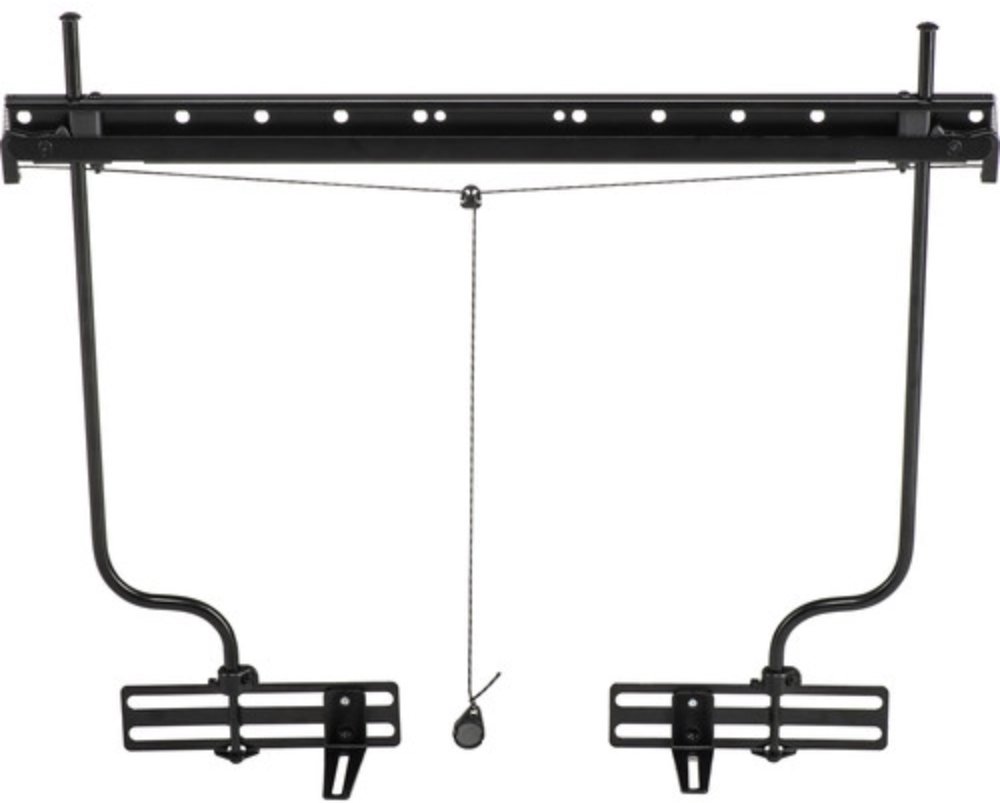
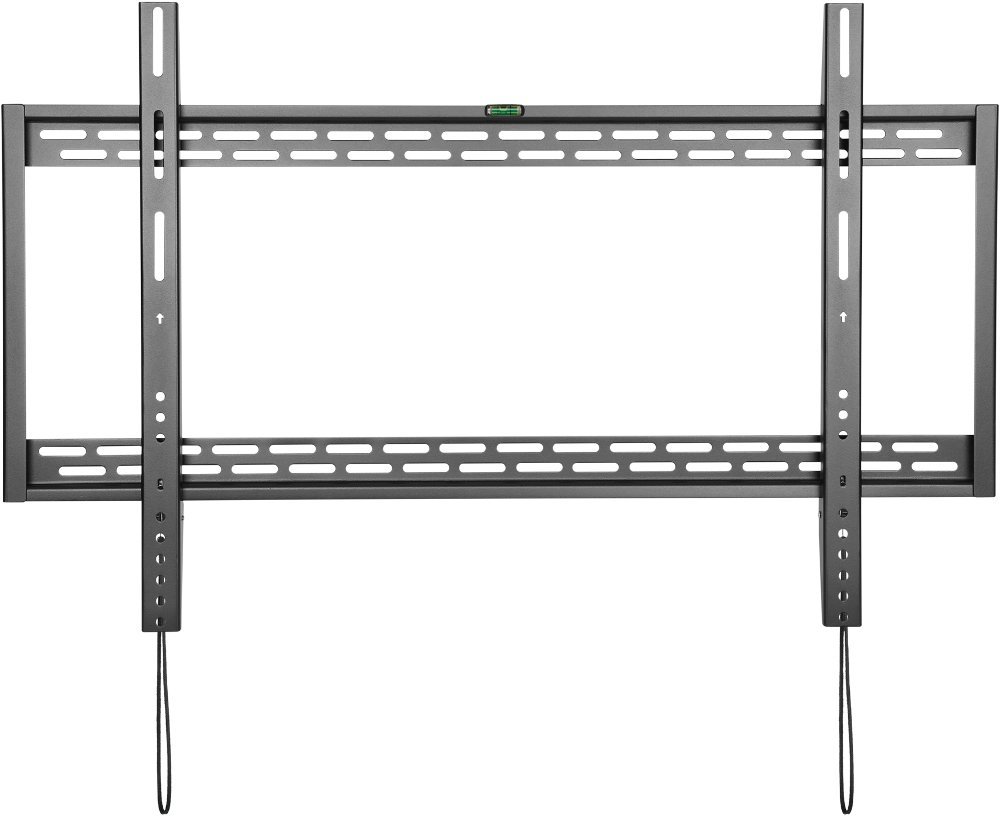
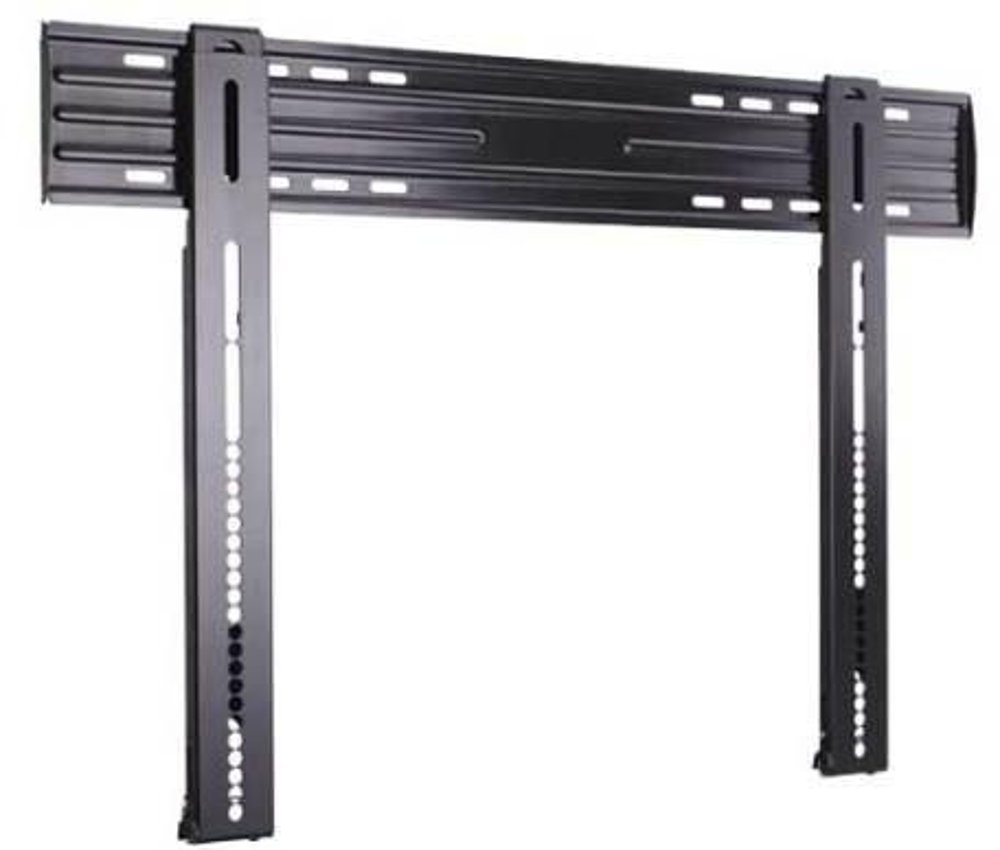
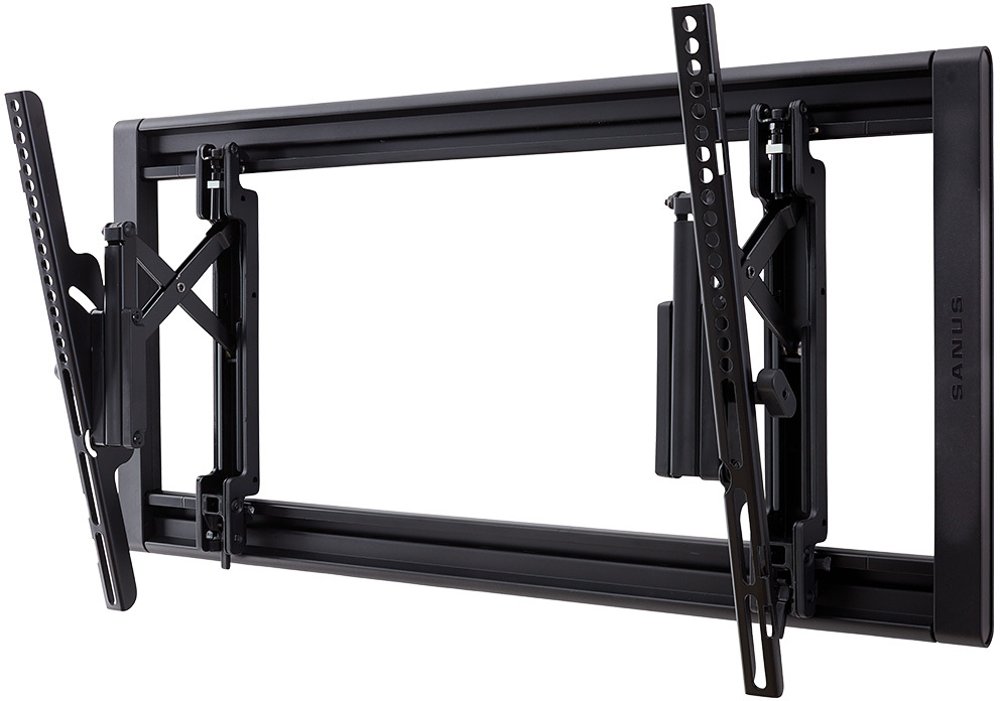
Full motion mounts give your television the flexibility to fit the way your room is actually used. Also called articulating TV mounts, they use an adjustable arm to extend the screen away from the wall, swivel it from side to side, tilt it up or down, and push it back into a clean, low-profile position when you’re finished watching. That movement can make a noticeable difference in a family room with seating spread across a wide area, a bedroom where the bed sits at an angle, or an open-concept space where the television needs to serve more than one zone. A screen mounted near a corner can turn toward the sofa for movie night, face the dining area during a big game, or angle toward the kitchen while you follow a recipe. During the cooler months, when evenings often move indoors, a full motion TV mount can help everyone settle in comfortably without rearranging the room around a fixed screen. It can also help reduce glare from windows, lamps, and overhead lighting by letting you fine-tune the viewing angle. For a simpler, more stationary setup, you may also want to explore LED TV Mounts as you compare ways to organize your entertainment space.
Choosing the right full motion mount starts with your television’s size and weight. Check the exact specifications for your TV and compare them with the mount’s recommended screen range and weight capacity, allowing the mount to support the television securely without working at its limit. The VESA pattern is another important detail. This is the horizontal and vertical spacing between the threaded mounting holes on the back of the television, usually listed in millimeters. Measure the distance between those holes or find the VESA information in the TV’s manual before you buy. A mount that supports the correct screen size may still be incompatible if its mounting plate doesn’t accommodate your television’s hole pattern. Consider the arm’s extension length, swivel range, and tilt range, too. A longer arm may be useful when the TV sits in a recessed area or needs to turn toward another part of the room, while a compact arm can be a better fit for a narrow wall. Think about where people will sit, where light enters during the day, and whether you’ll need access to the back of the screen for power, HDMI connections, a soundbar, or a streaming device. Full motion adjustment makes those connections easier to reach because you can gently pull the television forward rather than working in the narrow space between the screen and wall.
A secure installation matters just as much as a good match between the mount and television. Full motion arms place leverage on the wall as they extend, so they need to attach to solid wood studs or an appropriate masonry surface such as concrete or brick. Drywall alone isn’t a reliable anchor for this type of mount, even when the television feels light in your hands. Before installation, locate the studs, confirm their spacing, and use hardware designed for the wall material. The mounting surface should be flat and strong, with enough clearance for the arm to move without striking nearby shelves, trim, doors, or artwork. It’s also worth planning the cable path before lifting the TV into place; leave enough slack for full extension and swiveling, while keeping cords neat and away from pinch points. Many households choose full motion mounts when they’re refreshing a living room, creating a more comfortable guest room, or giving a loved one a cleaner setup for a new television. They’re especially useful for anyone who watches from different seats, lives in a smaller space, or wants the screen to disappear closer to the wall between viewing sessions. Take a few minutes to map the viewing angles and verify the wall structure first, and you’ll be much more likely to enjoy smooth movement, a comfortable picture, and a polished entertainment area for years to come.
Read More