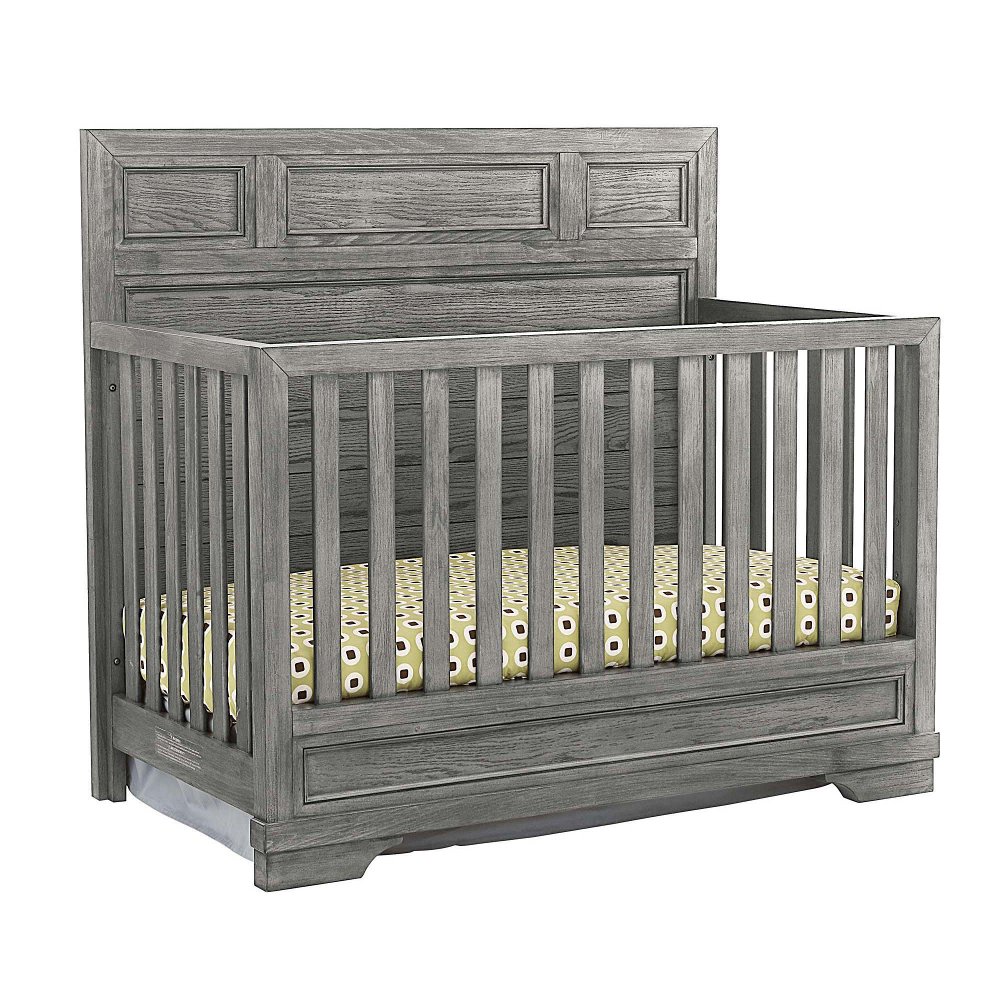
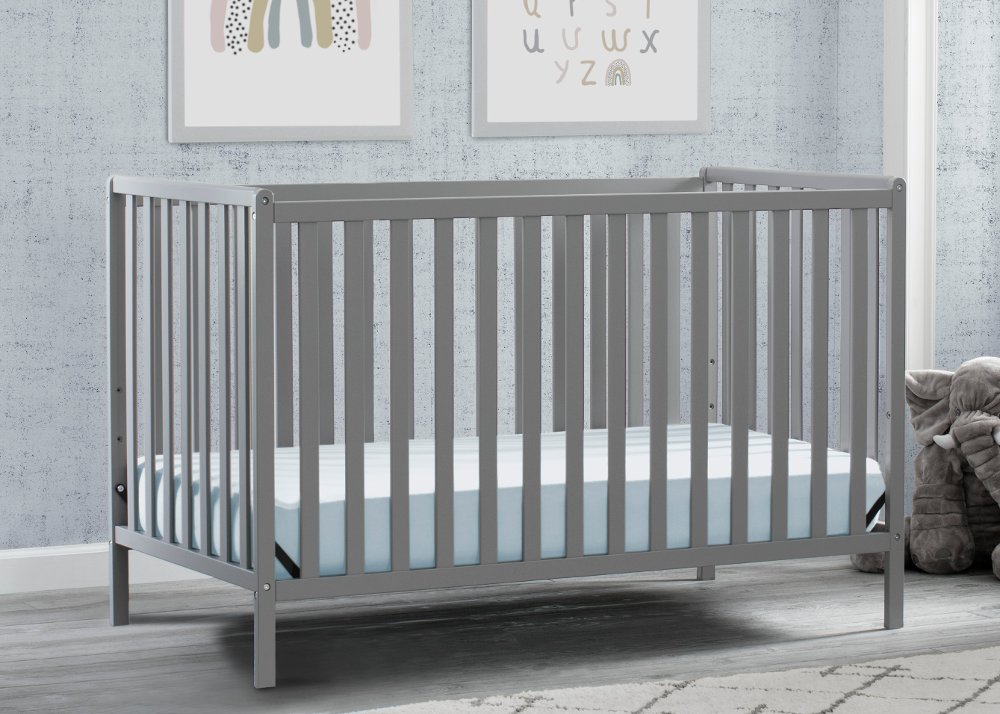
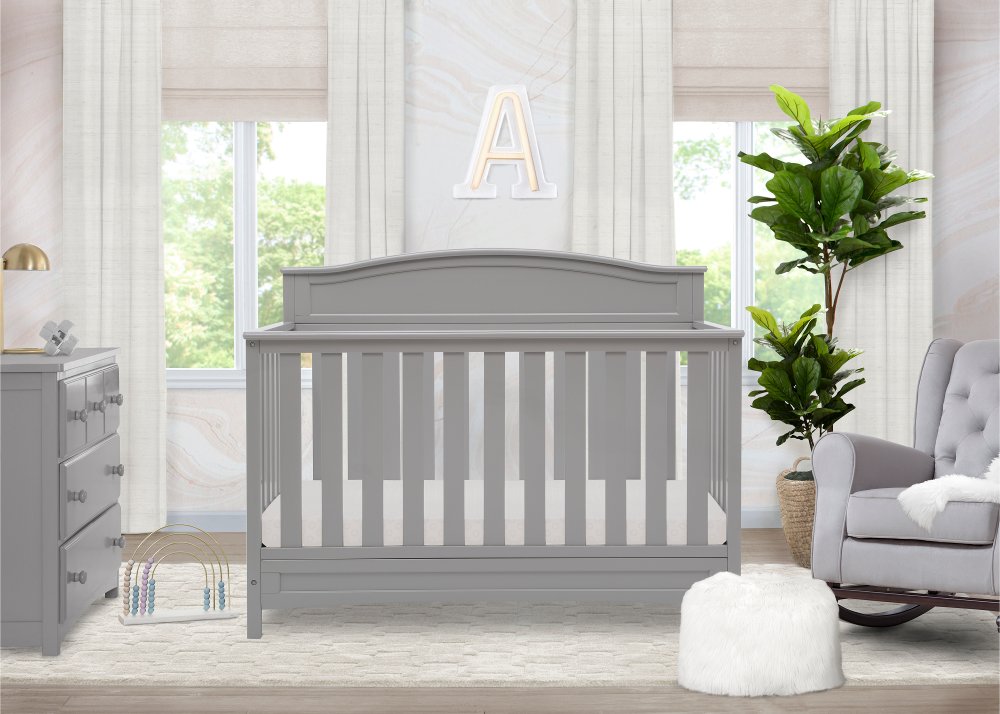
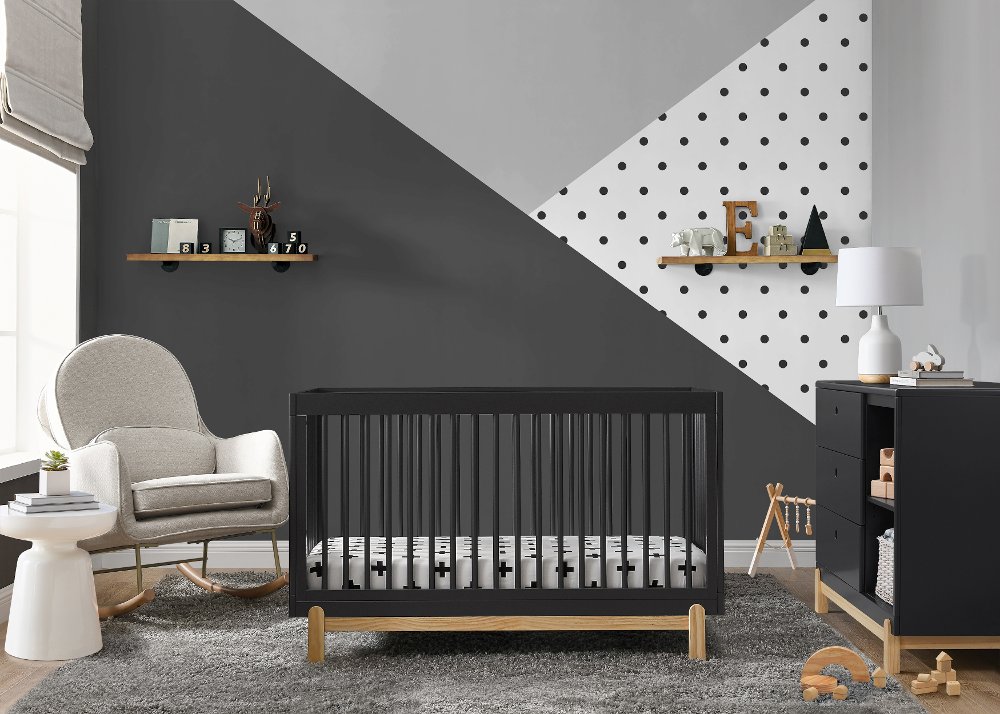
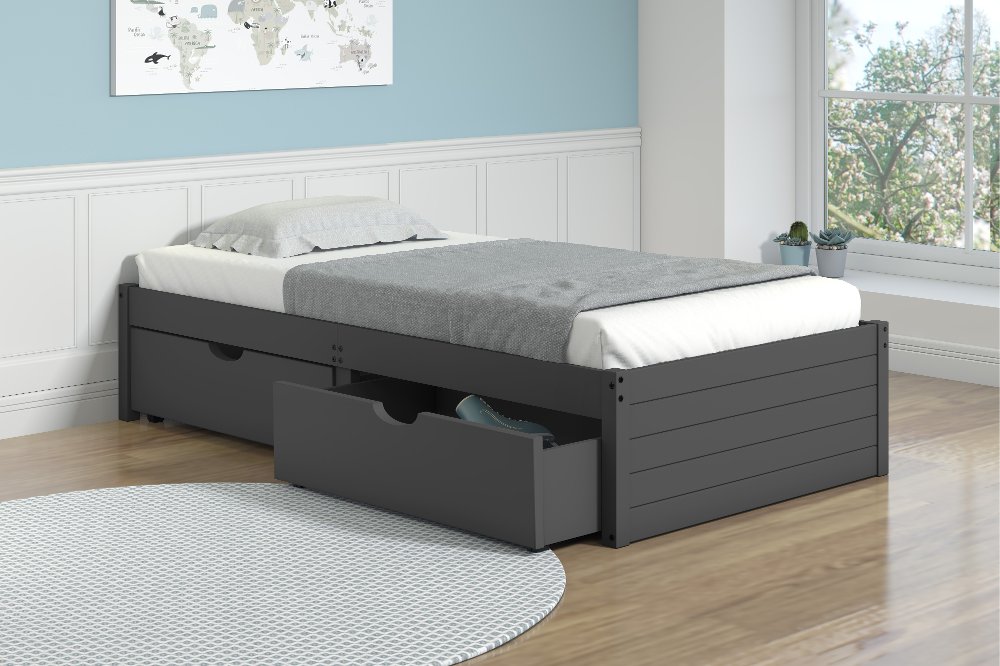
Gray cribs bring an easy sense of calm to a nursery, with a neutral finish that works beautifully beside soft whites, warm wood tones, pastel textiles, and deeper accent colors. A light dove gray can make a smaller room feel airy and bright, while charcoal gray adds a grounded look with a little more contrast. Because gray sits comfortably between warm and cool tones, it can grow with your decorating plans instead of locking the room into one theme. Pair it with woven baskets and natural textures for a relaxed nursery, or add streamlined lighting and simple bedding for a modern minimalist space. Gray also suits shared rooms, guest spaces, and nurseries designed to welcome any style or color palette. Families often choose a gray crib as the central piece of a new nursery, then build around it with a changing table, dresser, glider, rug, and storage for diapers, blankets, and those tiny outfits that seem to multiply overnight. It can also make a thoughtful gift for new parents, especially when the recipient has already chosen a general nursery style but still needs a dependable foundation for the room. If you’re shopping for someone else, a neutral gray finish offers plenty of flexibility, while checking the recipient’s available space and preferred furniture style helps make the gift feel personal rather than simply practical. For more nursery inspiration, explore Stylish Cribs alongside these gray crib options.
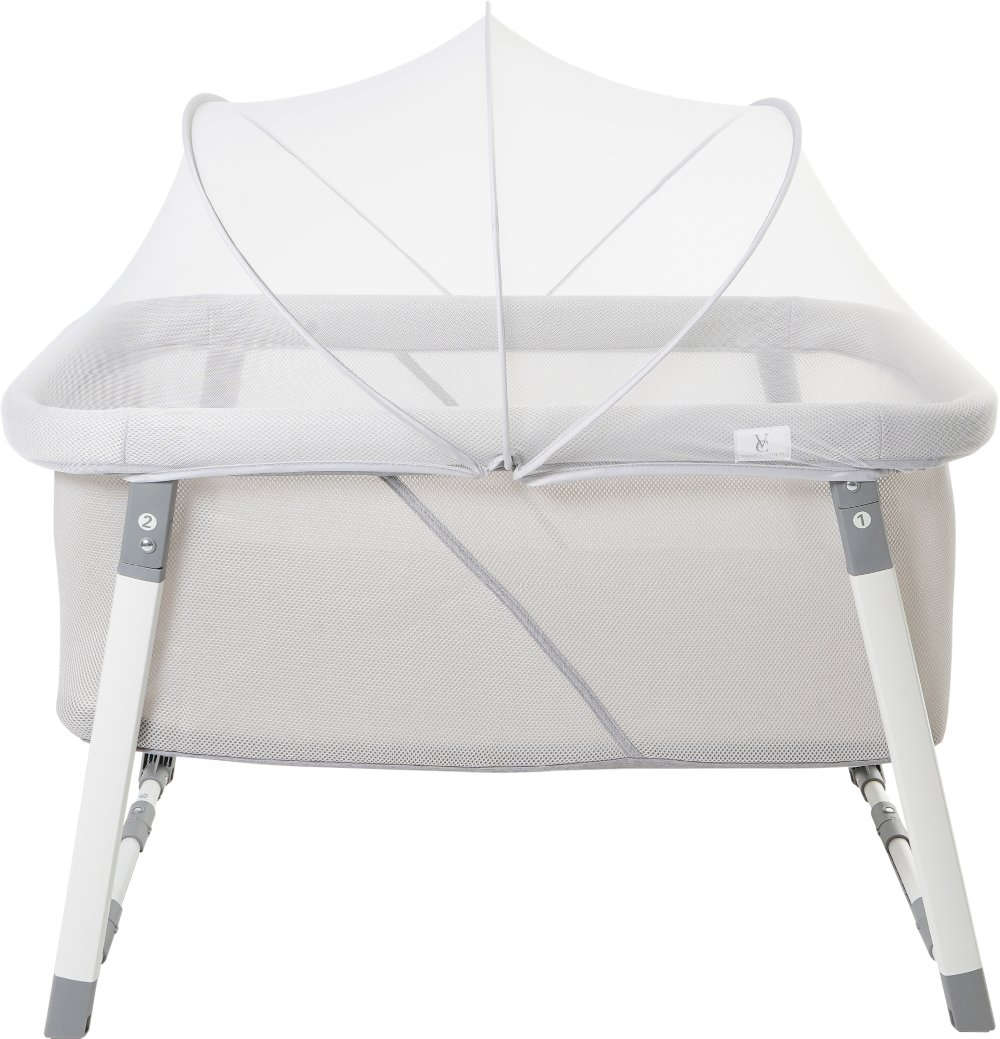
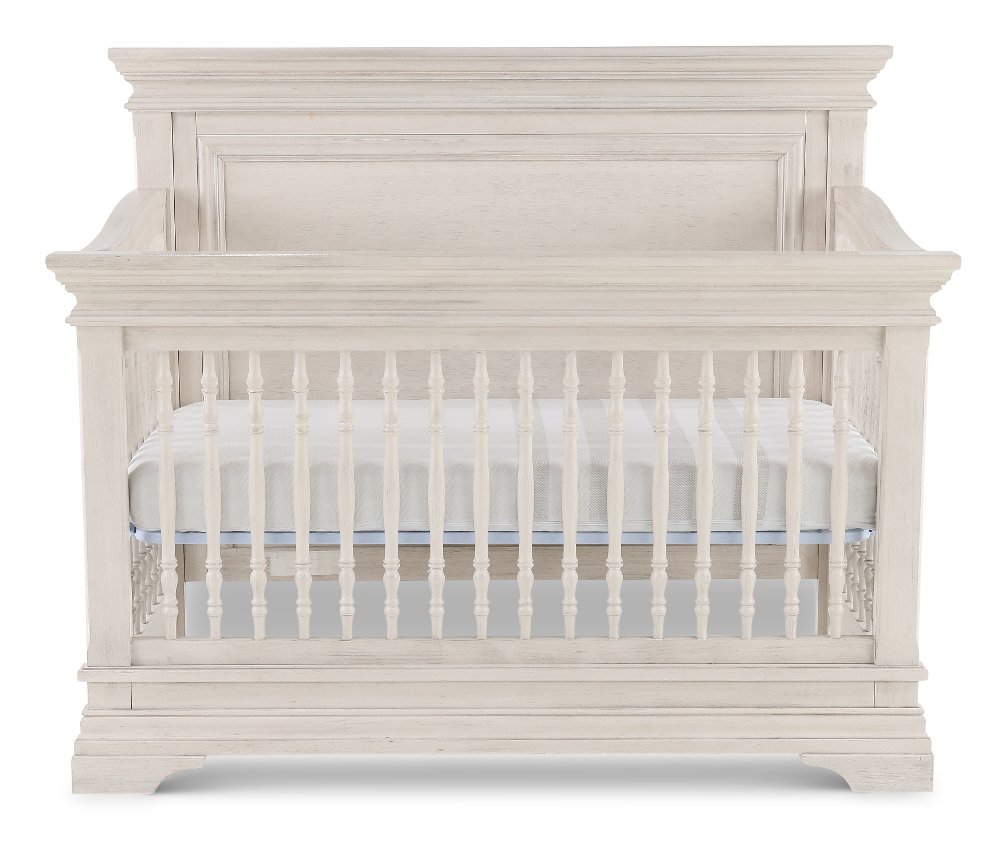
When choosing among gray cribs, start with the details that support everyday use. Measure the nursery carefully, including the space needed to open nearby drawers or walk comfortably around the crib. A compact crib can work well in a smaller bedroom, while a larger convertible design may offer more room to grow but require additional floor space. Check the mattress dimensions recommended by the manufacturer and plan to use a firm, flat crib mattress that fits snugly, with no visible gaps around the edges. Adjustable mattress support is another helpful feature. Many cribs offer multiple height positions, allowing the mattress to sit higher when a newborn needs easier access and lower as the baby develops the ability to sit or stand. Lowering the mattress at the appropriate stage helps keep the sleep space suited to your child’s changing mobility, and the manufacturer’s instructions provide the best guidance for each adjustment. Open slats allow you to see into the crib and support airflow, while sturdy construction, smooth edges, secure hardware, and a stable base contribute to confident daily use. Look for current safety information and certifications such as JPMA certification when available, and consider Greenguard Gold certification for products tested for lower chemical emissions. Certification labels can vary by model, so review the product details rather than assuming every crib carries the same credentials. Finish quality matters, too: gray paint or stain should look even across the rails and panels, and the surface should be easy to wipe clean after ordinary nursery spills. During warmer weather, light gray can complement a bright, sunlit room; during cooler months, a deeper gray can create a cozy backdrop for layered textures and warm lighting.
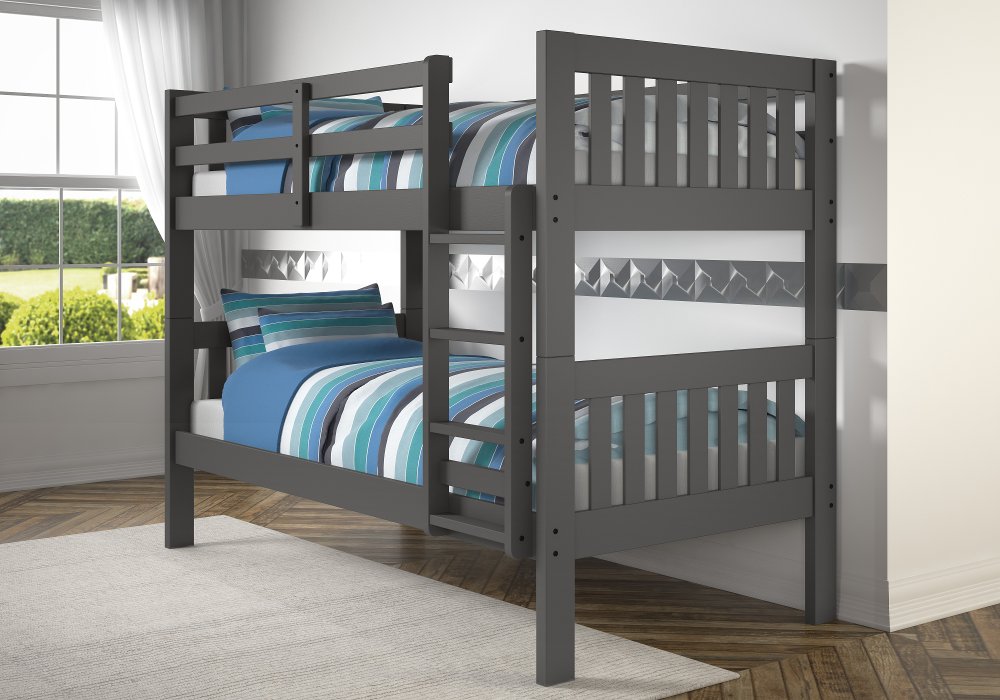
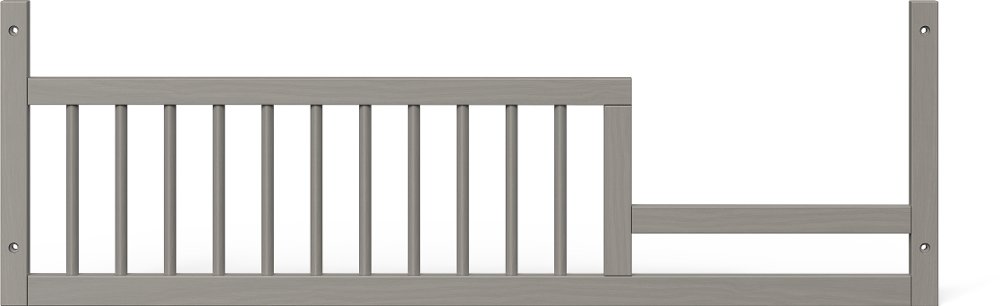
Convertible gray cribs can offer lasting value by adapting as your child grows. Depending on the design, a crib may convert into a toddler bed, daybed, or full-size bed with the appropriate conversion components. This can make the original nursery piece part of several stages, from quiet naptime to the first big-kid bedroom. Before choosing a convertible model, review which configurations are included, which conversion pieces are sold separately, and whether the full-size setup requires a standard bed frame or additional hardware. Keeping the assembly instructions, spare hardware, and product information in a safe place can make future transitions much easier, particularly when the nursery has long since become a playroom and the crib’s original box has disappeared. Consider how the gray finish will look with future furniture, since a versatile color can work with changing bedding, wall art, and rugs as your child’s interests develop. Safe sleep remains the priority at every crib stage: use the mattress and fitted sheet recommended for the crib, keep the sleep surface clear, and follow current guidance from trusted pediatric and safety organizations. Decorative pillows, loose blankets, toys, and other soft items belong outside the crib while your baby sleeps. A gray crib can be a beautiful anchor for the room, but the best choice also fits your space, budget, daily routine, and plans for the years ahead.
Read More