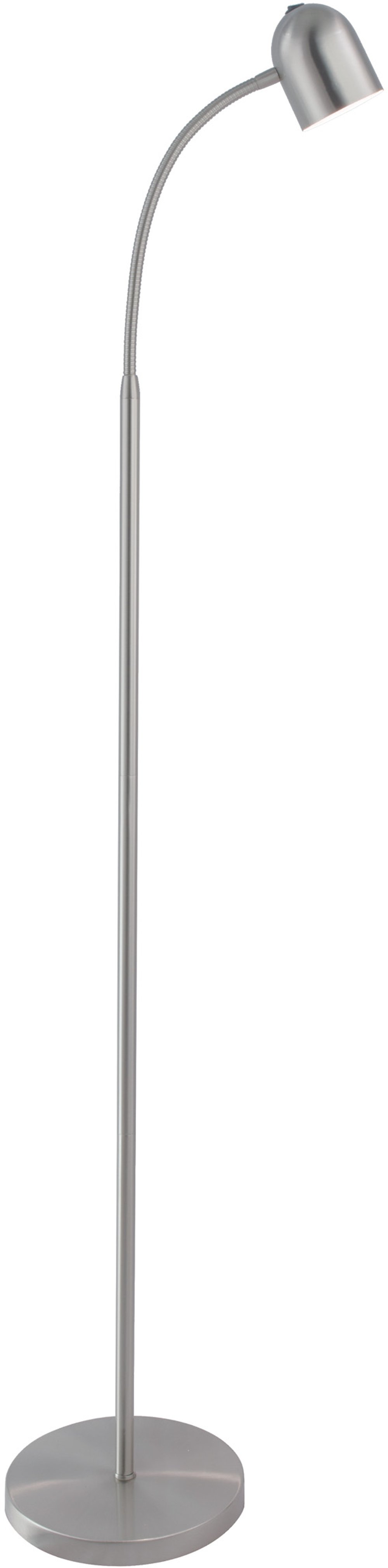
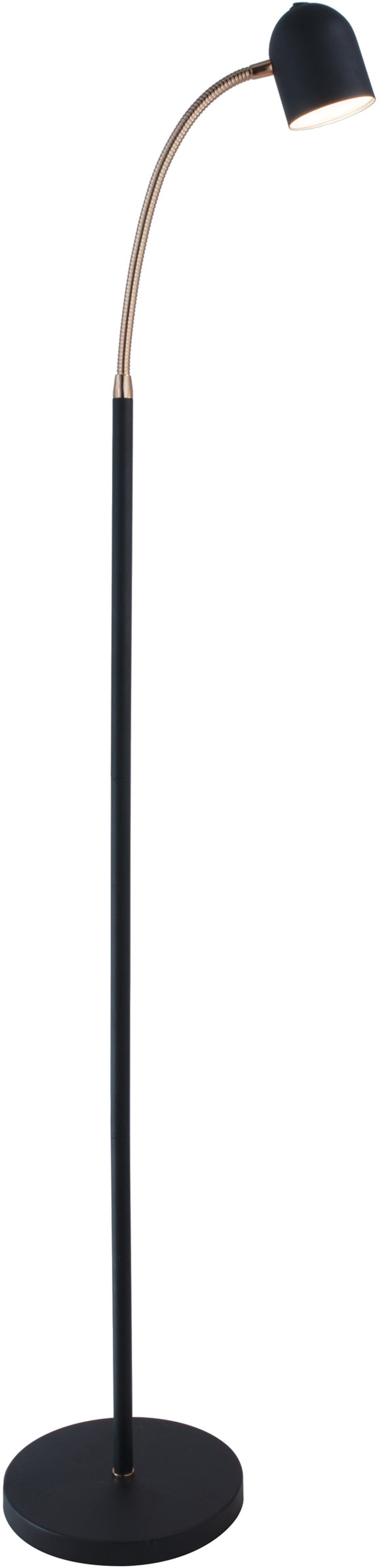
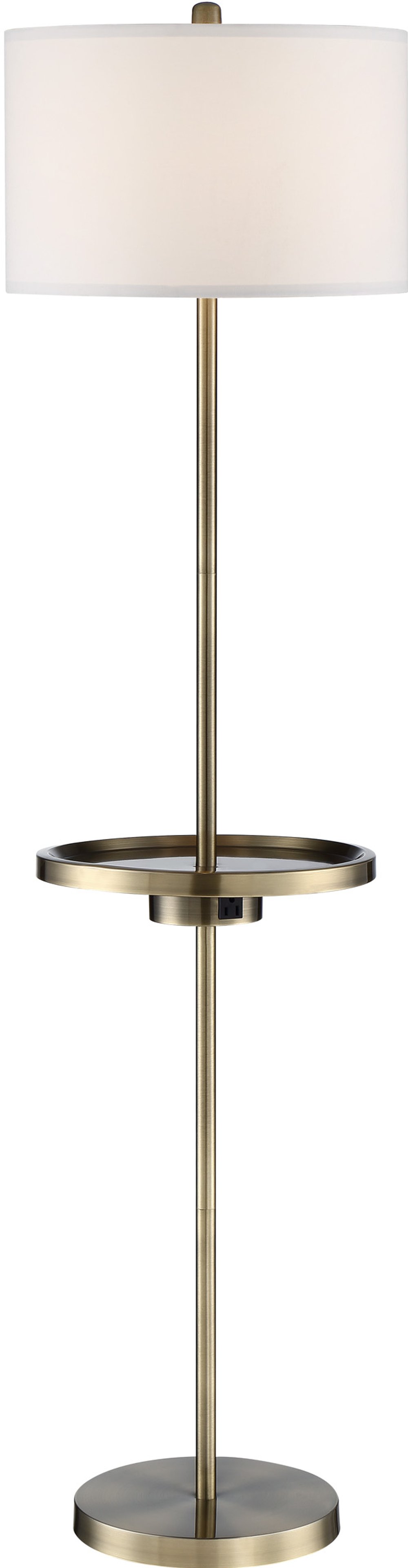
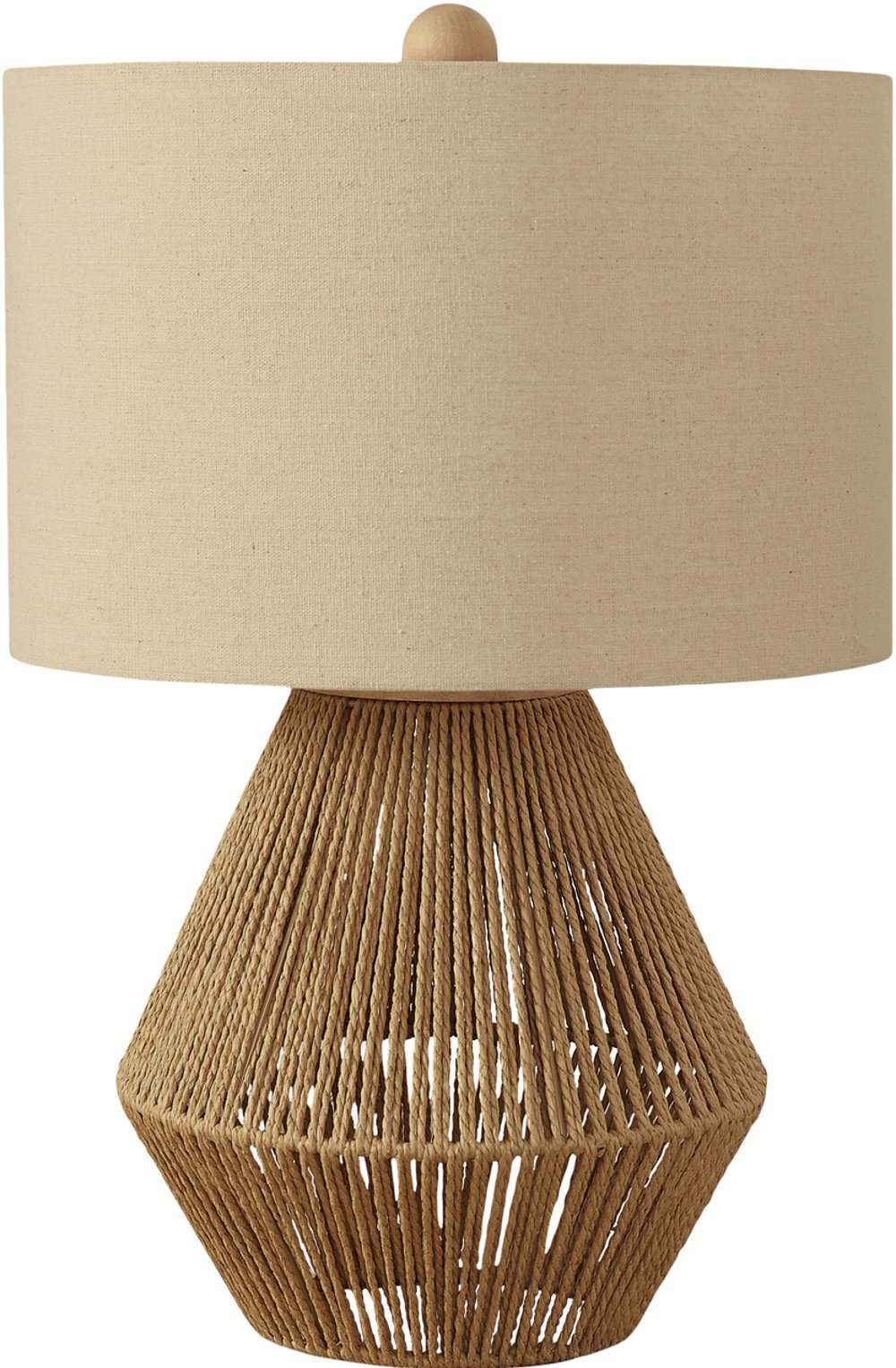
Home decor lighting brings together everyday function and the details that make a room feel like yours. A well-placed lamp can turn an unused corner into a favorite reading spot, while a pendant above a dining table gives family meals and relaxed gatherings a welcoming focal point. The most comfortable spaces usually combine three types of lighting: ambient lighting for overall illumination, task lighting for activities such as reading or preparing food, and accent lighting to draw attention to artwork, shelving, or architectural details. These layers work together so a single overhead fixture doesn’t have to do every job. Table lamps add light close to where you sit and bring color, texture, and shape to end tables, nightstands, and consoles. Floor lamps make good use of vertical space, especially beside a sofa or chair where there’s little room for another table. Chandeliers and pendant lights help define dining areas, kitchen islands, and entryways, while wall sconces can leave bedside surfaces open for a book and a glass of water. The right combination depends on how a room gets used. A living room that hosts conversation, homework, and movie nights benefits from several independently controlled light sources. A bedroom may feel more comfortable with softly shaded bedside lamps and focused reading light rather than overhead illumination alone. In a home office, an adjustable task lamp can light paperwork without flooding the entire room with brightness; its position should keep reflections off the computer screen. Decorative lighting also has a presence when it’s switched off. A curved base can soften the straight lines of a cabinet, and a simple shade can balance a richly patterned rug. That mix of usefulness and visual character makes lighting an important part of furnishing a first apartment, refreshing a familiar room, or making a guest bedroom feel thoughtfully finished. Rather than matching every fixture exactly, repeating a finish, silhouette, or shade color can connect adjoining spaces while leaving each room its own personality.
Materials and proportions shape both the appearance of decorative lighting and how comfortably it fits into daily life. Ceramic lamp bases bring depth through glazed surfaces, subtle color variations, and rounded forms. Clear glass has a lighter visual presence that can work well on a narrow console, while textured or opaque glass changes how the light spreads. Metal offers everything from slim, understated profiles to substantial sculptural shapes, with finishes that can coordinate with cabinet hardware or furniture legs. Wood and woven details introduce natural texture, though open weaves may cast noticeable patterns on nearby walls. Fabric shades typically soften and diffuse light, while opaque metal shades direct more of it through their openings. An exposed bulb creates a different effect, making the bulb’s shape and brightness part of the overall design. For comfortable placement, shade width matters as much as base size: a lamp should leave usable space on the tabletop without extending into a busy walkway. Beside a reading chair, the light needs to reach the page without putting a bright bulb directly in your line of sight. Bedside proportions depend on mattress and nightstand height, so the most useful lamp is one you can comfortably operate while sitting or reclining. Floor lamps need enough clearance for their bases, shades, and any extending arms, especially near reclining furniture or doors. Hanging fixtures should relate to the table or island beneath them and provide suitable clearance for movement and sightlines, with installation following the manufacturer’s requirements. Ceiling height, room dimensions, and the fixture’s visual weight all matter; an airy open frame can feel quite different from a solid shade of the same width. Collections of Stylish Lighting can offer inspiration for connecting these practical details with your preferred look, whether that means clean-lined contemporary shapes, familiar traditional silhouettes, or relaxed natural textures. A fixture doesn’t need to dominate a room to make a difference. Sometimes a softly glowing shade beside a favorite chair supplies exactly the finishing touch the space needs.
Light quality, controls, and care deserve just as much attention as the fixture’s finish. Lumens describe light output, while watts describe energy use, so comparing lumens is more helpful when choosing the brightness of compatible bulbs. Color temperature, measured in kelvins, describes how warm or cool the light appears. Bulbs around 2700K to 3000K generally provide a warm white appearance that suits many living rooms and bedrooms; higher color temperatures look cooler and may suit some task-focused spaces or personal preferences. Keeping nearby light sources at similar color temperatures can help a room feel cohesive. Shade color and material affect the result, too, so the same bulb can look different behind cream fabric than through clear glass. LED bulbs generally use less electricity and last longer than incandescent bulbs, but socket type, bulb dimensions, and the fixture’s stated limits still need to match. Dimming also depends on compatibility among the light source, fixture, and control. Integrated LED fixtures have a built-in light source rather than a conventional replaceable bulb, making the manufacturer’s information about service and replacement especially useful. For everyday convenience, consider whether switches are easy to reach and controls feel straightforward for the people using the room. Stable bases and well-planned cord placement are particularly important in homes with children or pets; cords should stay out of walkways and never run beneath rugs. Bathrooms, covered patios, and other areas exposed to moisture require fixtures rated for those conditions, and hardwired lighting calls for installation that meets local electrical requirements. Durability depends on construction and placement as well as material. Glass and ceramic can chip or break if knocked over, while metal finishes may scratch when cleaned with abrasive products. Routine care usually starts with turning the light off, unplugging portable lamps, and allowing bulbs to cool. A soft, dry cloth handles many bases, and gentle dusting helps fabric shades stay fresh, with the manufacturer’s care instructions taking priority. A thoughtfully chosen lamp can also make a useful housewarming or wedding gift when its size and style suit the recipient’s home. For your own space or someone else’s, the lasting appeal comes from lighting that looks right, feels comfortable, and makes ordinary moments a little easier.
Read More