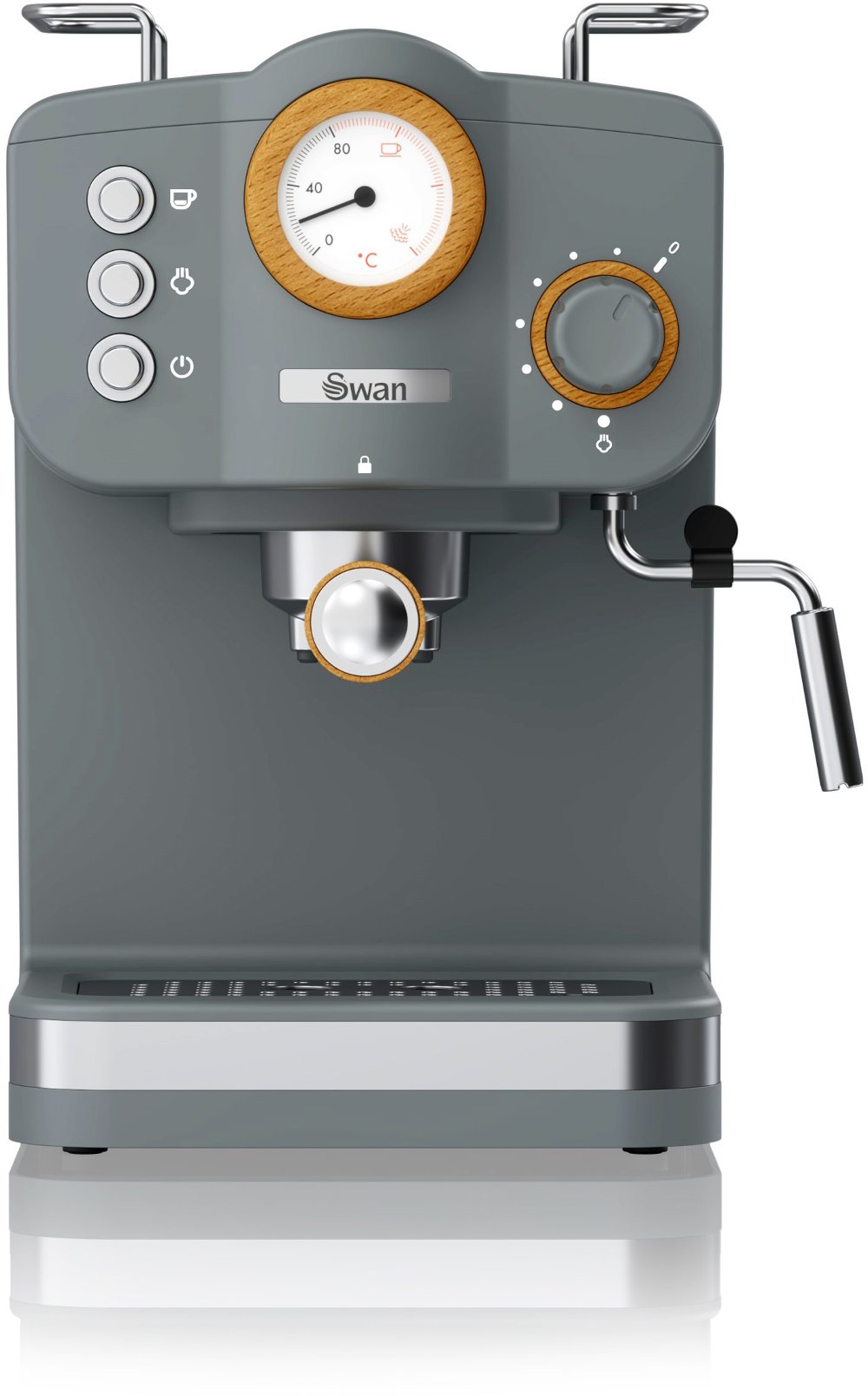
Coffee makers with iced brewing settings make it easier to enjoy a flavorful iced coffee without treating every cup like a kitchen experiment. Instead of simply pouring a full-strength hot brew over a glass packed with ice, these machines offer a setting designed to account for the dilution that happens as ice melts. Depending on the machine, that may mean brewing a smaller, more concentrated serving, adjusting water flow, or changing the brewing cycle. The result is a convenient starting point for the drink you enjoy, whether that’s black coffee over ice, a splash of oat milk, or a creamy cup with vanilla and a little cinnamon. An iced setting doesn’t necessarily mean the machine brews cold coffee; many models brew hot coffee that chills when it reaches the ice. That’s different from traditional cold brew, which steeps coffee grounds in cool water for an extended period. The distinction matters when your ideal routine is a fresh drink before heading out the door rather than a batch prepared well ahead of time. Machines in this category can suit a solo coffee drinker, a household with different drink preferences, or someone who likes the convenience of both hot and iced options in one countertop appliance. Some styles use ground coffee, others accept compatible pods, and some offer more than one brewing format. Grounds give you room to choose your roast and adjust the amount of coffee, while pods can simplify preparation and cleanup. Serving sizes also deserve attention: a setting intended for an iced drink may account for ice as part of the finished beverage, so the amount of brewed coffee can be smaller than the cup size suggests. A machine that matches your usual drink size helps keep the routine straightforward, especially when your favorite cup includes plenty of ice, milk, or another addition. For households where one person takes coffee straight and another prefers a milky iced drink, separate strength and serving controls can make sharing the same machine more comfortable.
The best fit for your kitchen depends as much on the space around the coffee maker as on the features inside it. A compact single-serve design can work well beside a toaster or on a small apartment counter, while a larger machine with a carafe may better suit a household that makes several servings at a time. Width and depth are only part of the picture. A top-opening lid needs clearance beneath cabinets, and a removable water reservoir needs enough room to lift out or slide free. If you usually fill a tall reusable tumbler, the distance between the dispensing spout and drip tray matters, too. Some machines have a removable tray to accommodate taller cups, but the opening still needs to fit the vessel you actually use. A comfortable setup leaves room to add ice, set down a milk carton, and remove the cup without bumping nearby appliances. Materials influence both the look of that setup and its everyday upkeep. Stainless steel accents pair easily with many kitchen finishes, though fingerprints and water spots may need an occasional wipe. Plastic housings can keep a machine lighter and easier to move, while glass carafes let you see how much coffee remains. A thermal carafe serves a different purpose, helping hold brewed coffee for later use rather than relying on a warming plate. For iced drinks, the important detail is following the machine’s instructions about where to place the ice and which cup or carafe materials are suitable for receiving the brew. Not every glass vessel handles sudden temperature changes well. Controls should also feel easy to use before your first cup: clearly marked iced settings, readable water levels, and accessible buttons make daily preparation simpler. Features such as adjustable strength, a removable reservoir, or an automatic shutoff can add convenience, but their value comes from how well they support your habits rather than how many appear on a feature list.
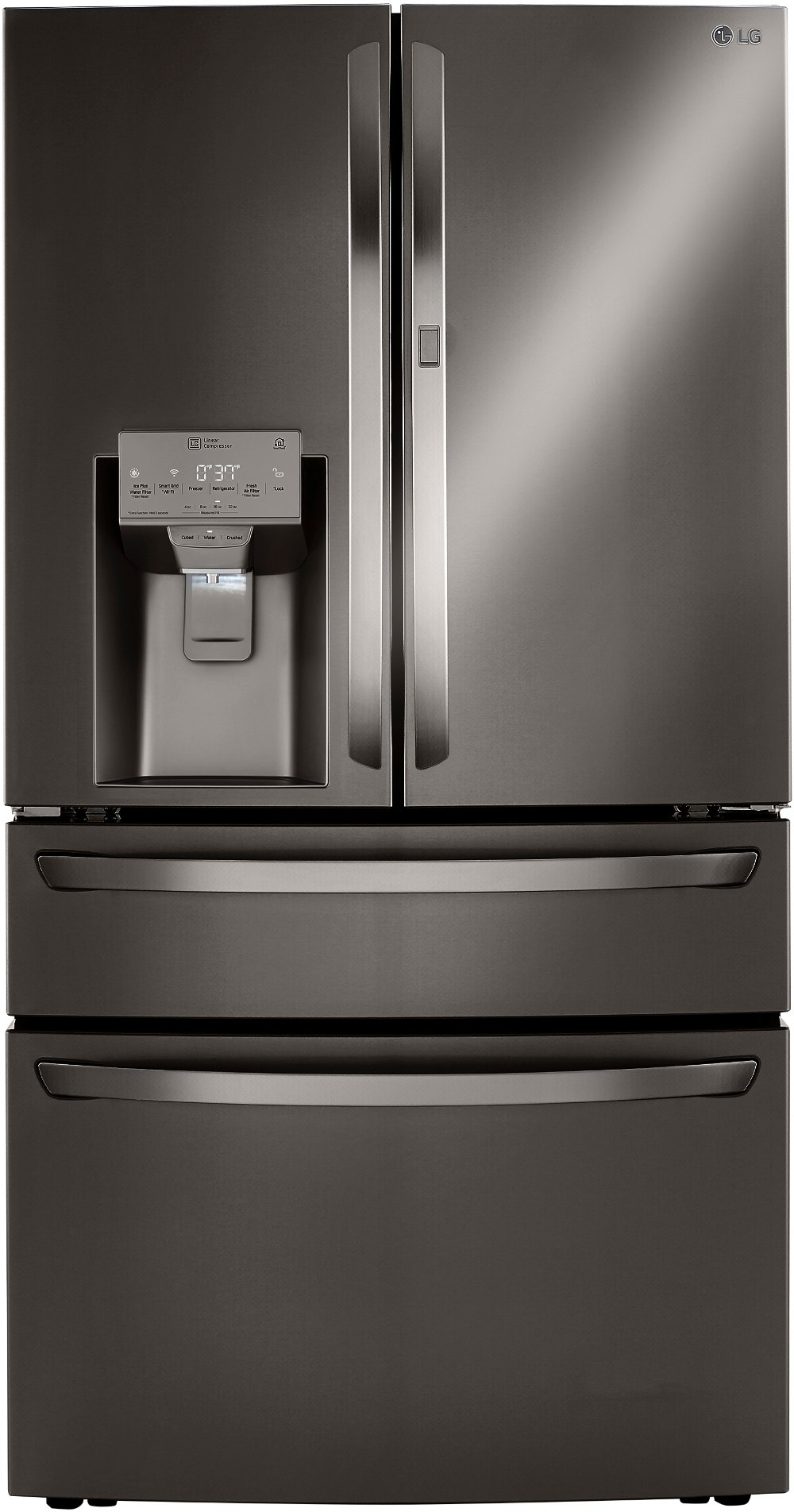
Regular care helps a coffee maker stay pleasant to use and keeps yesterday’s brew from influencing today’s cup. Removable brew baskets, reusable filters, drip trays, and water reservoirs make routine cleaning easier when their shapes allow you to reach corners and rinse away residue. Dishwasher compatibility varies by component, so care instructions matter even when two machines look similar. Coffee oils can collect on brewing parts, and mineral deposits can build up inside the water system; cleaning and descaling address different problems. Following the manufacturer’s recommended schedule, with attention to your water hardness and frequency of use, supports consistent brewing and helps protect the machine over time. Emptying used grounds or pods promptly and letting washed parts dry also keeps the coffee station tidy. For durability, everyday details deserve a close look: a reservoir that seats securely, a lid that opens smoothly, a stable base, and a carafe handle that feels comfortable when full. These are the parts you’ll touch repeatedly, often while juggling breakfast or getting ready for work. Ice is another part of the finished drink, not just something added at the end. Fresh ice made from good-tasting water helps preserve the coffee’s flavor, and the size of the pieces affects how they fit in your cup and how quickly they melt. For a kitchen where iced drinks are a daily habit, refrigerators with craft ice makers can complement the coffee station with shaped ice for serving, though larger pieces need enough room in the glass. A coffee maker with an iced setting can also be a thoughtful housewarming or graduation gift for someone who already enjoys iced coffee. Matching the machine to the recipient’s counter space, preferred brewing format, and willingness to clean reusable parts makes the gift more useful. Whether it’s part of a shared kitchen or a dedicated coffee corner, a well-matched machine makes room for your preferred drink without adding unnecessary steps to the day.
Read More