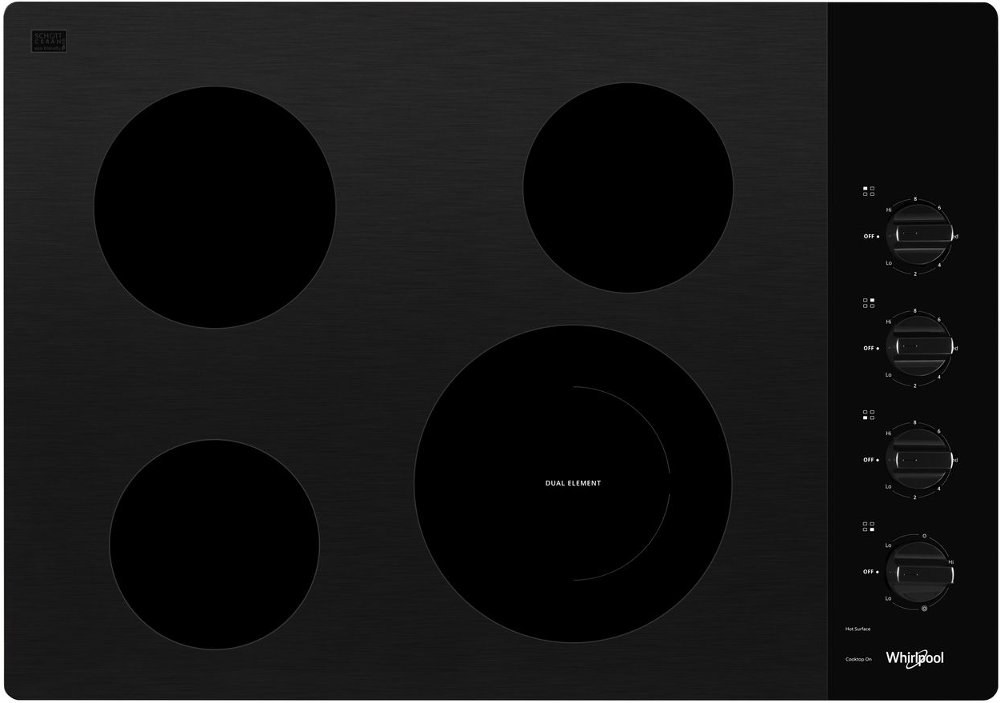
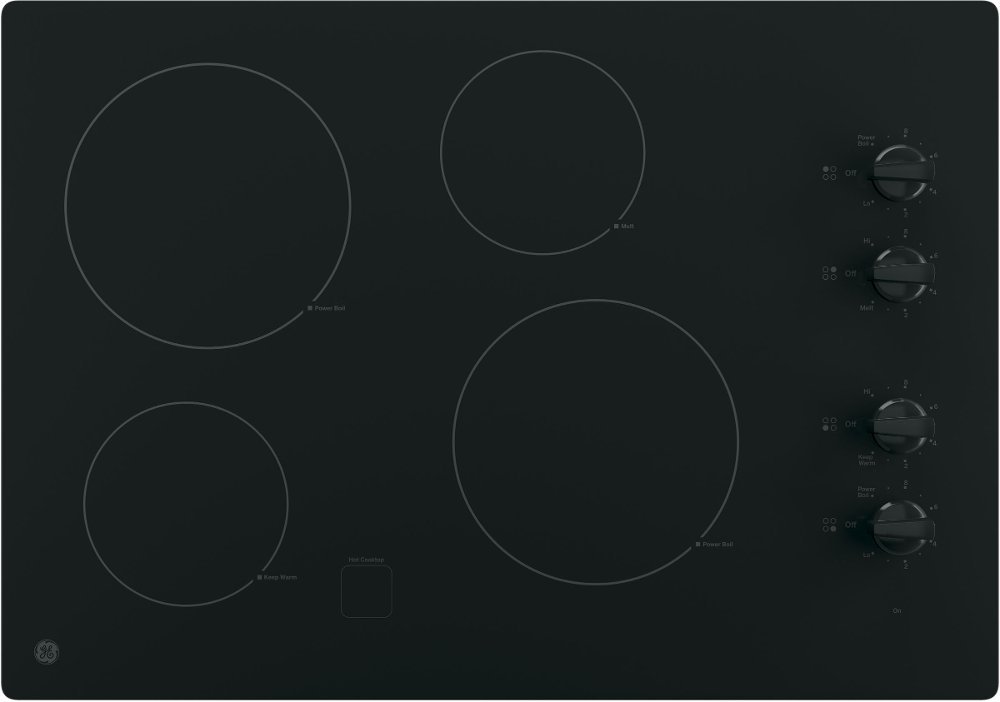
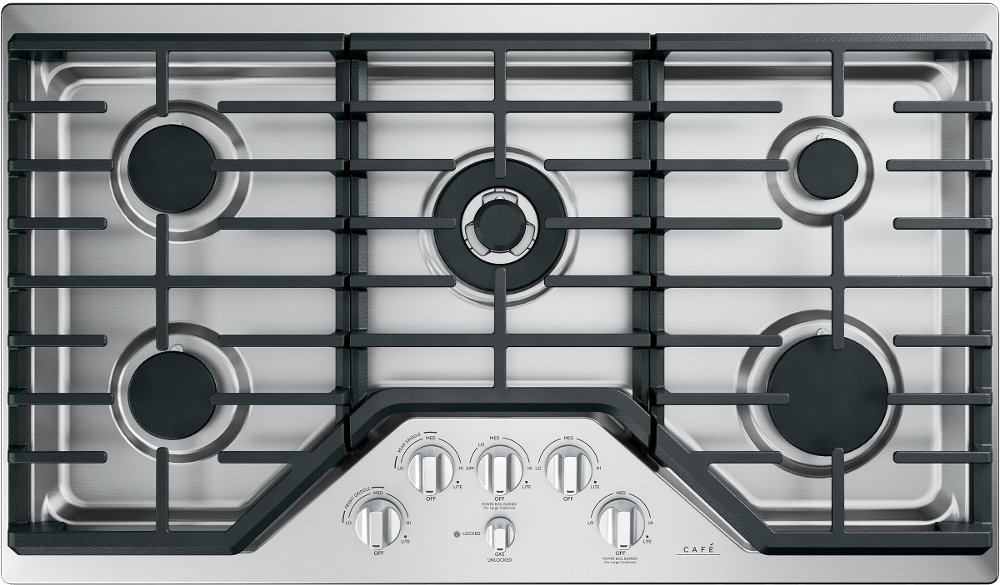
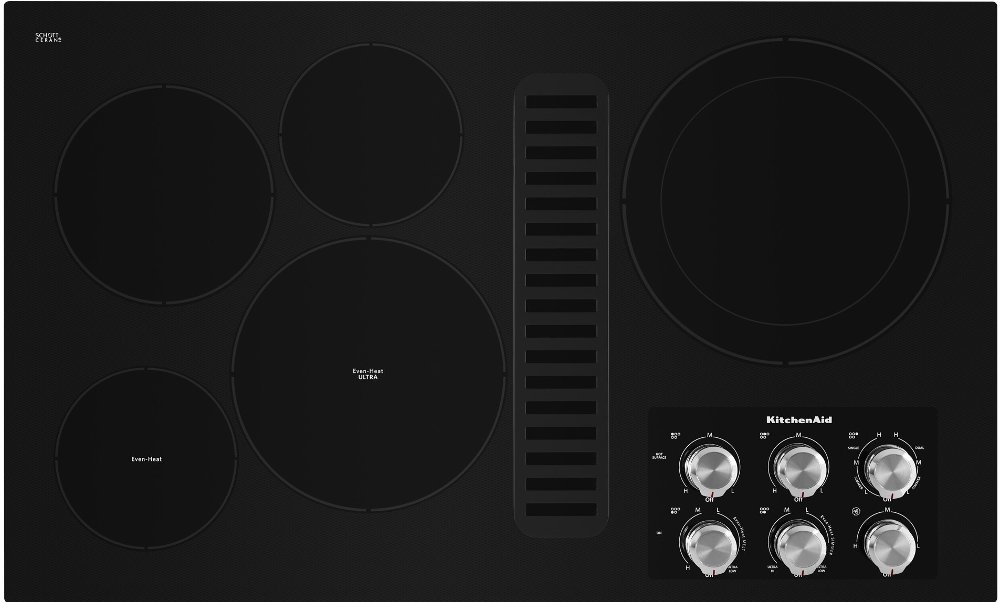
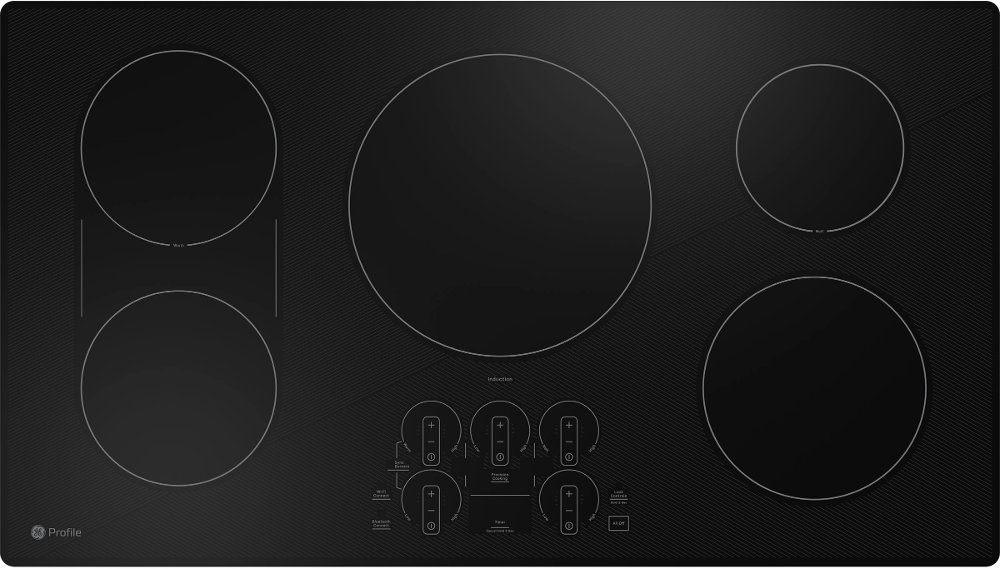
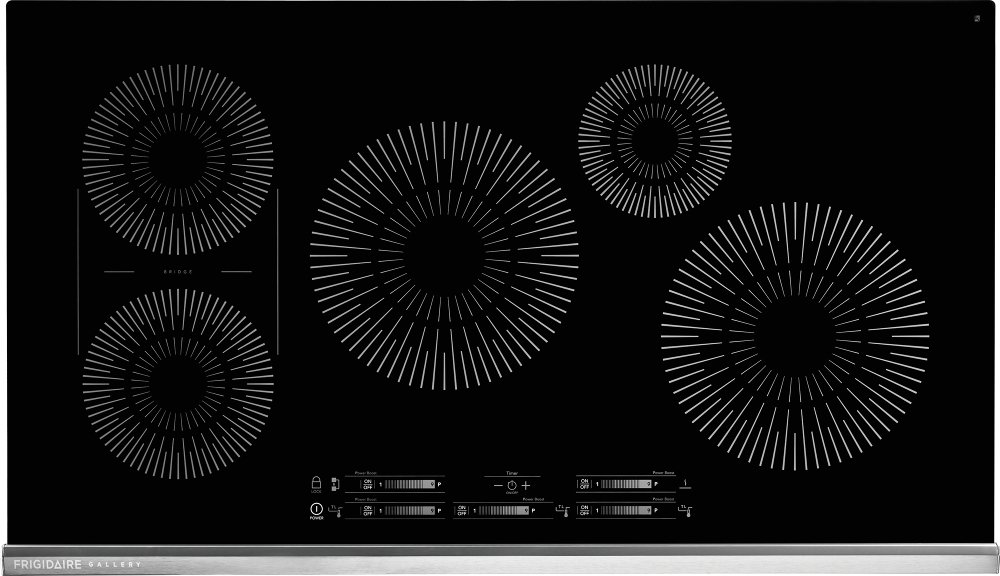
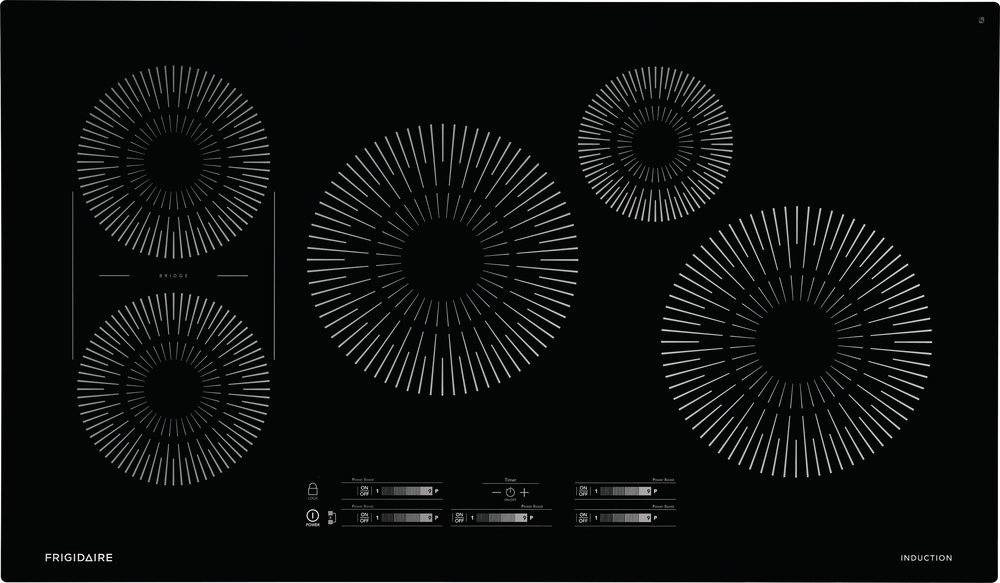
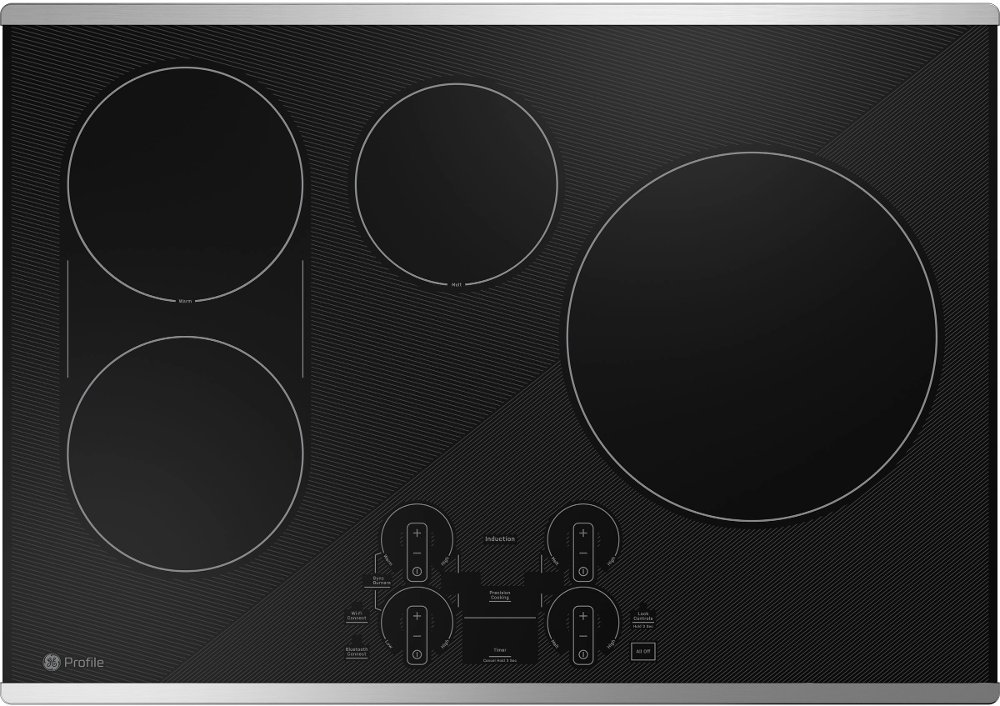
Integrated cooktops bring a clean, streamlined look to the kitchen by placing the cooking surface flush with, or visually integrated into, the surrounding countertop. Instead of standing above the counter with a pronounced frame, an integrated cooktop can sit nearly level with the work surface, creating a smooth transition from prep area to cooking zone. Some designs use a traditional glass or ceramic surface with clearly marked heating areas, while others use induction technology or advanced under-counter systems that conceal the cooking components beneath a compatible countertop material. When the cooktop is turned off, the surrounding area can feel more open and flexible, giving you extra room for chopping vegetables, arranging serving dishes, setting out snacks, or sharing a casual meal at the island. This understated appearance makes integrated cooktops especially appealing in contemporary kitchens, open-concept homes, and remodels where every visual line matters. They can also be a practical choice for anyone who prefers a less cluttered workspace, including busy households that move from breakfast preparation to homework, entertaining, and evening meals in the same central area. If you’re comparing sleek cooking surfaces for a kitchen refresh, explore Modern Cooktops to see how different styles can complement your layout and cooking habits.
Choosing the right integrated cooktop starts with understanding how you cook and what your kitchen can support. Induction cooktops heat compatible magnetic cookware directly, which can provide fast, responsive temperature changes while keeping the surrounding surface cooler than many traditional cooking methods. They’re a helpful fit for cooks who regularly boil water, sear meat, simmer sauces, or prepare several dishes at once, and they’re often appreciated by families because the smooth surface is easier to wipe down after a spill. Induction cooking does require magnetic cookware, so check your pots and pans with a simple magnet before installation or plan to update the pieces that don’t work. Radiant glass cooktops use electric heating elements beneath the surface and can accommodate a wider range of cookware, making them a familiar option for everyday meals. Flush-mounted models may be installed into a precisely cut countertop opening, while invisible or under-counter induction systems place the technology beneath specially rated porcelain or other approved surfaces. Because materials, thicknesses, ventilation needs, and heat tolerances vary, confirm compatibility with the cooktop manufacturer, countertop fabricator, and qualified installer before making a final decision. Electrical requirements deserve the same attention. Many electric and induction cooktops need a dedicated 240-volt connection, and some high-output systems may call for specific wiring, circuit capacity, or other electrical updates. Measuring the available space, reviewing the cutout dimensions, confirming the countertop material, and planning ventilation early can help your project move forward smoothly rather than leaving an expensive surprise behind the cabinets.
An integrated cooktop can make daily cooking feel more connected to the rest of the room. Picture a pot of soup simmering while vegetables are prepared beside it, with no raised rim collecting crumbs and no bulky appliance interrupting the view across the island. The continuous surface is generally simple to clean once it has cooled: lift away cookware, wipe up food and moisture with the care recommended for the material, and use an approved cleaner for stubborn residue. Smooth designs may reduce the crevices and drip areas found on older cooking surfaces, although spills should still be cleaned promptly and cookware should be moved carefully to protect the countertop and glass. Look for intuitive controls, clearly defined cooking zones, child-safety features, residual-heat indicators, and automatic shutoff functions that fit your household’s routines. A home cook who enjoys slow weekend breakfasts may value precise simmer control, while someone feeding a full household may prioritize multiple zones, quick heating, and easy cleanup after a busy dinner. Integrated cooktops can also suit entertainers who want the island to shift naturally from a preparation station into a serving area during the cooler months, when more meals and gatherings take place indoors. They’re less often given as a traditional gift than a personal kitchen upgrade, but they can be a thoughtful choice for newly built homes, major renovations, or a loved one creating a more accessible kitchen. Consider the placement of controls, viewing angles, reach distances, and available landing space around the cooking surface so the final setup feels comfortable as well as beautiful. With the right countertop, electrical plan, cookware, ventilation, and installation support, an integrated cooktop can provide an uncluttered centerpiece for everything from quick weekday meals to shared recipes prepared around the island.
Read More