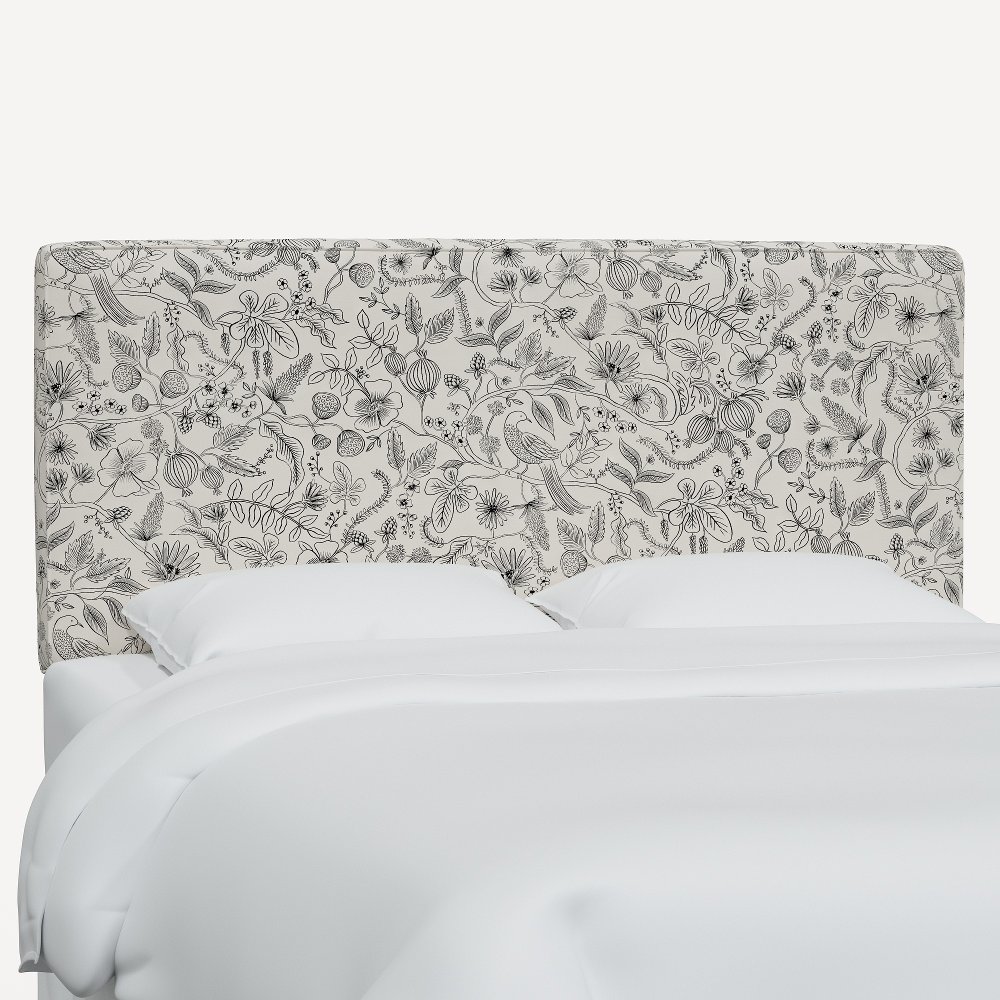
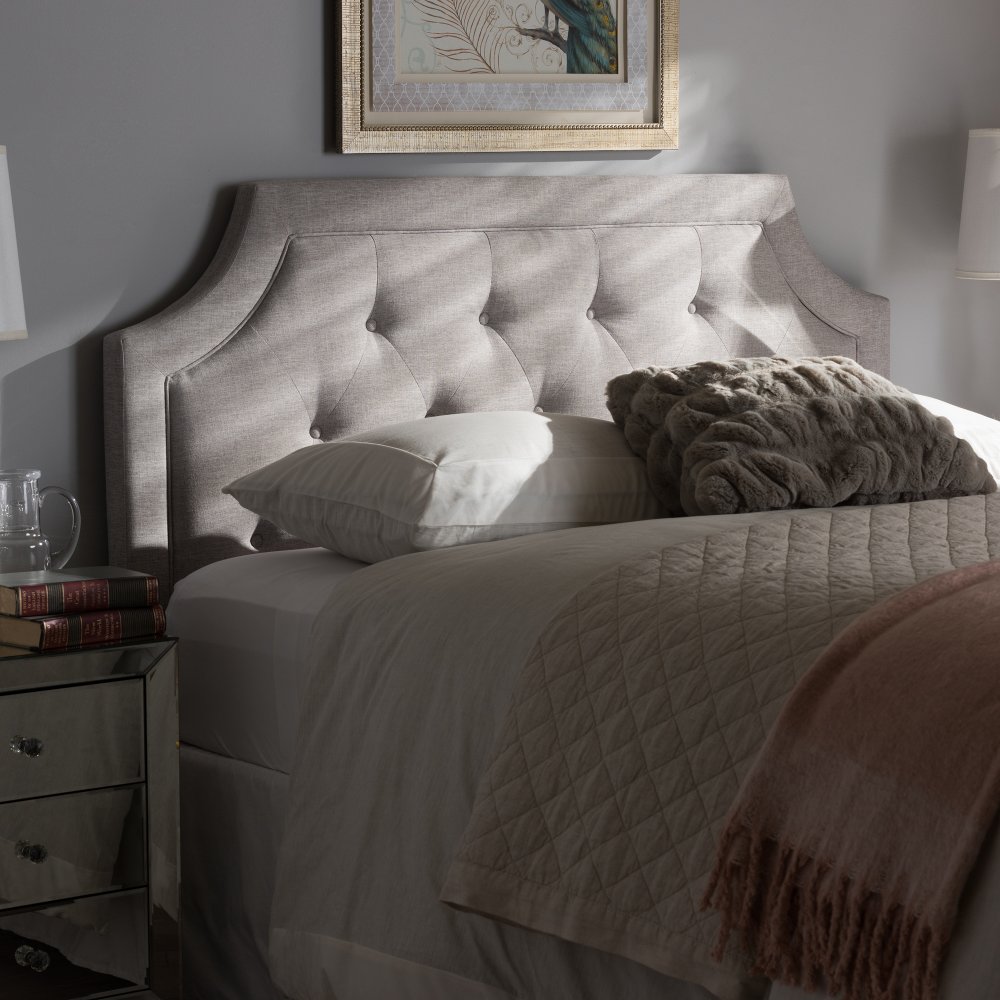
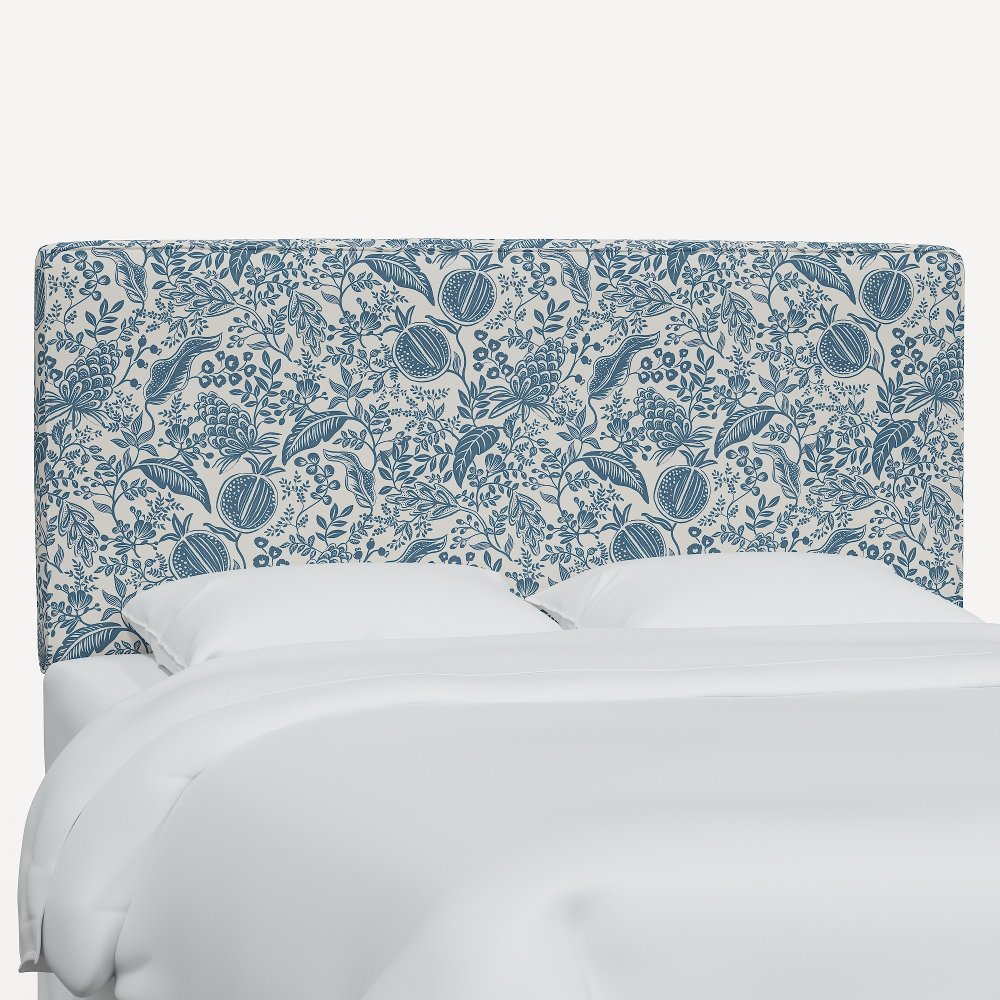
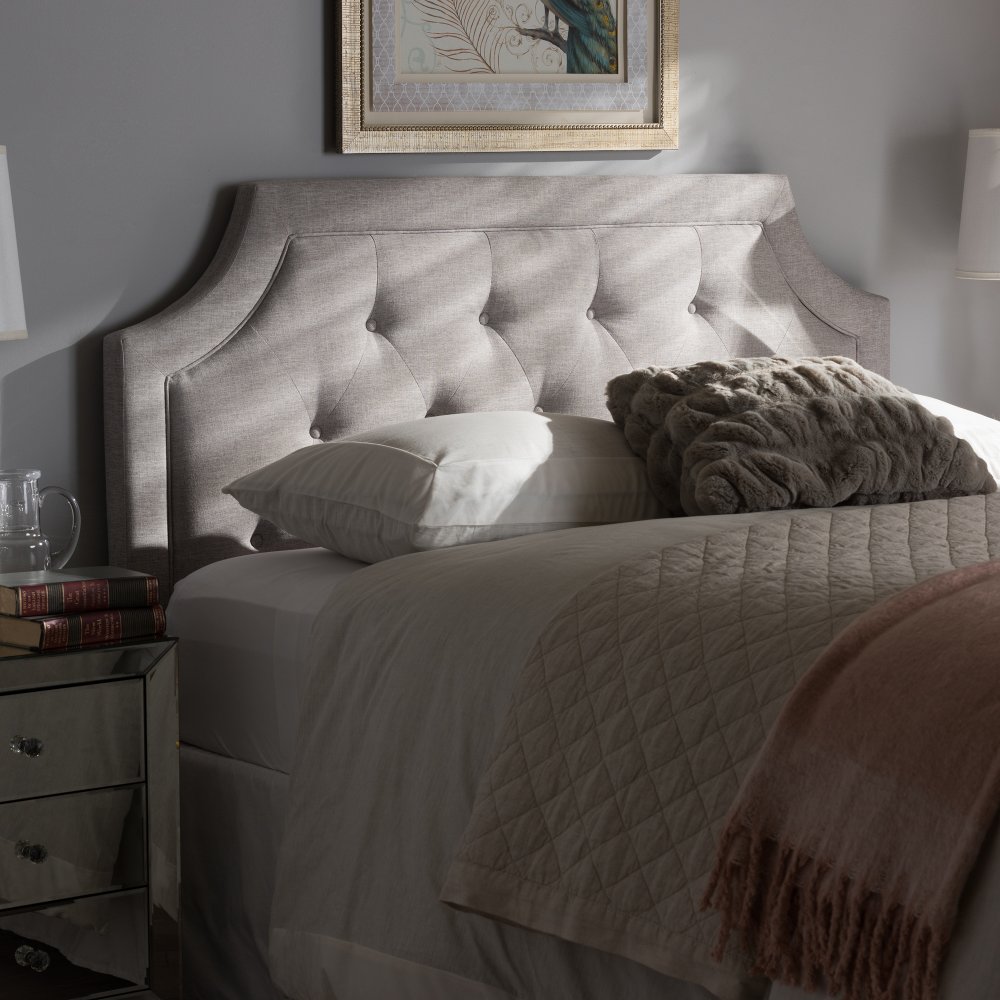
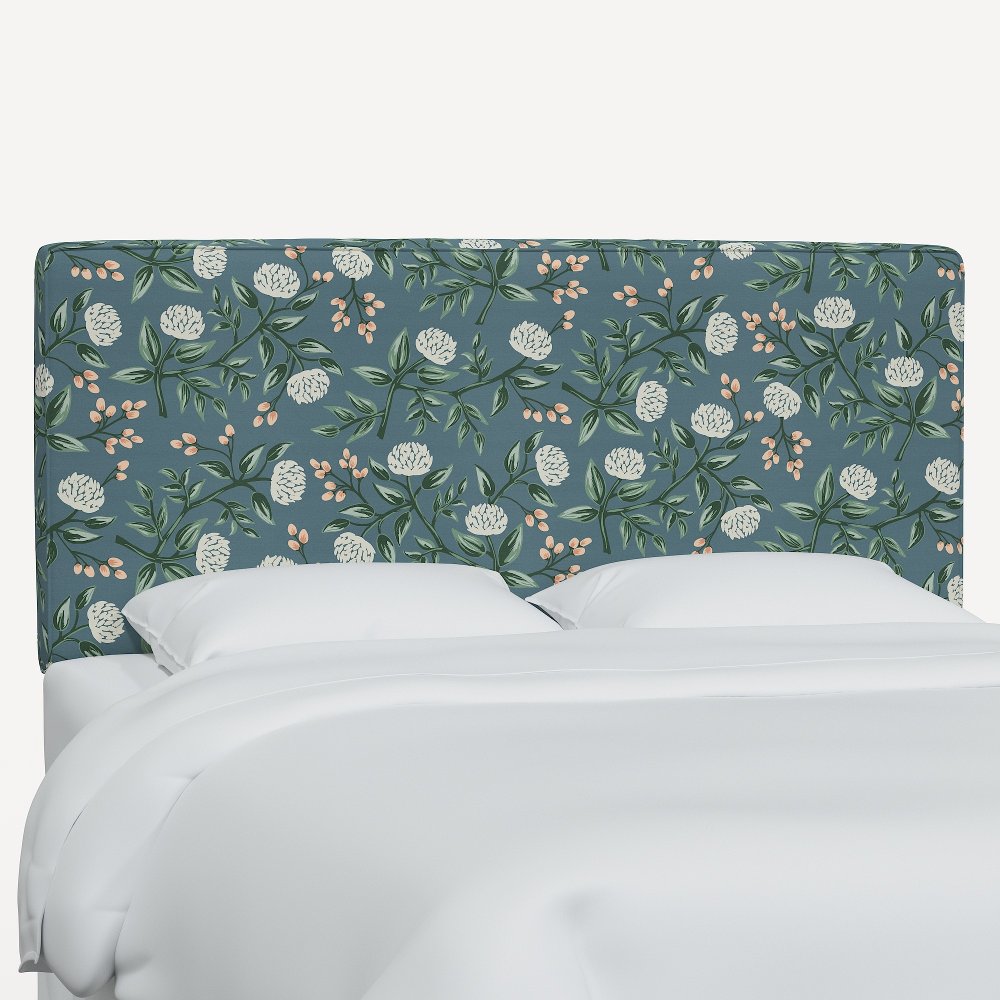
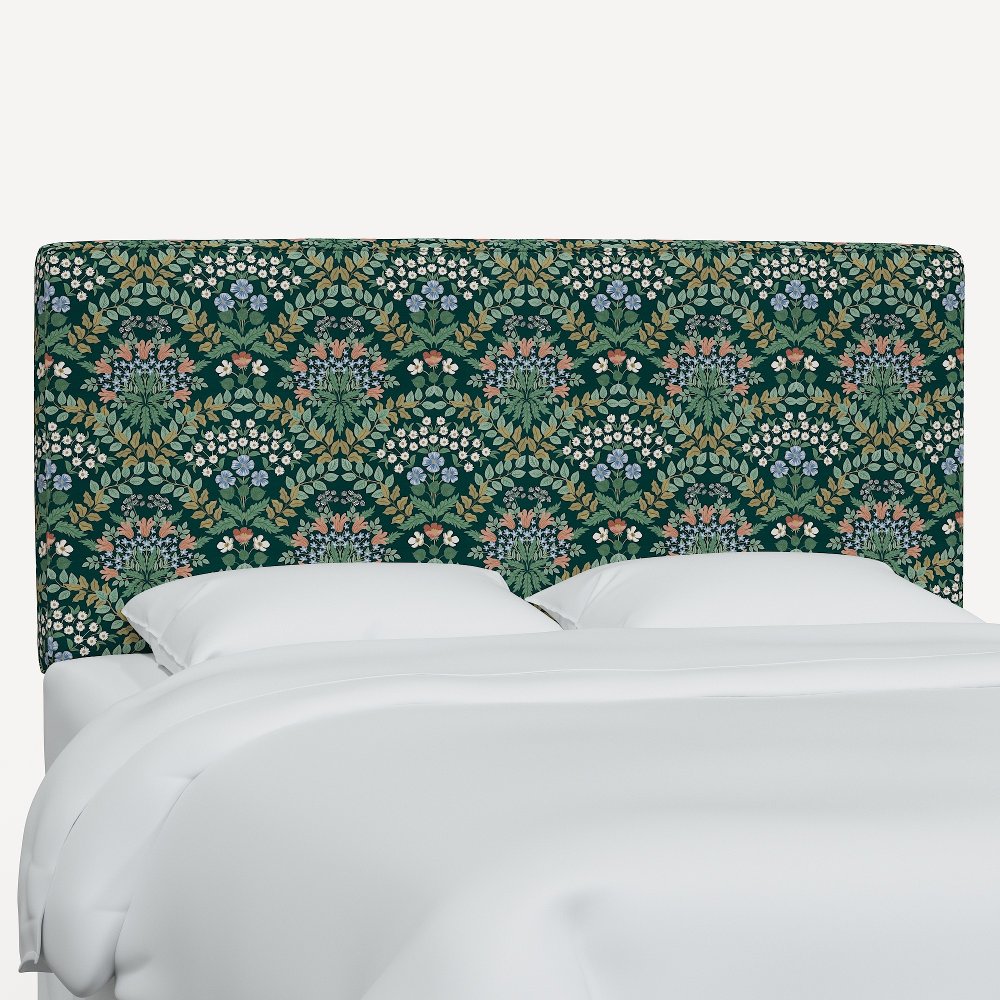
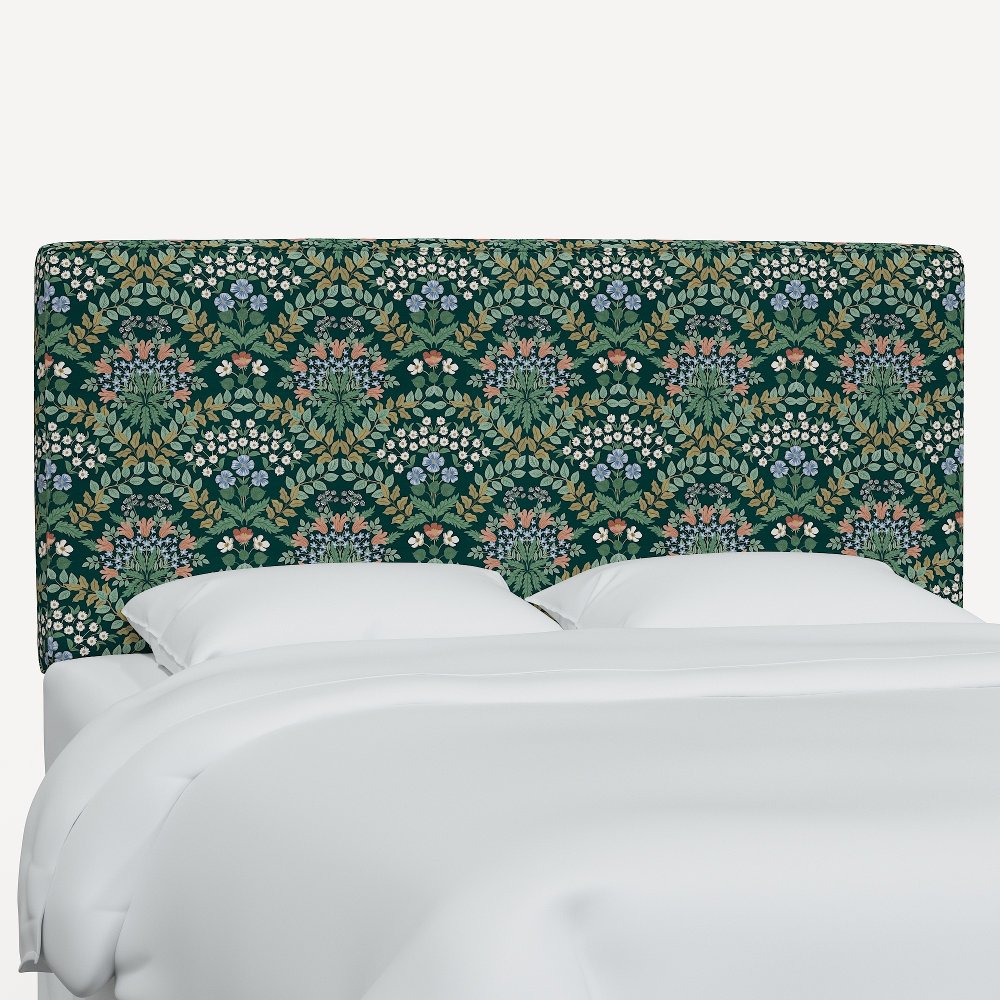
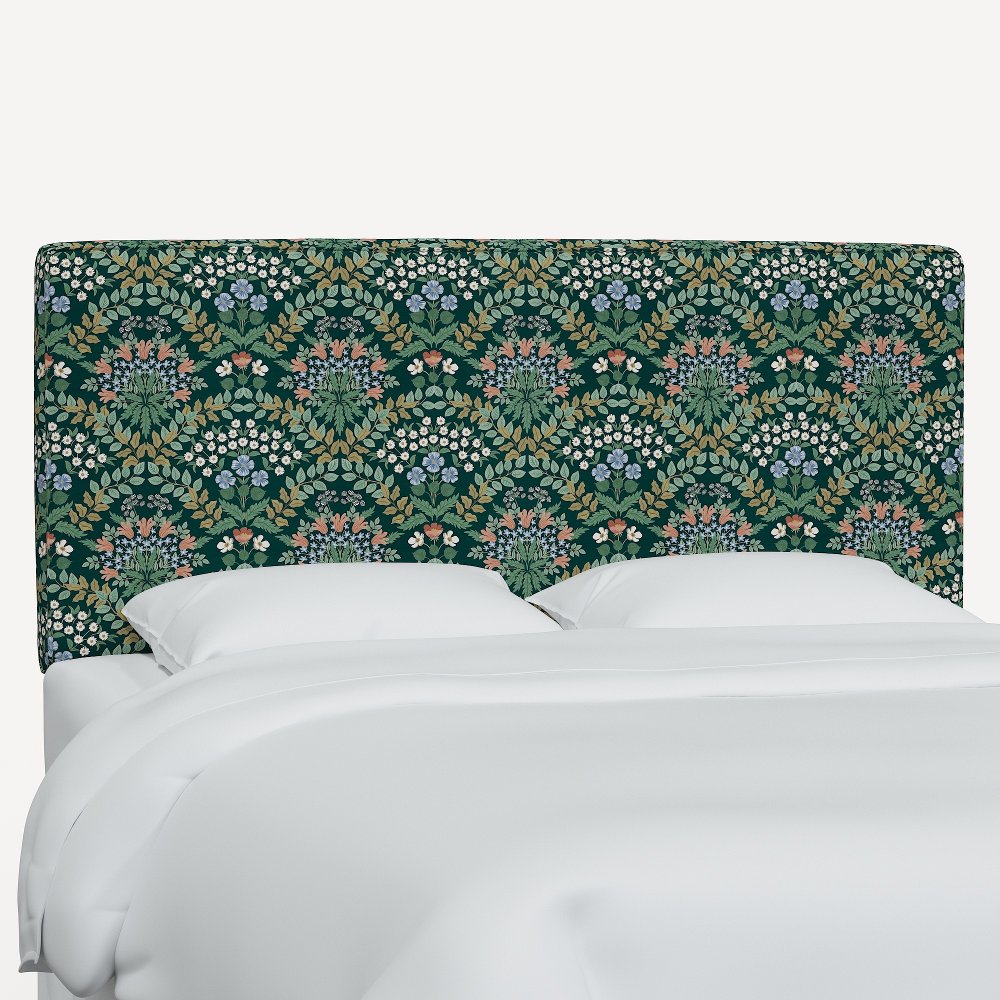
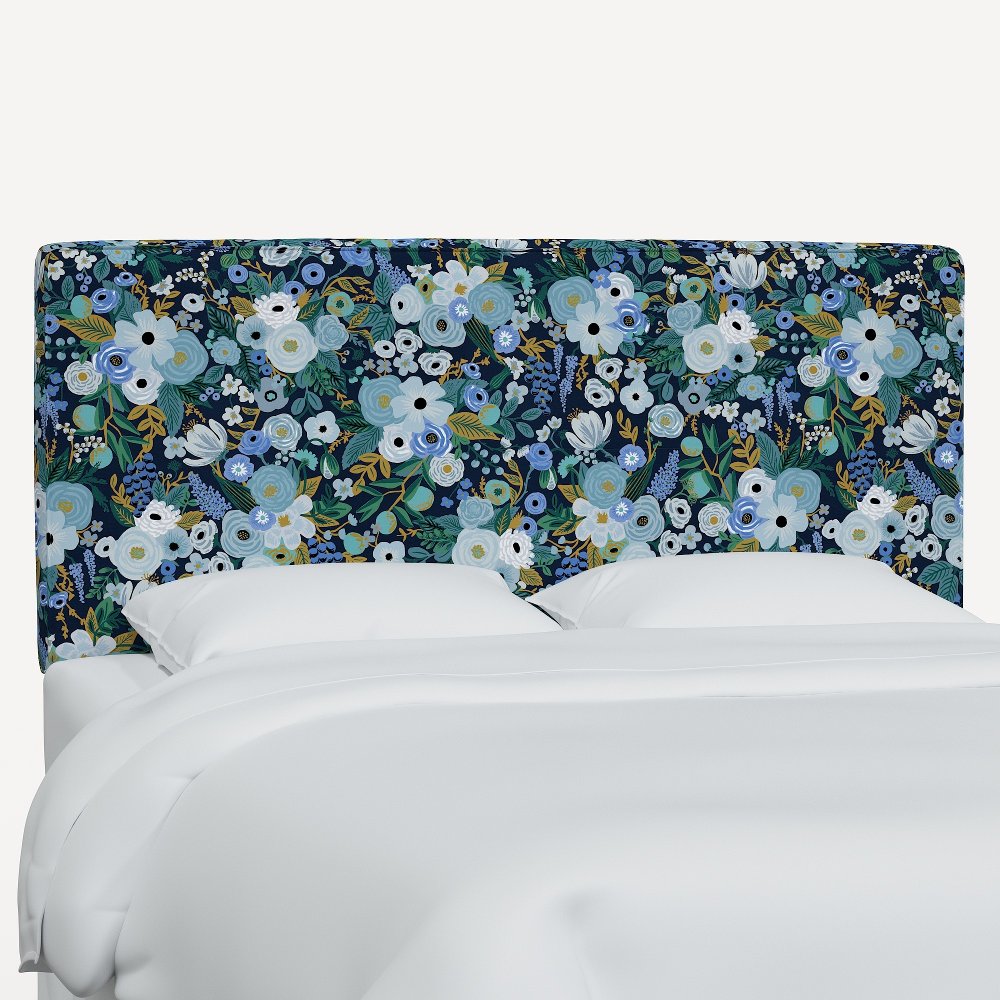
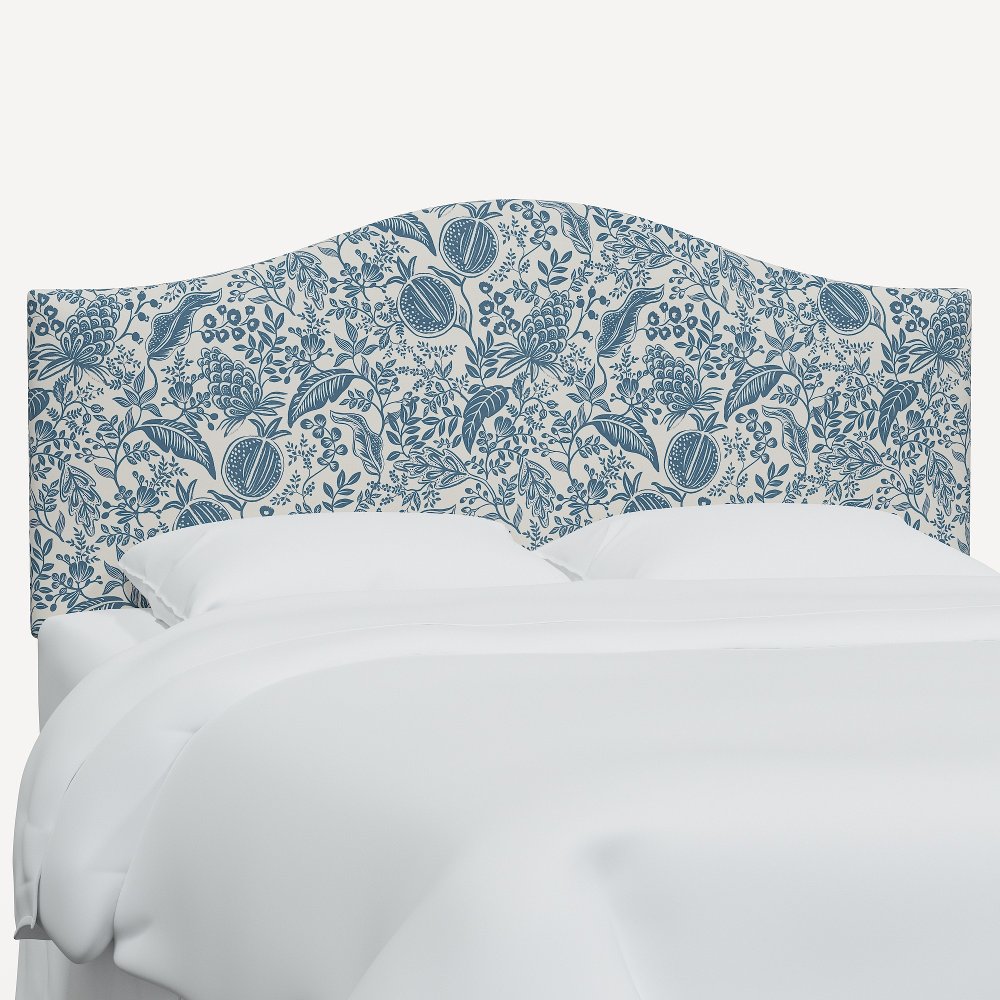
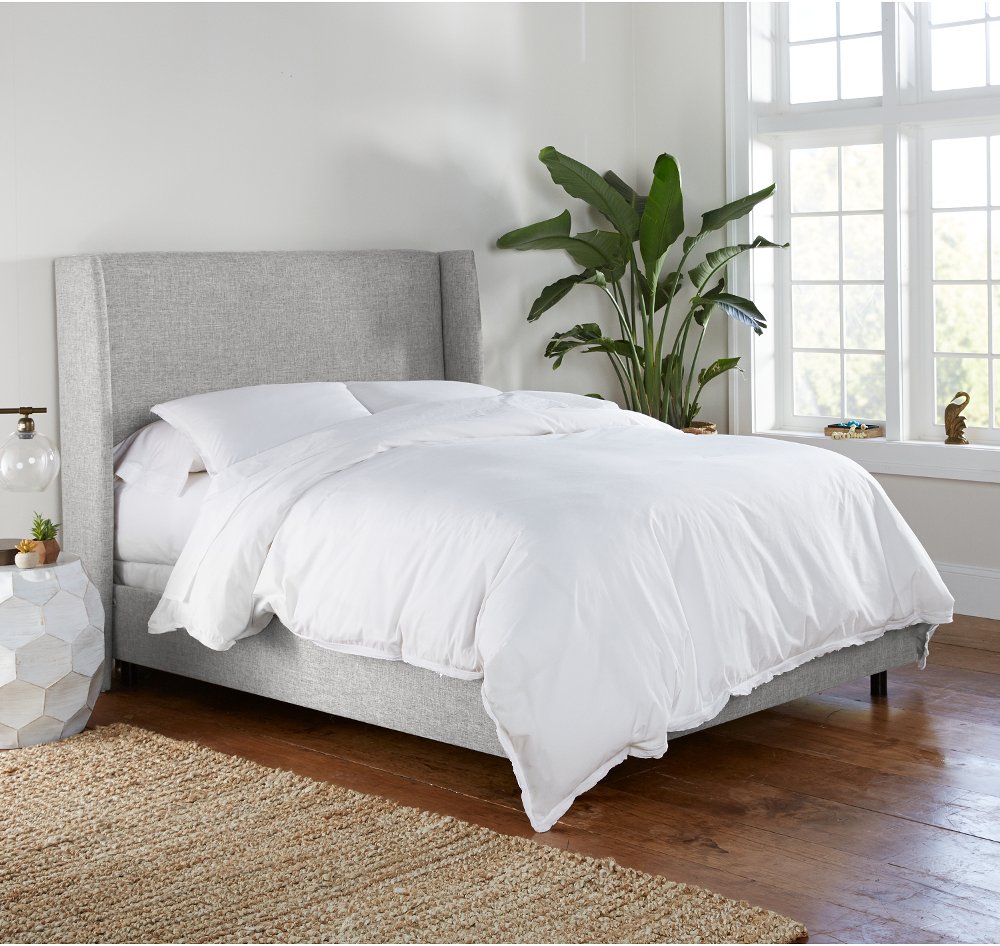
Adjustable headboards give you more flexibility when you’re building a comfortable, finished-looking bed. Unlike a fixed headboard with one permanent mounting position, an adjustable style typically uses pre-drilled holes, movable brackets, or telescoping legs so you can change the headboard’s overall height. That extra range helps you create a balanced look with different mattress depths, bed frames, foundations, and toppers. Before choosing one, measure your mattress from the bottom edge to the top surface, including any pillow top, foam topper, or other added layer you plan to use. Then measure from the floor to the top of your bed frame or foundation, along with the distance from the frame’s mounting holes to the floor. These measurements help you determine whether the headboard will sit at the height you prefer and whether it will cover the wall space behind the bed without looking too low or too tall. Many adjustable headboards fall within a range of roughly 38 to 54 inches, although the exact adjustment points vary by design. A lower setting can create a clean, understated profile in a guest room or smaller bedroom, while a higher setting can bring more visual weight and comfort to a primary bedroom. If you enjoy reading, watching television, or catching up on a favorite podcast from bed, look for a padded surface that gives you a comfortable place to rest against. Upholstered materials can also soften a room filled with hard surfaces, while wood, metal, or mixed-material designs can add structure and definition. Color matters, too. Neutral shades can settle easily into changing décor, and a classic silhouette such as Transitional Headboards can bridge traditional and contemporary furnishings as your style evolves. Adjustable headboards suit a wide range of sleepers and spaces, including children’s rooms, college apartments, guest bedrooms, and primary suites. They can also make a thoughtful housewarming or wedding gift when you know the recipient’s mattress size and bedroom style. Because the height can be fine-tuned, the headboard remains useful if the recipient replaces a foundation, adds a topper, or changes to a thicker mattress later.
Compatibility deserves careful attention, especially if you’re pairing an adjustable headboard with a motorized sleep base. An adjustable headboard and an adjustable bed base are not automatically the same thing. A height-adjustable headboard may simply allow the panel to move up or down during installation, while an adjustable base raises the head or foot of the mattress with an electric motor. If you use an articulating base, confirm that the headboard is specifically designed for that setup or that the mounting system leaves enough clearance for the mattress and base to move safely. A frame-mounted headboard that sits too close to an articulated mattress can interfere with movement, place pressure on the frame, or create unwanted contact with the wall. Wall-mounted headboards take a different approach by attaching directly to the wall, which can bypass some frame-clearance concerns, but they require secure installation into appropriate wall support and careful placement behind the bed. Always review the assembly instructions for the headboard, bed frame, foundation, and base before combining components. Check the recommended mattress sizes—Twin, Full, Queen, King, or another size—and verify that the width aligns with your frame. If you’re replacing an existing headboard, compare the bolt spacing and mounting hardware rather than assuming the new piece will attach to the same holes. Some upholstered panels include hidden zipper or hook-and-loop compartments on the back where legs, brackets, or hardware are stored, so inspect the packaging and the rear of the headboard before disposing of anything. During installation, have a second person help support the panel, especially for wider sizes, and tighten fasteners gradually so the headboard stays level. Leave enough room for bedding to move naturally, and consider the placement of nightstands, reading lamps, outlets, and wall décor before finalizing the position. These small checks can make the finished room feel intentional instead of crowded. As the weather turns cooler and bedrooms become especially inviting places to rest, a well-fitted headboard can add warmth, comfort, and a more complete look without requiring a full room makeover. Choose the adjustment range, mounting style, materials, and proportions that fit the way you live, and you’ll have a dependable backdrop for restful nights, slow mornings, and everyday routines.
Read More