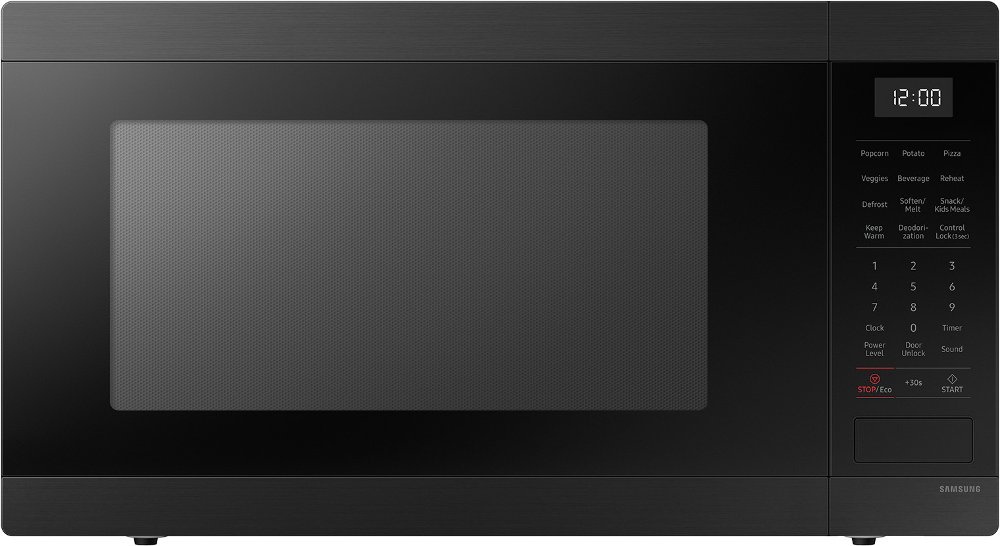
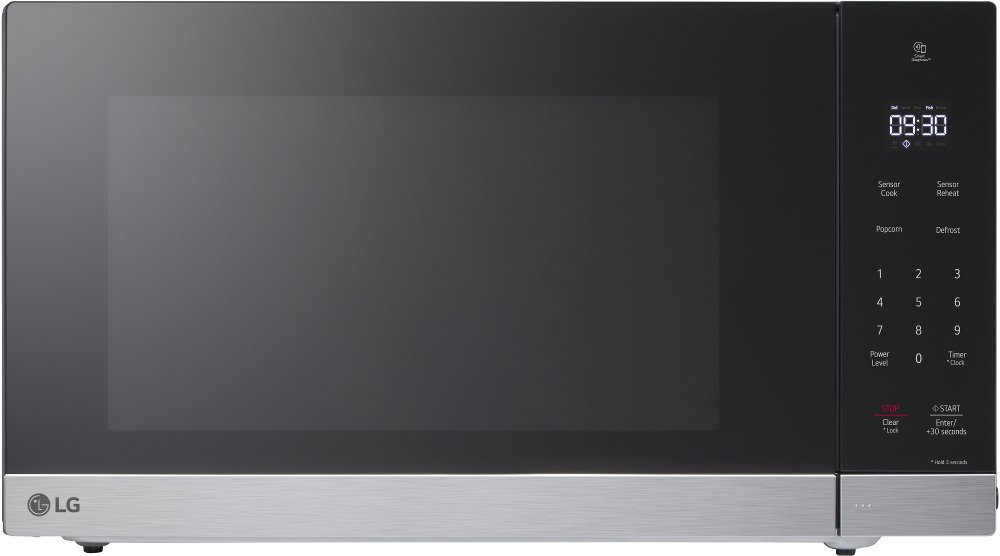
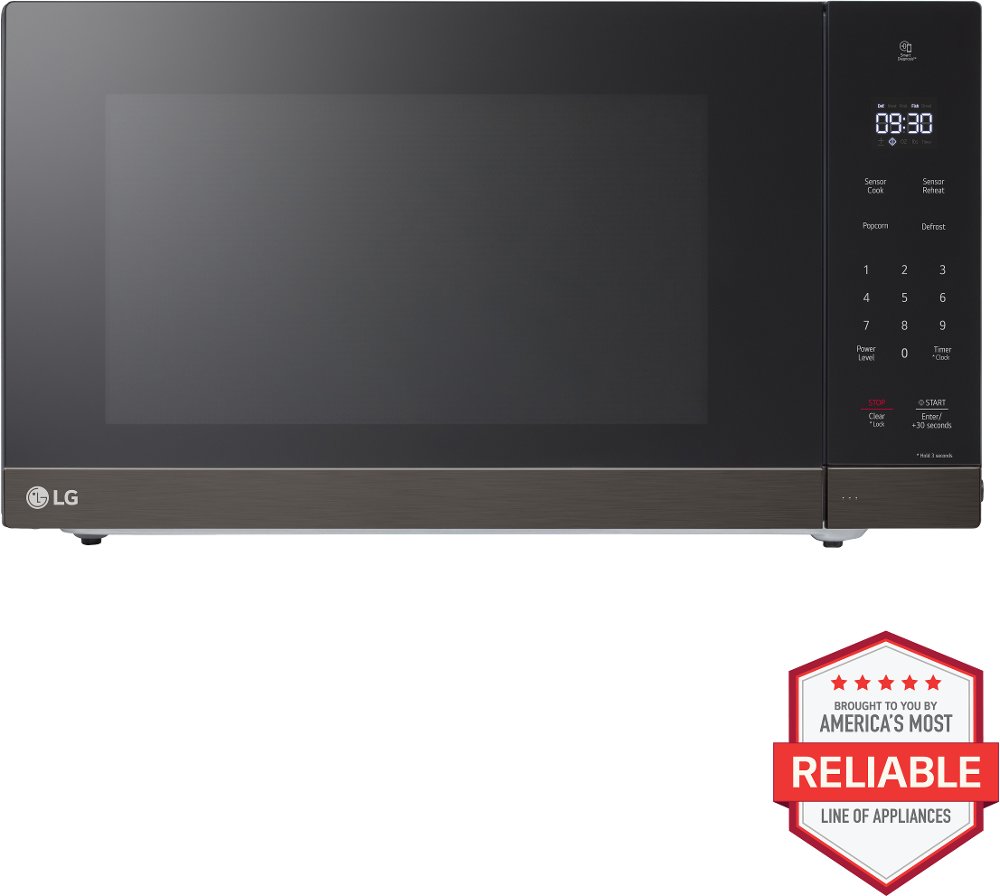
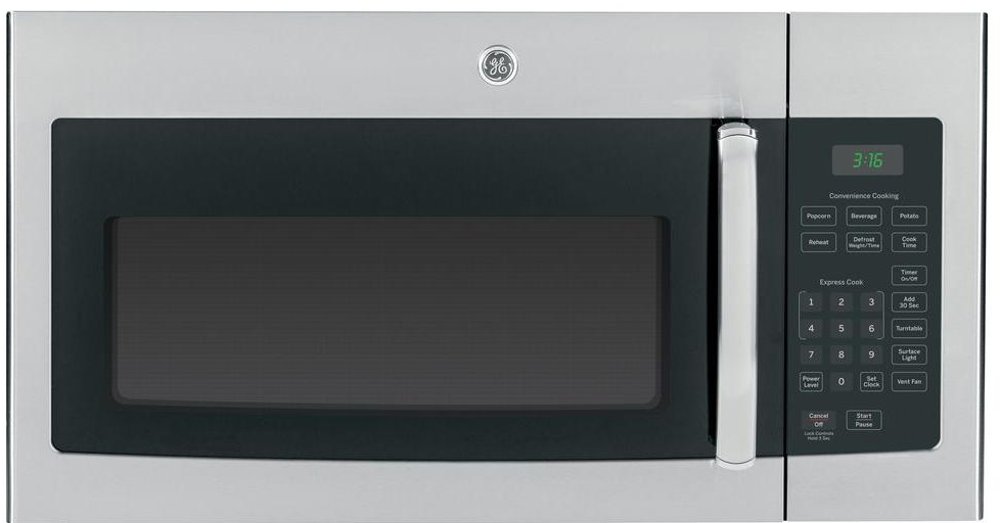
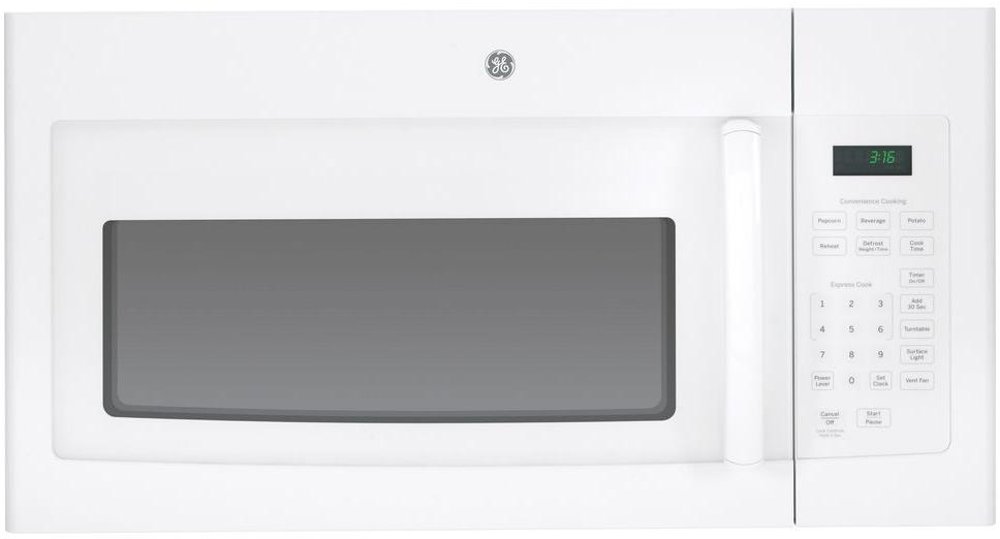
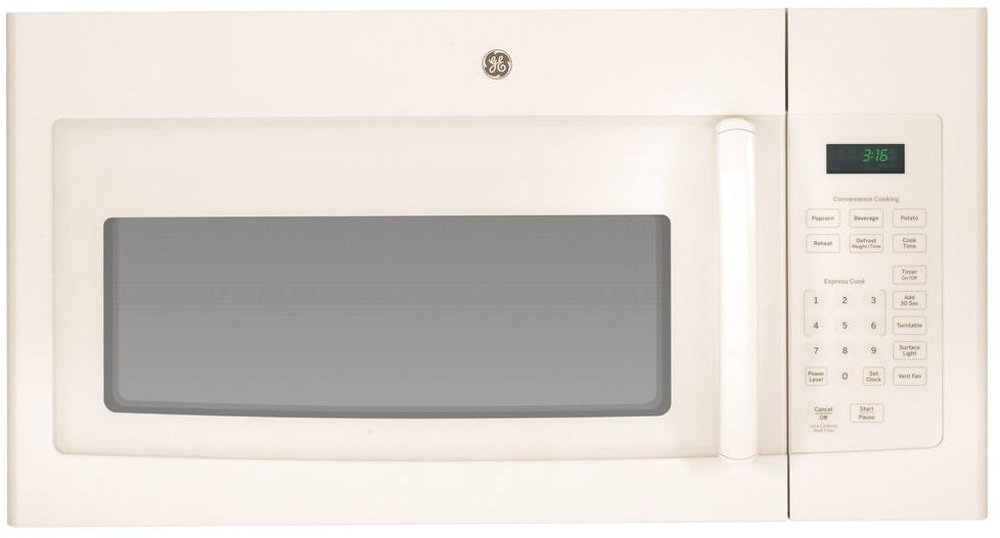
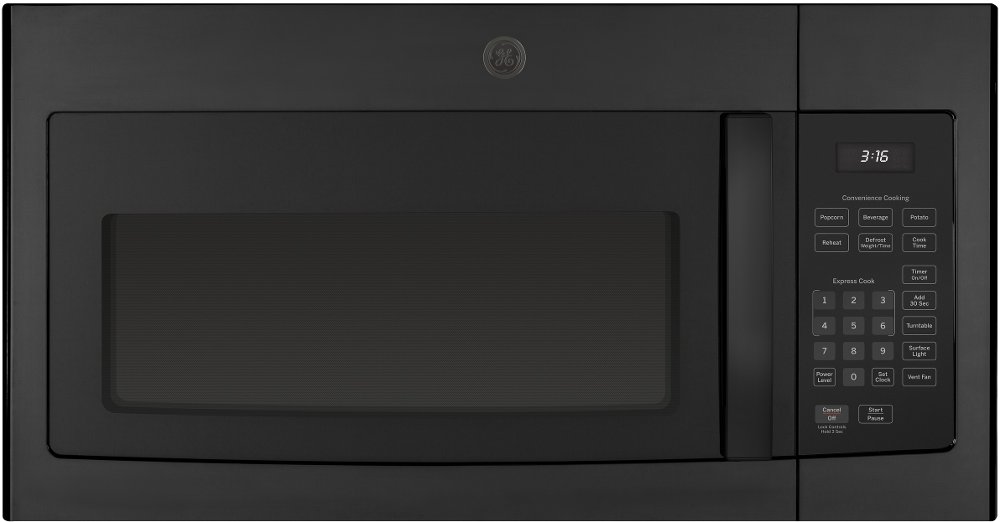
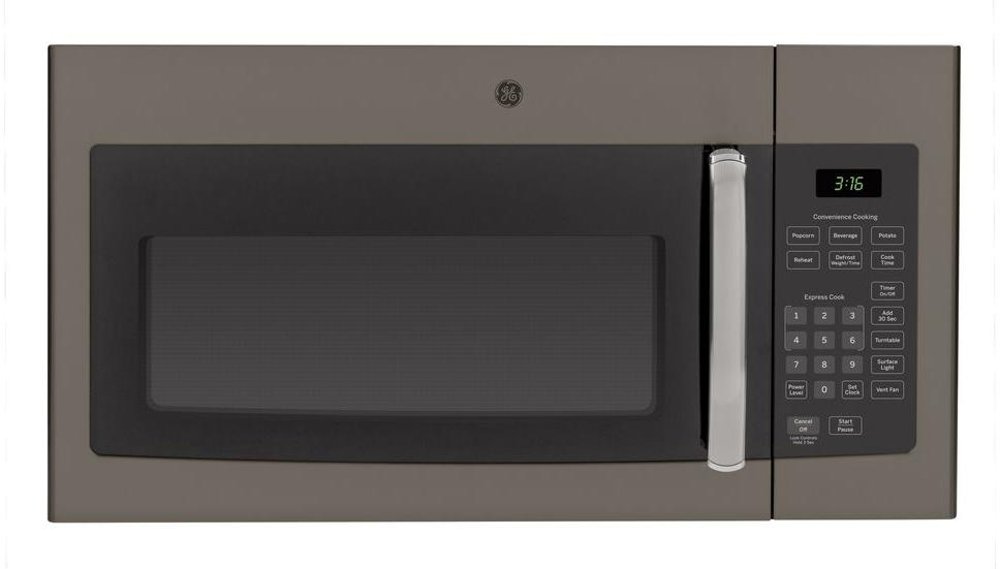
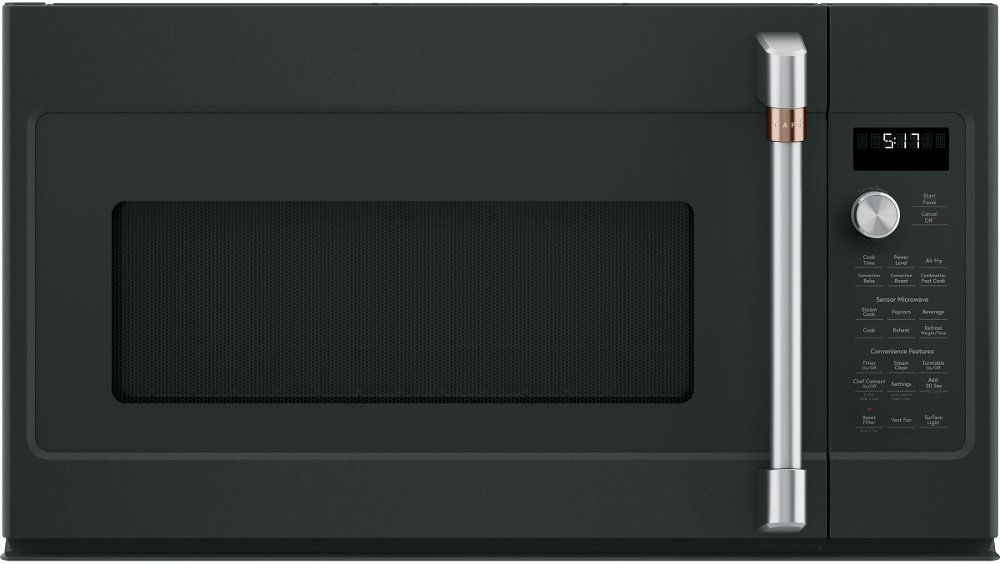
Large capacity microwaves give everyday meals a little more breathing room, with interiors designed to accommodate wide dinner plates, deeper bowls, and family-size portions. Many large residential microwaves offer approximately 1.7 to 2.2 cubic feet of interior capacity, although the usable space depends on the shape of the cavity, the turntable diameter, and the placement of interior components. That extra room can make a difference when you’re reheating a plate of chicken and vegetables, softening ingredients for a weekend baking project, or warming a microwave-safe casserole straight from the refrigerator. Larger households often appreciate the flexibility, but a spacious microwave is just as useful for someone who meal preps several days at a time or regularly eats from oversized dinnerware. Capacity measures interior volume, not the size of every dish that will fit, so a wide rectangular container may need more clearance than its volume suggests. A casserole dish with handles, for example, needs room for the handles as well as the dish itself. In a microwave with a rotating turntable, the entire container needs to turn without touching the walls. Turntable diameter and usable interior dimensions are therefore worth comparing alongside the cubic-foot measurement. For a focused look at a common size within this category, 2 Cu Ft Microwaves offer a helpful starting point for kitchens that regularly handle generous portions. A larger interior doesn’t automatically mean a taller opening, either; covered bowls and upright microwave-safe containers need adequate height. The best fit leaves room for the foods you actually prepare, whether that’s a broad plate of leftovers after a busy evening or a deep bowl of soup during cooler weather. Extra capacity is especially practical when it lets you use familiar microwave-safe serving dishes rather than transfer food into smaller containers, cutting down on handling and cleanup without complicating your routine.
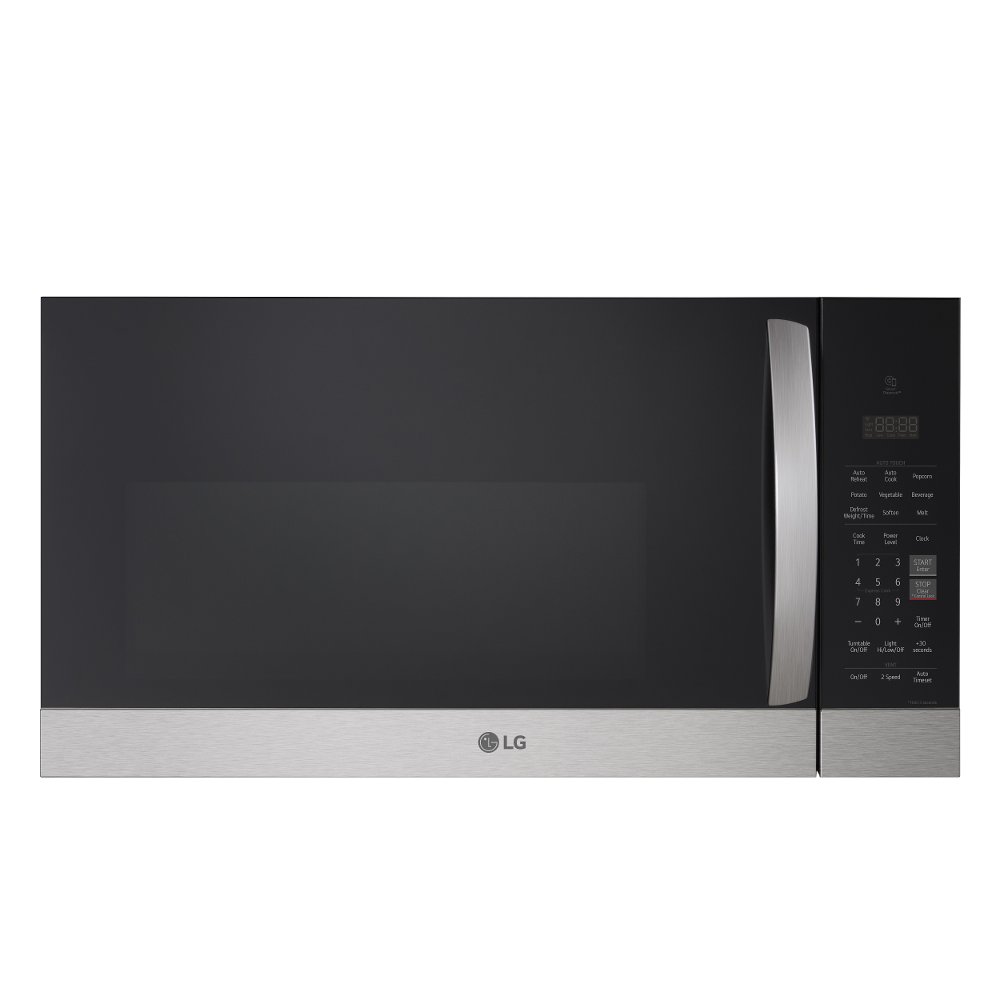
The right installation style helps a large microwave feel like part of the kitchen rather than an obstacle in it. Large countertop microwaves sit on a suitable, stable surface and work well where there’s enough depth for the appliance, the power cord, and the ventilation clearances specified by the manufacturer. Their substantial footprint deserves attention: the cabinet may extend farther back than expected, and the door needs space to swing open comfortably. Leaving a convenient landing area nearby makes it easier to set down a hot bowl or support a heavier dish with both hands. Large over-the-range microwaves preserve countertop workspace by installing above a compatible cooking surface, typically combining microwave cooking with a cooktop light and ventilation fan. Their fit depends on cabinet spacing, mounting requirements, and the required clearance above the range. Venting arrangements also vary; a unit configured to exhaust outdoors has different installation needs from one that recirculates filtered air into the room. Built-in microwaves offer another way to keep counters clear, with installation in a designated cabinet opening or an approved enclosure. Only appliances designed or specifically approved for built-in use should go into cabinetry, and a compatible trim kit may be required. Across these styles, exterior width, height, and depth matter just as much as interior capacity. A roomy cavity won’t be useful if the door catches an adjacent cabinet pull or the controls sit too high to read easily. Installation height is especially important when lifting hot liquids or serving dishes, since a comfortable reach supports safer handling. Electrical requirements and outlet placement should also match the installation instructions, with professional installation when the setup calls for it. For shared kitchens, busy family spaces, and homes where several people prepare food throughout the day, a clear display, easy-to-grip handle, and controls that are simple to understand can be more valuable than a long menu of settings. A well-placed microwave supports the way people move between the refrigerator, prep area, and table.
Cooking power, interior materials, and everyday care help determine how satisfying a large capacity microwave is to use over time. Many full-size microwaves provide roughly 1,000 to 1,200 watts of cooking power, though output varies, and wattage alone doesn’t guarantee even heating. Food density, portion size, container shape, and stirring or standing time all affect the result. A broad bowl of vegetables behaves differently from a thick serving of lasagna, so adjustable power levels are useful for warming food more gently, softening butter, or defrosting ingredients without relying on full power for every task. Sensor cooking or reheating functions, when included, can adjust operation based on conditions such as moisture released by food, but they don’t replace checking that a meal has heated thoroughly. Larger portions still benefit from stirring, rearranging, and following recommended standing times; a food thermometer is the reliable way to check safe temperatures when needed. Some spacious microwaves also include convection cooking, which circulates heated air for baking or browning in an approved mode. Those functions have their own cookware and clearance requirements, so accessories and containers should match the selected cooking method. For everyday microwave heating, use microwave-safe glass, ceramic, or appropriately labeled containers, and follow the appliance instructions regarding metal and racks. Interiors may feature coated surfaces, enamel, or stainless steel, each with specific cleaning recommendations. Smooth walls and a removable turntable can simplify wiping up oatmeal splashes or tomato sauce before residue dries in place. Gentle cleaning with a soft cloth helps protect finishes, while abrasive pads and harsh chemicals can damage surfaces. Exterior stainless steel, fingerprint-resistant finishes, and painted surfaces also benefit from care suited to their material. Keeping vents clear, maintaining filters where applicable, and treating the door and latch gently support dependable operation. Durable construction matters, but so does a design that’s easy to keep clean after daily use. With room for familiar dishes, accessible controls, and features suited to your cooking habits, a large microwave can handle everything from a quick breakfast to the side dishes that round out a shared dinner.
Read More