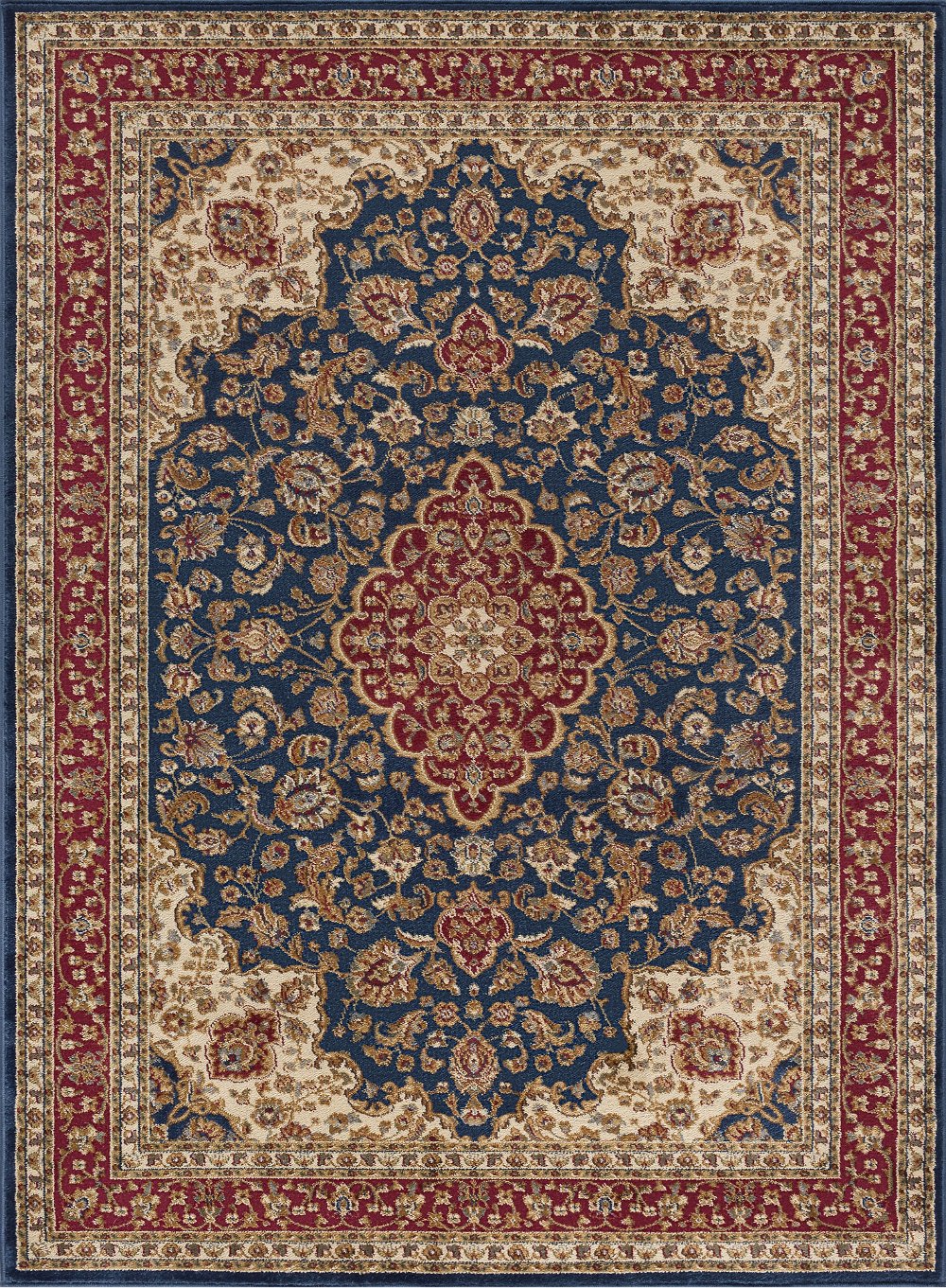
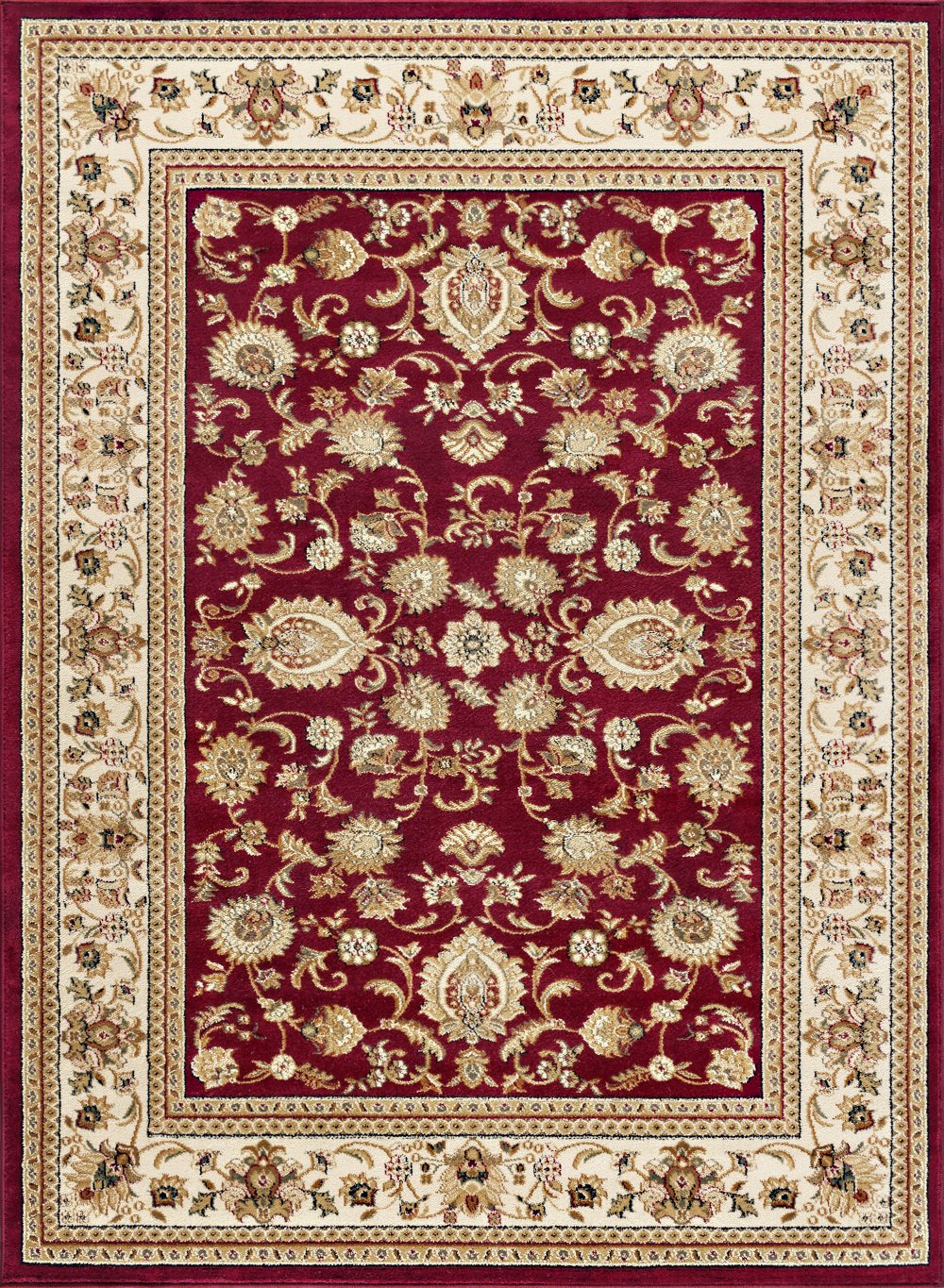
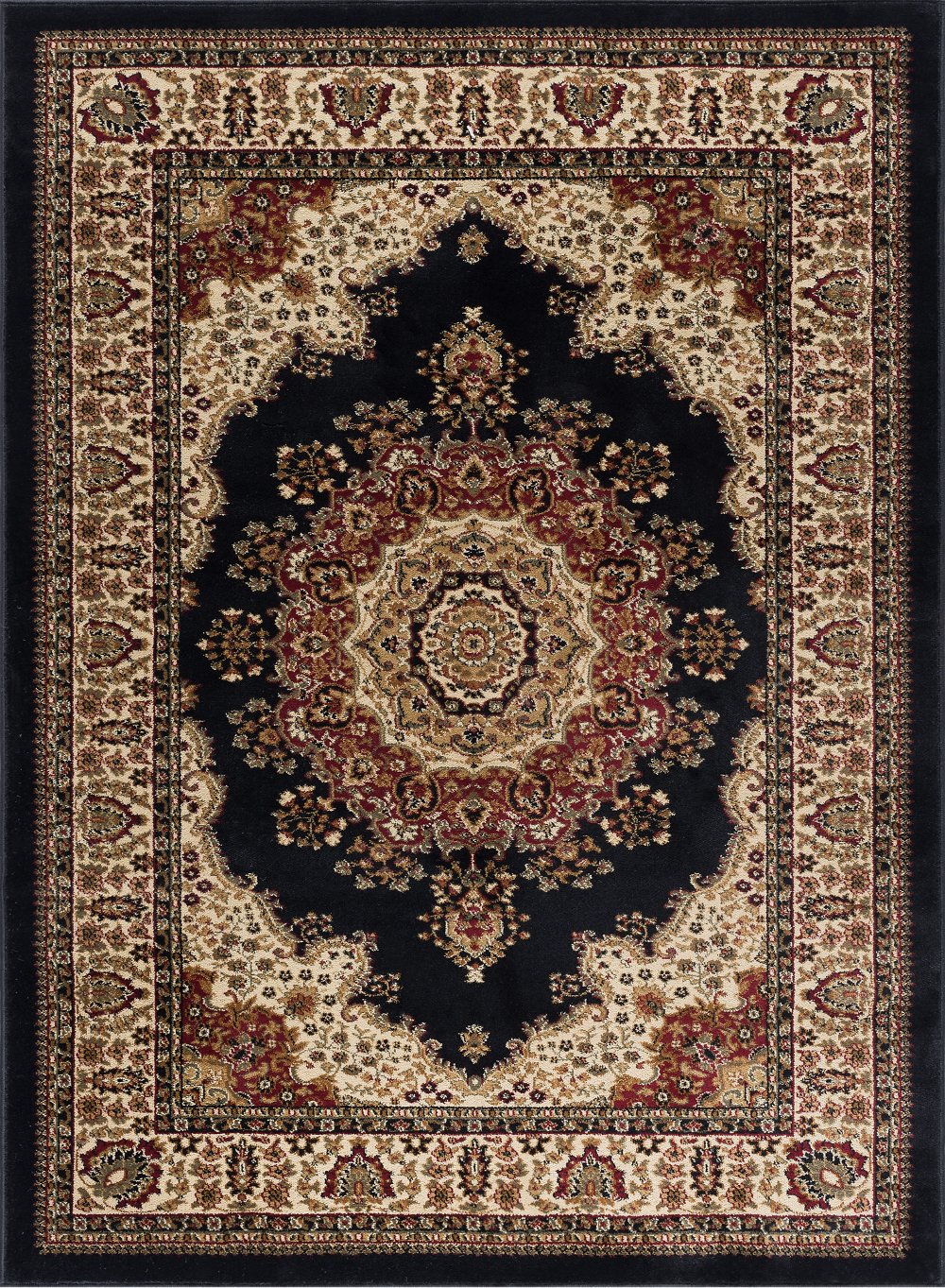
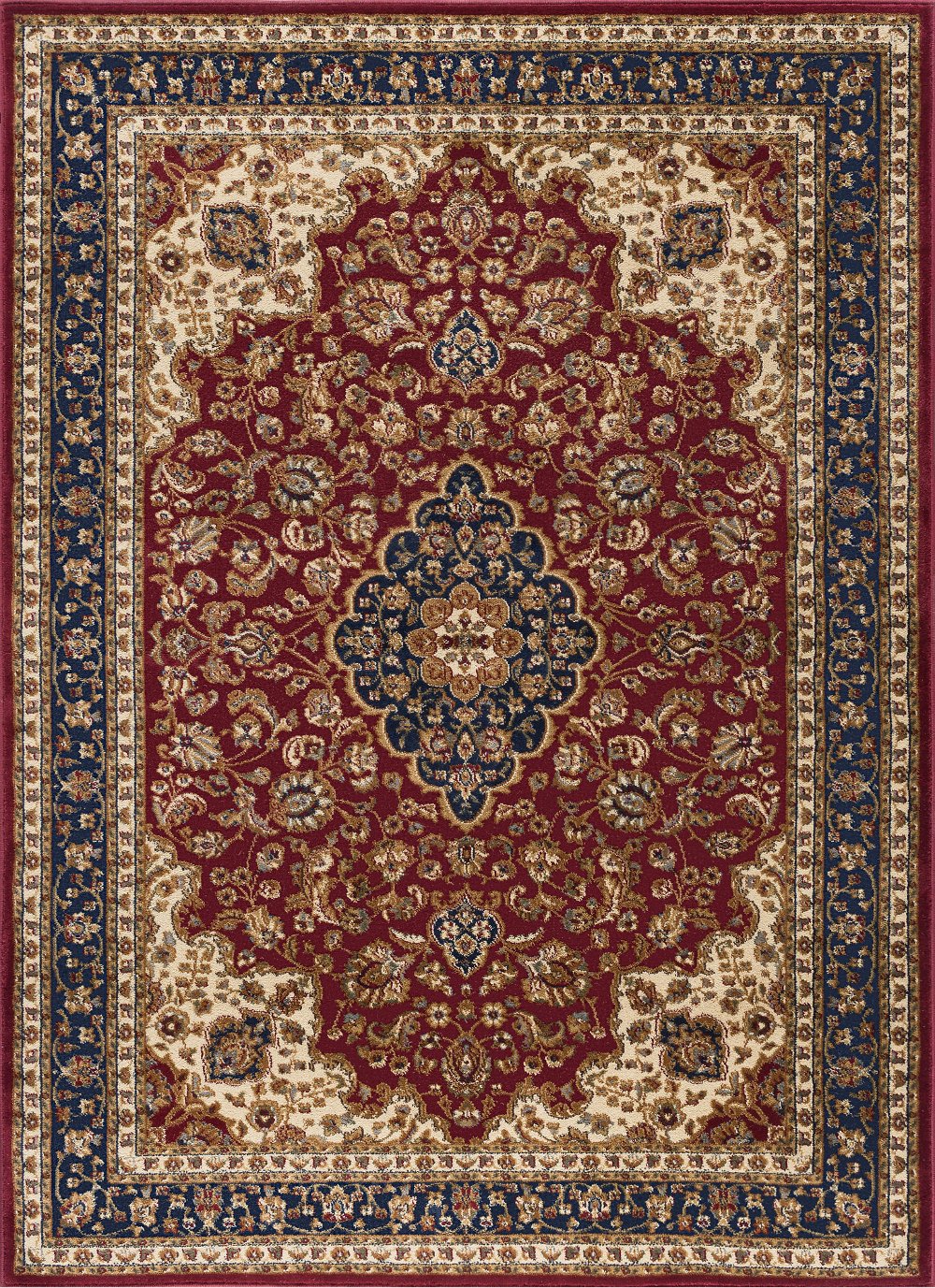
Large patterned area rugs bring furniture, color, and texture together, giving a room a clear focal point and a more connected feel. In a spacious living room, a generous rug can link a sofa, accent chairs, and a coffee table into one comfortable seating area. In an open floor plan, it can distinguish a place for conversation from the dining space nearby without adding walls or interrupting sightlines. The pattern does more than decorate the floor: it can echo the curves of an armchair, soften the straight lines of a sectional, or introduce color to a room filled with neutral upholstery. Geometric designs offer crisp lines and repetition, while floral and botanical motifs bring flowing shapes and intricate details. Abstract patterns can feel relaxed and expressive, and stripes create a sense of direction across the floor. Medallions, scrolling borders, and Persian-inspired designs add a more classic foundation; Large Traditional Area Rugs offer a related direction for rooms that favor ornamental detail and established design motifs. A large rug doesn’t have to feature an oversized pattern. Small, closely repeated shapes can read almost like texture from across the room, while broad curves or wide checks make a stronger visual statement. Color contrast matters just as much as motif size. A cream-and-charcoal design creates a different effect from the same pattern rendered in muted taupe and ivory. For a room with patterned curtains or a printed accent chair, a rug with a quieter palette can keep the space from feeling crowded. With solid furniture, a more expressive rug can carry the room’s personality. Pulling a secondary rug color into a pillow, throw, or piece of artwork creates a connection without requiring everything to match. A border can also frame a seating arrangement, while an allover design keeps its character visible even when furniture covers the center. The best fit feels intentional from the doorway and inviting from your favorite seat.
Size and placement shape how a patterned area rug works in everyday life. Common large rug dimensions include 8 by 10 feet, 9 by 12 feet, and 10 by 14 feet, though the right proportions depend on the room and the furniture arrangement rather than the size label alone. In a living room, having at least the front legs of the sofa and surrounding chairs on the rug helps the pieces feel connected. A larger rug that accommodates every furniture leg can give a spacious seating group a more unified foundation. With a sectional, enough rug extending beyond the seating makes the arrangement feel balanced instead of squeezed onto a small patch of pattern. The visible design matters, too. A central medallion may sit mostly beneath a coffee table, while an allover motif remains visible around the furniture. In a dining room, a rug generally needs to extend about 24 to 30 inches beyond each side of the table so chairs can stay on it when pulled out; larger chairs may need more room. Any table extension used regularly belongs in those measurements. Beneath a bed, a large rug can provide a soft landing along both sides and at the foot, with placement adjusted for nightstands, benches, and nearby doors. Painter’s tape on the floor makes the footprint easier to picture before choosing dimensions. Door clearance, floor vents, and walking paths also deserve attention, especially where a rug reaches into an adjoining space. Low-pile and flatweave constructions often suit dining areas because chairs move across them more easily, while a plusher surface can feel comfortable in a bedroom or a living room used for floor play. A rug pad sized slightly smaller than the rug adds cushioning and helps limit shifting. Its material should be compatible with both the rug backing and the flooring underneath, particularly on surfaces with specific finish-care requirements.
Materials and construction influence how large patterned rugs feel, wear, and respond to daily care. Wool offers a resilient fiber with natural spring, making it a useful choice for living spaces where comfort and long-term wear matter. Some wool rugs shed, particularly early in their use, and gentle vacuuming according to the care label helps manage loose fibers. Cotton often has a softer, more casual feel, especially in flatwoven designs, though thinner constructions may move or wrinkle without a suitable pad. Polypropylene absorbs little moisture and is often used in rugs designed for practical everyday upkeep, while polyester can provide softness and clear, vibrant color. Nylon is known for resilience under repeated foot traffic. Fiber alone doesn’t tell the whole story: pile density, backing, construction, and the manufacturer’s care instructions all affect performance. Hand-knotted rugs have individually tied knots, hand-tufted rugs typically use a backing system to secure the yarn, and machine-woven rugs can produce detailed, consistent patterns. For a household with pets, a low pile without prominent loops may be easier to vacuum and less likely to catch claws than a loosely looped surface. Families with children may appreciate multicolor patterns that make small crumbs or minor marks less noticeable between cleanings, although a busy design doesn’t replace stain resistance or regular maintenance. Dining areas benefit from surfaces that release crumbs readily, while a quiet bedroom may allow for a softer, deeper pile. Care starts with the rug’s label: vacuum settings, spot-cleaning methods, and professional cleaning recommendations can differ substantially. Blot spills promptly with a clean cloth rather than rubbing, and test any approved cleaner in an inconspicuous area. A washable designation also needs a closer look, since a large rug may exceed a household washer’s capacity or require a particular drying method. Occasional rotation, when practical, helps distribute wear from favorite seats and regular walking routes. With the right balance of pattern, proportions, and practical care, a large area rug can make a busy gathering space feel considered, comfortable, and distinctly yours.
Read More